





 Portuguese
  English
  Spanish
  4 min of reading
  1 comment


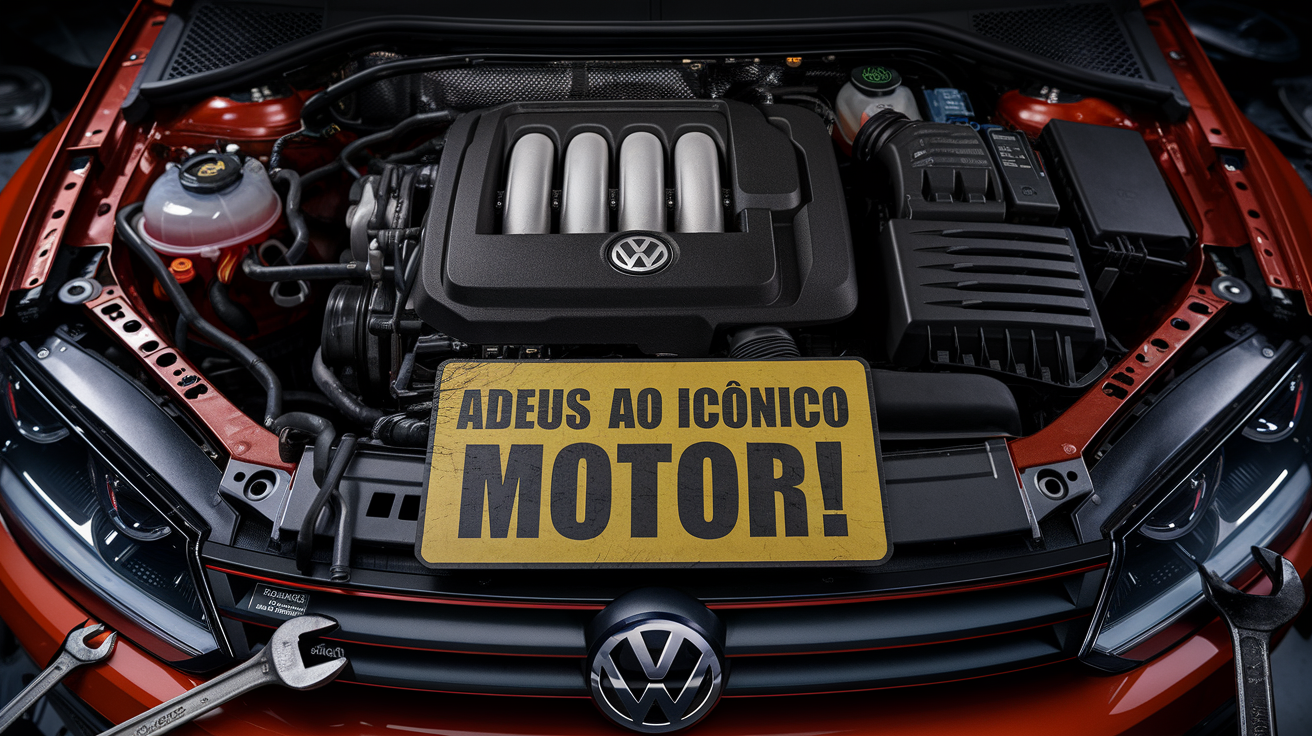


Volkswagen Announces The Retirement Of The Iconic Engine After 34 Years Of History. Used In Models Like The Porsche Cayenne And Audi Q7, The Engine Was A True Revolution In Automotive Engineering.
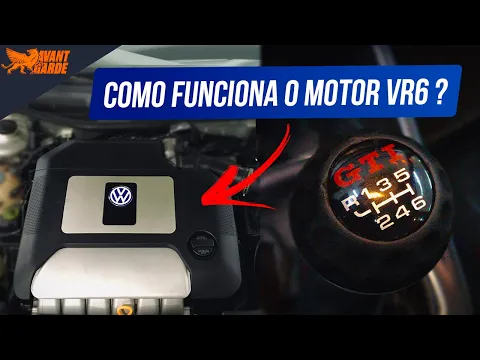
The history of the VR6 engine from Volkswagen, one of the most iconic and innovative in the group, comes to an end after more than three decades of contribution to the automotive sector.
Its retirement, announced in 2024, closes a chapter of performance, versatility, and unique design that marked an era of transformation in engine engineering.
But what really made the VR6 so special? Keep reading and discover all the details behind this industry giant.
-
The car stored for 38 years: when opening the barn door, what appears is breathtaking and looks like a scene from a movie!

-
Fiat works miracles in the Brazilian market, lowers the price of its 0 km hatch to R$ 69,990, reestablishes the model as the cheapest car in the country, and reignites the battle against Kwid and C3.
-
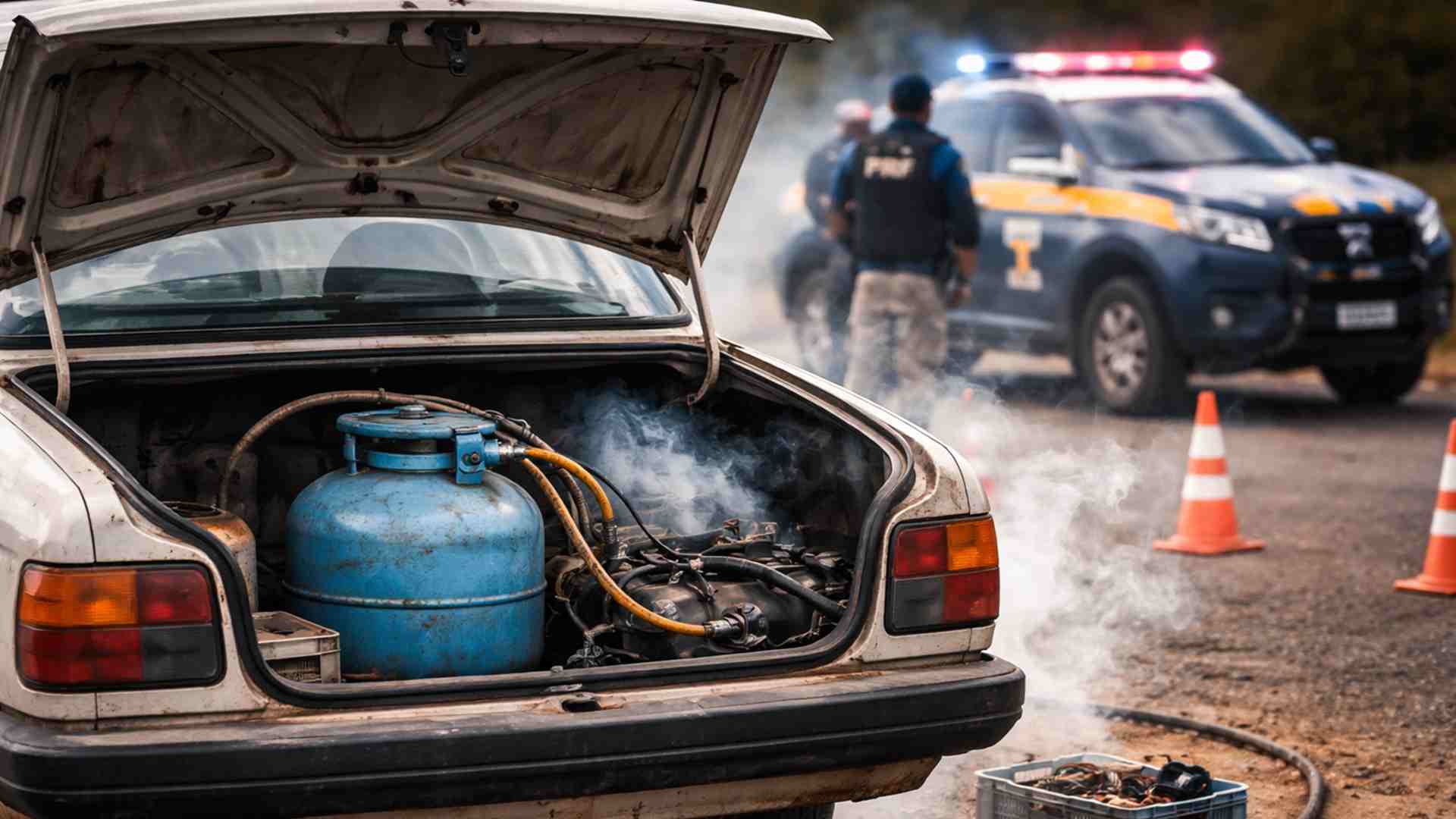
Chevette with cooking gas: How the gas cylinder ends up being used in cars clandestinely and why this makeshift solution can result in leaks, explosions, damaged engines, and seized vehicles.
-
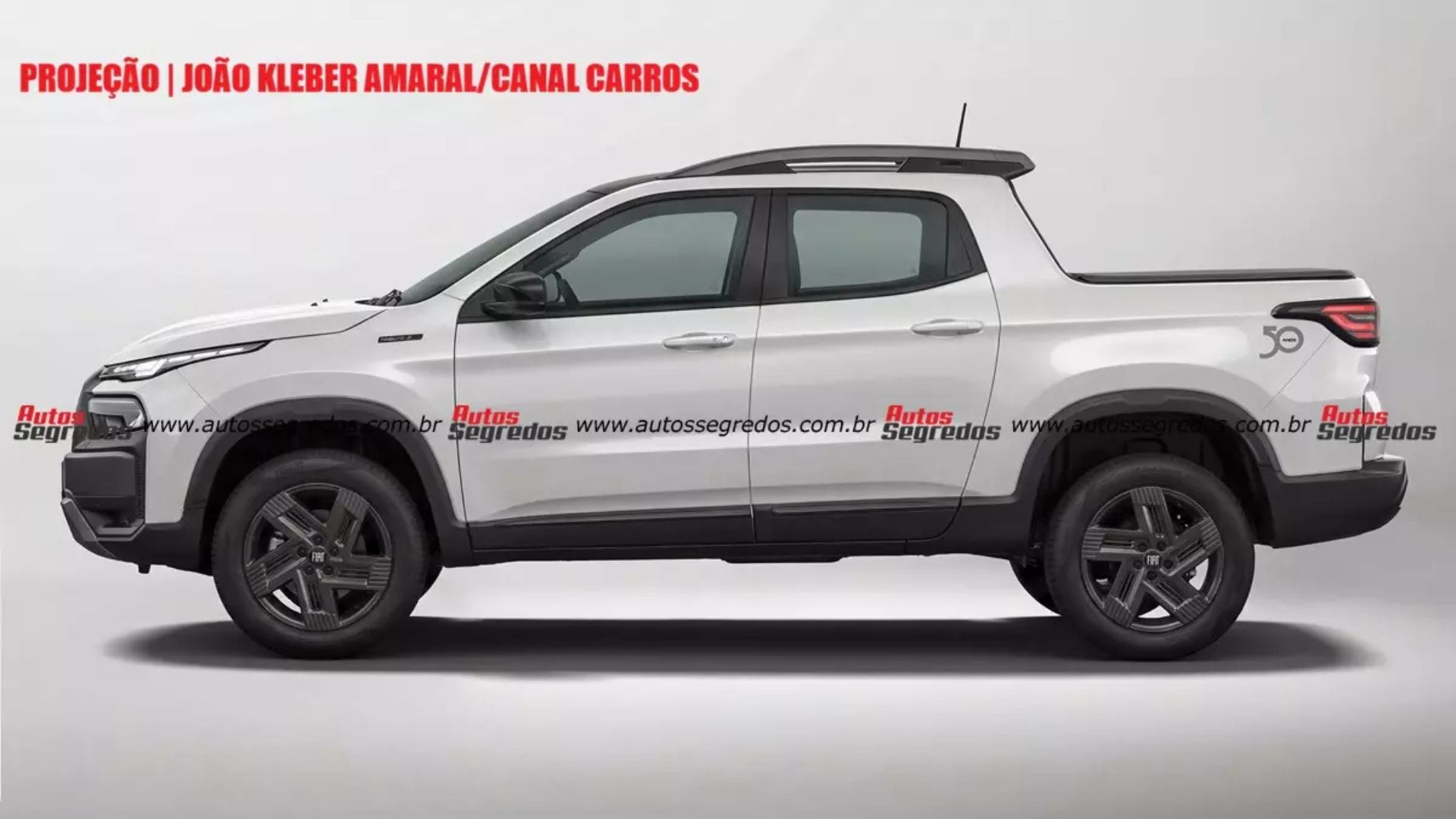
Fiat launches the new 2027 Toro hybrid with 48V, 176 hp, an electric motor of 15.5 hp, a 0.85 kWh battery, up to 7% fuel savings, 8% fewer emissions, and possible exemption from IPVA.

The VR6 engine, which became a true symbol of innovation within Volkswagen’s portfolio, was officially retired in 2024.
After a long trajectory of nearly 34 years, the production of the VR6 came to an end, marking the last assembly of this engine on December 12.
Although the VR6 had been out of production in Europe since the mid-2010s, it continued to be sold in North America until 2023.
The last model sold in the United States with this engine was the Atlas SUV, but production was definitively halted shortly thereafter.

The Beginning Of An Automotive Revolution
The VR6 began its journey in 1991, when it was unveiled at the Geneva Motor Show, in the third-generation Golf.
The engine’s design, which combined the V6 configuration with six inline cylinders, revolutionized how engines could be compact yet powerful.
With nearly 1.87 million units produced over the years, the VR6 not only equipped a range of Volkswagen cars, but also spread across various brands in the group, including Audi, Porsche, SEAT, and Skoda.
Iconic models like the Porsche Cayenne, the Audi Q7, and the SEAT León featured this unique engine.
The VR6 Beyond Volkswagen
Despite its great popularity, the VR6 was not exclusive to Volkswagen. Various cars outside the group also adopted this engine in their versions, such as the Ford Galaxy minivan, the Mercedes Vito, and even the famous Winnebago motorhomes.
Additionally, the VR6 engine was used as the basis for the W12, another renowned engine, which was also retired by Bentley in 2024, along with the production of its twelve-cylinder models.
The Formula That Ensured Success
The secret behind the success of the VR6 lay in its ingenious configuration.
The engine was designed to take up less space than a traditional V6, yet maintaining the characteristics of a six-cylinder engine.
This was possible thanks to the use of a single cylinder head, unlike conventional V6 engines, which use two.
This solution allowed the VR6 to be mounted in front-wheel-drive cars and in a reduced size, without compromising power and durability, which are essential characteristics for vehicles across various segments.
The End Of The Line: The Era Of Downsizing
However, the evolution of turbocharged engines and the growing demand for better fuel economy and reduced weight led to the discontinuation of the VR6.
Downsizing, a trend that led manufacturers to adopt smaller and more efficient engines, rendered the VR6 obsolete compared to turbocharged four-cylinder engines, which offered satisfactory power, good torque, and better fuel consumption figures.

The Legacy Of The VR6 And Its Secret Prototypes
Beyond its production for production cars, the VR6 also inspired innovations in the development of prototypes.
In 2009, for example, a sixth-generation Golf model was secretly produced with a turbocharged 3.2-liter VR6, capable of generating an incredible 463 hp.
Unfortunately, this prototype never made it to the streets, but the engine’s technology and performance continue to be remembered as a landmark in Volkswagen’s automotive history.
The Future After The VR6
The legacy of the VR6, with its unique configuration and unmistakable performance, will always be remembered by those who witnessed the evolution of cars over the past three decades.
Its farewell symbolizes the transition to new technologies and new solutions for the cars of the future, but the impact of the VR6 on the industry and the passion of car enthusiasts will be eternal.
What lies ahead for Volkswagen engines now that the VR6 has bid farewell? Do you think the brand will be able to create a worthy substitute for one of its greatest innovations? Share your thoughts in the comments!





Primeiro foi o motor Boxer a ar, depois o AP, agora o VR6…
Triste ver que nesses tempos de eletrificação e de motores 3 cilindros a alma automotiva pura está se esvaindo…