





 Portuguese
  English
  Spanish
  8 min of reading
  0 comments


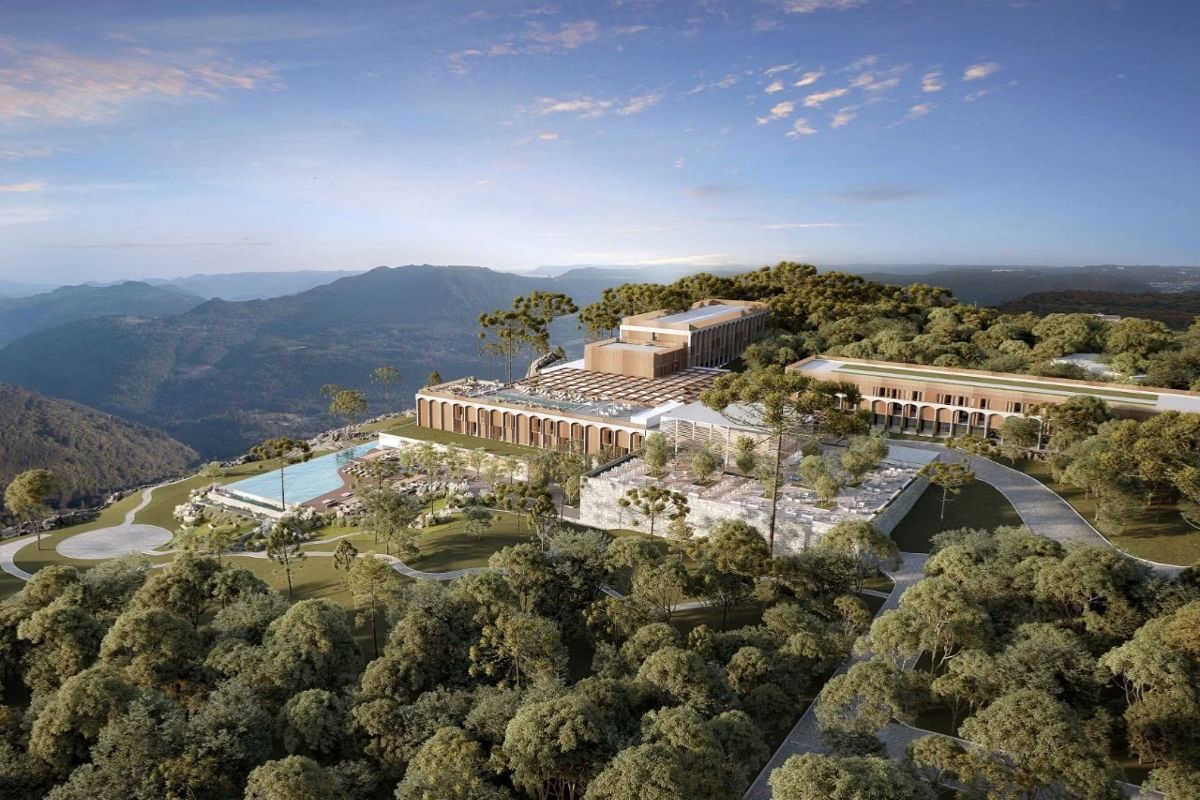
The Luxury Hotel Kempinski, Founded in 1897, Advances with Three Projects in the Country, Invests Over R$ 1 Billion in Laje de Pedra in Canela, Finalizes Purchase of Area with One Kilometer of Beach in Alagoas and Seeks Land Between Paulista and Rio Pinheiros.
The oldest luxury hotel in Europe decided to make Brazil one of the central bets of its strategy until 2030. Kempinski, a German group established in 1897, is preparing an expansion on three fronts that combines the restoration of a historical icon, the acquisition of a rare asset by the seaside, and the attempt to enter the most competitive market in the country, São Paulo.
The plan combines glamour and cold calculation. The luxury hotel wants to deliver a very high-standard experience in destinations with totally different profiles: Serra Gaúcha, with a large-scale redevelopment project; the southern coast of Alagoas, with an extensive and exclusive beachfront property; and the São Paulo capital, with the promise of a new venture in a strategic axis between Paulista and Rio Pinheiros.
What’s Behind This Luxury Hotel Race in Brazil

The expansion was anticipated by José Ernesto Marino Neto, an experienced hotelier and managing partner of the brand in Brazil.
-
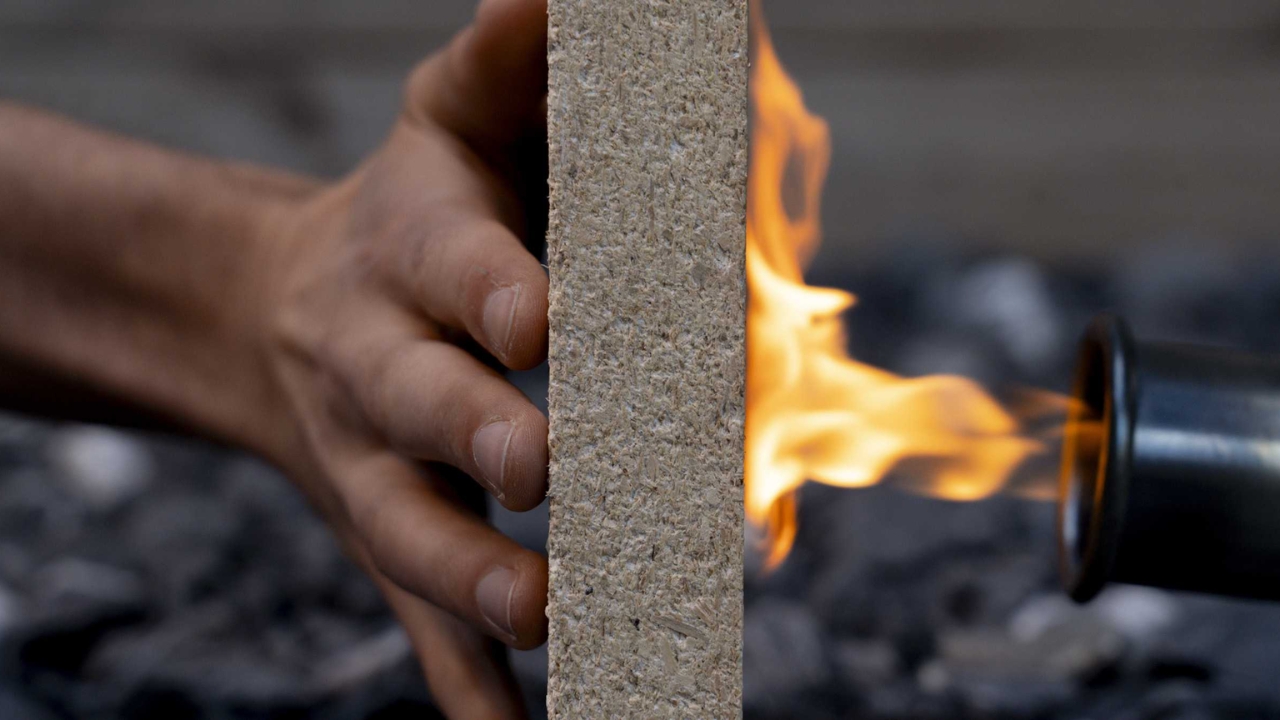
Scientists transform sawdust into fire-resistant panels, stabilize the compound with an enzyme extracted from watermelon seeds, and turn waste into promising material for construction.
-
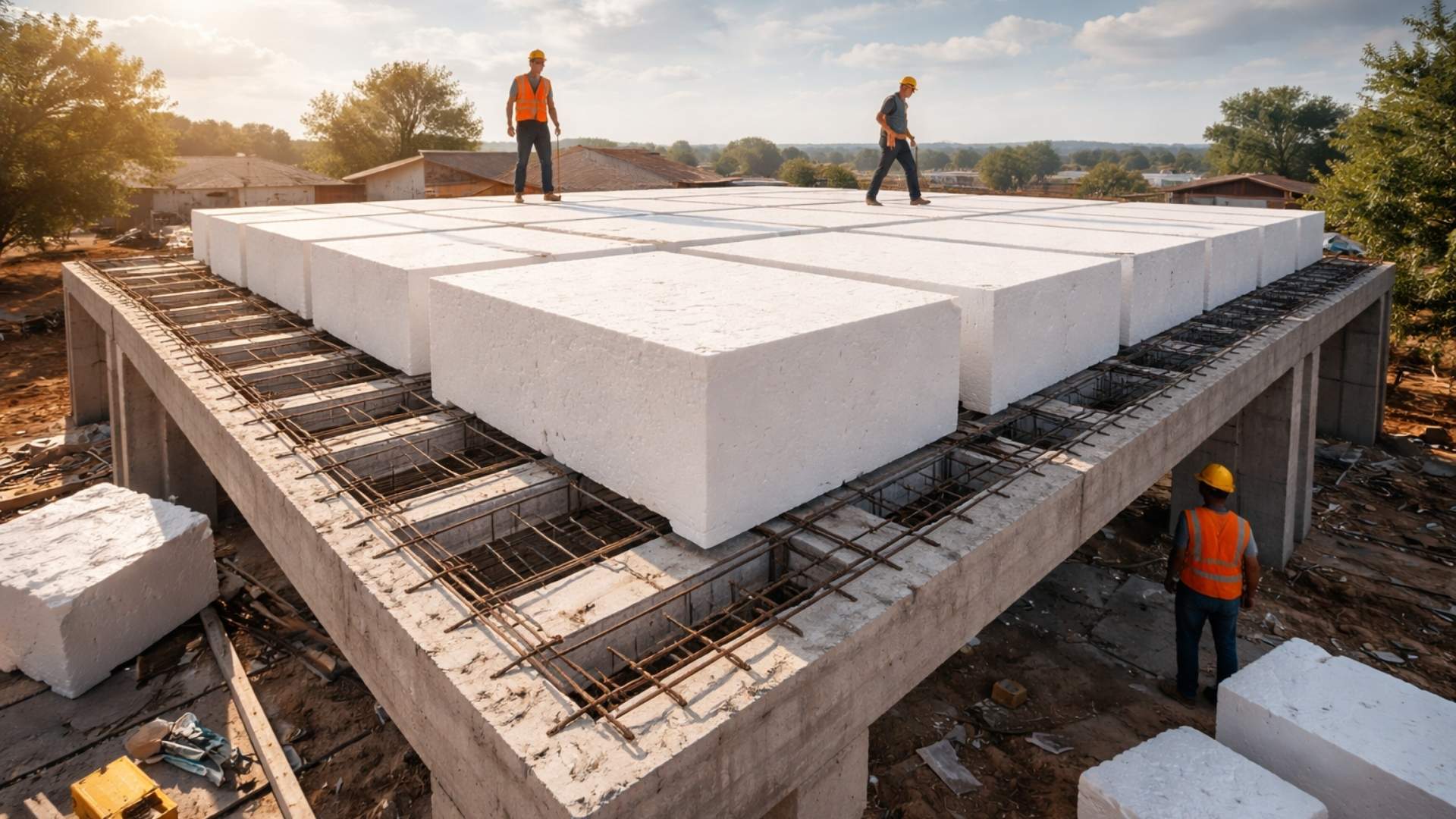
Forget concrete: architects are replacing tons of concrete with giant blocks of expanded polystyrene to build the roofs of houses and reduce structural weight by up to 50%, cut costs, improve thermal insulation, and speed up construction.
-
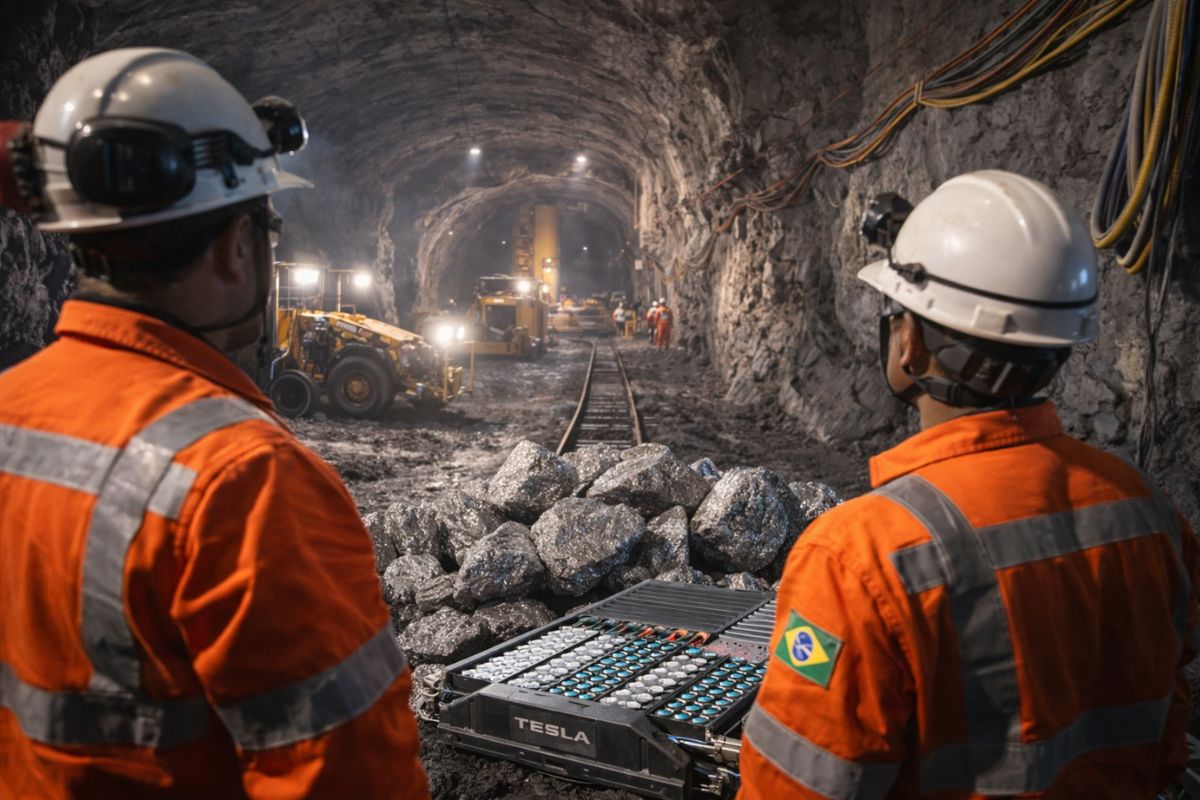
The Brazilian state enters the center of the global race for critical minerals by starting the construction of the largest underground nickel mine in Latin America, a mineral essential for electric car batteries that the entire world is competing for at this moment.
-
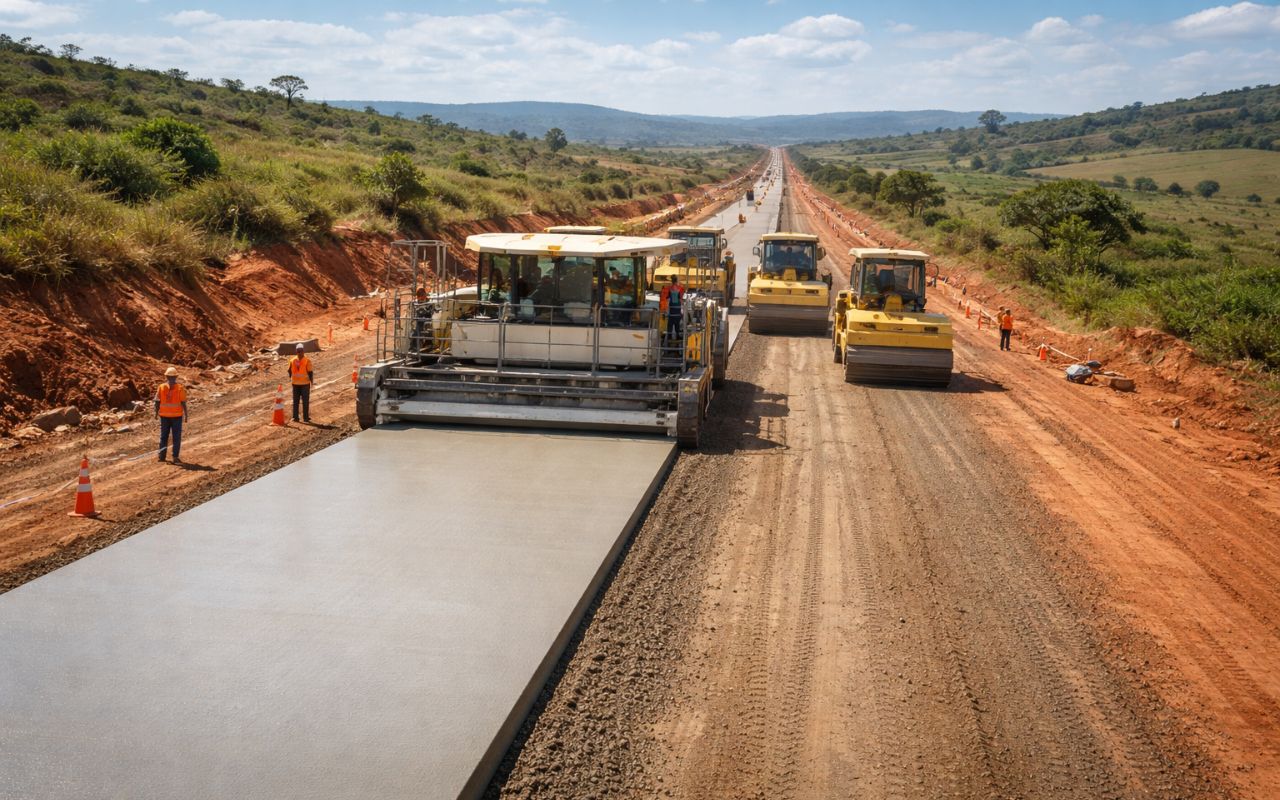
New CCR concrete paving technology promises roads up to 3x more durable, less maintenance, and cost reduction in Brazil.

He is the focal point of the local strategy, as he connects the century-old tradition of the European group to the design of specific projects for the Brazilian market.
Kempinski presents itself as the oldest luxury hotel group in Europe, established in 1897.
This history is used as a credential to support its entry into the Brazilian premium segment, which has demanding clients and increasing competition, but is still seen as “insufficient” in some localities, mainly São Paulo.
The explicit goal is to grow with a focus on very high standards, not quantity.
Instead of opening multiple medium-sized units, the plan is to build few ventures with high symbolic value and potential for repositioning destinations.
Serra Gaúcha as Showcase: The Return of Laje de Pedra in Canela
The first and most advanced front of the luxury hotel in Brazil is in Serra Gaúcha, in Canela, Rio Grande do Sul.
There is the renovation project of Laje de Pedra, a hotel recognized as a regional icon that was closed during the pandemic.
The arrival of Kempinski in Brazil was announced in August 2021, shortly after the partnership formed by Neto, LDP Canela S/A, acquired Laje de Pedra.
The purchase and repositioning of the venture were considered the starting point for the group’s operations in the country.
The informed schedule anticipates inauguration in the second half of 2027. Until then, the project continues as a structuring requalification, aimed at transforming Laje de Pedra into a high-standard complex that combines hospitality, residences, and experiences aimed at a premium audience.
Over R$ 1 Billion: The Size of the Investment and What It Signals
The plan for Laje de Pedra calls for more than R$ 1 billion in investments.
This figure is a thermometer of what the luxury hotel intends to build: it is not a simple aesthetic update, but a complete transformation of positioning and scale.
An investment of this size typically indicates profound changes in infrastructure, finishing standards, social areas, service offerings, and commercial strategy.
In the context of what has been reported, it supports the ambition to place the venture within the very high-end segment, with the capacity to attract guests who compare the Brazilian destination with international standards.
Hospitality and Housing in the Same Project: 80 Rooms and 271 Residences
The new Laje de Pedra is not limited to hotel rooms. The project envisions 80 hotel rooms and 271 residential apartments, ranging from 54 m² to 216 m².
These apartments will be sold under a shared ownership model.
Each unit can have up to four owners, who take turns enjoying the property.
This structure reduces the typical idleness of second homes, increases usage turnover, and allows for the creation of a base of “owner-guests” who circulate through the venture throughout the year.
In the high-end market, the presence of residences integrated into the hospitality operation often functions as a financial lever and also as an element of loyalty, as the owner creates a bond and returns repeatedly to the same destination.
What Is Already Open to the Public at Laje de Pedra
Even before the complete inauguration, part of the venture is already open to the public.
This includes the restaurant 1835, the Laje Bar, an art gallery, and a viewpoint for the Quilombo Valley.
This partial opening serves as a signal of recovery and, at the same time, as a “business card” of the new positioning.
Gastronomy, bar experience, culture, and panoramic views help create local and tourist flow, keeping the venture active while the larger transformation progresses.
The Second Bet of the Luxury Hotel: An Untapped Coast in Alagoas
While renovating Canela, the luxury hotel is preparing to expand to the southern coast of Alagoas.
The most striking point of this operation is that the purchase of an oceanfront farm has already been finalized, according to the managing partner in Brazil.
The acquired asset has a detail that changes the game: one kilometer of beachfront, also described as one thousand meters of beach.
In ultra-high-end hospitality, this beachfront extension is a rare differentiator, as it allows for the design of a venture with greater privacy, lower density, and a more exclusive experience.
José Ernesto Marino Neto classified the location as “paradisiacal” and little explored, highlighting that the search for an area with this profile took time but was concluded specifically to enable a differentiated delivery to guests.
What It Means to Have One Kilometer of Beach in a High-Standard Project
A beachfront this long allows something that conventional resorts do not always achieve: creating spaced usage zones, with less interference among guests, and the sensation of “private beach,” even though the coast is inherently public.
This type of land offers the chance to position the venture as an exclusive and special experience, exactly as the manager mentioned.
In practical terms, more waterfront can mean wider views, greater distance between common areas and accommodations, and space to design the hotel as a destination in itself.
In the premium segment, the feeling of exclusivity is often worth as much as the physical structure. And such land is the foundation for building this narrative.
Third Front: The Luxury Hotel in São Paulo and the Search for Land in the Right Axis
In addition to Canela and Alagoas, the luxury hotel wants to open a third unit in Brazil, in São Paulo. The brand is studying three different plots of land to build the venture from scratch.
The mentioned geographic cut is straightforward: between Paulista and Rio Pinheiros.
This strip concentrates a significant part of São Paulo’s corporate, financial, and services axis, in addition to bringing together areas with infrastructure, mobility, and prestige.
The goal is for the project to break ground by 2030, placing São Paulo as a medium-term bet, alongside the progress in the south and coastline.
Why São Paulo Is Viewed as Needy for Ultra-High-End Hospitality
The presented argument is that São Paulo, even with recent openings and others still to come, would still have a shortage of offerings in the ultra-luxury segment.
This reading suggests strong and continuous demand, capable of attracting new brands.
The manager describes the market as vibrant, which, in the São Paulo context, refers to a constant flow of corporate travel, events, international meetings, and high-net-worth tourists seeking global standard hospitality.
For a brand like Kempinski, entering São Paulo is not just about opening a hotel.
It is about planting a flag in a market where presence means recognition and validation.
The Corporate Engineering Behind the Project in Serra Gaúcha
The Laje de Pedra project involves a partnership with defined names.
In addition to José Ernesto Marino Neto, it includes José Paim de Andrade, founder of the developer MaxHaus, and architect Márcio Carvalho.
This composition suggests a design that mixes hotel management and real estate development, consistent with the presence of the 271 residential apartments within the complex.
This type of structure is common in projects that combine hospitality and property sales, as the capital and product logic complement each other.
A Plan with Three Different Pieces and a Single Goal by 2030
The design of the expansion fits like a tripod.
Canela delivers a requalified symbol, with billion-dollar investment, a mix of hospitality and residences, and an inauguration scheduled for 2027.
Alagoas delivers the rare asset, with one kilometer of beach and promises an exclusive experience in a little-explored location.
São Paulo delivers the strategic positioning in the country’s main corporate market, with a project from scratch aiming for a 2030 target.
The common point is clear: the luxury hotel wants to grow in Brazil targeting ultra-high-end tourism, offering destinations that sustain the brand not only by structure but by narrative, location, and exclusivity.
What This Expansion Says About Brazil on the Premium Tourism Map
When a century-old European group decides to invest capital, time, and reputation in projects in Brazil, it is betting that there is enough demand to sustain ultra-high-end ventures.
At the same time, the strategy reveals that the country is still seen as territory with “underexplored” spaces and opportunities to create exclusive experiences, especially on the coast, where the combination of landscape, climate, and privacy can still be transformed into luxury products.
The renovation of an icon in Serra Gaúcha, the purchase of a farm with one kilometer of beach, and the search for a privileged address in São Paulo point to a long-term movement, where Brazil stops being just an exotic destination and begins to be treated as a structured luxury market.
Kempinski is not just opening hotels. It is trying to redefine where high luxury fits in Brazil, and in which destinations it can become a protagonist.
Do you think Brazil will genuinely deliver the luxury hotel experience this audience demands by 2030?









-

-

-

-

5 pessoas reagiram a isso.