





 Portuguese
  English
  Spanish
  4 min of reading
  0 comments



The Belt and Road Initiative (BRI) Is the Ambitious Project Through Which China Is Building Ports, Railways, and Roads in 150 Countries. Understand the Objectives, the Projects, and the Impact of This Strategy
The Belt and Road Initiative (BRI), known as the New Silk Road, is one of the most ambitious infrastructure undertakings in modern history. Launched by China in 2013, the initiative aims to weave a vast network of connections to dominate global trade routes. Through it, China is building ports, railways, and roads in approximately 150 countries.
This article explores the multifaceted nature of the BRI, from its strategic objectives and flagship projects to the complex geopolitical repercussions and the evolution of the project for the future.
What Is the New Silk Road and What Are Its Real Objectives?
Announced by President Xi Jinping in 2013, the BRI evokes the ancient Silk Roads to legitimize a modern global strategy. The project has two main pillars:
-
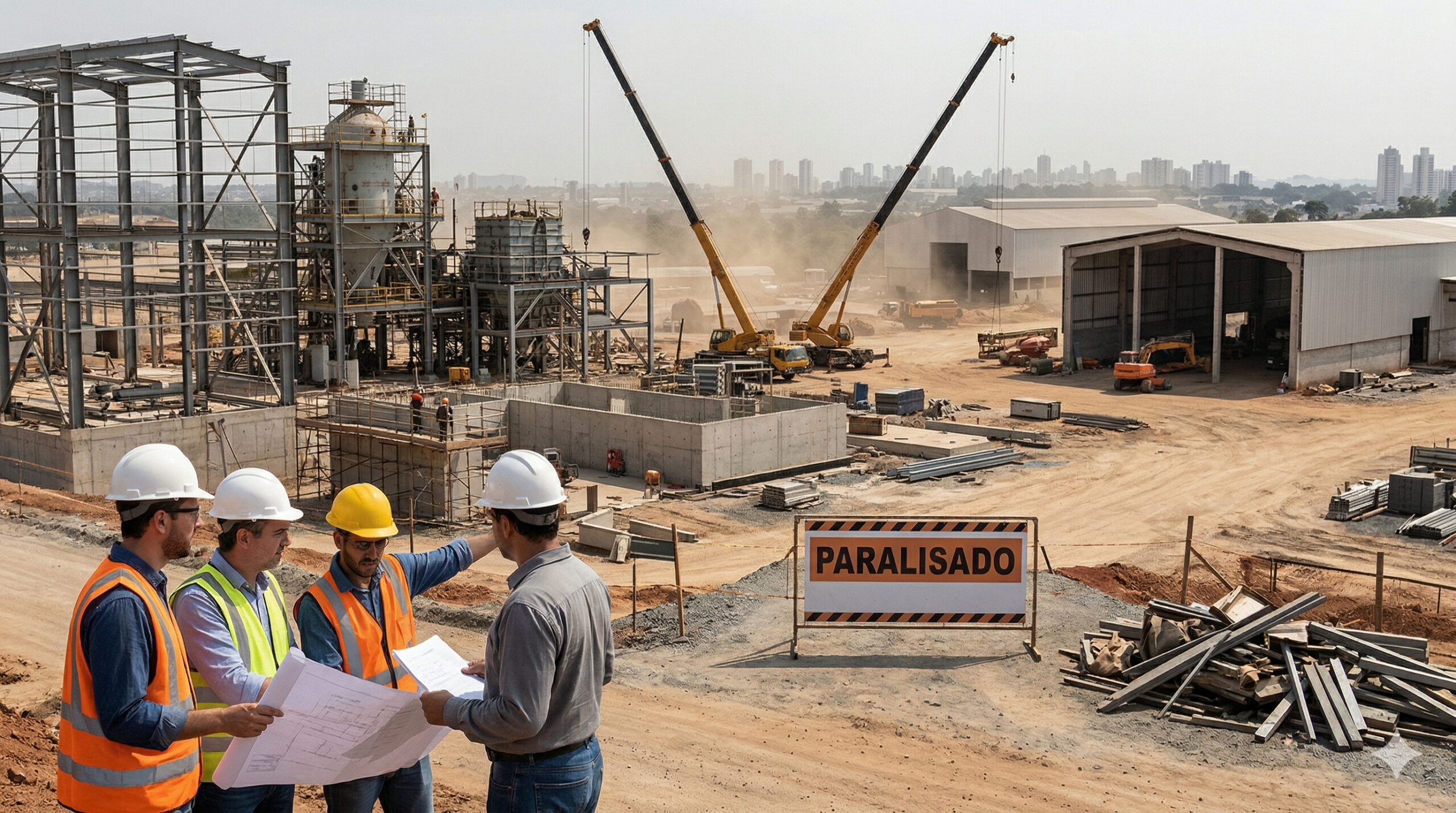
The lack of welders, electricians, and operators becomes a structural threat in 2025, with the construction industry and manufacturing already suffering from delays, cost pressures, and labor shortages in Brazil.
-
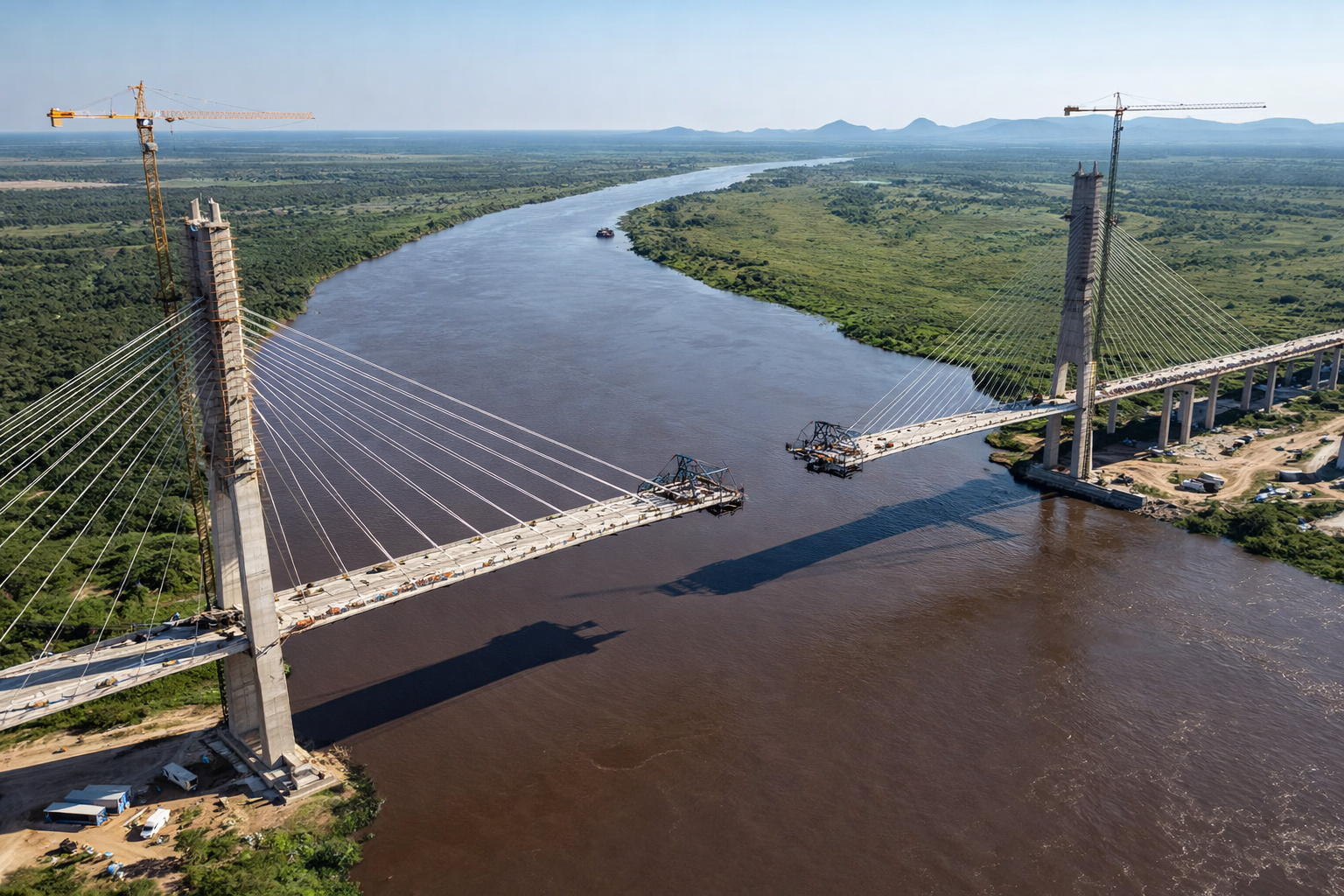
Brazil and Paraguay are just 46 meters away from a historic union on the bioceanic bridge that promises to revolutionize trade between the Atlantic and the Pacific.
-
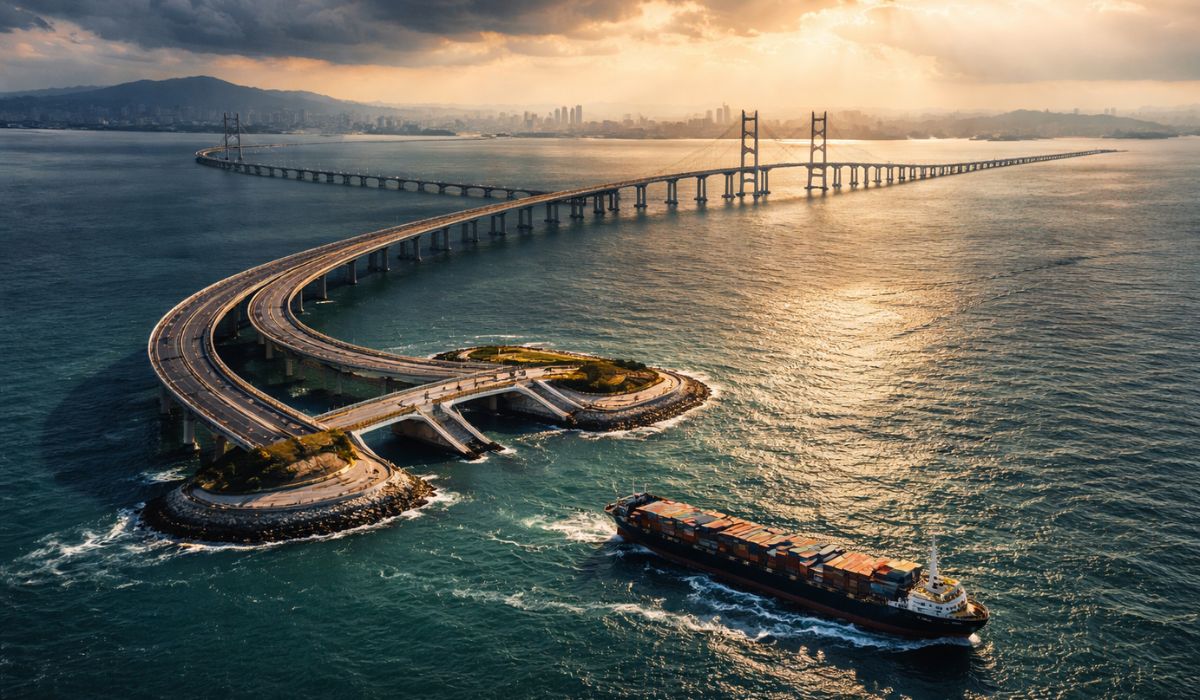
With 55 km over the sea, a cost of US$ 20 billion, and enough steel to build 60 Eiffel Towers, China’s largest project has connected Hong Kong, Zhuhai, and Macau in a colossal bridge that defies the logic of engineering.
-
A trick with joint compound transforms a Styrofoam ceiling into a plaster-like ceiling: leveled panels, wires and mesh at the joints, sand, paint, and change the environment while spending little today.


The Economic Belt of the Silk Road: Overland routes (railways and roads) linking China to Europe, passing through Central Asia and the Middle East.
The 21st Century Maritime Silk Road: Development and expansion of maritime routes and strategic ports from the Chinese coast to Europe, via Southeast Asia and Africa.
Officially, China promotes the BRI under the narrative of “win-win cooperation.” However, the underlying drivers include securing access to natural resources, finding new markets for its industries, internationalizing its companies, and increasing its geopolitical influence. With a completion date set for 2049, the BRI is a long-term project to consolidate China as the center of the global economy.
How China Is Building Ports, Railways, and Roads Around the World
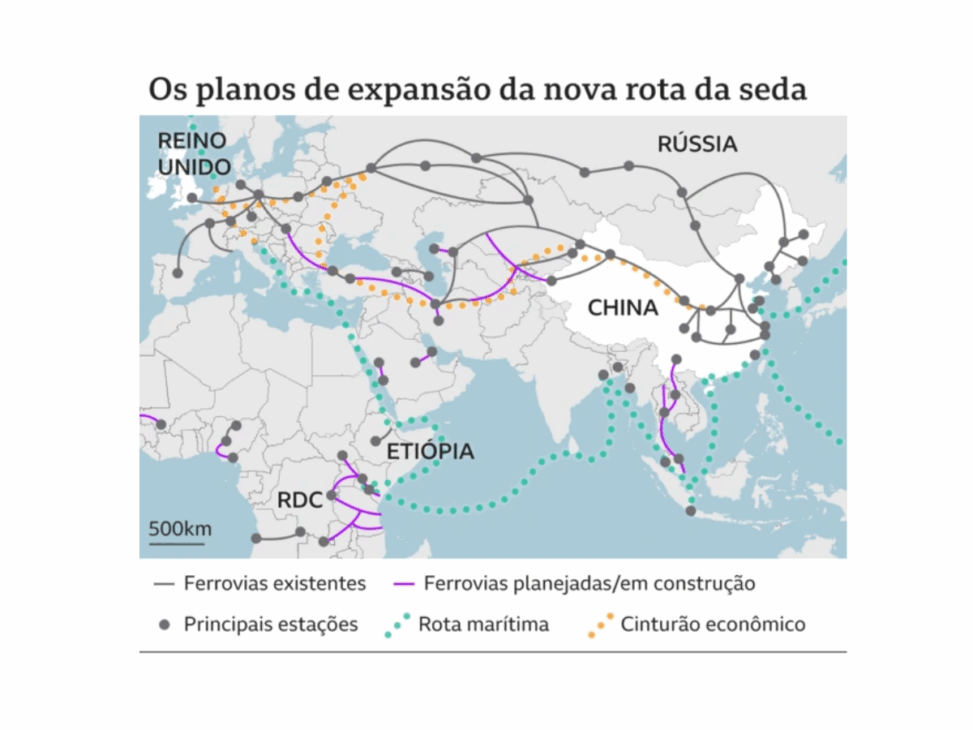
The backbone of the BRI is its vast network of infrastructure projects, clearly demonstrating how China is building ports, railways, and roads on a global scale.
Maritime Ports: China has massively invested in port terminals. The Port of Piraeus in Greece, operated by the Chinese company COSCO, has become one of the busiest in Europe. The Port of Gwadar in Pakistan, and the megaport of Chancay in Peru, are other strategic examples.
Transcontinental Railways: Key railway projects include the Addis Ababa-Djibouti Railway, a vital 756 km line for Ethiopia, and the Jakarta-Bandung High-Speed Railway, the first in Southeast Asia.
Roads and Corridors: The West Europe-China Highway is a crucial project for overland connectivity. Logistics hubs such as the Khorgos Gateway, at the border between China and Kazakhstan, facilitate the transshipment of goods. The China-Pakistan Economic Corridor (CPEC) involves an extensive network of roads and other infrastructure.
Opportunities, Risks, and the Evolution to “BRI 2.0”
For participating countries, the BRI offers opportunities for infrastructure development, with the potential to increase trade flows by up to 4.1%, according to the World Bank. However, risks are significant. Debt sustainability is the main concern, with several countries accumulating high debts to China. Issues of governance, lack of transparency, and environmental and social impacts are also criticized.
In response, China is recalibrating the initiative to “BRI 2.0”. This new phase prioritizes “small and beautiful” projects, with a greater focus on financial and environmental sustainability (“Green BRI”). The initiative has also expanded into new frontiers, such as the Digital Silk Road (5G networks, data centers) and the Health Silk Road.
The New Silk Road and the Reaction of Global Powers
The BRI is a key component of China’s geopolitical strategy to project its influence. Through it, Beijing seeks to shape international norms and institutions, promoting a governance vision more aligned with its interests.
The rise of the BRI has provoked diverse reactions. The United States view it as a challenge and have launched counter-initiatives such as the Partnership for Global Infrastructure and Investment (PGII). The European Union, while acknowledging the opportunities, has concerns and launched its own strategy, the Global Gateway. India is a strong opponent, primarily due to CPEC. Meanwhile, Russia has become an increasingly important partner.
Is China Building Ports, Railways, and Roads for a New Global Domination?


The BRI is a transformative force, but its future trajectory is uncertain and will depend on China’s ability to manage risks, adapt to global changes, and navigate the turbulent waters of geopolitics. The sustainability of debt among partner countries and the transparency of projects will remain points of intense scrutiny.
The fact that China is building ports, railways, and roads on an unprecedented scale is already reconfiguring the arteries of global trade. The initiative represents China’s attempt to shape a world order that better reflects its interests, with an impact that will be felt for decades.









Seja o primeiro a reagir!