





 Portuguese
  English
  Spanish
  6 min of reading
  0 comments


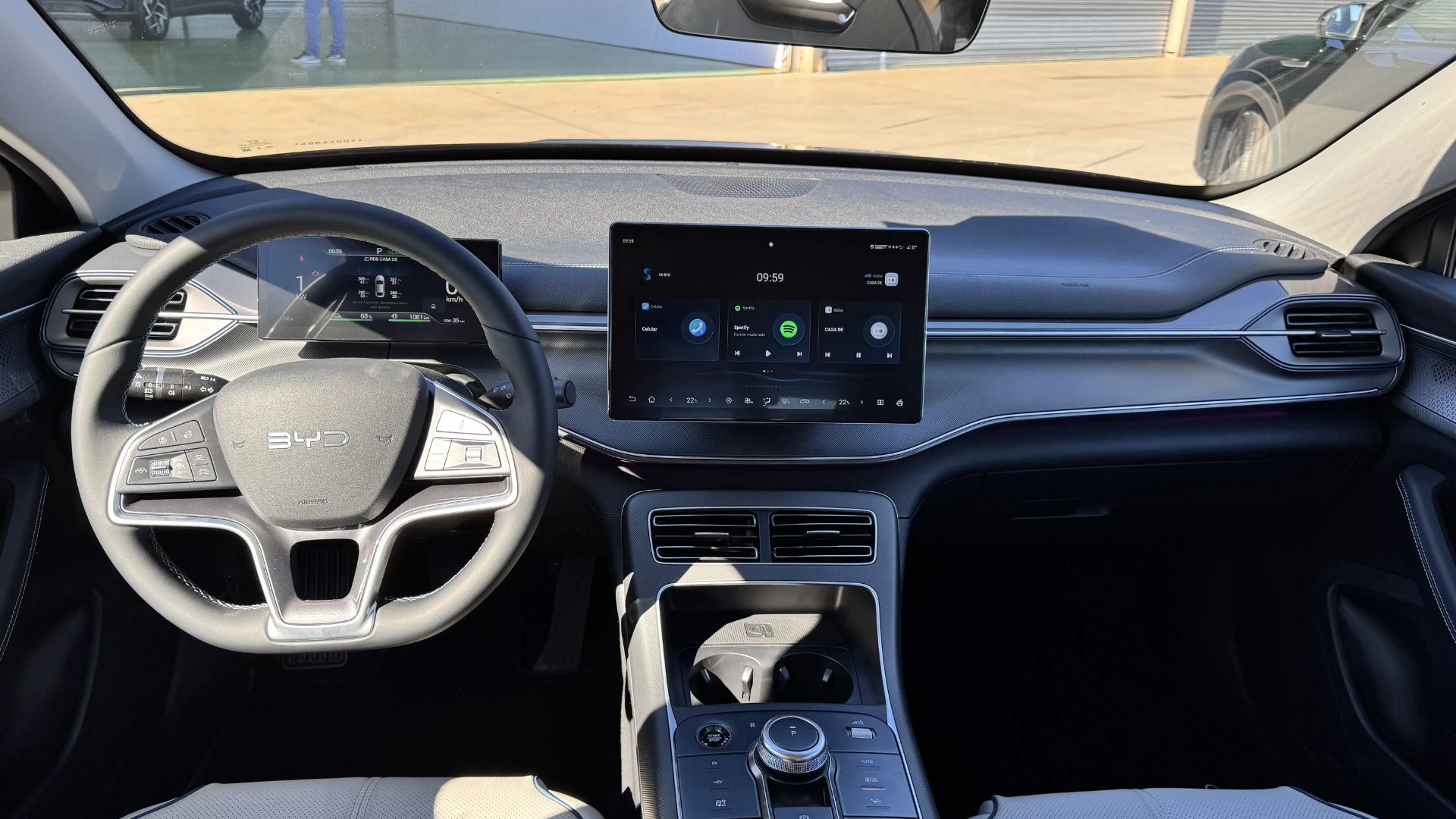
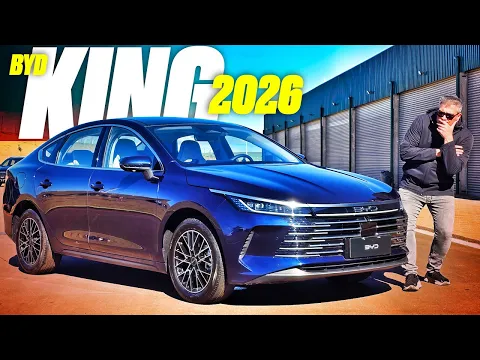
BYD King 2026 Combines Gasoline Engine, Electric Motor, and Plug-in Charging to Achieve Up to 1,100 km of Range, Bringing New Safety Features and Competing Directly with the Toyota Corolla in the Mid-size Sedan Segment.
The Carona program detailed, in the Autosserviço segment, how the BYD King 2026 achieves up to 1,100 km of combined range by uniting a 1.5 gasoline engine with the electric motor and the plug-in charging feature.
This information was originally published by the UOL portal, which highlighted the model as a direct competitor to the Toyota Corolla, focusing on smart energy management and a suite of driving assists to enhance efficiency and safety.
At the center of the proposal is the plug-in hybrid propulsion system.
-
The car stored for 38 years: when opening the barn door, what appears is breathtaking and looks like a scene from a movie!

-
Fiat works miracles in the Brazilian market, lowers the price of its 0 km hatch to R$ 69,990, reestablishes the model as the cheapest car in the country, and reignites the battle against Kwid and C3.
-
Chevette with cooking gas: How the gas cylinder ends up being used in cars clandestinely and why this makeshift solution can result in leaks, explosions, damaged engines, and seized vehicles.

-
Fiat launches the new 2027 Toro hybrid with 48V, 176 hp, an electric motor of 15.5 hp, a 0.85 kWh battery, up to 7% fuel savings, 8% fewer emissions, and possible exemption from IPVA.

The car runs in electric mode when there is sufficient charge in the battery and activates the combustion engine according to power demand or when the electronic management system determines it to be more efficient.
The switching occurs automatically, aiming to achieve the best possible consumption without requiring driver intervention.
The announced range results from the combination of two “tanks” of energy. On one side, the fuel in the reservoir feeds the 1.5. On the other, the battery provides electricity to the electric motor.
When combined and operated by control software, the two sets extend the range per refueling to the level disclosed by the manufacturer for the 2026 lineup, provided the battery is charged and the tank is full.
In addition to charging at home, energy recovery during braking and deceleration helps to partly replenish the charge during urban use.
This process, known as regeneration, reduces waste and contributes to the sedan operating silently in significant portions of daily routes, especially in stop-and-go traffic.
News from the BYD King 2026 Lineup
The 2026 update adds equipment and refines the offering.
The highlight goes to the GS version, which now includes a complete package of driving assists (ADAS).
Among the features are adaptive cruise control and automatic emergency braking, technologies that monitor the environment ahead and can intervene to maintain a safe distance or mitigate collisions.
These functions work with cameras and sensors to read traffic flow, detect obstacles, and adjust speed when necessary.
In heavy traffic scenarios, ACC helps to follow the vehicle ahead with less effort from the driver.
Meanwhile, the autonomous braking acts in critical situations when the system identifies an imminent impact risk and the driver does not react in time.
Throughout the rest of the lineup, the King maintains the typical low usage cost proposal of plug-in hybrids, with the advantage of allowing home charging during off-peak hours, depending on the available electrical infrastructure.
The strategy aims to reduce the cost per kilometer while also lowering local emissions during short trips.
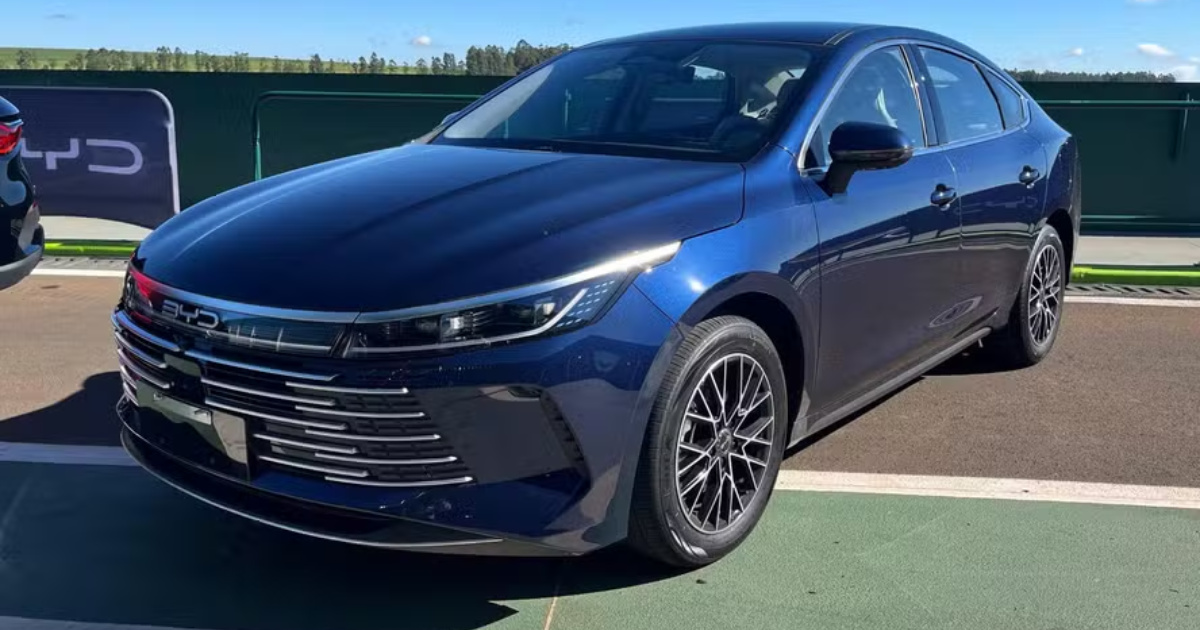
How the Sedan Achieves Up to 1,100 km of Range
The calculation of up to 1,100 km considers the combined use of the battery and the combustion engine, without sacrificing driveability.
In urban routes, the system tends to prioritize electric mode for immediate consumption gains.
At highway speeds, energy management can switch or combine sources to maintain stable performance, always focusing on efficiency.
Another pillar is the pre-conditioning of the battery through the plug.
When leaving home with a full charge, the driver can utilize electric mode longer and delay the activation of the 1.5.
This logic, combined with a full tank, explains why the total range approaches the figure released for the 2026 lineup, provided the driving profile and usage conditions are compatible.
Although range varies based on topography, temperature, and driving style, the concept remains: use electricity where it is most advantageous and resort to fuel when context demands.
The result is a sedan that competes with traditional hybrids while also offering the advantage of external charging.
Competition with the Toyota Corolla
Aimed at the same audience as the Toyota Corolla, the King seeks to differentiate itself by combining electric mode with plug-in charging and a suite of driving assists standard in the most complete configuration.
While the Corolla has established its image of efficiency in urban cycles with a non-plug-in hybrid system, BYD’s bet targets consumers who want to extend trips with the aid of a plug and the combustion engine working on demand.
In this competition, factors such as home charging costs, availability of public stations, maintenance costs, and resale values become significant.
The King attempts to position itself with high total range and technological content, while the Japanese competitor responds with established reputation and extensive service network.
Passion for Motorsport That Crosses Generations
The edition of Carona, as originally published by UOL, also gives voice to a family journey linked to racing.
Young driver Rogério Ambrósio dos Santos Neto, who has competed in karts alongside Gabriel Bortoleto, appears as the main character.
Currently, Rogério Neto competes in the Brazilian Tourism Championship 1.4, a feeder category that develops talents for higher levels of motorsport.
The connection with the tracks comes from birth. Grandson of driver Rogério Ambrósio, known by the nickname “Flying Donkey”, the young man began early to collect podiums and experiences in base championships.
Throughout this journey, he has the support of his father, Eduardo Henrique Brito Pinheiro, also a speed enthusiast and a constant presence in the background of training and races.
By bringing together past and present, the segment shows that the racing DNA helps shape discipline, race reading, and resilience, valuable attributes for those seeking evolution in a highly competitive environment.
Durability of the Electric Van eT3
Another theme of the edition is the durability of electric vehicles in commercial use. Presenter Jorge Moraes showcases a BYD eT3 truck, one of the first models brought to Brazil to serve companies like CCR and Americanas.
According to the report, the displayed unit is from 2017 and is still in operation after over 700,000 kilometers traveled, with maintenance up to date and preserved functioning.
This type of application, with high annual mileage and urban routes, favors the use of the electric motor and standardizes charging routines.
In fleets, cost control and performance monitoring allow for an objective assessment of battery wear, maintenance intervals, and vehicle availability throughout its life cycle.
For the general public, examples like this help clarify common doubts about the robustness and longevity of electric vehicles.
Even though the severe usage in fleets does not exactly replicate the routine of a private owner, field data provide a picture of what combustion-free propulsion technologies can deliver in terms of reliability.

Relevance for Drivers and Companies
The combination of the King’s extended range, the advancement of ADAS available in mid-size sedans, and the durability test in an electric van form a useful overview for consumers.
Commonly, these themes involve usage costs, active safety, and technological maturity — points that guide purchasing decisions in both retail and corporate segments.
Meanwhile, stories like that of Rogério Neto remind us that everyday innovation also stems from the sports environment.
From the track to the street, learning from data, measuring results, and seeking efficiency are attitudes that bring consumer realities closer to the standards required in competitions.
In this scenario, what weighs more in your choice today: the ability to drive long distances with a plug-in hybrid, the security enhancement from driving assists, or the evidence that electric vehicles can work hard for years?








-

-

-

-

-

-

89 pessoas reagiram a isso.