





 Portuguese
  English
  Spanish
  3 min of reading
  0 comments


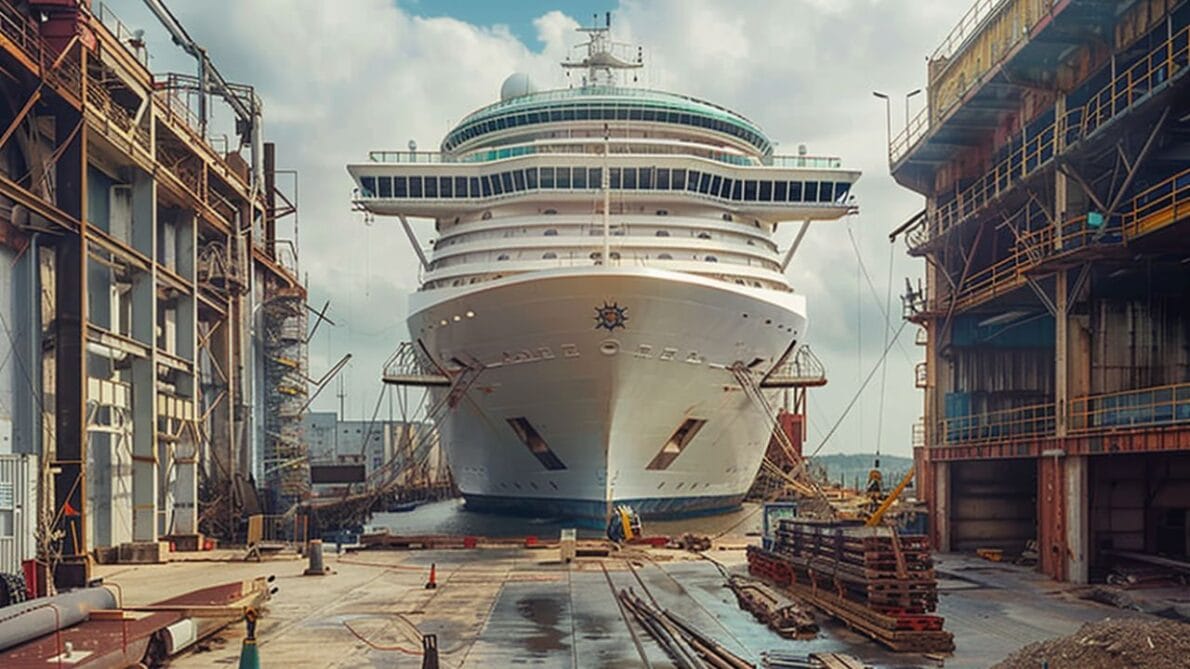
In Less Than A Year, True Floating Cities Like The Allure Of The Seas Are Built, Combining Advanced Engineering And Complex Logistics. This Article Reveals The Fascinating Construction Process Of These Colossi Of The Seas In The Shipyards, From The Initial Sketch To The Inaugural Voyage.
True Marvels Of Modern Engineering, Cruise Ships Transform From Simple Designs Into Majestic Seafaring Structures In Surprisingly Short Timeframes. The Allure Of The Seas, One Of The Largest Examples Of This Industry, Has A Construction Cost Equivalent To That Of The Burj Khalifa, Reaching The Impressive Figure Of $1.5 Billion. But How Is It Possible To Raise Such Giants In Just 11 Months? See How The Large Ships Are Built.
Everything Begins With A Basic Concept, Where Cruise Companies Define The Size, Passenger Capacity, And Unique Features Of The Ship. With A Proposal In Hand, They Seek Shipyards Capable Of Accomplishing Such A Feat. Due To The Limited Number Of Qualified Builders, The Choice Falls On Those Who Offer The Best Balance Between Cost, Efficiency, And Technical Capacity.
How Are Large Ships Built? Steel Cutting Ceremony And Construction
The Construction Journey Begins With The Cutting Of Steel, A Milestone Moment Celebrated With Festivities At The Shipyard. This Process Lasts Approximately Six Months, During Which The Steel Is Shaped Into Thousands Of Smaller Pieces. The Ceremony Of The Keel Laying Follows, Which Symbolizes The Official Start Of The Ship’s Assembly, Following The Tradition Of Placing A Gold Coin Under The Hull For Good Luck.
-
With 74% of companies facing difficulties in hiring, technicians and engineers in renewable energy are becoming scarce in Brazil and are essential to support the expansion of solar, wind, and green hydrogen projects.

-
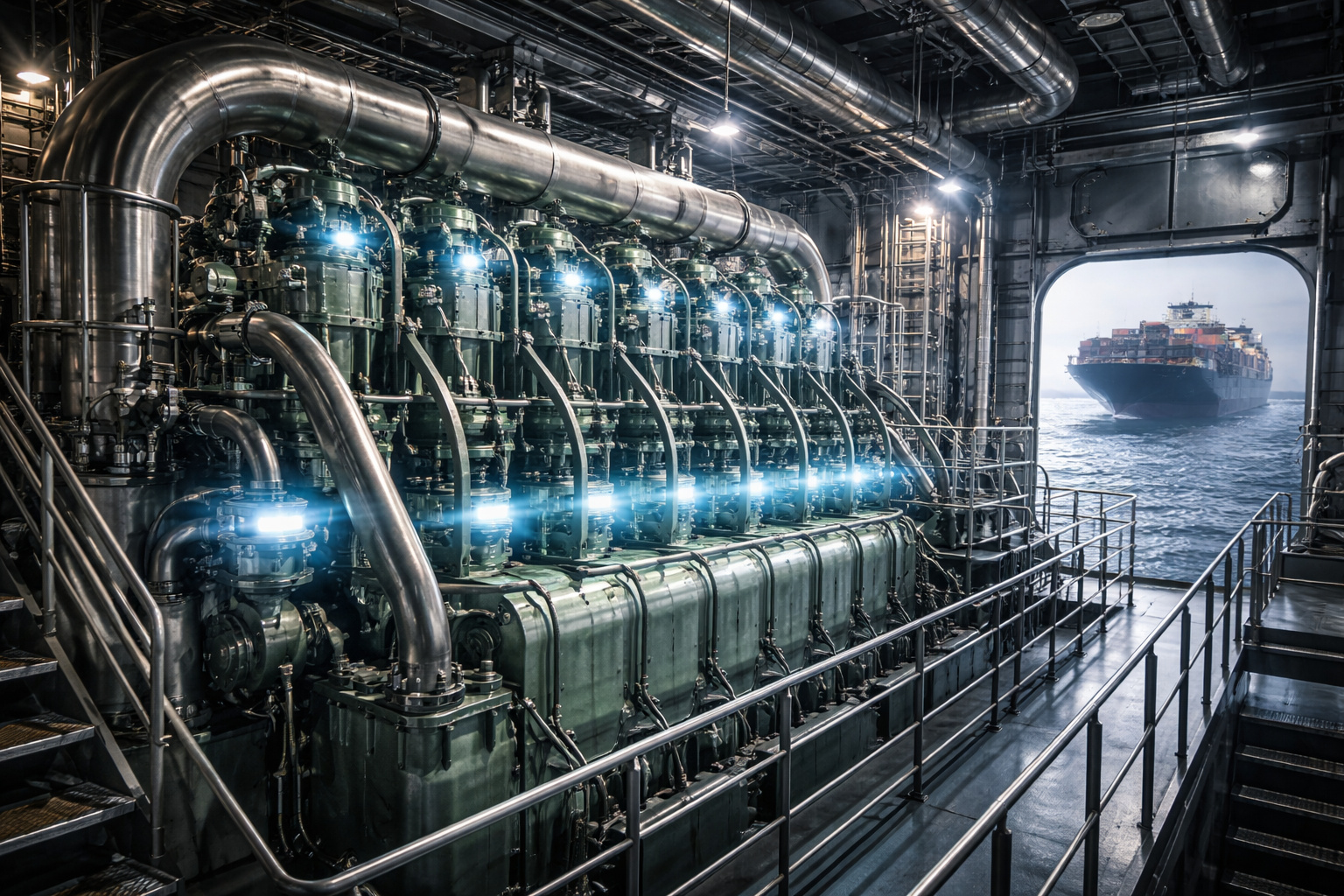
Europe is trying to create an ammonia-powered marine engine without auxiliary fuel, which could unlock the race for giant emission-free ships. The technology aims to eliminate one of the biggest obstacles to clean maritime propulsion.
-
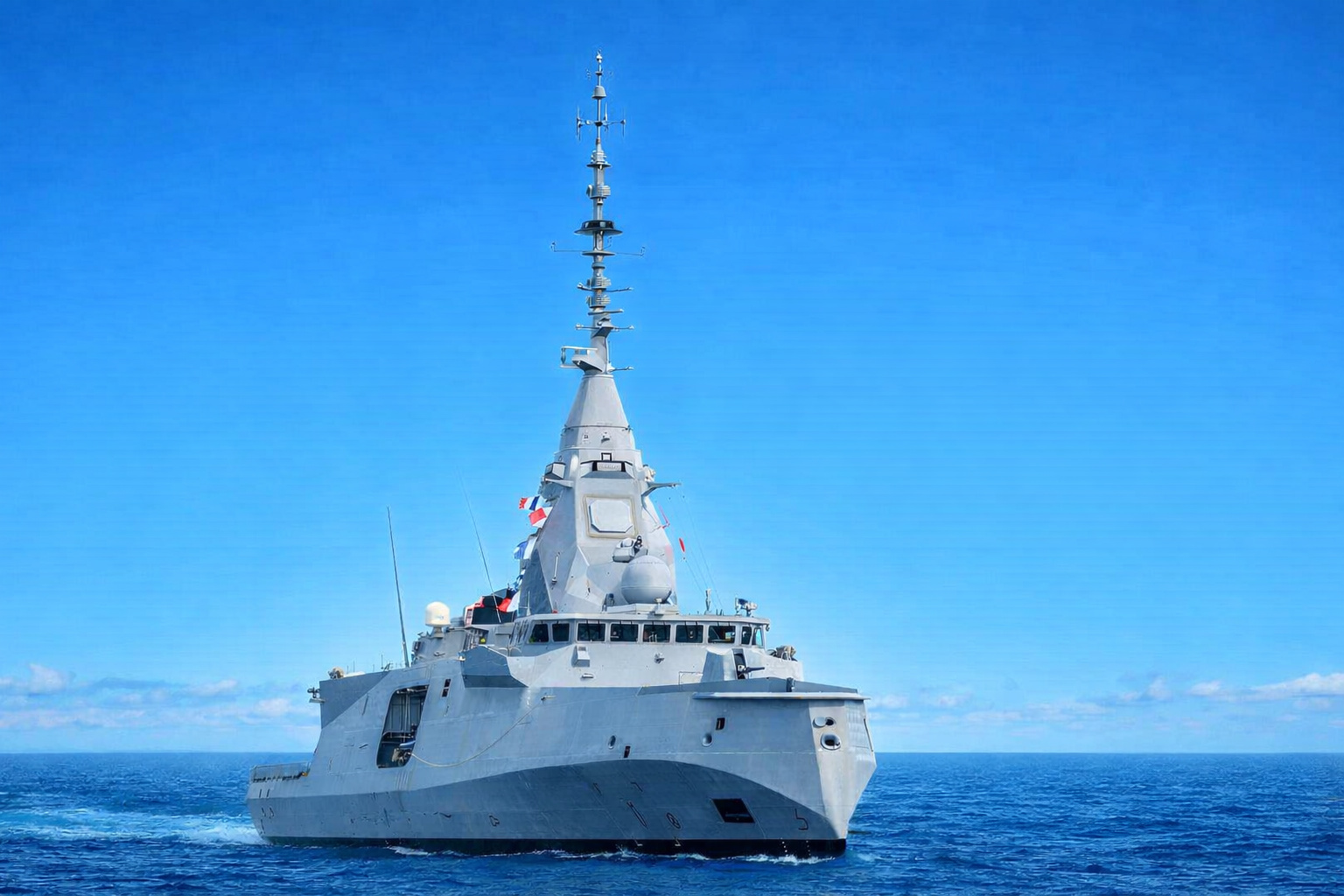
A 4,500-ton frigate with just over 100 crew members, state-of-the-art radar, and cruise missiles is being touted as the new standard of naval warfare in the 21st century.
-
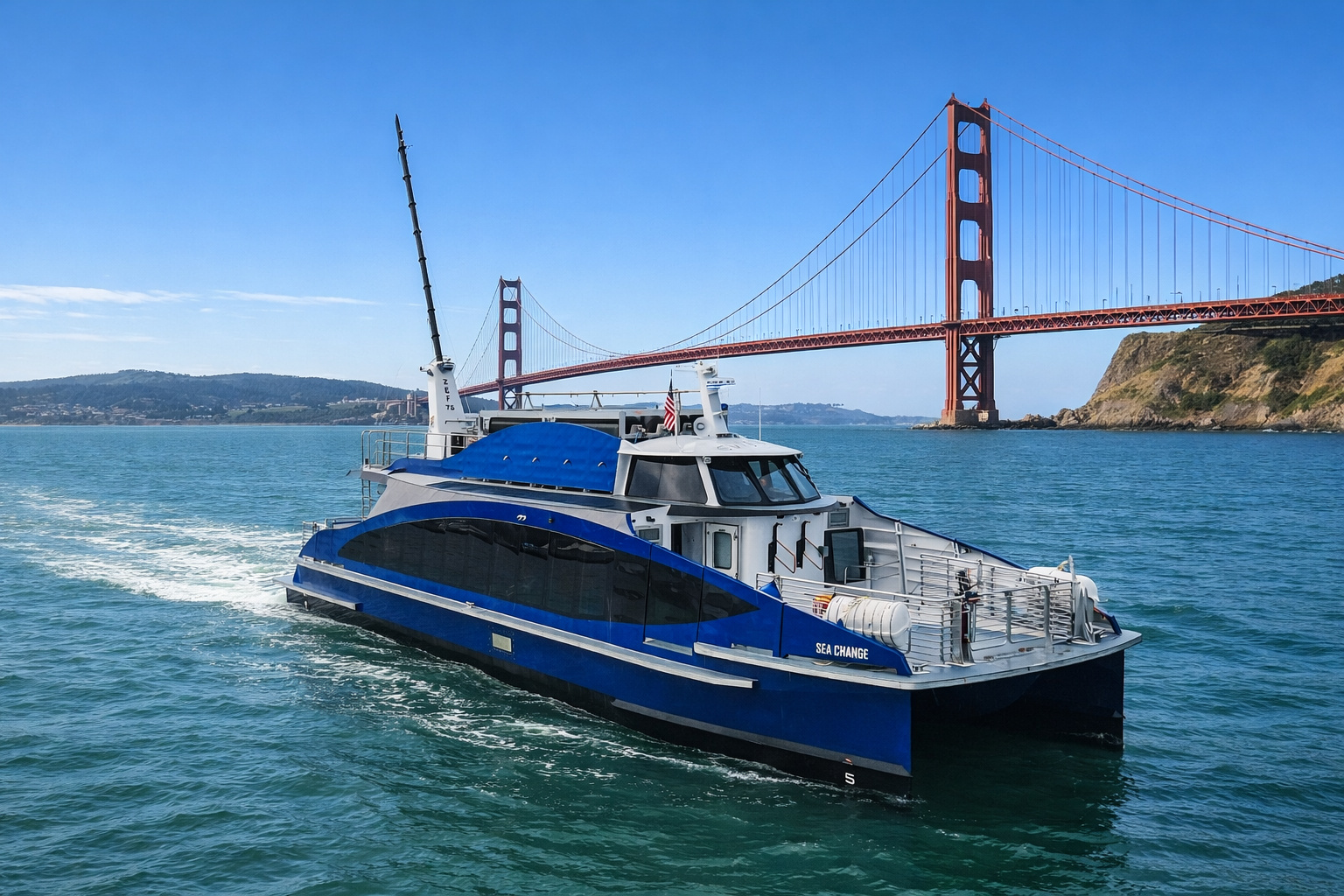
The first commercial hydrogen-powered ferry enters operation in the U.S., eliminates the use of diesel, uses fuel cells to generate clean energy on board, and transforms San Francisco Bay into a landmark of the new era of emission-free navigation.

Assembly And Internal Installations
As The Hull Takes Shape, Other Crucial Components Such As Engines And Ventilation Systems Are Installed. Simultaneously, Prefabricated And Furnished Cabins Are Strategically Inserted Into The Ship’s Design. This Method Not Only Accelerates The Construction Process But Also Ensures Safety By Reducing Fire Risk, With Magnetic Walls And Ceilings Facilitating Installation.
Finalization And Testing
With The Exterior Nearly Complete And The Interior In The Finishing Phase, The Ship Is Then Subjected To Sea Trials, Where Maneuvers Are Executed To Ensure Safety And Seaworthiness. After Final Adjustments, The Ship Is Delivered To The Home Port, Ready To Welcome Passengers Eager For An Unforgettable Journey.
Christening Ceremony
The Culmination Of The Construction Process Is The Christening Ceremony, Where A Guest Celebrity Breaks A Bottle Of Champagne Against The Ship’s Hull. This Act Not Only Serves As A Good Luck Ritual But Also Officially Marks The Start Of The Ship’s Operations.
The Shipyards, True Artists Of Shipbuilding, Transform Ideas Into Reality In Record Time, Demonstrating The Human Ability To Create Technological Wonders That Can Both Fascinate And Serve Society. The Construction Of A Cruise Ship Is A Testament To Human Ingenuity And Persistence, A Journey From Sketch To Ocean That Continues To Captivate The World’s Imagination. I Hope This Has Contributed A Bit On How Large Ships Are Built.






Seja o primeiro a reagir!