





 Portuguese
  English
  Spanish
  4 min of reading
  23 comments





An 18,755 km Journey Connects Portugal to Singapore, Combining Different Railways and Becoming the Largest Train Journey on the Planet.
The largest train journey on the planet does not happen on a single ticket or a continuous train, but through a carefully planned sequence of connections that traverse Eurasia. It takes 21 days of travel, 13 countries, and 18,755 kilometers of tracks that link Lagos, Portugal, to Singapore in Southeast Asia.
More than just a simple journey, this epic experience crosses cultural, historical, and geographical borders, passing through some of the world’s most iconic railways. For many travelers, this crossing represents the peak of railway adventure.
Where the Largest Train Journey on the Planet Begins and Ends
The route begins in Lagos, in the Algarve, one of the sunniest spots in Portugal, and heads towards Lisbon. From there, it crosses Madrid, Barcelona, and Paris before expanding eastward. The final destination is Singapore, a modern city-state and symbol of economic integration in Southeast Asia.
-
For decades, a 50-kilometer ring structure in the middle of the Sahara has puzzled scientists: visible from space, it reveals layers of millions of years and turns the desert in Africa into a geological mystery.

-
With an unusual prize, Japan transforms office chairs into a resistance race on the streets, the ISU-1 Grand Prix grows, fills events, and pays 90 kilograms of rice.

-
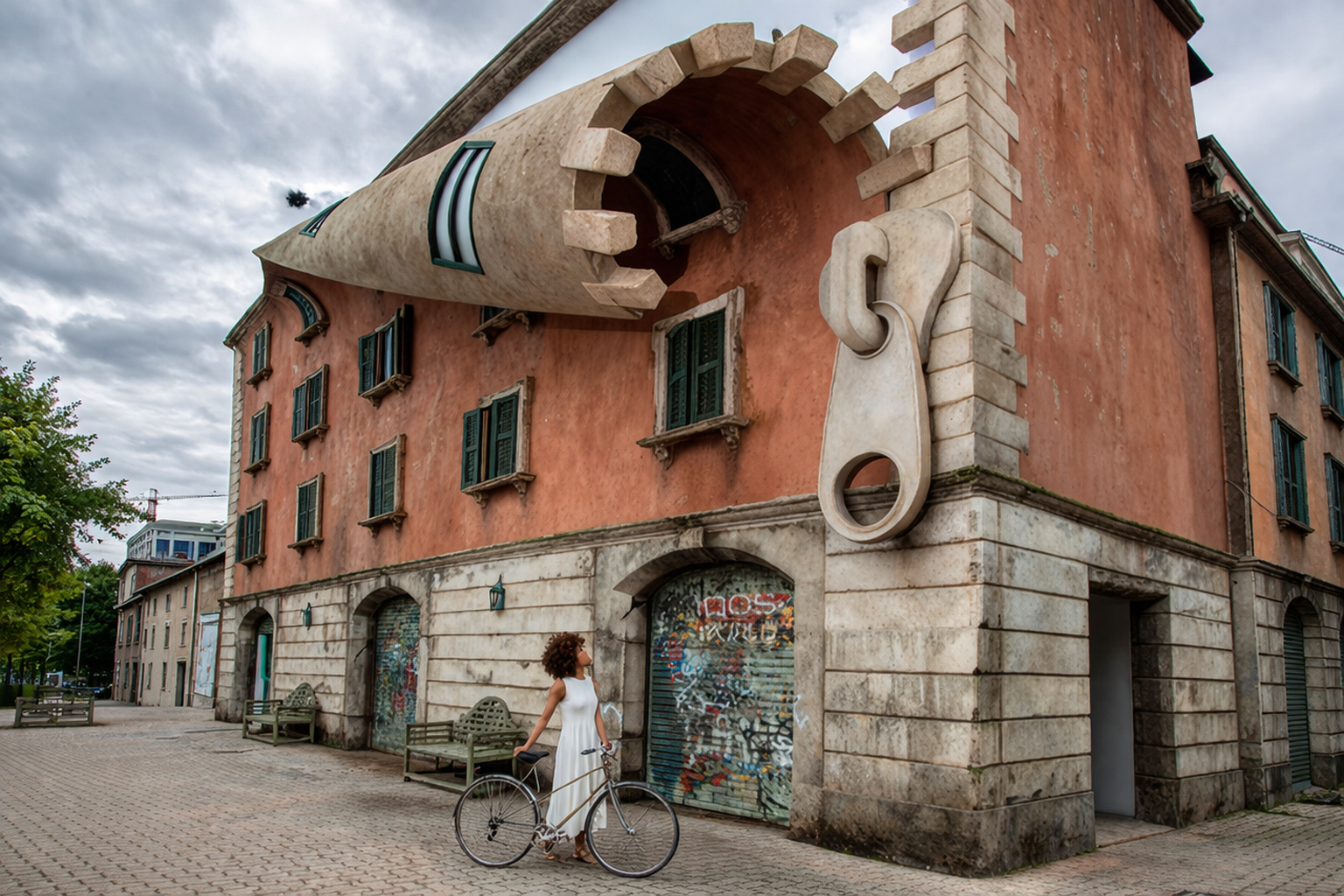
With a façade that resembles a giant zipper, the building in Milan creates a sense of strangeness, featuring lighting that transforms engineering and attracts the attention of residents and tourists.
-
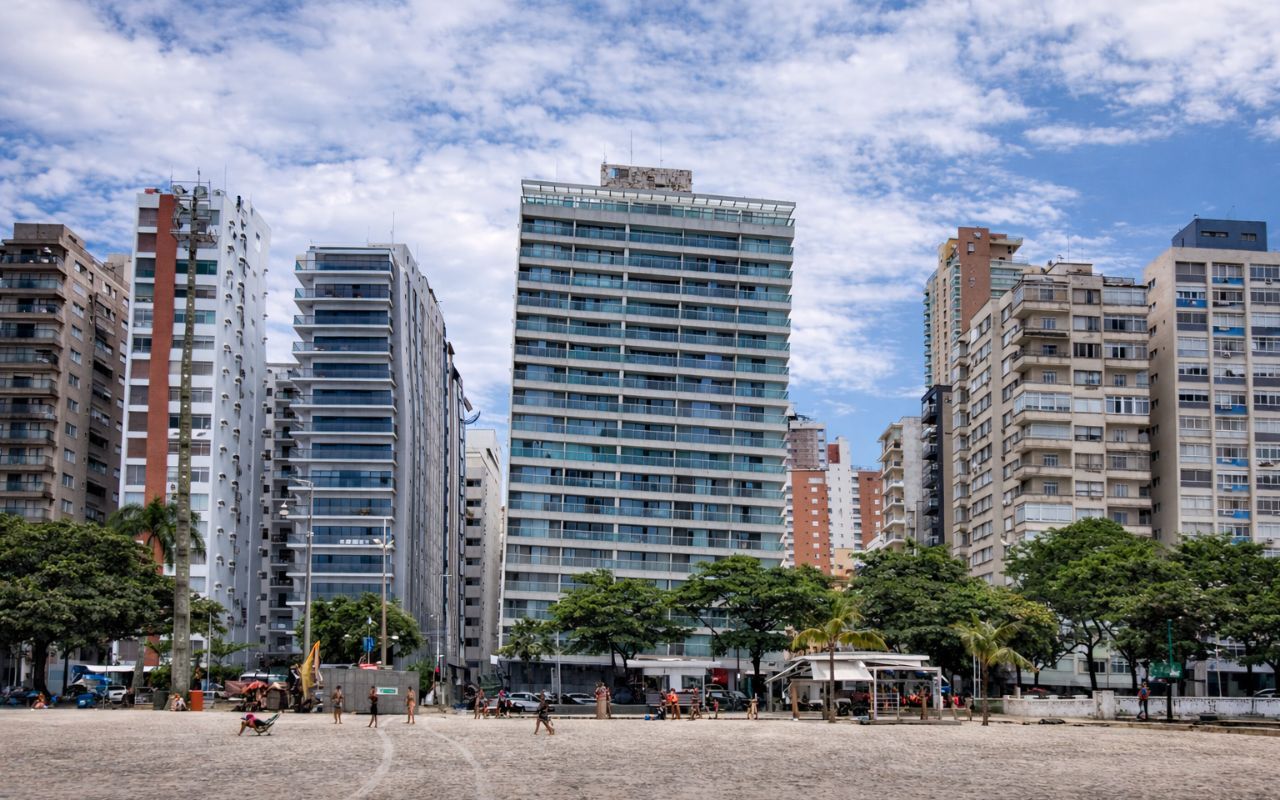
The Brazilian city has 319 crooked buildings built on sandy soil without proper deep foundations, houses the largest beach garden in the world, with over 5 km, and is still considered the birthplace of surfing — meet Santos, in São Paulo.

The monumental route adds up to nearly 19,000 kilometers and requires logistical discipline. There is no single train that covers the entire route: the traveler needs to switch trains multiple times, adjusting tickets, accommodations, and even border documentation.
Which Countries Are Part of the Route
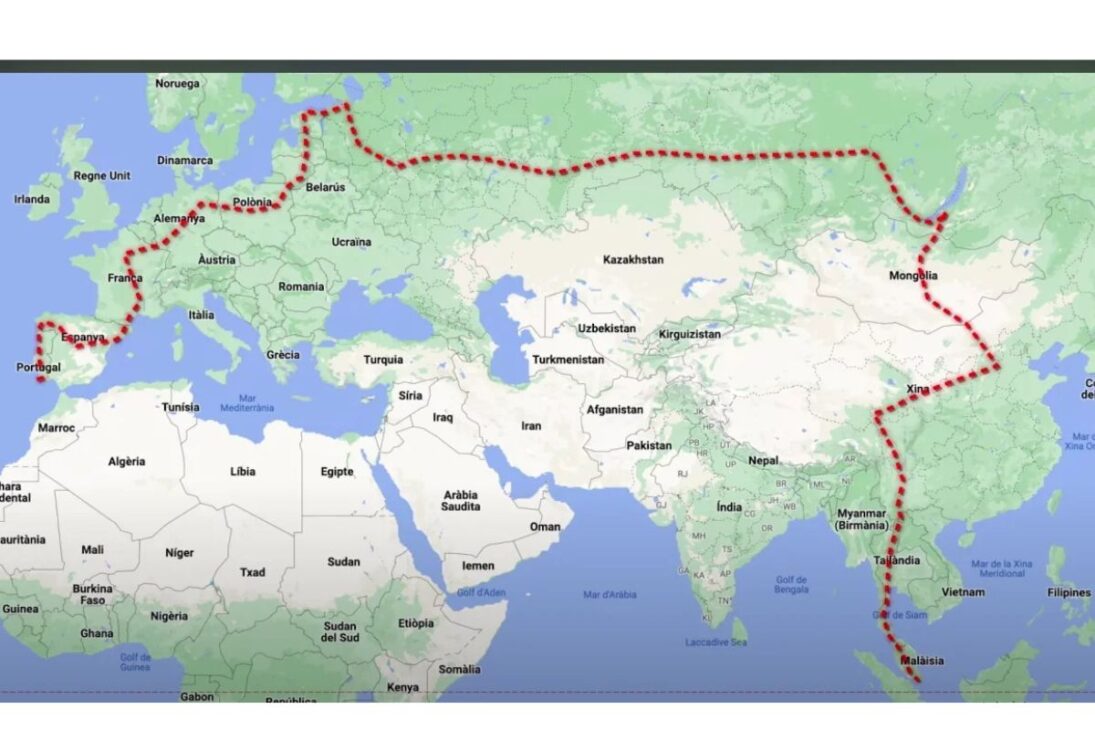
In total, 13 countries are crossed. The European leg includes Portugal, Spain, France, Belgium, Germany, Poland, and Belarus. In Asia, the journey continues through Russia, Mongolia, China, Laos, Thailand, Malaysia, and ends in Singapore.
Each of these segments adds a cultural layer to the experience. From historic European architecture to the dynamism of Asian metropolises, travelers encounter a mosaic of contrasts along the way.
The Importance of the Trans-Siberian Railway
The heart of the journey lies in the Trans-Siberian Railway, one of the largest engineering feats of the 19th century. With almost 9,300 km in length, this is the largest continuous segment of the trip, linking Moscow to the Russian Far East and taking about a week to traverse.
Built under extreme conditions, the Trans-Siberian continues to impress with its size and significance. For those embarking on the largest train journey on the planet, this is when the crossing gains intensity and becomes a true test of endurance.
The New Connections in Southeast Asia
After crossing Russia and China, the journey continues through Southeast Asia. The newest segment is the China-Laos Railway, inaugurated in 2021, which allowed integration to Vientiane. From there, the route extends through Thailand, crosses Kuala Lumpur in Malaysia, and reaches the final destination in Singapore.
These modern connections enable the journey to be continuous, eliminating the need for planes. It reflects how investments in infrastructure transform previously unimaginable routes into accessible experiences for determined travelers.
How Much It Costs and How to Plan
The cost of the journey can exceed R$ 7,000 just for train tickets, excluding accommodation, food, and visas. The final amount depends on factors like the chosen class, how far in advance tickets are purchased, and the stops made.
In addition to expenses, planning requires attention to practical details: checking visa requirements in each country, anticipating overnight stays in strategic cities, and organizing connections between different railway companies. Improvisation is not an option when it comes to the largest train journey on the planet.
An Experience for Those Who Value the Journey
The crossing from Lagos to Singapore is neither practical nor quick, but it offers something rare: the chance to cross continents while observing the gradual change of landscapes, languages, and cultures. It is an experience that privileges the journey, not just the destination.
Over 21 days, the traveler witnesses the diversity of the Old World and Southeast Asia, discovering how railways can still unite peoples and histories in the 21st century.
The largest train journey on the planet is a challenge that mixes logistics, endurance, and fascination. It requires time, resources, and preparation, but in return offers one of the most remarkable experiences in global tourism.
And you, would you take on a 21-day journey of 18,755 km crossing 13 countries without using a plane? Or do you prefer shorter, more straightforward trips? Share your thoughts in the comments; we want to hear from those who imagine themselves on this epic adventure.







Um sonho! Mas requer muito planejamento se pensado individualmente e; deve ser muito caro contratar esse serviço: embarques, transposições, conexões, documentos, etc
Tenho um sonho de realizar este percurso
Seria perfeito o pacote completo. Eu gostaria de saber também.