





 English
  Francês
  Alemão
  Italiano
  Japonês
  Norueguês
  Portuguese
  Spanish
 3 min of reading


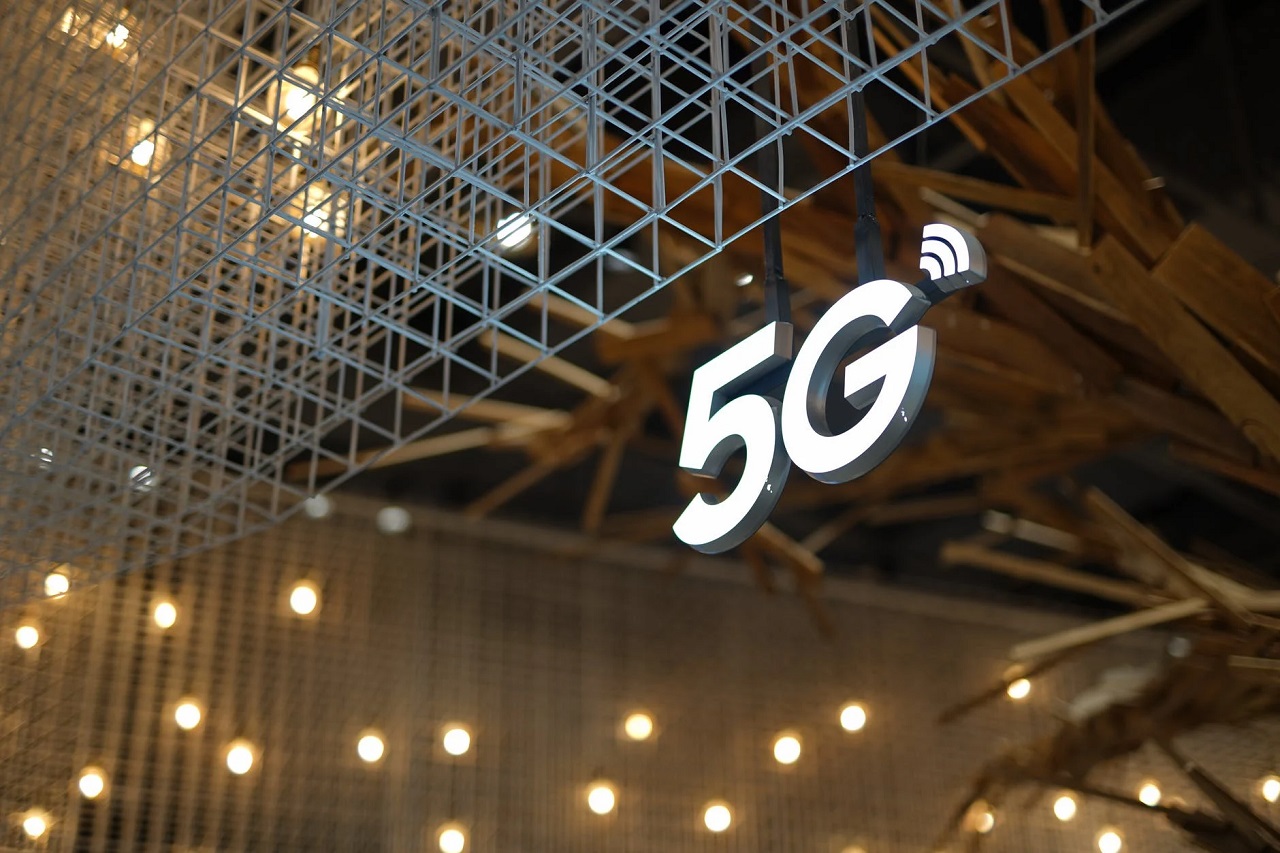
Huawei Just Inaugurated Its First Smart Manufacturing Factory, Now Utilizing 5G Technology. The Factory Is Located in SP and Will Feature Increased Productivity Due to the Use of AI, IoT, and Other Technologies.
Huawei inaugurated, last Wednesday (30), the Huawei Local EMS Factory, in Jundiaí (SP), the first smart manufacturing factory that uses 5G technology in its applications within the production process. The space has been fully equipped with artificial intelligence, IoT, and cloud technology, with the mission of expanding production efficiency and productivity. To connect the 30,000 m² area, physical cabling structures were removed and 14 5G antennas were installed.
Huawei’s Smart Factory in SP Ensures Increased Productivity and Employee Safety
In this unit, various equipment will be manufactured, such as base stations, controller boards, processing boards, and several others. According to Tiago Fontes, ecosystem and marketing director at Huawei, the operational model used in the smart factory, which utilizes 5G technology, is expected to be used in other factories in Brazil to help boost the national industry, considering that this is the only technology capable of supporting connectivity between machines.
Among the main innovations of the unit in São Paulo, there are cameras with artificial intelligence, which are used both to monitor production and ensure that employees and the work environment remain safe. These devices can detect errors on the assembly line, the presence of strangers in the area, and also the lack of PPE.
-
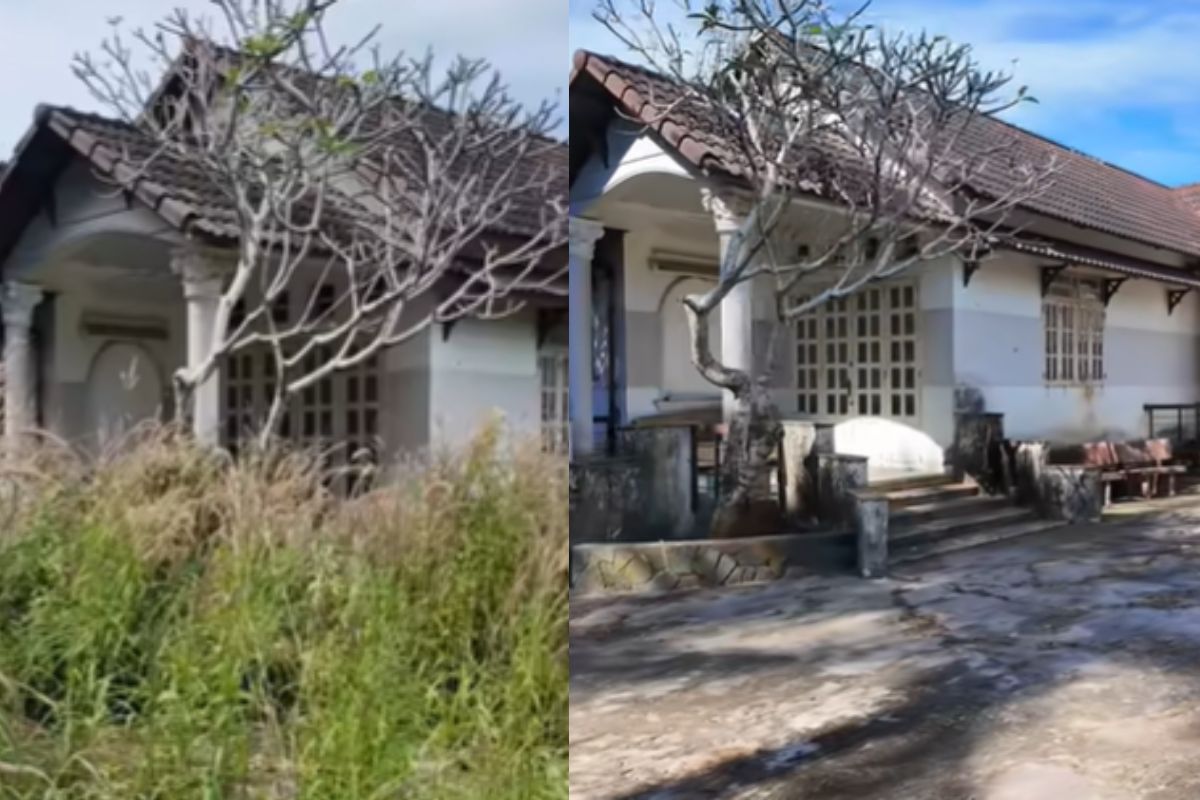
Abandoned house for 15 years disappears in the woods, shocks owner with unrecognizable scenery and is reborn in an intense transformation after almost 90 hours of work in just 10 days.
-
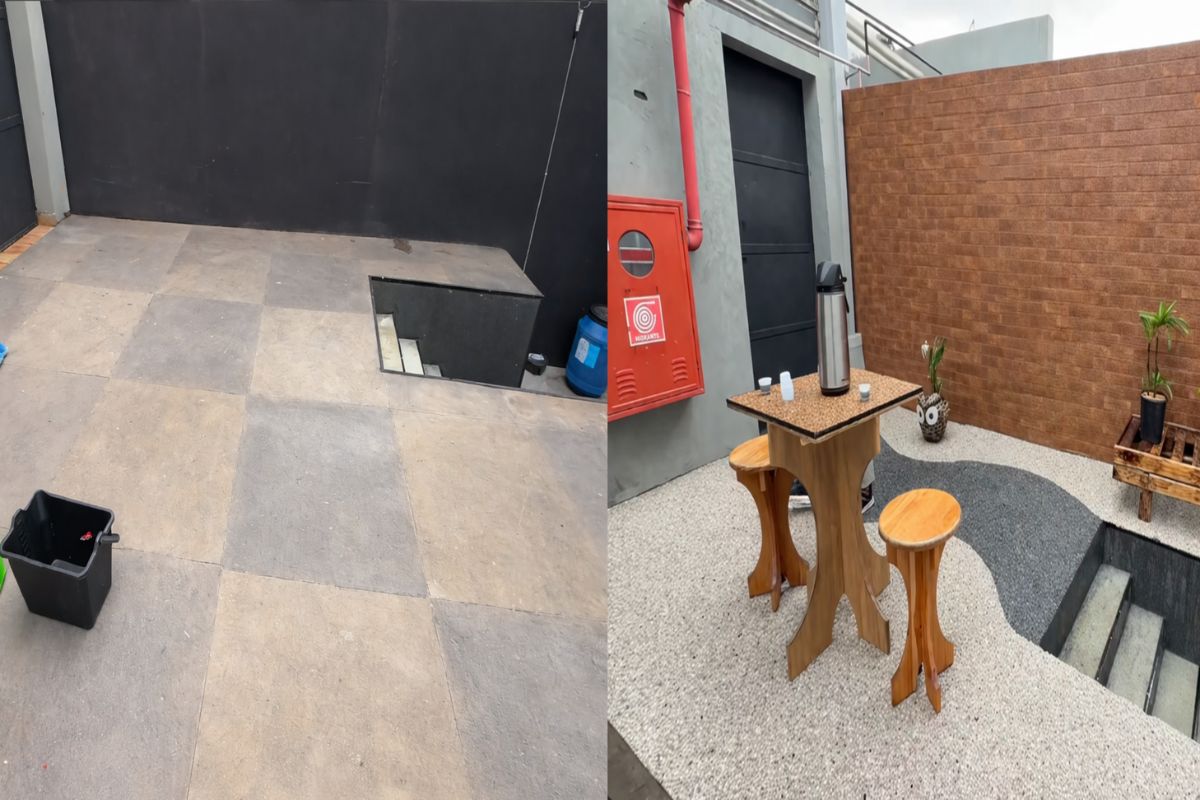
In just three hours, a natural stone floor transforms the entrance of the house with an organic effect, immediate drainage, and a sophisticated non-slip finish that doesn’t puddle water, dries quickly, and impresses with the final result.
-
‘Interlocking brick’ made of earth arrives in the construction industry with cost reductions of up to 40% on the project.

-
Espírito Santo will receive the largest engineering project in its history with the duplication of BR 262, which will have 50 viaducts, 28 bridges, and 2-kilometer tunnels cutting through the most challenging mountainous region of the entire state.


Augmented reality is also another differential used in Huawei’s new smart factory in SP. Machine maintenance, for example, is performed through the use of augmented reality glasses. With them, teams can perform a complete checklist of the equipment and report information in real time to the operations center.
Huawei Also Updates Distribution and Logistics Center with 5G Technology
In addition to the smart factory, Huawei also has a distribution and logistics center of 22,000 m², located in Sorocaba, in the interior of SP. The unit received private 5G technology coverage in August of last year, obtained shortly after authorization from the National Telecommunications Agency (Anatel).
In total, there are 12 antennas capable of connecting around 300 smart devices, such as autonomous guided vehicles, cameras with artificial intelligence, autonomous forklifts, and radio frequency devices.
Since then, tasks such as transporting raw materials and equipment have been carried out by robots with artificial intelligence, which resulted in a 25% increase in operational efficiency and a reduction in the production cycle from 17 hours to just 7 hours.
Get to Know Huawei
Huawei is an independent privately held company that provides information and communication technology (ICT), serving three main types of clients worldwide: telecommunications operators, who provide internet services, wireless networks, and broadband, as well as mobile and fixed telephony services; enterprises, institutions, organizations, governments, and public services, along with the finance, transportation, energy, and manufacturing sectors; and finally, consumers who purchase its smartphones, smartwatches, and other devices. Everything the company develops and sells to its customers is reliable and secure, and this has been consistent throughout its 30 years of history.
The company was founded in 1987 in Shenzhen, southern China, with an initial capital of around 21,000 RMB. Since then, the company has grown and become the largest global supplier of telecommunications equipment and the second-largest smartphone manufacturer in the world. Currently, the company employs 194,000 people in about 170 countries.







Seja o primeiro a reagir!