





 Portuguese
  English
  Spanish
 3 min of reading


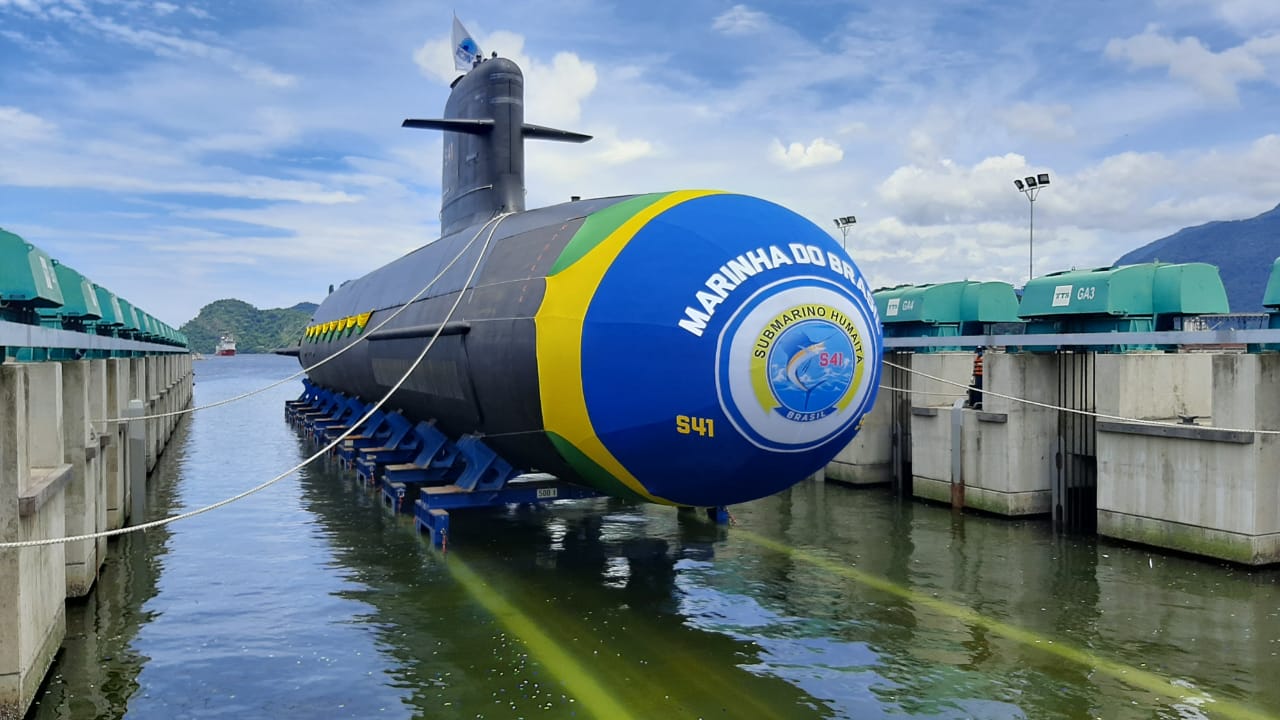
The Navigation Tests Conducted by the Submarine Humaitá in Southern Rio de Janeiro Brought Great Advances for the Verification of the Systems. The Testing Phase of the Propulsion at Sea Precedes the Dynamic Immersion and Verifies Navigation Safety.
The development of the Humaitá submarine project, which will be delivered to the Brazilian Navy in the future, is looking quite positive for this Friday, (12/23). This is because last week the navigation tests and propulsion verification of the vessel took place on the southern coast of Rio de Janeiro. This is a way to verify the safety and quality of the systems in independent navigation, also involving training conducted with the submarine crew.
Evaluation of Surface Navigation of the Second Prosub Unit Took Place in Southern Rio de Janeiro, with Major Tests Conducted on the Humaitá
Between December 12 and 16, the evaluation of surface navigation of the second unit of the Submarine Development Program (Prosub) took place on the southern coast of Rio de Janeiro.
The navigation tests and propulsion verification phase at sea of the Humaitá submarine precedes the dynamic immersion phase, so the vessel can then be delivered to the Brazilian Navy.
-
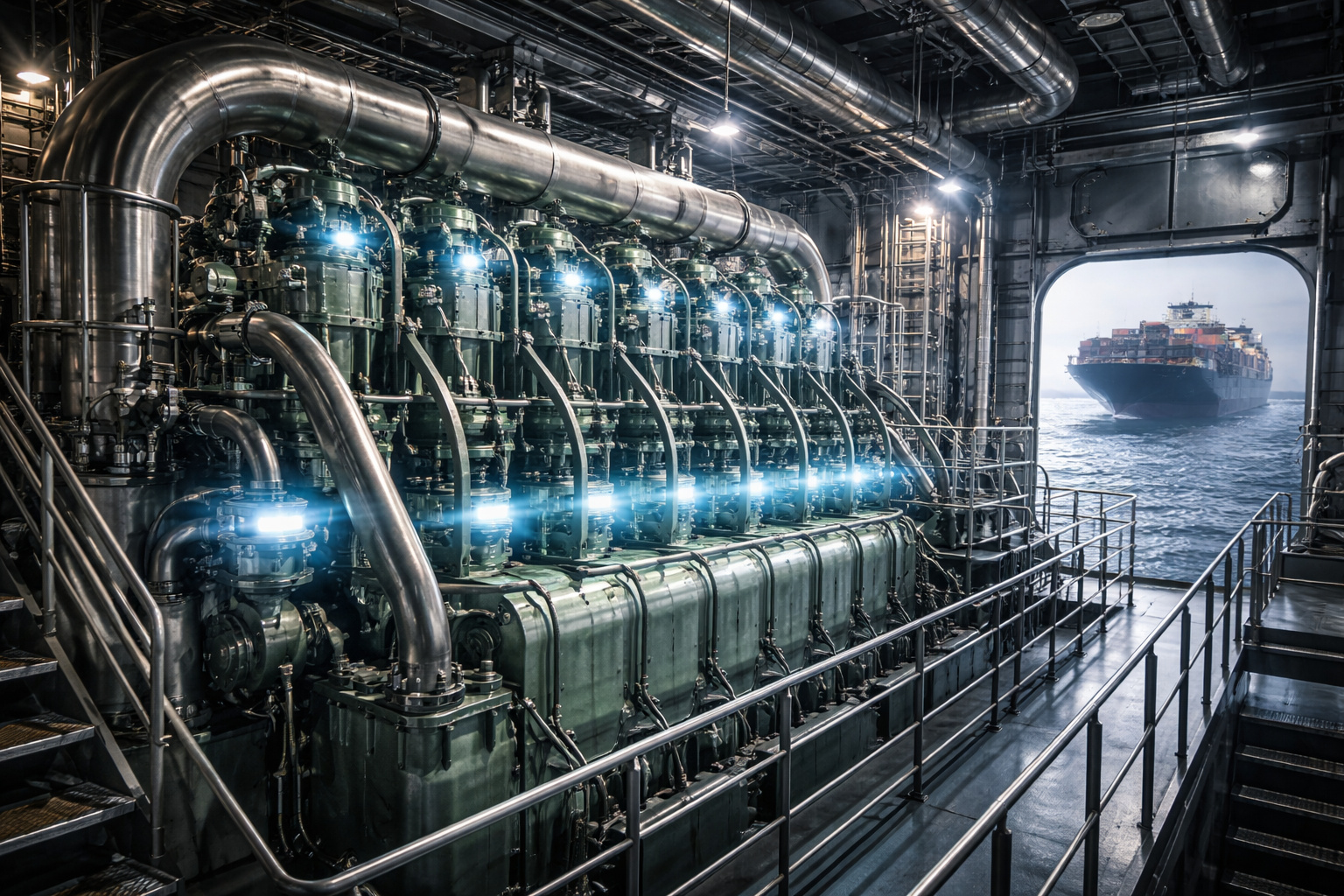
Europe is trying to create an ammonia-powered marine engine without auxiliary fuel, which could unlock the race for giant emission-free ships. The technology aims to eliminate one of the biggest obstacles to clean maritime propulsion.
-
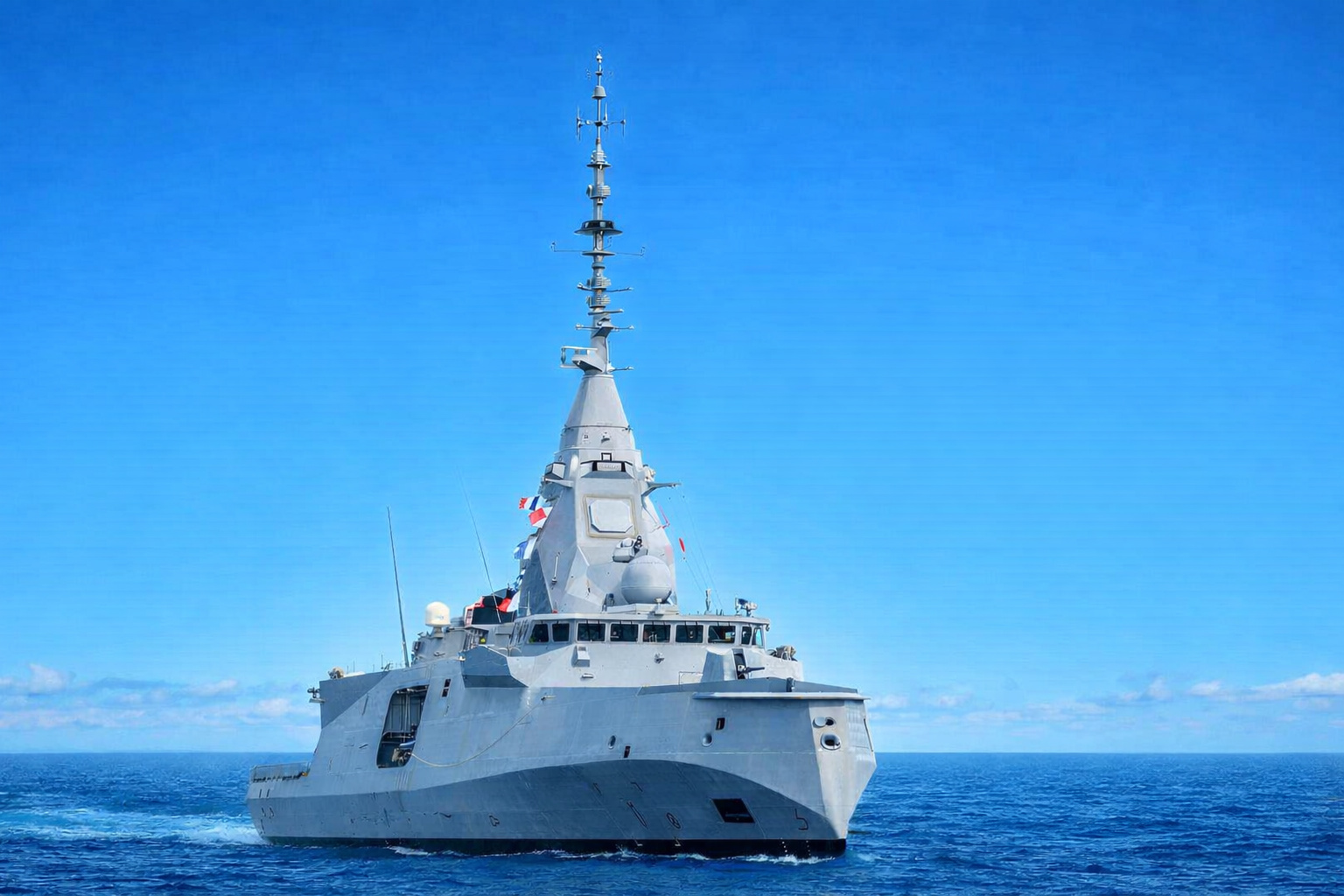
A 4,500-ton frigate with just over 100 crew members, state-of-the-art radar, and cruise missiles is being touted as the new standard of naval warfare in the 21st century.
-
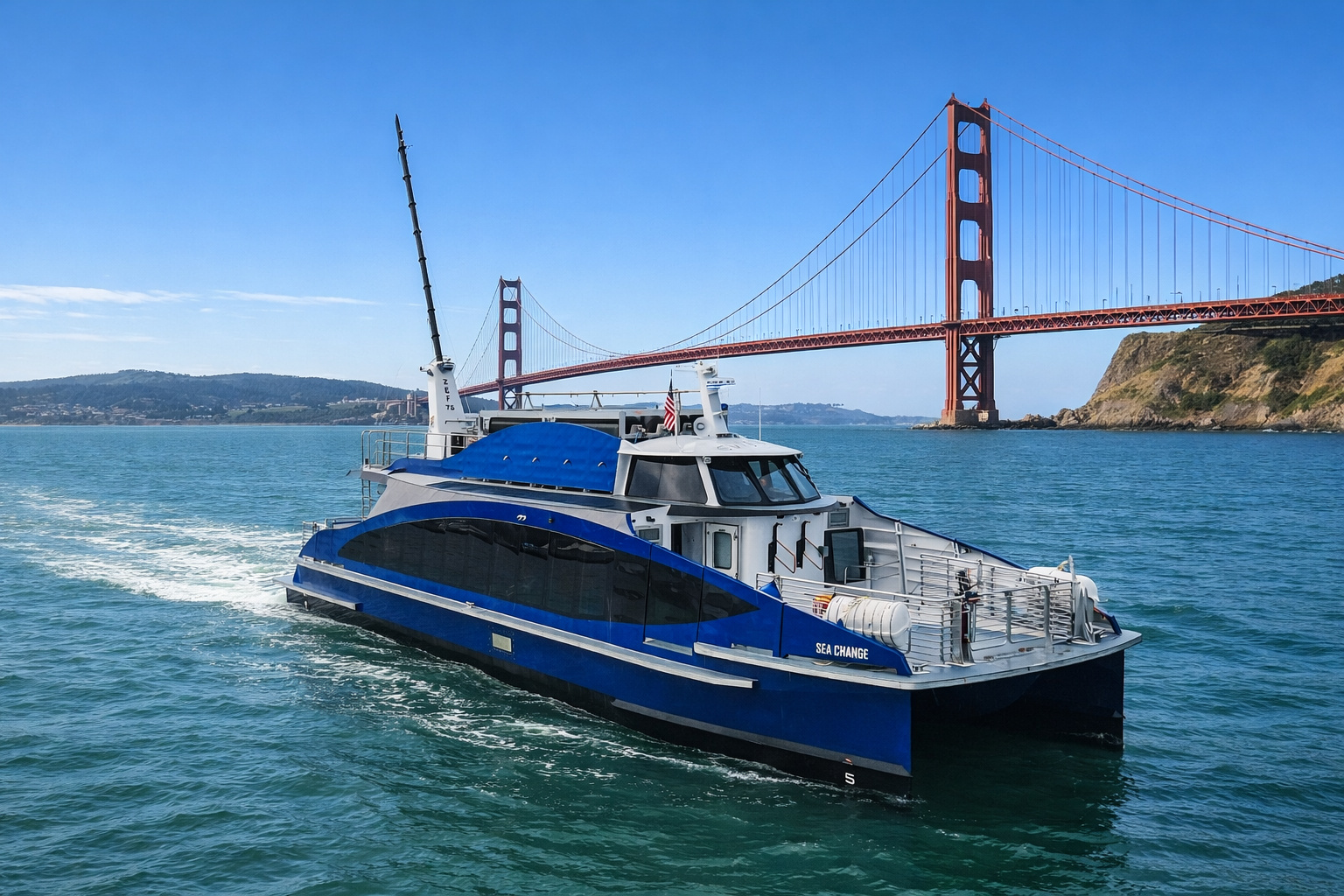
The first commercial hydrogen-powered ferry enters operation in the U.S., eliminates the use of diesel, uses fuel cells to generate clean energy on board, and transforms San Francisco Bay into a landmark of the new era of emission-free navigation.
-
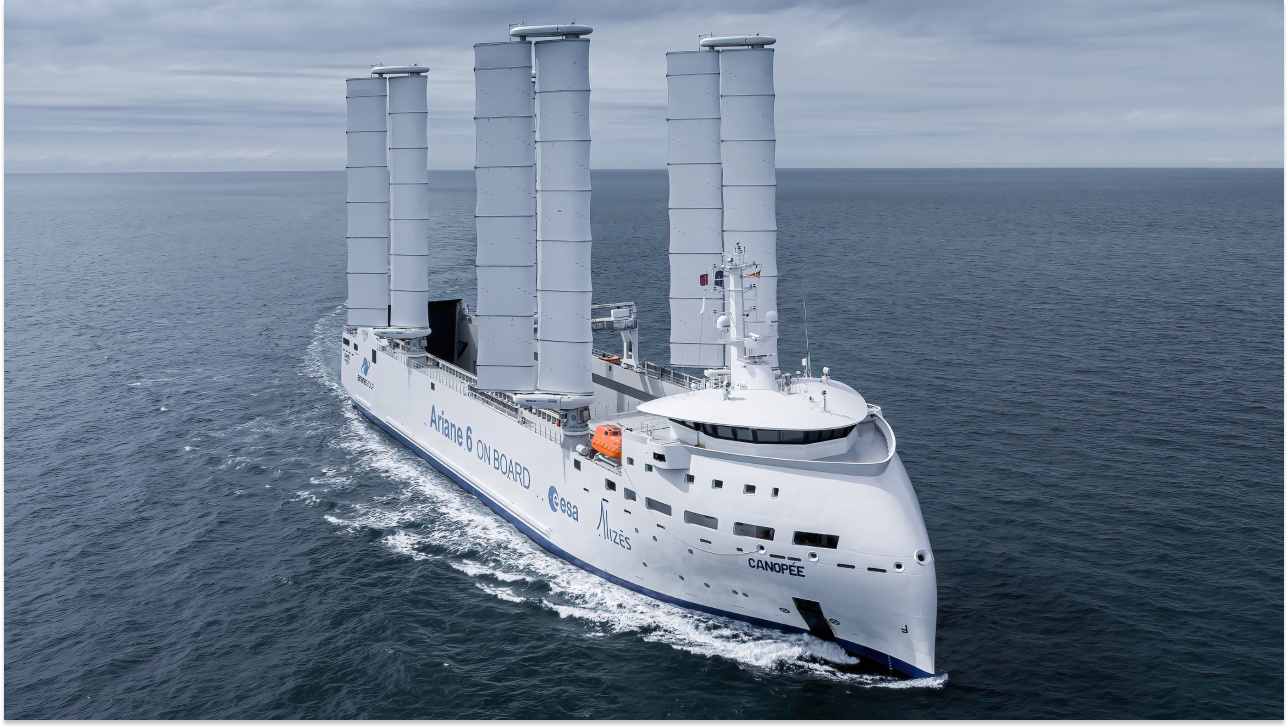
With a length of 121 meters and four rigid sails of 36 meters that automatically rotate to capture the wind, Canopée is the world’s first hybrid industrial cargo ship powered by wind, used to transport rockets and reduce fuel consumption by up to 30% on transoceanic routes.

The project for the delivery of the new submarine to the fleet of the organization is scheduled to be delivered in the second half of 2023.
During the navigation phase of the Humaitá, several of its systems were tested and verified, including: propulsion, operation of the rudders in all modes, navigation systems, battery charge, communication system, and surface autonomy.
Additionally, training sessions were conducted with the vessel’s crew to ensure even more safety and control during navigation.
“The main objective of this sea outing was to carry out the first independent navigation and to fulfill a test package that will ensure the safe navigation of the submarine on the surface for the next outings and sea tests planned in the construction process of the Humaitá submarine until its delivery,” stated Frigate Captain Martim Bezerra de Moraes Junior, commander of the Humaitá.
Dynamic Immersion and Deep Immersion Will Be the Next Tests Conducted on the Humaitá Submarine for the Delivery of the Vessel to the Brazilian Navy
The last months of 2022 were quite important for the development of the Humaitá project, with several operational tests successfully conducted.
During the month of August, the submarine conducted operational floating, which defines the beginning of the last phase of the construction project, certifying that the submarine’s safety and operation systems are qualified to operate at sea.
In November, the Humaitá began and completed its static immersion test phase, with positive results for operations.
Now, after the propulsion tests at sea during navigation conducted in Rio de Janeiro last week, the Brazilian Navy confirmed that only two stages of the testing process are remaining.
These are the dynamic immersion test and deep immersion test, which verify the viability of navigation under these conditions.
The Humaitá is the fourth submarine of the diesel-electric propulsion vessel project of Prosub. In addition to it, the Tonelero (S-42) and the Angostura (S-43) will be delivered in the second half of 2023.
The last of the four submarines of the project was delivered to the Brazilian Navy in September of this year, the Riachuelo (S-40).
Thus, the agency continues to invest and seek improvements for the Brazilian naval sector in 2023.








Seja o primeiro a reagir!