





 Portuguese
  English
  Spanish
  3 min of reading
  0 comments


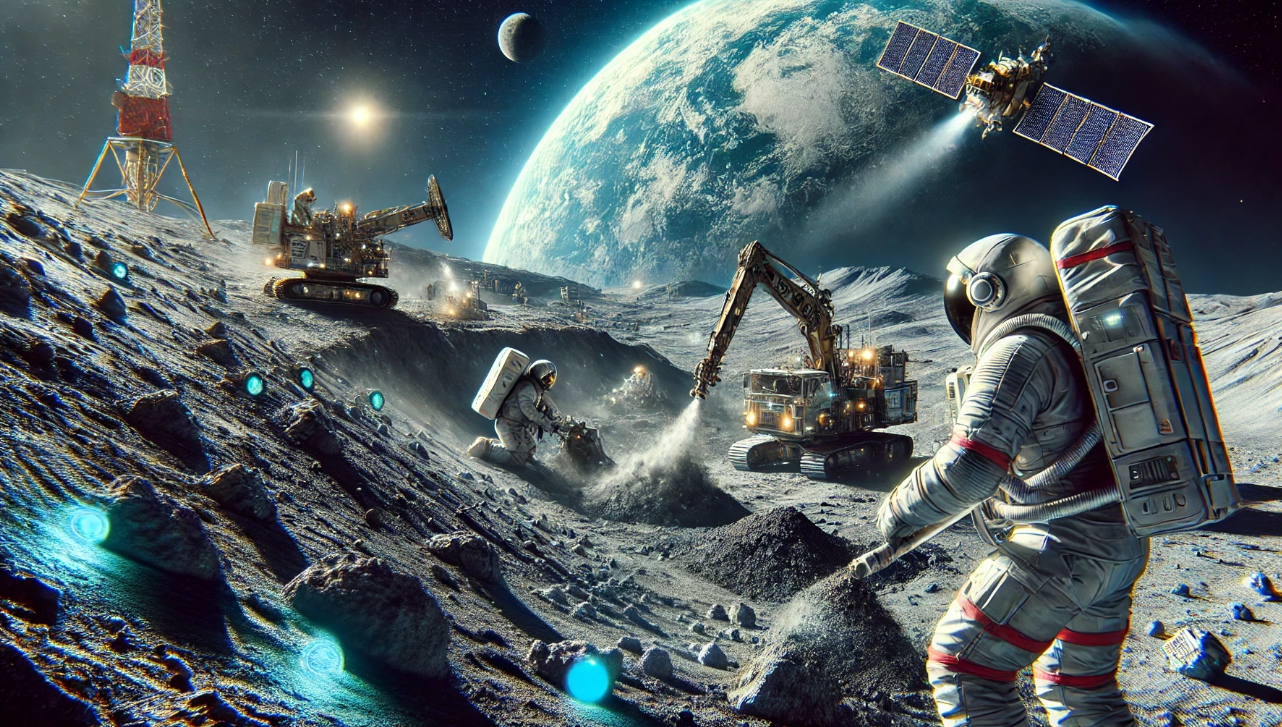
With the Possibility of Lunar Mining Getting Closer, Ethical, Environmental, and Technological Issues Arise That We Need to Consider Before Moving Forward.
By the end of this decade, countries and private companies may start to explore the natural resources of the lunar surface. The prospect of mining on the Moon raises urgent questions: what impact will this have on Earth and the future of humanity in space?
Before we take the next step, it is essential to reflect on the rules and responsibilities involved in this endeavor. Here are four key questions to consider:
Why Mine the Moon?
The NASA Artemis program, estimated at billions of dollars, goes beyond sending astronauts to the Moon. It aims to establish the foundations for mining operations on the natural satellite.
-
While the world looks at oil, the war with Iran is already disrupting helium supply from Qatar, affecting car and iPhone chips, threatening AI expansion, and putting pressure on aluminum packaging at the highest value in four years.

-
Global warming will expose a treasure hidden under the ice of Antarctica and may spark an international dispute over gold and valuable minerals.

-
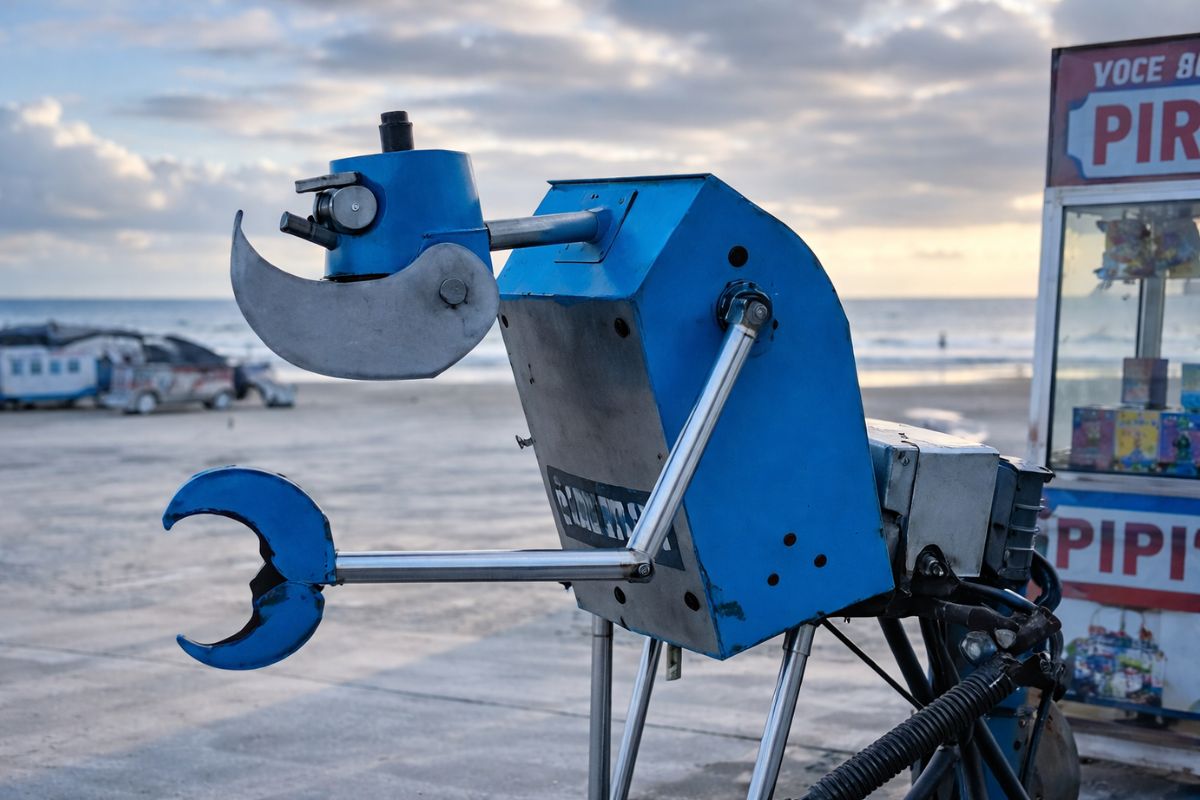
A street vendor from Praia Grande built a robot made of scrap from scooters and washing machines that pulls his popcorn cart on the beach, emits sounds, and interacts with customers, becoming an attraction on the coast of São Paulo.
-
The specifications of the Xiaomi 18 Pro Max have been leaked, and the highlight is a dual 200 MP camera with a new 22-nanometer technology that promises to consume less energy and capture details in shadows and bright areas using LOFIC HDR.


Leading this space race is also China, while private companies compete to discover how to extract and commercialize lunar resources.
For example, water is an incredibly valuable resource in space. A liter of water sent to the Moon costs more than gold. Transforming lunar ice into hydrogen and oxygen could enable spacecraft refueling, reducing costs and facilitating missions to Mars.
Additionally, the rare metals found on the Moon could meet the growing technological demand on Earth, alleviating pressure on terrestrial reserves.
Can Mining Change How We See the Moon from Earth?
Extracting materials from the lunar surface raises dust — literally. Without an atmosphere to contain movement, dust can spread over large distances, altering the Moon’s appearance when viewed from Earth. This dust, worn by space, may make certain areas brighter or duller.
Even small-scale operations can have visual impacts over time. Managing this dust is one of the main challenges to ensure that mining is sustainable and minimally disruptive to the lunar landscape.
Who Owns the Moon?
Since 1967, the Outer Space Treaty prohibits any nation from claiming ownership of the Moon. But the issue complicates when it comes to private companies extracting resources.
The Moon Treaty of 1979 declares lunar resources as the common heritage of mankind, while the Artemis Accords of 2020 allow mining without territorial claims.
For many, these guidelines are insufficient. Some argue that profits from lunar mining should benefit all nations, not just the countries or corporations that reach the Moon first.
What Would Life Be Like for Miners on the Moon?
Lunar mining will not be without challenges — especially for the workers involved. The scenario may include grueling 12-hour shifts, extreme conditions of heat and cold, and a highly dangerous environment.
In reduced gravity, miners would face health risks such as bone loss, kidney and cardiovascular damage, and compromised immunity. Exposure to radiation also increases the risk of cancer and infertility.
Prolonged isolation and psychological stress would be aggravating factors, without the presence of regulatory bodies nearby to ensure workers’ rights. British astrobiologist Charles S. Cockell warns that space could become a breeding ground for tyranny, where powerful individuals exploit the most vulnerable with no escape.
Caution and Planning
The Moon represents a grand promise, both as a springboard for space exploration and as a source of valuable resources for humanity. But before we venture into this territory, it is essential to establish robust regulations that protect both human rights and the balance of outer space.
History has already shown the dangers of unchecked exploitation. Now, it is up to humanity to decide how to ensure that the Moon remains a symbol of inspiration — and not another scene of conflict or unrestrained exploitation.





Seja o primeiro a reagir!