





 Portuguese
  English
  Spanish
 4 min of reading
  0 comments


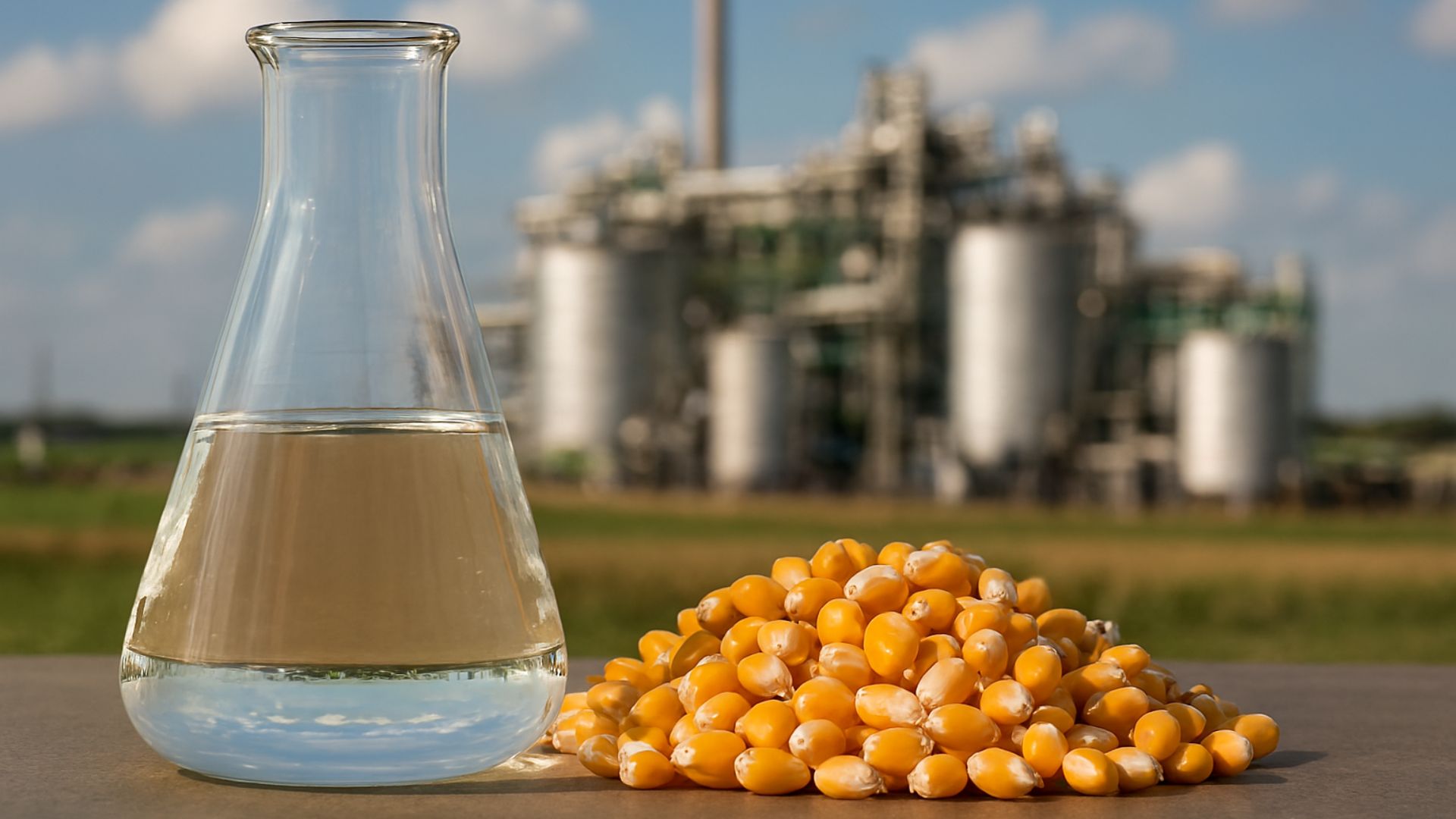
Hydrographe’s Announcement in December 2025 Confirms Billion-Dollar Investment in New Corn Ethanol Plant in Paraná, Expanding Biofuel Production and Strengthening Bioenergy Growth in the Country
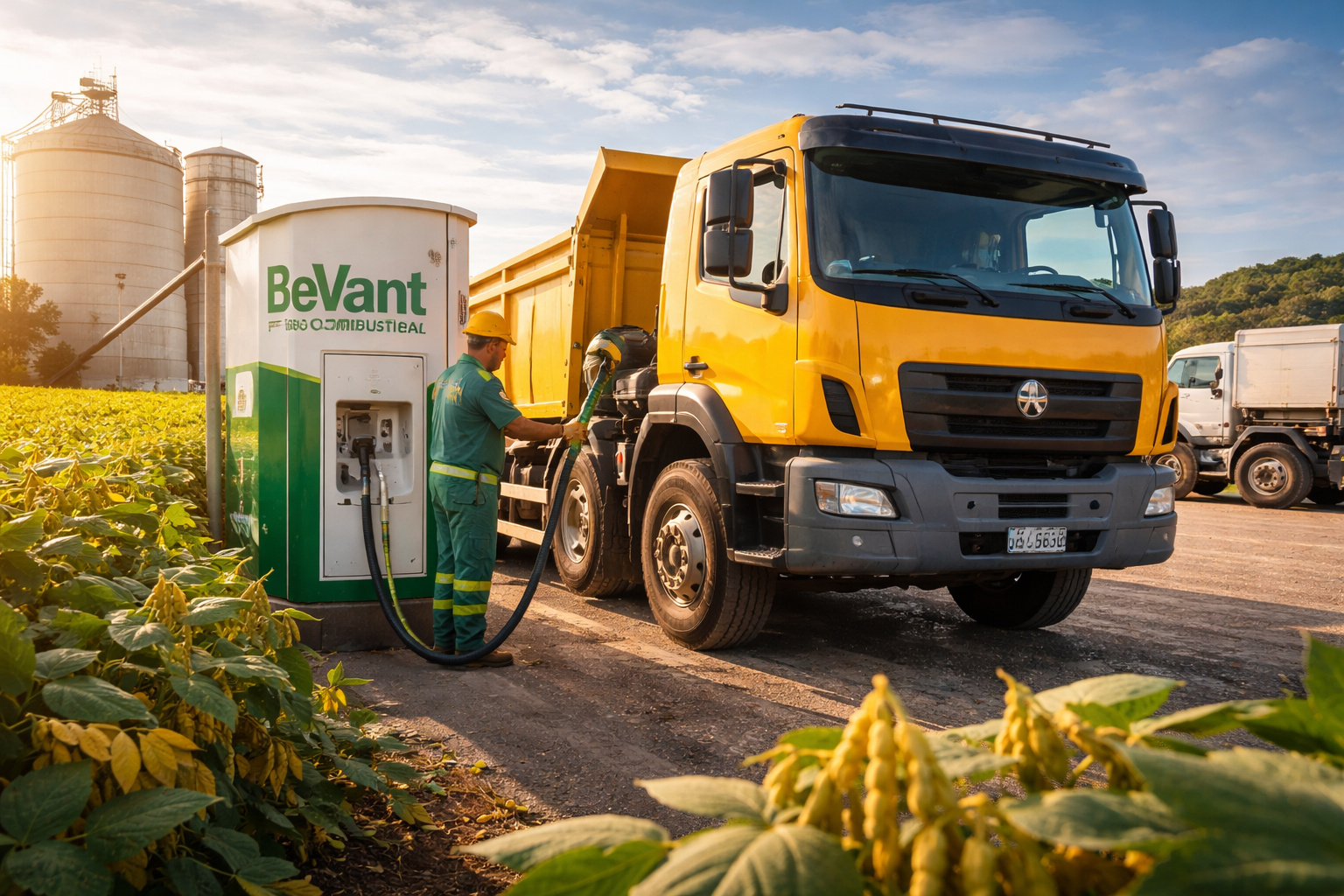
Hydrographe S.A., a company based in Mato Grosso, announced on December 1, 2025, an investment of approximately R$ 1.18 billion to build a corn ethanol plant in the municipality of Toledo, in Paraná. The project was announced at an official event with local authorities and industry representatives, marking the company’s expanding presence in the biofuel segment. According to a report by Globo Rural, the announcement represents one of the largest recent industrial investments in western Paraná. The venture strengthens not only the corn supply chain but also the regional strategy for bioenergy expansion in Brazil.
The Growth of Hydrographe and Its Bet on Biofuels
According to information released by regional portals that covered the event, the plant will be installed on a 60-hectare plot leased by the company near the Luiz Dalcanale Filho Municipal Airport. The expectation is that construction will begin after environmental licenses are granted.
Hydrographe has been seeking to expand its operations in renewable energy segments, keeping up with national and international decarbonization trends. Although the company is not yet among the largest groups in the sector, it has been aggressively moving to secure a position in the corn ethanol supply chain.
-
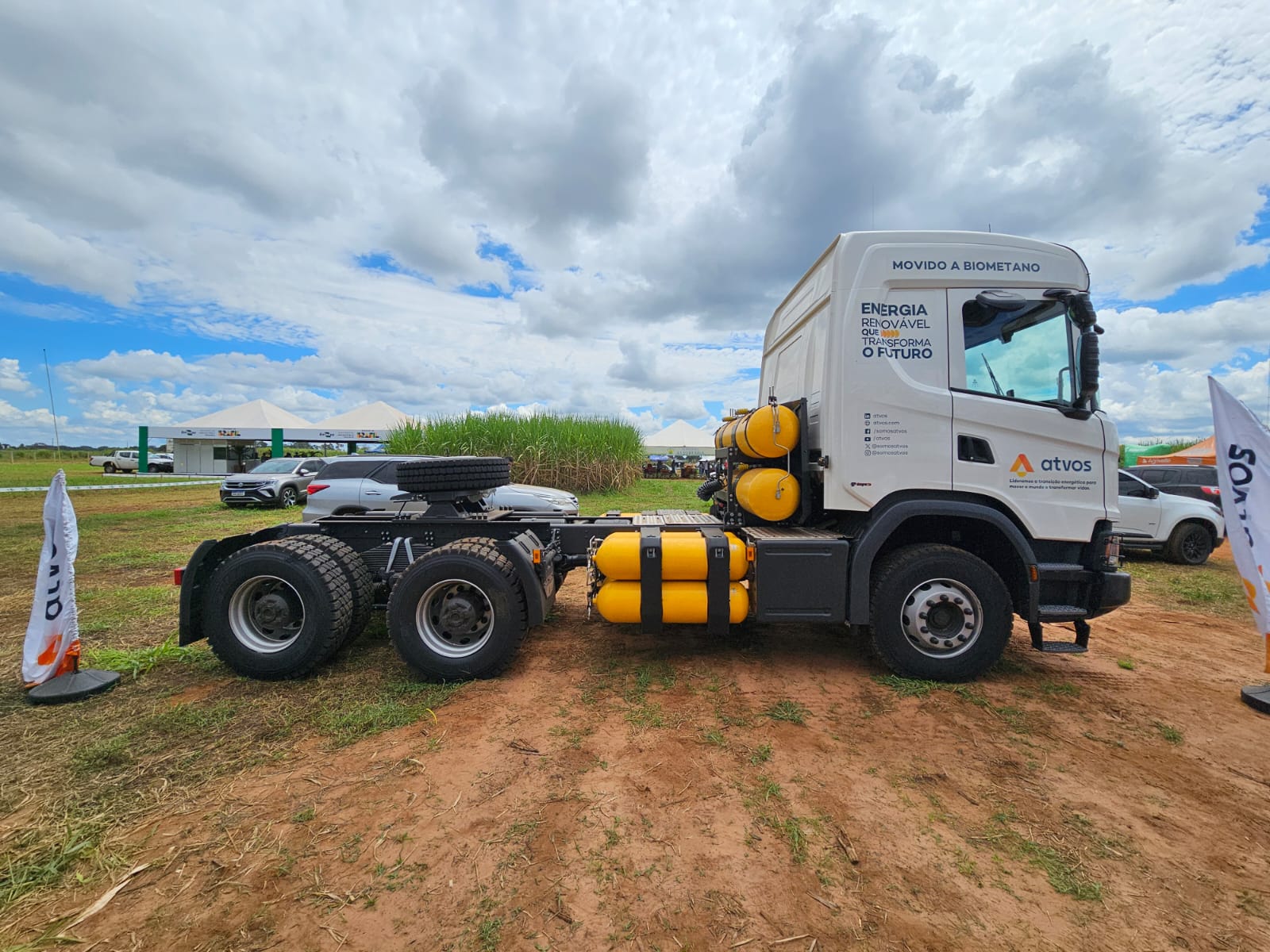
Revolution in public transport: Goiânia puts into circulation the first articulated buses powered by biomethane in Brazil and promises to drastically reduce pollution on the Anhanguera Corridor.

-
From the field to the pipelines: Mato Grosso do Sul accelerates the energy transition and consolidates a new axis in renewable energy with the arrival of a giant biogas plant.
-
The Economist states that Brazil has a “secret weapon” against expensive oil and highlights how the country can reduce economic impacts even in international scenarios of high volatility.
-
Brazil accelerates decarbonization in the South: International forum in Foz do Iguaçu gathers leaders to discuss the advancement of biomethane in the energy matrix and the potential of “caipira pre-salt.”

In recent years, similar projects have gained momentum in grain-producing states, especially Mato Grosso, Goiás, and Mato Grosso do Sul. However, the progress in Paraná represents a new phase, as the state has structured logistics, strong agricultural production, and growing interest in establishing a biofuel hub in the south of the country.
Paraná: New Corn Ethanol Plant Hub in Brazil
The expansion of corn ethanol plants has been particularly rapid in Paraná, which has received large investment announcements in recent years. In 2025, for example, Coamo Agroindustrial announced the installation of its first corn ethanol unit, with an estimated investment of R$ 1.7 billion, further enhancing the state’s prominence.
On another front, the Potencial Group announced an investment exceeding R$ 2 billion for a biorefinery focused on renewable fuels. These projects indicate a clear trend: Paraná is positioning itself as an important agro-industrial hub oriented to bioenergy.
The arrival of Hydrographe complements this expansion and reinforces regional competitiveness. Furthermore, it strengthens an integrated production chain involving agriculture, transport, logistics, food industry, and energy supply.
Structure, Location, and Logistics of the Corn Ethanol Plant
The land chosen by the company is considered strategic. Its proximity to the airport and access roads facilitates both grain transport and the distribution of finished products.
The plant will have the capacity to process approximately 525 thousand tons of corn per year, converting them into ethanol and co-products. Among them are:
- DDGS (Dried Distillers Grains with Solubles) – protein meal used in animal nutrition.
- Corn Oil – used in various industrial applications, including feed and biofuels.
This product diversification not only increases the company’s revenue but also creates additional opportunities for other regional sectors, such as cattle ranching, poultry, and biodiesel production.
The full utilization of corn strengthens the economic and productive sustainability of the plant.
Jobs, Income, and Social Impact in the Region with the Ethanol Plant
The direct economic impact of the venture is significant. The construction phase, estimated to generate 1,500 jobs, should boost the local economy in areas such as accommodation, food, commerce, and services. Furthermore, the high demand for corn may benefit local producers, encouraging higher production and ensuring a stable market.
For many farmers in the Toledo region, this plant represents a logistical advantage by reducing transport distances and adding value to the locally produced grain. The plant not only transforms corn into fuel but also stimulates the entire regional economy.
Relevance of Biofuels in the Brazilian Energy Matrix
The growth of corn ethanol occurs in a context of energy transition. Brazil is already a global reference in biofuels, due to sugarcane ethanol, but production from corn has gained significant importance, especially due to grain availability and technological efficiency of the process.
Moreover, corn ethanol allows:
- Greater supply stability, as corn is harvested at different times and in various regions.
- Production of valuable co-products for livestock and industry.
- Reduction of emissions, contributing to climate goals.
- Increased international competitiveness in the renewable fuels sector.
The expansion of this type of plant strengthens the sustainable energy transition in the country.
Ethanol Plant Can Redefine Economy and Bioenergy in Paraná
The advancement of Hydrographe’s project has the potential to redefine the economic dynamics of the western Paraná region. With its integrated supply chain, job creation, potential increased value of corn, and diversification of products, the plant is expected to contribute not only to local growth but also to strengthening Brazil’s position in the global biofuel market.
Furthermore, the initiative comes at a time when the country is seeking alternatives to expand its renewable energy matrix. Thus, the project reinforces the importance of industrial innovation and sustainable production as engines for regional and national economic development.







-

2 pessoas reagiram a isso.