





 Portuguese
  English
  Spanish
  5 min of reading
  2 comments


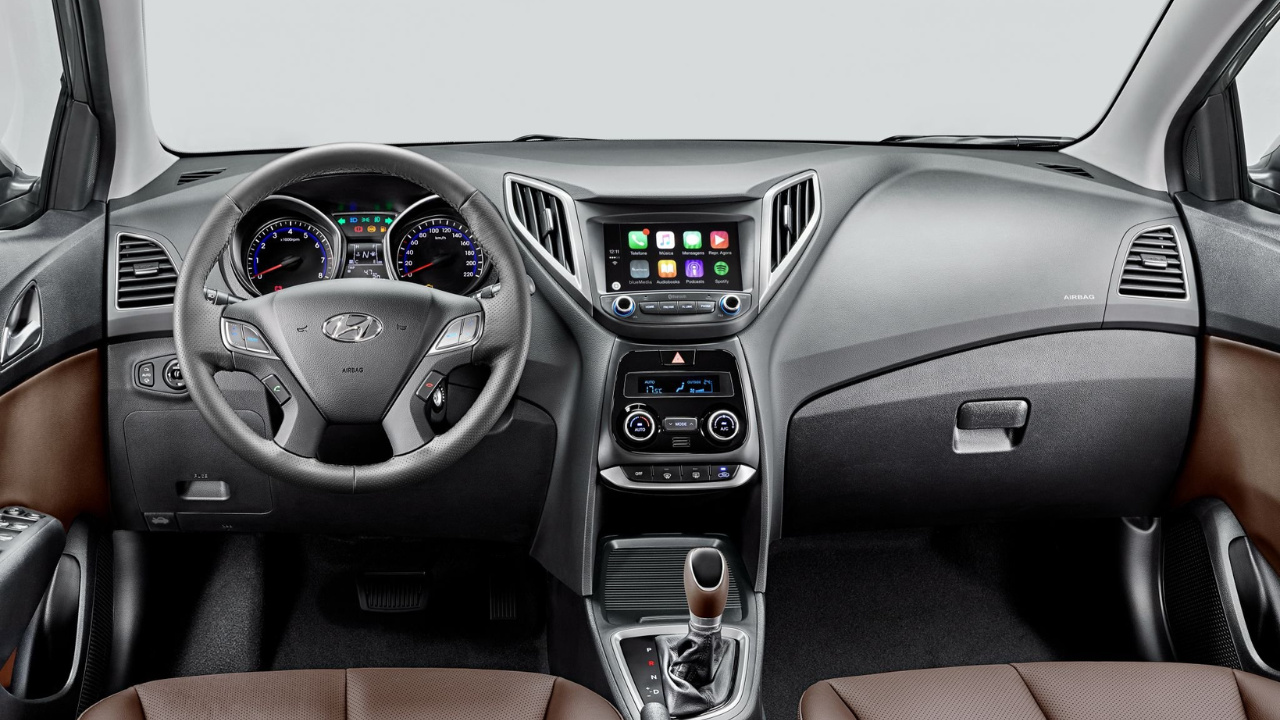


Hyundai HB20 2015 Is One of The Most Sought-After Models in The Used Car Market in Brazil. Discover Versions, Engines, Fuel Consumption, Maintenance, and Common Problems Before Buying The Compact Hatch.
The used car market in Brazil is quite competitive, but some models stand out for their good acceptance among consumers. A clear example is the Hyundai HB20 2015, a hatch that gained space among compacts and remains one of the best-selling and most desired vehicles in both the new and used categories.
Developed especially for the Brazilian public, the HB20 arrived in 2012 with the mission of directly competing with icons such as the Volkswagen Gol and the Fiat Palio.
With modern design, distinctive finishes, and a wide range of versions, it quickly became a sales success.
-
The car stored for 38 years: when opening the barn door, what appears is breathtaking and looks like a scene from a movie!

-
Fiat works miracles in the Brazilian market, lowers the price of its 0 km hatch to R$ 69,990, reestablishes the model as the cheapest car in the country, and reignites the battle against Kwid and C3.
-
Chevette with cooking gas: How the gas cylinder ends up being used in cars clandestinely and why this makeshift solution can result in leaks, explosions, damaged engines, and seized vehicles.
-
Fiat launches the new 2027 Toro hybrid with 48V, 176 hp, an electric motor of 15.5 hp, a 0.85 kWh battery, up to 7% fuel savings, 8% fewer emissions, and possible exemption from IPVA.

Currently, when we talk about used cars, the HB20 2015 appears as one of the most sought-after options in classifieds and dealerships.
Trajectory of The Hyundai HB20 Until 2015
Before discussing the model itself, it’s worth contextualizing its history. The HB20 began development in 2010 focused on the Brazilian consumer.
It was the first to use the global PB platform, which would later also equip the European i20.
The official launch took place in 2012 and immediately attracted attention for the modernity of the project and the aspirated 1.0 and 1.6 engines.
Shortly after, in 2014, Hyundai launched special series such as For You and World Cup, taking advantage of the visibility of the tournament held in the country.
By 2015, the car underwent its first facelift. The versions equipped with the 1.6 engine received a six-speed manual transmission, which brought more efficiency and performance.
From then on, the HB20 continued to receive improvements, including turbocharged versions and limited series that helped maintain its strong presence in the market.
The HB20 2015 in The Used Car Market
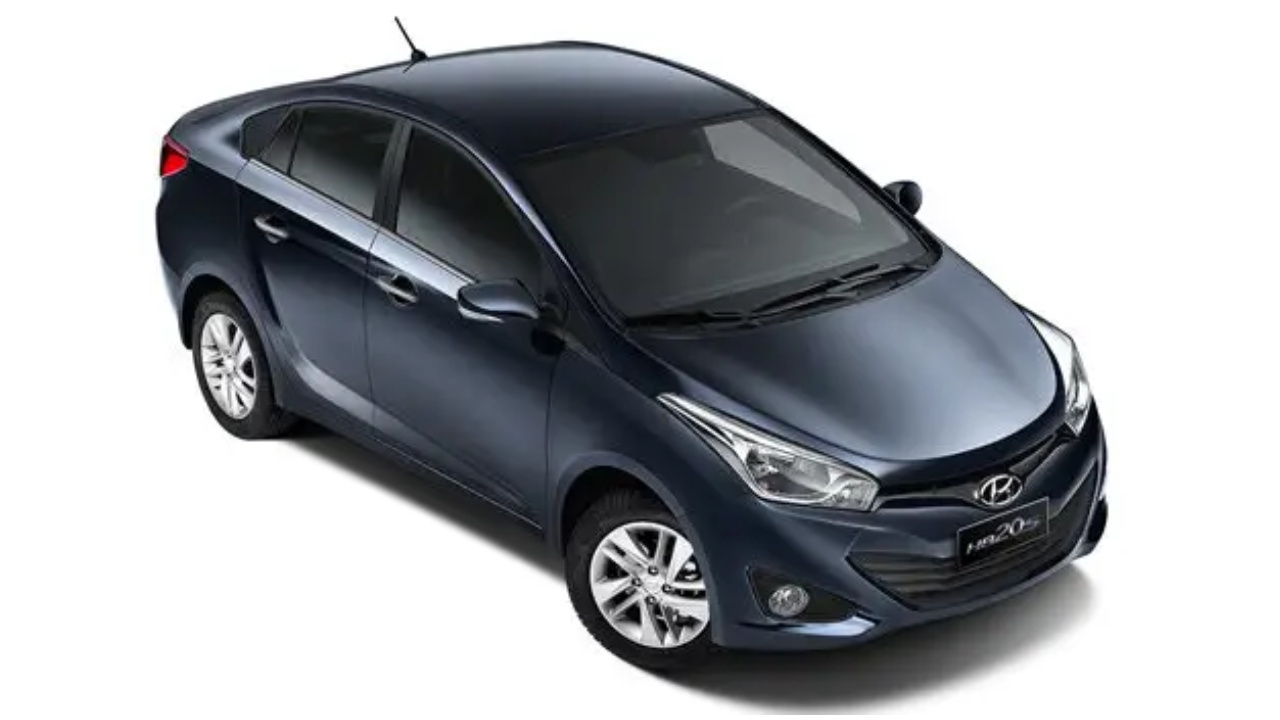
In the used car segment, the Hyundai HB20 2015 is one of the most valued options among compacts.
This happens for several reasons: a wide availability of versions, a good level of equipment, and accessible maintenance.
Source: Quatro Rodas
For those looking for a reliable used vehicle, the 2015 line offers no less than 13 trim options, in addition to different combinations of engines and transmissions.
This variety ensures options for all profiles, from those seeking a more economical car to those valuing power and performance.
Performance and Engines of The Hyundai HB20 2015
One of the strong points of the HB20 2015 is its engine offerings. It had two main options:
- 1.0 12V Kappa Three-Cylinder Aspirated
- Power: 80 hp (ethanol) and 75 hp (gasoline)
- Torque: 10.2 kgfm (ethanol) and 9.4 kgfm (gasoline)
- Notable for agile starts, though performance was limited during acceleration and uphill driving.
- 1.6 16V Gamma
- Power: 128 hp (ethanol) and 122 hp (gasoline)
- Torque: 16.5 kgfm (ethanol) and 16 kgfm (gasoline)
- Acceleration from 0 to 100 km/h in about 10 seconds, with quick responses and a six-speed manual transmission.
There was also the option of a six-speed automatic transmission, which offered comfort but had minor issues at mid-range RPMs.
Fuel Consumption of The Used Hyundai HB20 2015
The fuel consumption of the HB20 2015, according to the Brazilian Vehicle Labeling Program (PBEV), varies among the versions:
Engine 1.0
- Ethanol city: 8.5 km/l
- Ethanol highway: 9.9 km/l
- Gasoline city: 12.5 km/l
- Gasoline highway: 14.1 km/l
Engine 1.6 Manual
- Ethanol city: 8.1 km/l
- Ethanol highway: 9.9 km/l
- Gasoline city: 11.6 km/l
- Gasoline highway: 13.8 km/l
Engine 1.6 Automatic
- Ethanol city: 7.1 km/l
- Ethanol highway: 9.4 km/l
- Gasoline city: 9.9 km/l
- Gasoline highway: 12.5 km/l
For those analyzing a used car with a focus on economy, the 1.0 proves to be more advantageous for urban day-to-day driving.
Comfort and Interior Space
When discussing used cars, comfort and durability of the interior are also analyzed.
The Hyundai HB20 2015 features an adequate cabin, with a comfortable driving position, but rear space is limited, typical of compacts.
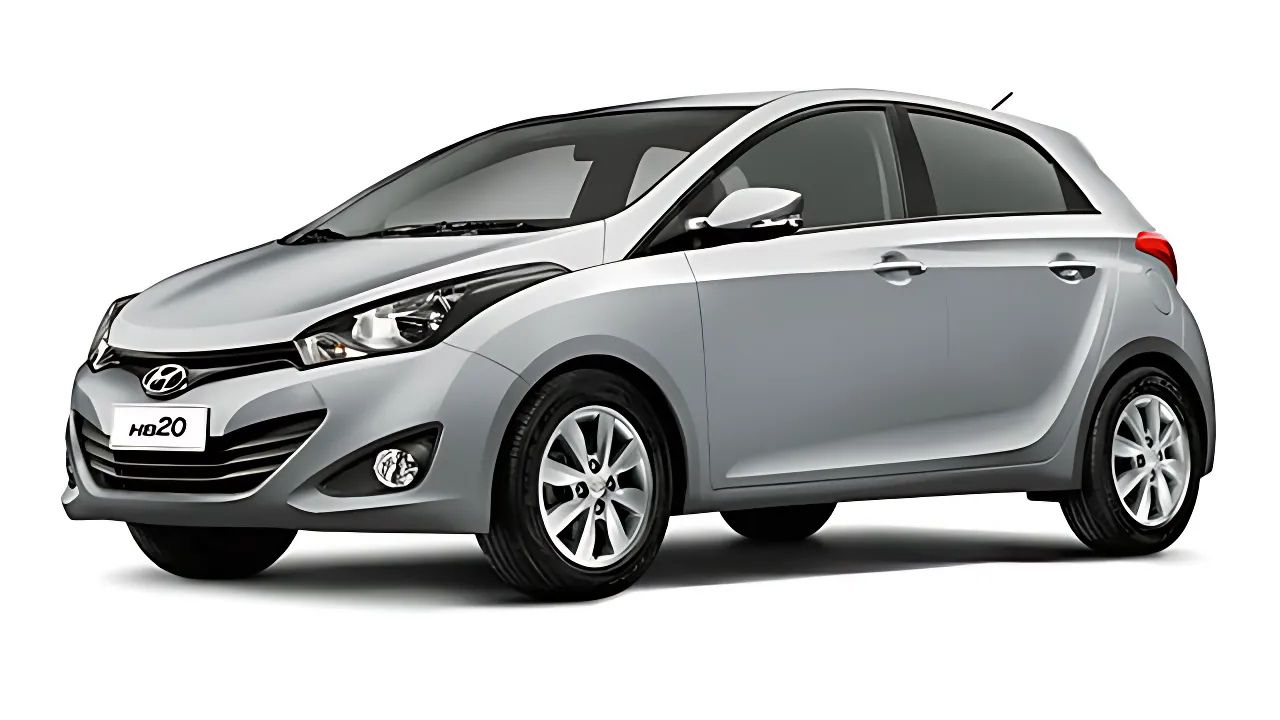
The 300-liter trunk is suitable for urban use and short trips.
The interior finish is praised for offering quality superior to some of its rivals at the time, in addition to a good list of equipment such as air conditioning, power steering, power windows, and a simple but functional multimedia system.
The Variety of Available Versions
The HB20 2015 stands out in the used car market for the number of versions.
In total, there were 13 different configurations that year, catering to consumers seeking basic options to those wanting a more equipped hatch with an automatic transmission.
This varied range helps explain why the model is still highly valued in the used market today.
Which Version to Choose?
Among the available options, experts recommend the Comfort Style 1.6 with a six-speed manual transmission. It strikes a balance between performance, equipment, and cost-effectiveness.
Among the offered items are: air conditioning, electric power steering, electric windows and locks, a folding key, 15-inch alloy wheels, a simple multimedia system with Bluetooth and USB, as well as basic safety with ABS brakes, airbags, and an Isofix system.
According to KBB Brazil (July 2025), the average prices for this used car vary:
- Dealer: R$ 52,390
- Private: R$ 47,151
- Trade-in: R$ 38,496
Maintenance Costs of The Hyundai HB20 2015
When evaluating a used car, maintenance is always a crucial point. In the case of the Hyundai HB20 2015, the costs are competitive within the compact category.
Some average parts prices, considering the Comfort Style 1.6 version:
- Rear shock absorbers (pair): R$ 500 to R$ 610
- Fuel pump: R$ 220 to R$ 430
- Right headlight: R$ 360 to R$ 540
- Oil change kit: R$ 210 to R$ 360
- Rear bumper: R$ 220 to R$ 380
- Front brake pads: R$ 90 to R$ 190
- Ignition spark plugs (set): R$ 120 to R$ 200
This predictability of costs reinforces the attractiveness of the model as a used car.
Most Common Problems with The Hyundai HB20 2015
Not everything is positive. Owners report some recurring problems with the Hyundai HB20 2015:
- Drying and cracks in the headlights
- Defects in the starter motor
- Premature wear of the sealing rubbers
- Failures in the fuel gauge and multimedia center
Additionally, there are records of recalls involving the sealing of the gear indicator and problems in components such as the brake booster valve, CV joint, and front axle in other versions of the HB20 line.







Ainda diz que confiável tive um hb 20 tem nada de peças baratas. Esses problemas aí é só quem eles falam tem mais. sicronizados do câmbio tive que trocar nem entrava terceira marcha nem ré. Suspensão do carro é dura bancos desconfortaveis baixos farois não clareia nada fica manchados. Motor o meu já tinha que trocar a bomba de água carro com.menos de 120 mil quilômetros. Hb 20 numca mais. Foi o primeiro e ultimo. Pintura do carro bateu uma pedrinha ele sai a tinta. O meu era 2019 muitos problemas borrachas das portas tudo ressecadas e trincadas. Carro cheios de problemas.
Eu pretendia adquirir um, mas agora desisti!