





 Português
  Inglês
  Espanhol
  3 min de leitura
  0 comentários


Hyundai, One of the Leaders in the Automotive Sector for the Reliability and Robustness of Its Vehicles, Announces Four Significant Launches in Brazil. These New Models Promise to Shake Up the Market, Bringing Innovations and Enhancements Across Various Segments.
Brazilian consumers can expect a series of novelties from Hyundai, including the revamped New Tucson, the hybrid sedan Ioniq, the mid-size pickup Santa Cruz, and the large SUV Palisade. Each of these models comes with distinct features and promises to meet the diverse needs and preferences of the Brazilian public.
New Tucson with Facelift

The popular SUV New Tucson will arrive with a facelift that includes new LED headlights, a redesigned front grille, changes to the bumper, new wheels, and updated taillights. Production will continue to be domestic, in Anápolis, Goiás.
The model will maintain the 1.6 turbo engine with direct injection, paired with a seven-speed dual-clutch automated transmission. This facelift serves as an update until the arrival of the new generation of Tucson, more aligned with the brand’s global standards.
-
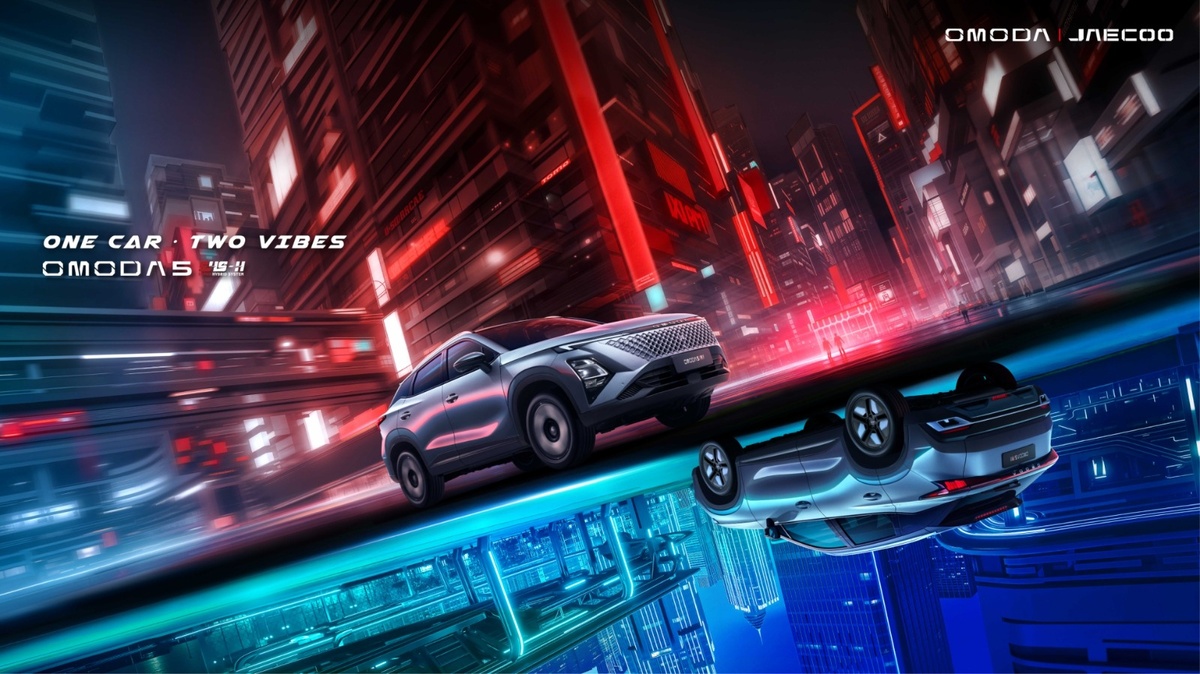
OMODA & JAECOO grows in Europe in 2026 with an integrated strategy of sales, innovation, local production, and technological advancement in the United Kingdom, Italy, and Spain.
-
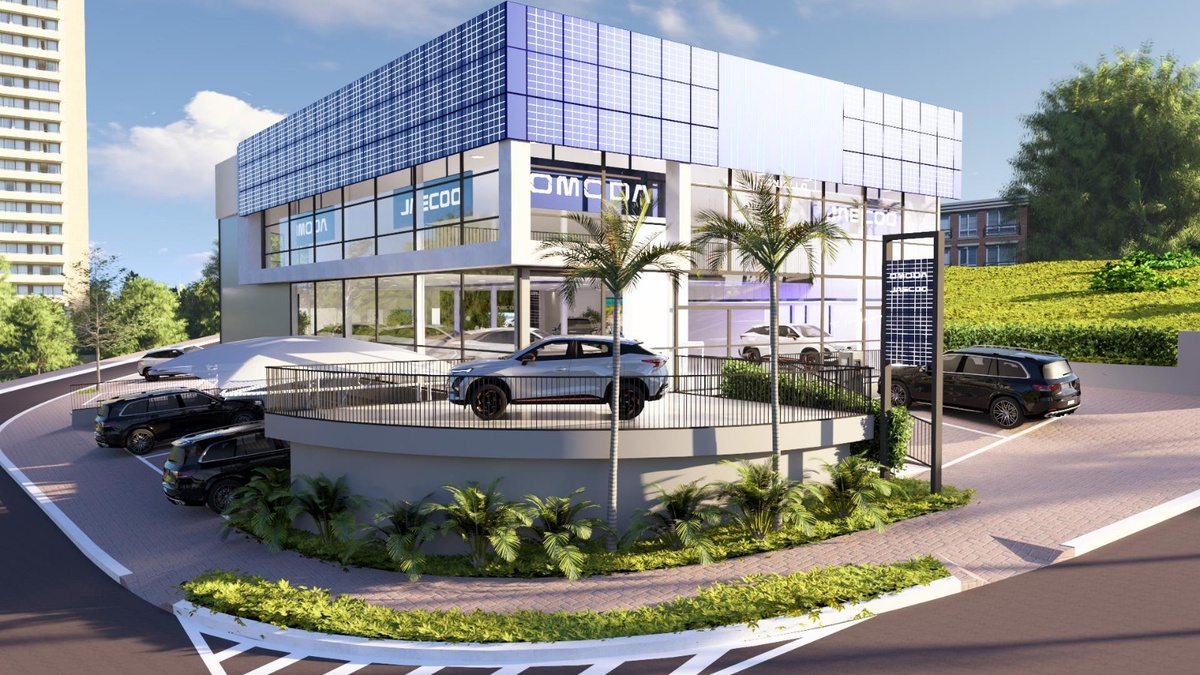
OMODA & JAECOO expands after-sales service in Brazil with competitive maintenance, a 7-year warranty, and high availability of parts for technological SUVs.
-
OMODA & JAECOO appoints Alessandra Souza as executive marketing director in Brazil and accelerates brand expansion with a focus on innovation, networking, and hybrid portfolio.

-
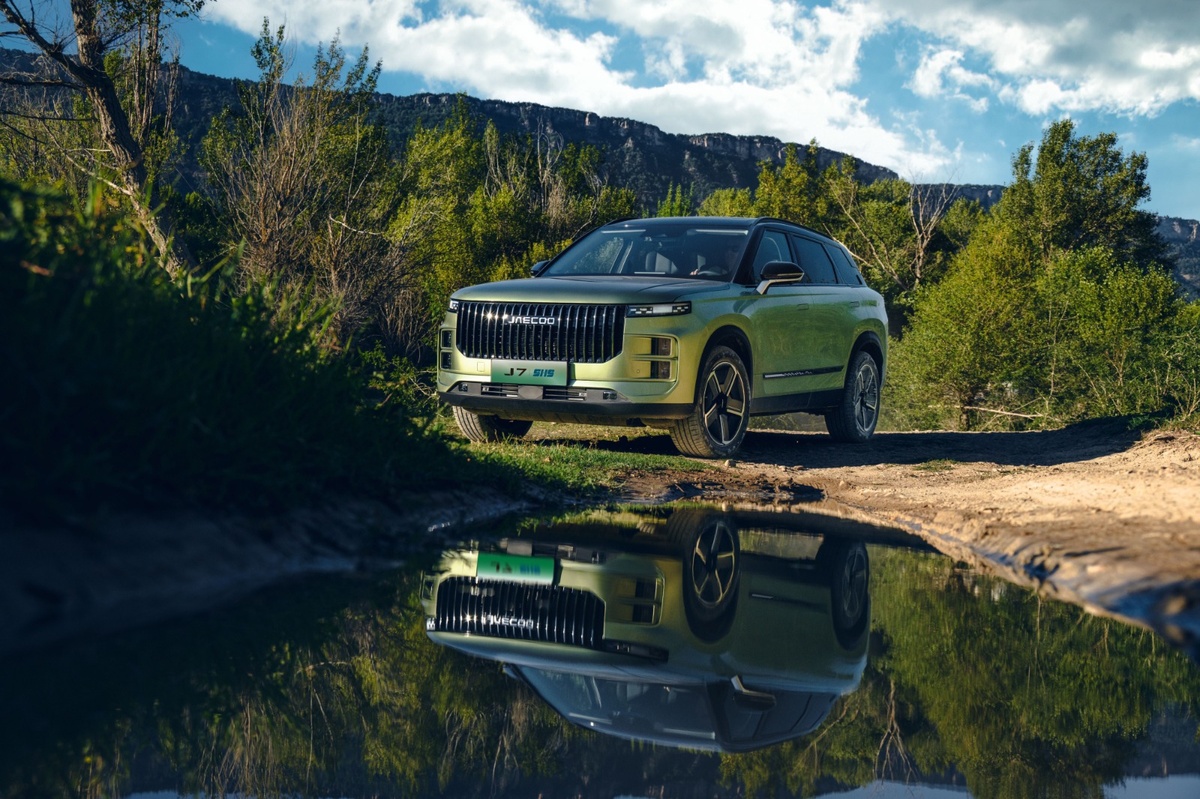
Jaecoo 7 with super hybrid SHS system exceeds 1,200 km of combined range with a 1.5 turbo engine, high-density battery, and intelligent energy management.

Ioniq
The Hyundai Ioniq, a mid-size hybrid sedan, stands out for its efficient fuel consumption, promising averages of nearly 19 km/l. It will come with an extensive list of equipment, including full LED headlights, electrically adjustable seats, digital air conditioning, among others. Hyundai is considering the possibility of domestic production of the Ioniq in Anápolis, amidst market challenges for mid-size sedans.
Santa Cruz
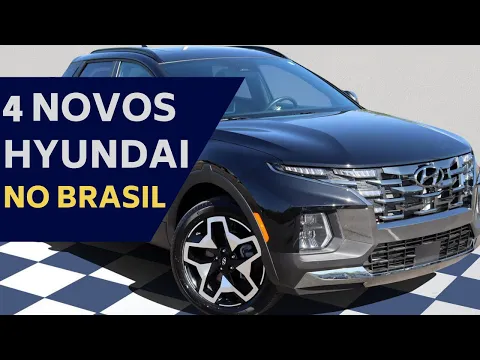
The mid-size pickup Santa Cruz, based on the new generation of Tucson, is being considered for the Brazilian market. At almost 5 meters in length, it competes directly with models like the Fiat Toro and Ford Maverick. The decision to import or produce domestically will depend on market demand.
Hyundai Palisade
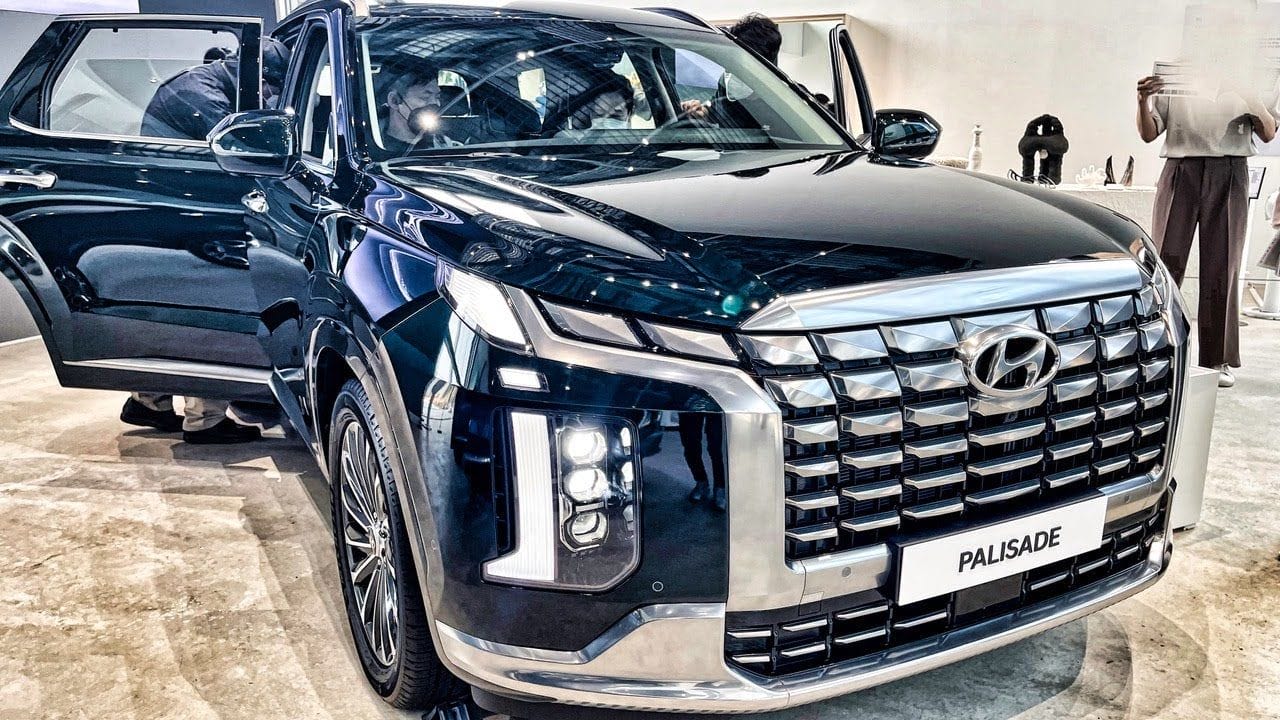
The large SUV Palisade will be positioned above the New Tucson, competing with models like Jeep Commander and Toyota SW4. This model may feature a V6 3.8 gasoline engine with almost 300 horsepower or a 2.2 turbo diesel version. With a focus on luxury and sophistication, the Palisade is expected to arrive in Brazil with high prices, possibly in the range of R$ 300,000 to R$ 400,000.
Expansion and Diversification of Hyundai in Brazil
These launches by Hyundai demonstrate the brand’s strategy to diversify and expand its presence in Brazil, catering to different market segments. With a range that includes compact and mid-size SUVs to hybrid sedans and pickups, Hyundai shows its commitment to offering innovative and high-quality vehicles to Brazilian consumers. The arrival of these new models will surely shake up the market, strengthening Hyundai’s position as one of the leading automobile manufacturers in the country.
Hyundai began its journey in Brazil importing models like the Tucson and the i30, which quickly became popular due to their attractive design and good cost-benefit ratio. In 2012, Hyundai solidified its presence in the country with the opening of its factory in Piracicaba, São Paulo. This significant investment not only solidified Hyundai’s position in the Brazilian automotive market but also demonstrated its commitment to local economic development.
The major milestone was the launch of the HB20, a compact developed specifically for the Brazilian market, which became a sales success and one of the most popular cars in the country. Additionally, Hyundai continued to expand its portfolio with models like the Creta and the new generation of Tucson, reinforcing its reputation as a brand that understands and meets the varied needs of Brazilian drivers.









Seja o primeiro a reagir!