Portuguese
  Spanish


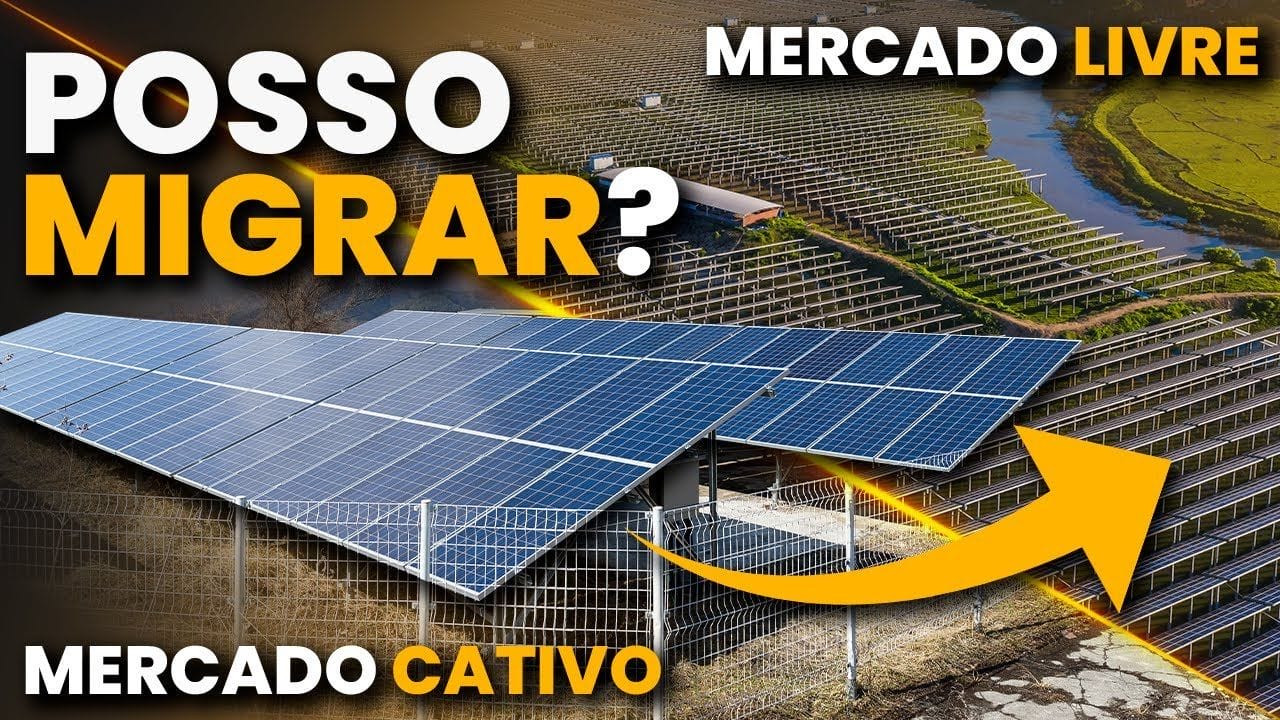

The Year 2024 Begins with Increasing Curiosity About the Free Energy Market. With the Possibility Opened for All Consumers of Group A, Many Are Wondering About the Viability of Migrating Solar Plants from the Regulated Market to the Free Market.
Solar energy, a clean and renewable source, is gaining prominence in the Free Energy Market. With the liberalization of the market and the possibility of migration to the free contracting system (ACL), numerous questions arise. See the main aspects of this change, addressing everything from the possibility of migration to the technical and commercial nuances involved.
Migrating to the Free Energy Market

It is possible to migrate a solar plant from the regulated market to the Free Energy Market. The question that arises is: is it worth it? When migrating, the plant leaves the compensation system of the regulated market. In the Free Market, distributed generation does not apply, but rather self-production, with distinct rules. The main change lies in the commercialization of energy, which occurs directly between generators and consumers.
Self-Production vs. Distributed Generation
In the Free Market, self-production differs from distributed generation. In self-production, there is no compensation for excess energy to offset consumption. In this model, energy can be marketed sporadically, and the plant must be modeled to meet consumption demand without generating significant surpluses. This approach requires a detailed understanding of energy consumption and precise modeling of the plant.
-
Brazilian scientists are simultaneously advancing two research projects on clean hydrogen and driving solutions that could transform the energy matrix, enhance industrial competitiveness, and accelerate large-scale emission reduction targets.

-
Advancement in renewable energy: A R$ 150 million project launched by Petrobras and Finep aims to create state-of-the-art electrolyzers for green hydrogen, strengthening national research and preparing Brazil to compete in a billion-dollar energy market.
-
Solar energy can increase property value by up to 10% and become a selling point.
-
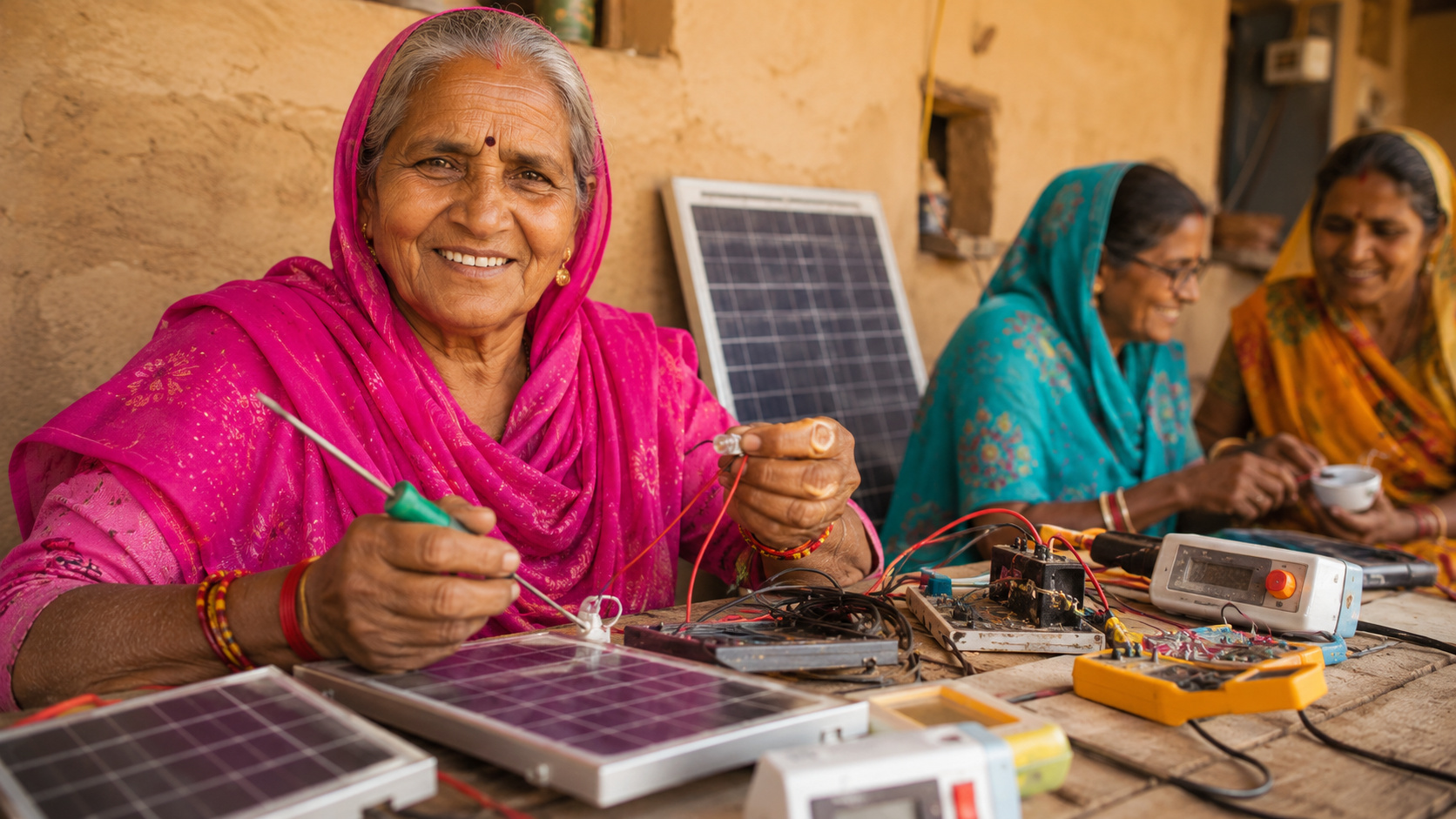
Illiterate or semi-literate grandmothers were trained to repair solar systems, open rural workshops, and light up homes that still depended on kerosene.



Participants in the Free Market are agents of the Electricity Trading Chamber (CCEE). The migration involves terminating contracts with energy distributors and adhering to new obligations as an agent of the CCEE. It’s important to highlight that, even in the Free Market, the conventional distribution network is used for energy transportation.
Approval and Technical Adjustments
Plants already approved in the regulated market do not need a new approval to migrate to the Free Market. However, technical adjustments are necessary, mainly in protections and measurement systems. These adjustments are crucial to ensure compliance with the regulations of the Free Market and the safety of the electrical network.
The decision to migrate to the Free Energy Market involves a careful analysis of the benefits and challenges. While the regulated market offers an energy compensation system, the Free Market allows for more flexible and direct commercialization.
Each scenario must be assessed individually, considering the specific consumption and energy generation needs. The Free Energy Market brings new possibilities for users of solar plants, challenging them to rethink consumption and generation strategies. When evaluating this transition, it is crucial to consider all technical, commercial, and regulatory aspects to maximize the benefits of this change in the energy market in 2024.