





 Portuguese
  English
  Spanish
  3 min of reading
  0 comments


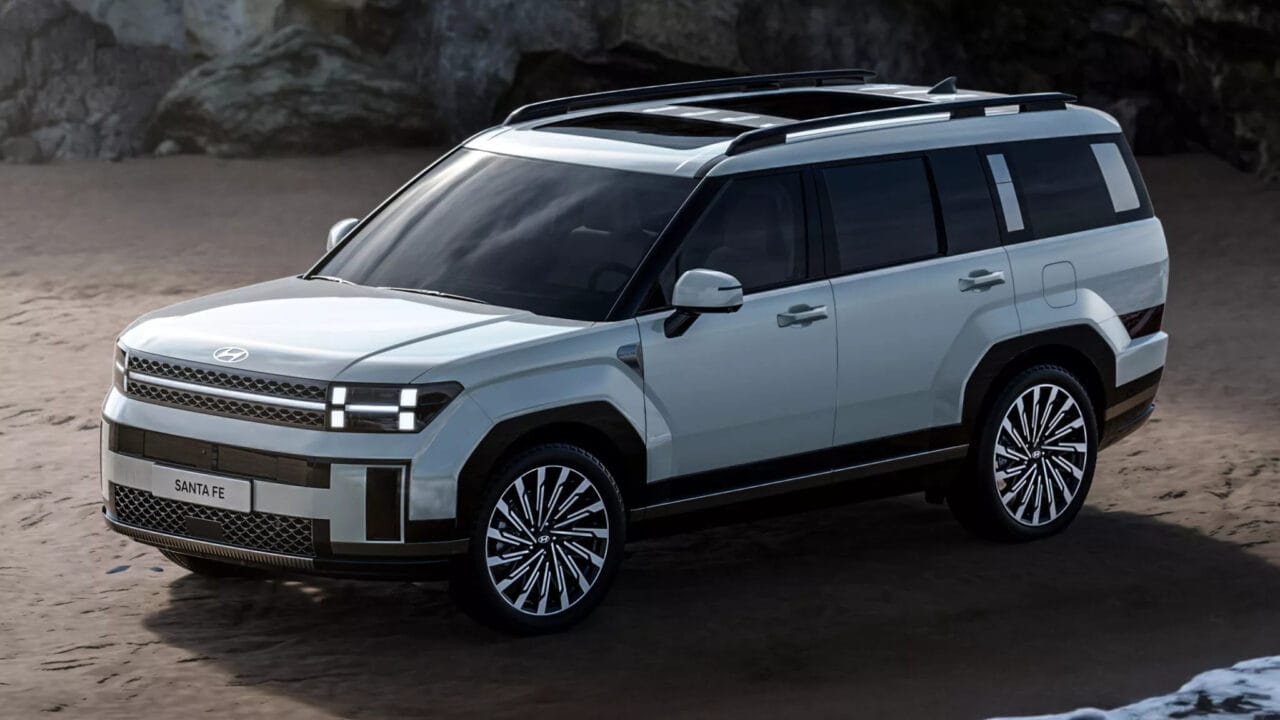
Hyundai Santa Fe and Kia Sorento Will No Longer Be Sold in Europe. Hybrid Versions of the South Korean SUVs Have Just Arrived on the Market and Promise to Meet Sustainability Standards.
Due to the implementation of stricter environmental regulations in Europe, manufacturers like Hyundai and Kia are adapting to new requirements. Specifically in the SUV segment, the renowned South Korean brands are reviewing their product lines. As a result, models like the Kia Sorento and Hyundai Santa Fe, currently available only with gasoline or diesel engines, will be discontinued. This decision reflects the increasing commitment of automakers to more sustainable and environmentally friendly solutions.
Vehicle Emissions Must Drop from 80 mg/km to 60 mg/km
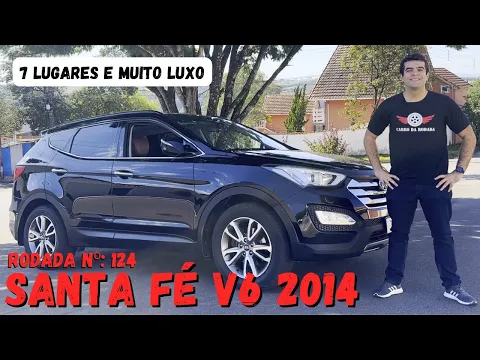

Starting in 2025, according to reports from Korean media, conventional SUVs from Kia and Hyundai will be discontinued in the European market, making way exclusively for electrified models, including hybrid and plug-in hybrid versions. This transition responds to the new standards set by the EU’s Euro 7 regulations.
According to the Euro 7 regulation announced at the end of last year, all passenger vehicles sold in Europe from 2025 must reduce nitrogen oxide emissions from 80 mg/km (Euro 6 standard) to 60 mg/km.
-
Engineers propose a fourth traffic light for intersections – the change promises to affect crossings, queues, and waiting times.

-
Chevrolet Suburban Z71 lands in Brazil with a V8 engine, off-road design, air suspension, seven seats, and colossal size, a rare version imported for around R$ 1.3 million with luxury and exclusivity.
-
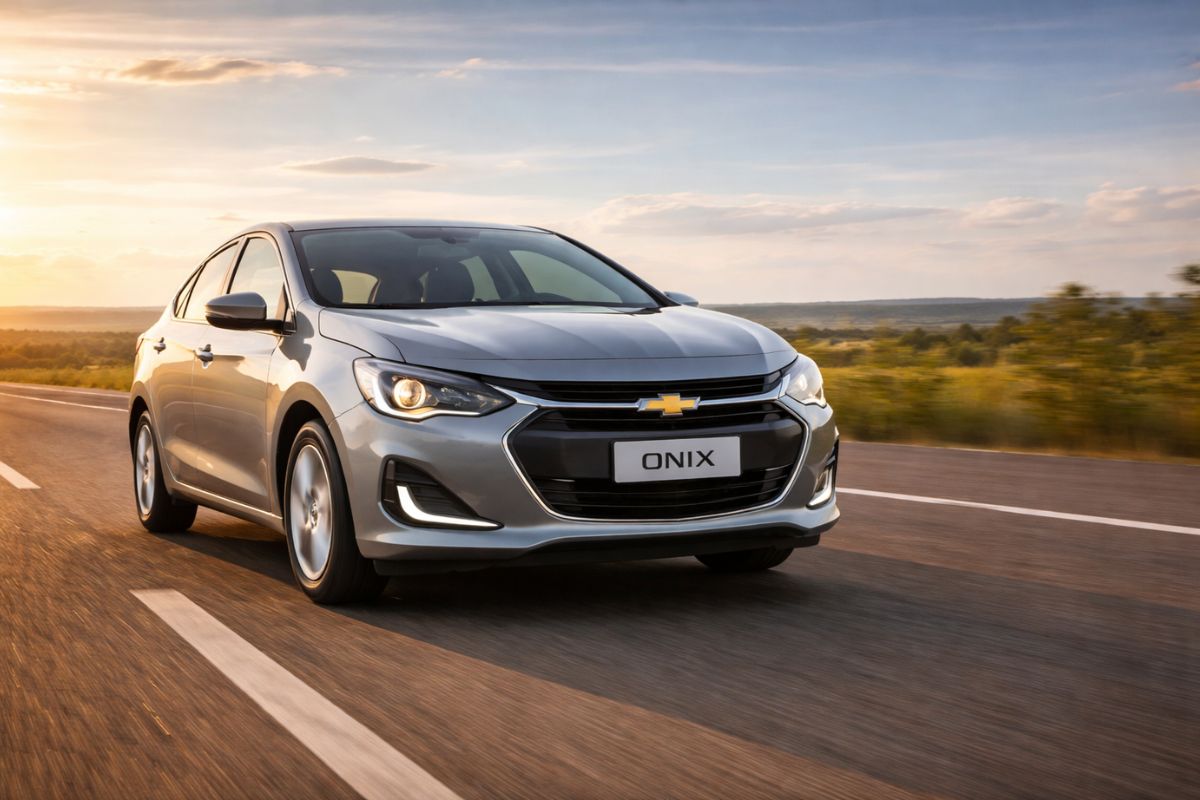
The Chevrolet Onix 1.0 turbo achieves 17.7 km per liter on the highway and ranks among the three most economical cars in Brazil in 2026, alongside two more expensive Toyota hybrids available at dealerships.
-
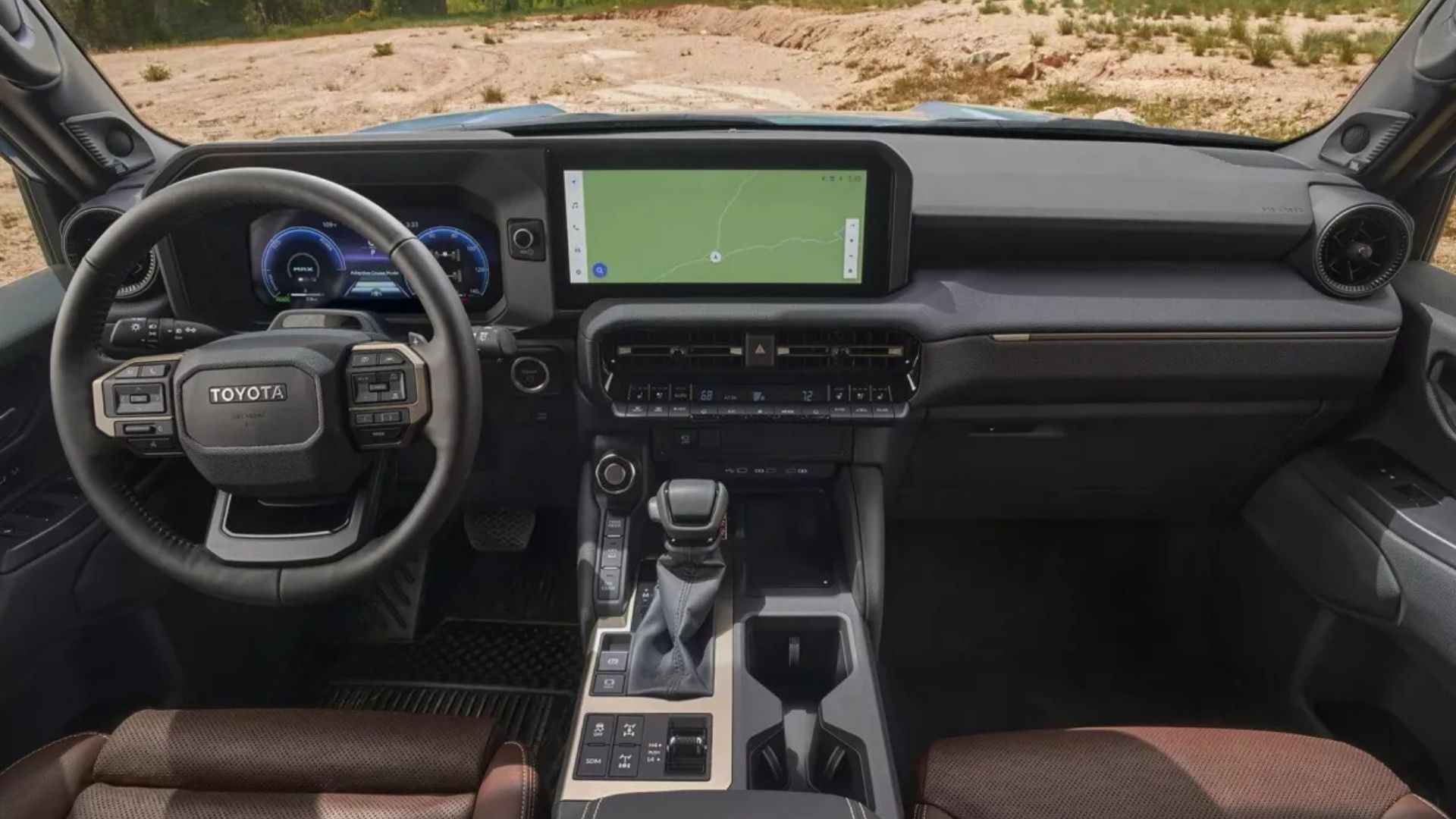
Little sister of the Hilux: Toyota launches Land Cruiser FJ with 4 radical versions, 2.7 engine with 166 hp and 4×4 traction with locking.

Additionally, new limits will be imposed on microplastic particle emissions resulting from tire wear. Research indicates that each tire can release approximately 4 kg of microplastics into the environment over its lifetime. As for the Kia Sorento and Hyundai Santa Fe SUVs, the discontinuation of combustion versions will coincide with the generation change of the Kia Sorento and the mid-life facelift of the recently launched Hyundai Santa Fe.
Hyundai Santa Fe and Kia Sorento Receive Hybrid Powertrains
The recently revealed Kia Sorento in South Korea, in its hybrid and plug-in hybrid versions, features a 1.6-liter turbo engine with direct gasoline injection, capable of producing 180 horsepower, and a 47.7 kW electric motor. Together, they generate 230 horsepower in the hybrid configuration and 265 horsepower in the plug-in hybrid version.
The vehicle is also equipped with a six-speed automatic sequential transmission and has all-wheel drive (AWD). Not yet available in Brazil, the 2024 Hyundai Santa Fe Hybrid uses the same mechanical setup in its electrified versions. According to Hyundai, the model achieves a fuel efficiency of 14.3 km/l in the AWD versions with 20-inch wheels and 15.6 km/l in the front-wheel-drive versions with 18-inch wheels.
It is worth noting that, in addition to Hyundai and Kia, Volkswagen has decided to stop selling some of its gasoline-powered SUVs in Norway starting in 2024. This decision is driven by the growing demand for electric vehicles and government incentives for the purchase of these vehicles, leading to the gradual decline of gasoline models on the streets. Consequently, it is expected that all Volkswagen combustion cars will be gradually phased out of the Norwegian market in the near future, as reported by the same source.
Hyundai and Kia Make Advances in the Electric Vehicle Market
Hyundai and Kia announced in October a significant decision in the electric vehicle (EV) market in the United States: the adoption of Tesla’s charging technology.
With this change, the two South Korean companies align with other automotive giants like Ford, GM, and Nissan, integrating into the North American Charging Standard (NACS). As reported, the new electric models from these brands will come equipped with the NACS charging port starting in the last quarter of 2024.
This initiative, known as the North American Charging Standard (NACS), marks the expansion of Tesla’s Supercharger usage beyond its own vehicles. The integration of other brands into the Tesla charging ecosystem is part of a broader agreement with the U.S. government aimed at installing 500,000 EV chargers nationwide by 2030, facilitating and encouraging the transition to electric mobility.







Seja o primeiro a reagir!