





 Portuguese
  English
  Spanish
  3 min of reading


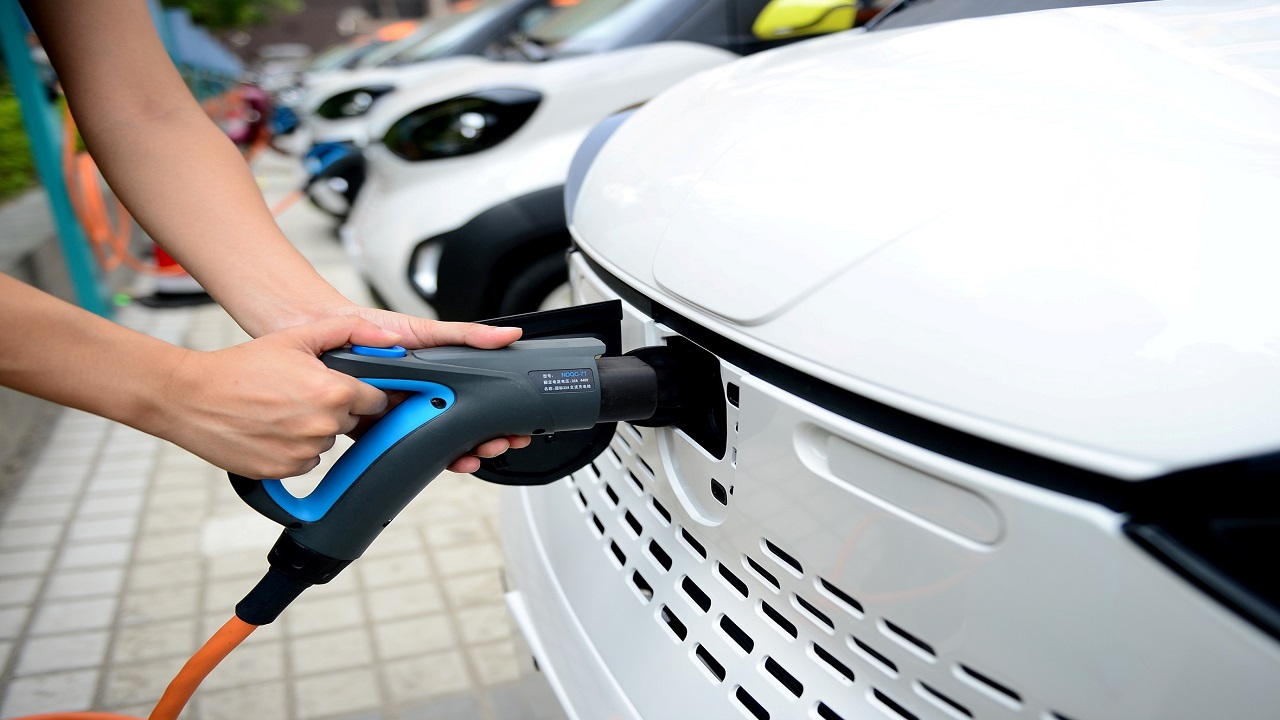
In total, four companies of the Hyundai Group joined a sustainability initiative. Accordingly, the companies plan to use only renewable energy in all their factories by 2050
The Hyundai Group has specific objectives related to decarbonization of its activities. To achieve them, the Korean group intends to increasingly focus on the use of renewable energy. In this regard, an interesting piece of news arrives. In fact, the Group announced that 4 of its companies, including Hyundai and Kia, became members of the RE100, of the Climate Group. This is a global initiative that brings together major companies committed to using 100% renewable electricity. In addition to Hyundai and Kia, Hyundai Mobis and Hyundai Wia also joined the RE100 of the Climate Group. These 4 companies of the Korean group join over 350 international companies that have already embraced this initiative. Companies that have plans to accelerate the use of 100% renewable electricity in all their operations.
Hyundai Group Factories Will Use Only Renewable Energy by 2050
The 4 companies of the Hyundai Group, including KIA Motors, announced that they intend to switch to 100% renewable energy by 2050. However, each will work to accelerate the achievement of this goal, to reach it as early as 2040, depending on the supply and demand conditions for energy in their respective international operations. The Korean group is assessing different ways to acquire renewable energy for its activities.
Consider, for example, self-production through solar panels, purchase contracts with wind and solar energy producers, as well as purchase through the “Green Premium” program of Korea Electric Power Corporation (KEPCO). The Hyundai Group expects to achieve its carbon neutrality goal through initiatives like RE100.
-
A 250cc motorcycle that can reach 560 km with a 14-liter tank, features disc brakes on both wheels and is among the most well-known in Brazil.

-
Man finds over 200 rare cars abandoned on a lot and tries to do the impossible in 8 hours with a surprise at the end.

-
An irregular parking case gains attention after a Mercedes Classe A was removed in such a strange way that it even raised doubts about damage to the car.

-
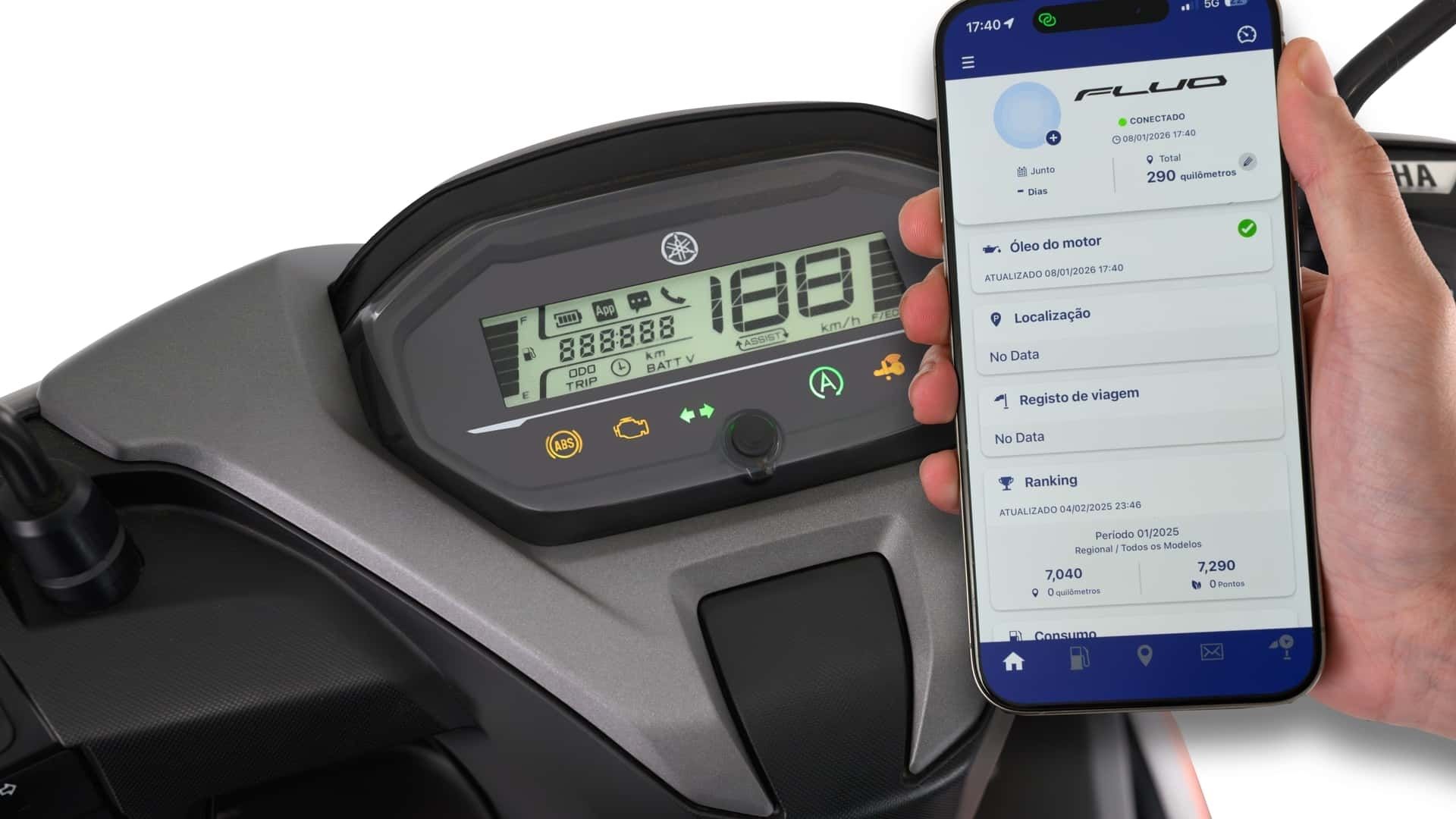
Costing R$ 16,000, the new Yamaha features a 125 cc hybrid engine with electric assistance, delivers 8.3 hp, includes ABS, optimized fuel consumption, Y-Connect connectivity, 25 liters of storage space, and a surprising 4-year warranty in the urban segment.

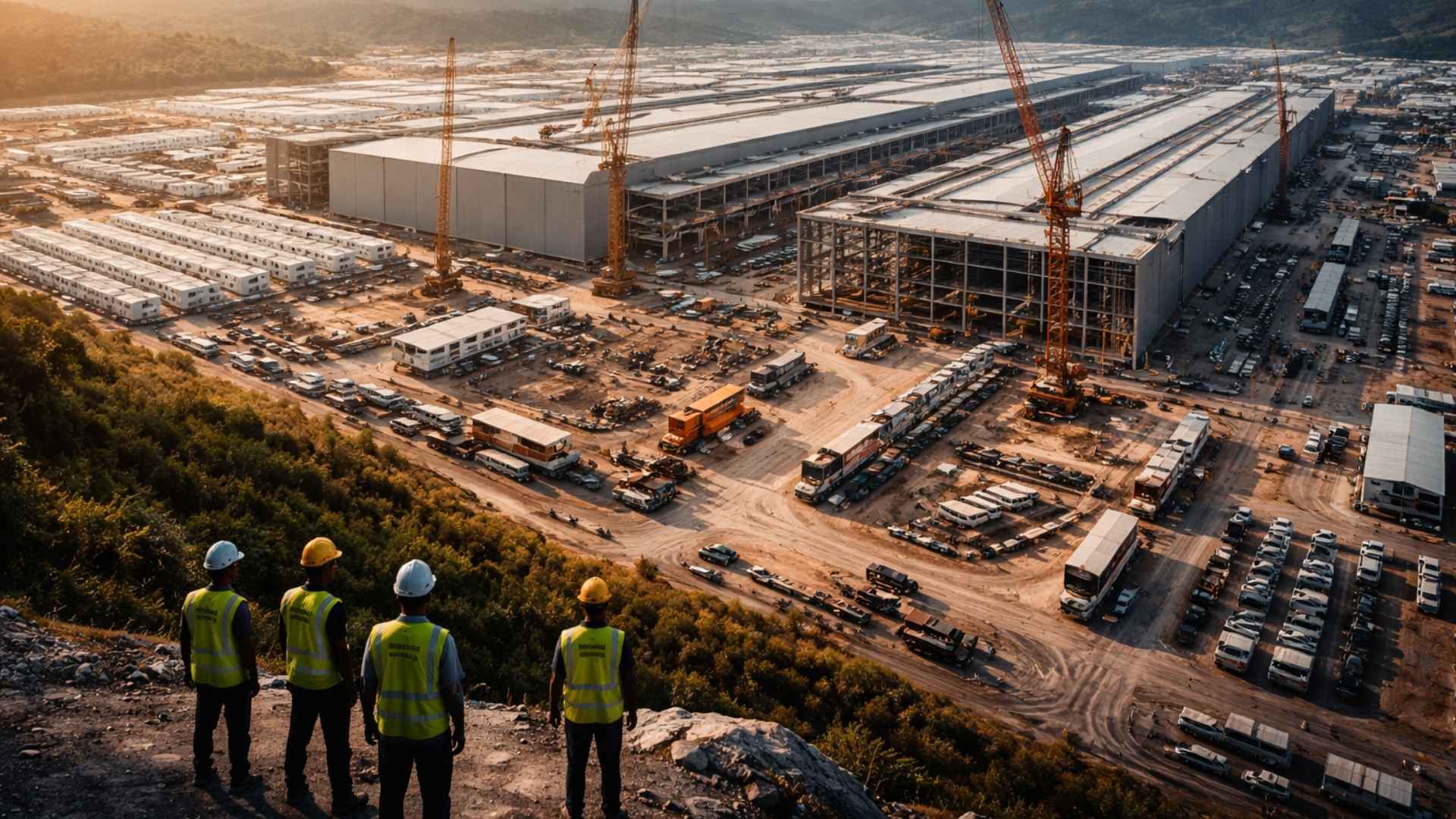
To join RE100, companies must have a significant energy footprint and are required to present medium- and long-term renewable energy protection plans within a year of joining. The Group will build a smart, environmentally friendly factory for efficient production to accelerate the electrification of vehicles and ultimately promote carbon neutrality in its global supply chain.
Hyundai Ends Production of Combustion Engines
Hyundai announced at the end of last year the end of production of combustion engines, while further concentrating its operations on electric cars.
According to the automaker itself, it is inevitable not to focus on this new type of vehicle, and the production of combustion engines is an achievement, but the system must change so that future innovation based on the significant asset of the past can be developed.
The department that ended the production of engines, at that time, is located in Namyang, South Korea, and had been producing the brand’s engines since 1983, the year when Chung Ju-Yung, the group’s founder, decided that the Korean brand should manufacture its own internal combustion engines.
Learn More About RE100
The RE100 is a global corporate renewable energy initiative that brings together hundreds of large companies led by the Climate Group, in partnership with CDP. The goal of the initiative is to drive the change to zero-carbon grids at scale.
Companies in the industrial and commercial sectors account for about half of global electricity use, and the initiative is shifting this large demand to renewable energy.
Its members have operations worldwide and across a broad range of industries, from telecommunications and retail to car and cement manufacturing. RE100 was launched at Climate Week NYC in 2014 and has since expanded across Europe, Asia-Pacific, and North America, with plans to expand to Japan.








Seja o primeiro a reagir!