






 Portuguese
  Spanish


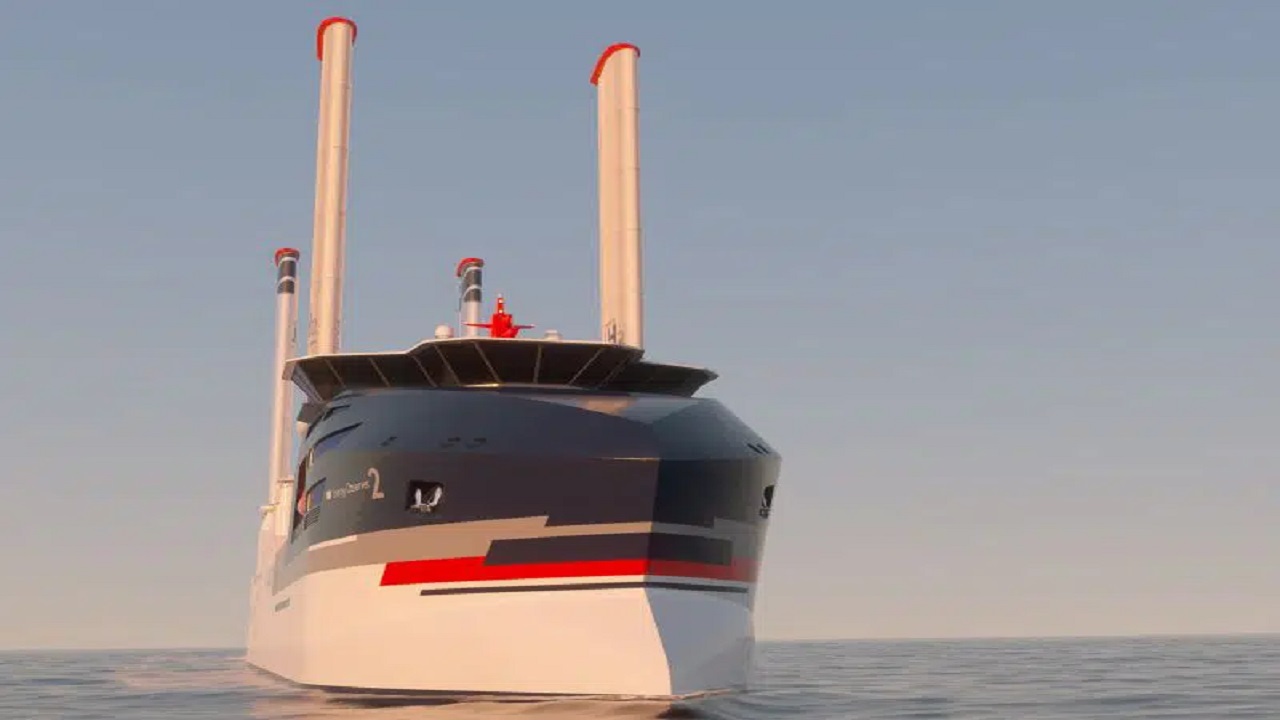

Victorien Erussard, President and Founder of Energy Observer, Will Officially Present the Liquid Hydrogen-Powered Ship on February 10 During the One Ocean Summit in Brest. The Developer Promises That the Vessel Will Be Able to Change the Entire Landscape of the Shipping Industry
After Creating an Autonomous Laboratory Vessel with the First Complete Hydrogen Chain, Capable of Producing Its Own Hydrogen with Its Wide Range of Renewable Energies, Energy Observer Takes the Next Major Step by Launching the Project of the Most Representative Ship in the Shipping Industry, Unveiling Energy Observer 2, a Liquid Hydrogen-Powered Multipurpose Cargo Ship, a Technological Achievement That Enables Zero Emission Navigation, Offering Very High Transport Capabilities and Great Autonomy.
Also Read
Observer 2 – The Liquid Hydrogen-Powered Ship Capable of Changing the Shipping Industry

Maritime Transport Is Responsible for Approximately 3% of CO2 Emissions Annually on a Global Scale. The Goal of Energy Observer and Its Partners Is to Present Prototype Solutions Oriented Towards Zero Emissions for Maritime Cargo Transport.
The Technologies Are Now Beyond the Development Stage, with Liquid Hydrogen Storage Efficiently Mastered, the Deployment of Liquefiers Around the World, and the Latest Generations of Mass-Produced Fuel Cells Appearing to Be Imminent. The Hydrogen-Powered Ship Is Now Facing the Latest Technological Challenges, Such as the Integration of Large Tanks or the Management of Cryogenic Temperatures, Thanks to the Unwavering Support of Its Historical and Technological Partners.
-
Eni Acquires 25% Stake in Chilean Lithium Project, Plans to Invest Up to $225 Million in Eco-Friendly Extraction Method

-
French Brand Transforms 6 Million Brazilian PET Bottles into Sustainable Sneakers for Global Fashion Market
-
Abandoned Factory in Rio’s North Zone Becomes Urban Hazard with Standing Water and Debris

-
The U.S. Navy Conducts Submarine Tests in Idaho Lake to Detect Underwater Noises Hidden by the Ocean


Leading the Project Is Air Liquide, a World Leader in Hydrogen for the Industry for Over 50 Years. Air Liquide Excels in the Production, Storage, Distribution, and Safety of Liquid Hydrogen, Bringing Its Technical Expertise, Knowledge, and Innovation Capability.
State-of-the-Art Technology
-

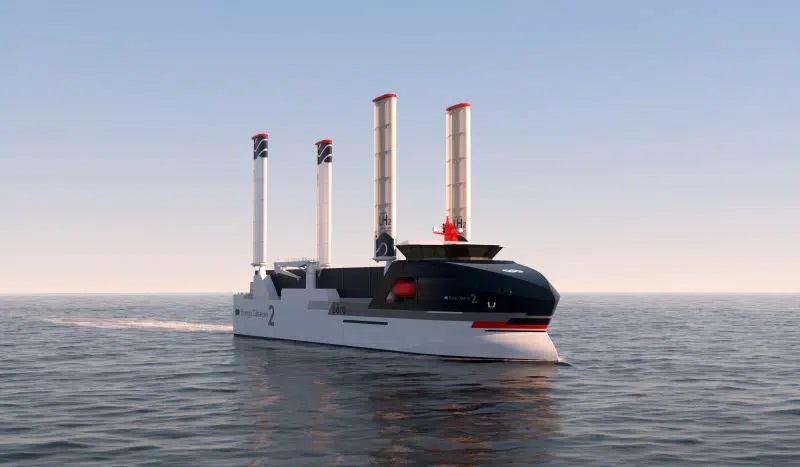
Energy Observer 2 | Image Credits: – Kadeg Boucher / JB Epron Design -

Energy Observer 2 | Image Credits: – Kadeg Boucher / JB Epron Design -

Energy Observer 2 | Image Credits: – Kadeg Boucher / JB Epron Design
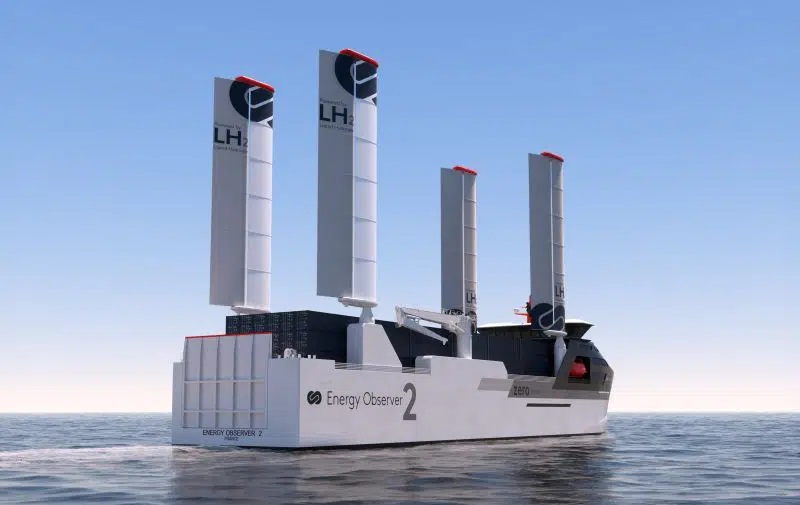
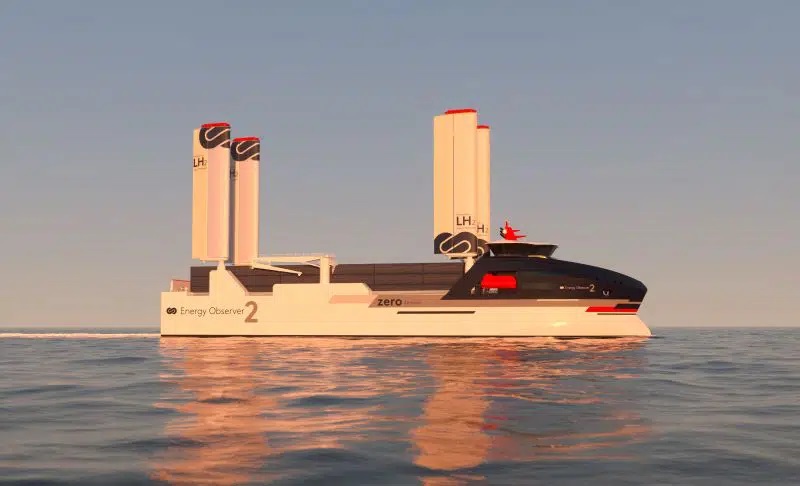
The Energy Observer and Its Strategic Partner, the CMA CGM Group, Have Combined the Commercial and Operational Parameters of This New Generation of Cargo Ships. The CMA CGM Group, a World Leader in Maritime Transport and Logistics, and Energy Observer Thus Confirm Their Pioneering Commitment to the Energy Transition of Maritime Transport.
EODev, the Industrial Subsidiary of Energy Observer That Designed the First Certified Hydrogen Boat and Develops Accessible and Marine Systems, Is a World-Class Specialist in the Integration of Fuel Cells in Demanding Environments.
The Naval Architecture Firm LMG Marin, a Pioneer in Decarbonized Propulsion and in Developing the World’s First Liquid Hydrogen Ferry (Hydra), Is the Design Office Responsible for This Innovative Project. Ayro, the Company Created by Marc Van Peteghem to Conceptualize Auxiliary Propulsion Systems for Large Vessels, and for Which Energy Observer Was the First Operational Test Object, Will Equip the Ship with Its Oceanwings®.
Another Important Partner in the Project Is Bureau Veritas, a Key Player in the Evolution of Maritime Regulations and Innovations, Which Has Been Supporting Energy Observer Since the Launch of Its First Hydrogen-Powered Vessel.
Technical Specifications of the Liquid Hydrogen-Powered Ship
Last But Not Least, the French Maritime Cluster and the T2EM Institute Are Working with Academic, Scientific, and Industrial Partners to Create the Institute for the Eco-Energetic Transition of the Maritime Sector (T2EM), Aimed at Transforming and Implementing the National Structural Program “Zero Emission Ship & Port” to Achieve Decarbonization Goals, Reduce Emissions, and Respect the Sector’s Biodiversity.
Energy Observer 2 Is the “Flagship” of the Institute, the First Large-Scale Demonstrator to Power the Entire Industry. This New Future Ship Is Being Developed by the Best Experts and Manufacturers from Around the World Gathered by Energy Observer.
Its Specifications Have Been Established According to the Urgent Need to Renew the Fleets of Multipurpose Cargo Ships of About 5,000 Tons Gross Tonnage. Used on Intracontinental and Coastal Routes, They Represent an Alternative to Road Transport and Can Scale in Modest Ports Without Major Logistical Requirements.
The Key Features of Energy Observer 2 Are the Following:
- Length: 120 Meters
- Width: 22 Meters
- Draft: 5.5 Meters
- Wing Area: 1450 m²
- Deadweight: 5,000 Tons
- Containers: 240 TEU (Twenty-Foot Equivalent Units)
- Ro-Ro Deck: 480 Linear Meters (Trucks, Vehicles, and Containers)
- Interleaved Deck Height: 6.5 Meters
- Access Ramp: 15 Meters Wide
- Commercial Speed: 12 Knots
- Electric Propulsion: 4 MW
- Fuel Cell Power (RexH2 EODev): 2.5 MW
- Liquid Hydrogen Tanks (LH2): 70 Tons (1000 m3)
- Range: Up to 4,000 Nautical Miles







