





 Portuguese
  English
  Spanish
  5 min of reading
  5 comments


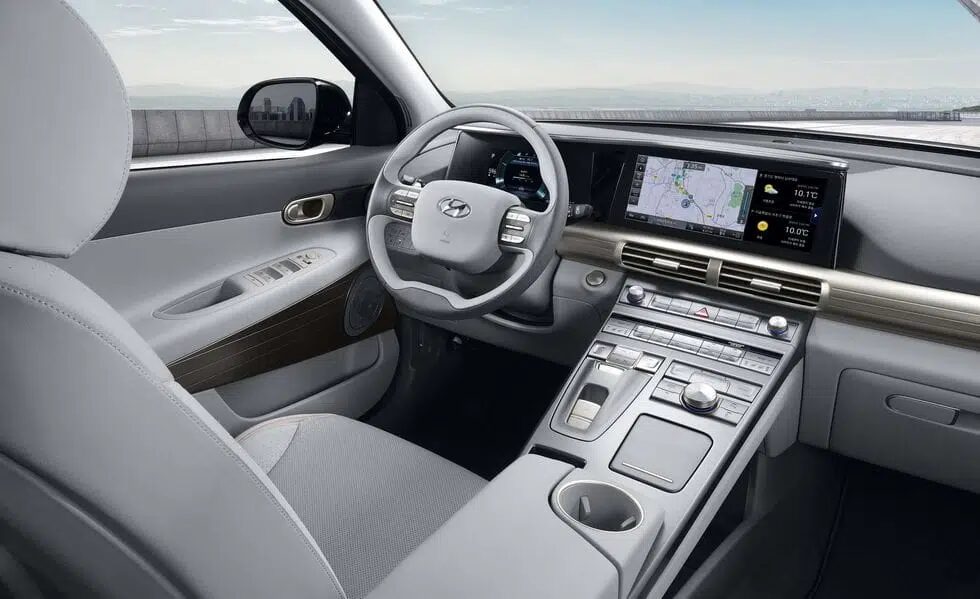

Clean Technology, Zero Emissions, and Air Purification: The Advancement of Hydrogen-Powered Cars in Brazil Could Transform Urban Mobility and Usher in a New Era for Renewable Fuels without Batteries, with Fast Refueling and Remarkable Range.
The arrival of the Hyundai Nexo in Brazil marks an important step for the future of sustainable mobility.
The hydrogen-powered SUV not only promises to eliminate polluting emissions but also has the capacity to purify the air while cruising through the streets.
Introduced for the first time in April 2024 at the International Seminar on Renewable and Low Carbon Hydrogen in Piracicaba, São Paulo, the Nexo is the latest model to integrate fuel cell technology into the Brazilian market.
-
Sleeping at different times each day can be a bomb for your heart and even double your risk of having a heart attack.

-
Without help and without heavy machinery, a woman builds a house from scratch with stone, wood, and cement, erects a chimney, creates a complete leisure area, and transforms an empty lot into her dream home.

-
Couple transforms abandoned house after years of being closed; residence was overgrown with weeds, had a green pool, and a deteriorated structure in the interior of Rio de Janeiro.

-
It surpassed the T-Cross, Creta, and Tracker: with nearly 8,000 units sold, the Volkswagen Tera was the best-selling SUV in March 2026.

This advancement is a bet by Hyundai for a future with less environmental impact, and Brazil is fertile ground for this type of innovation.
Tested in collaboration with the University of São Paulo (USP), the Nexo uses hydrogen produced from ethanol, a biofuel widely used in Brazil.
The vehicle boasts a range of 666 kilometers, putting it ahead of many electric vehicles in terms of range.
Moreover, the Nexo’s system emits only water vapor, a completely harmless byproduct, meaning the car is practically an air purification machine.
These impressive figures are not just numbers but represent the future of cleaner and more efficient mobility.
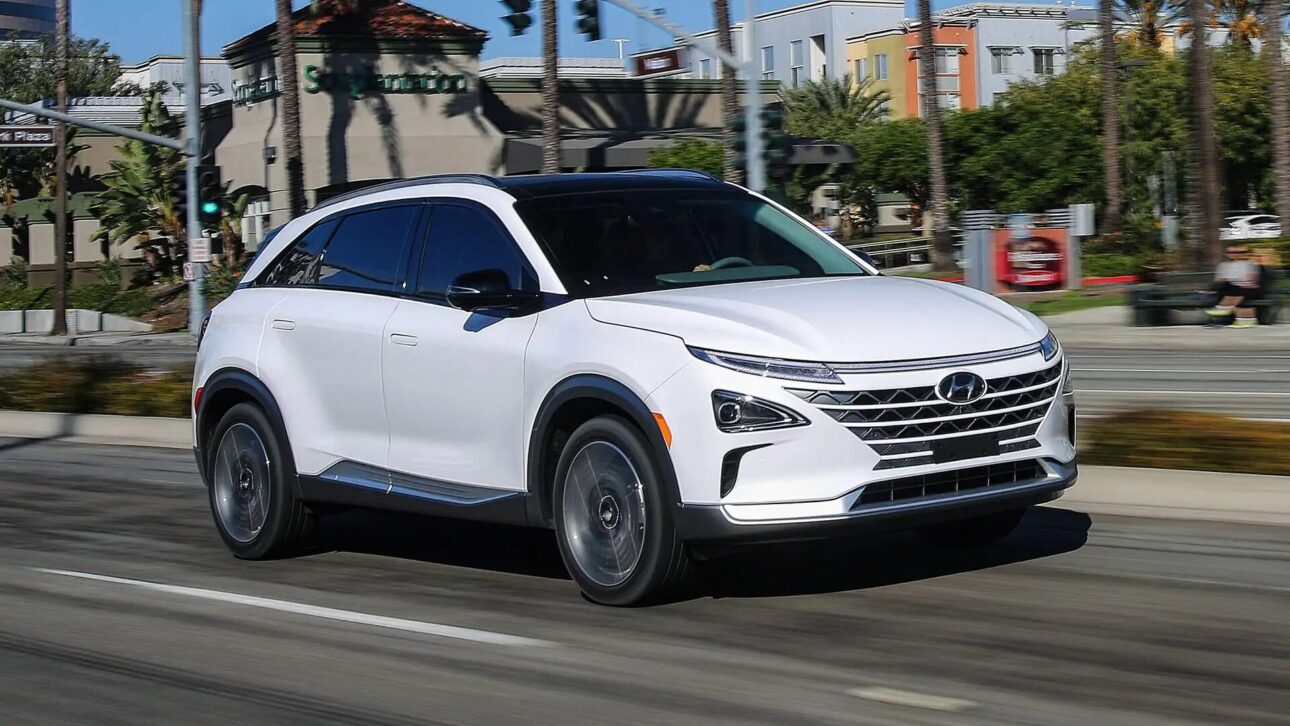
A Technology That Goes Beyond the Limits of Electric Cars
Unlike traditional electric vehicles, which rely on rechargeable batteries, the Hyundai Nexo generates its electricity through an electrochemical reaction between hydrogen and oxygen drawn from the air.
This process occurs in a fuel cell that transforms hydrogen into electricity to power a 163-horsepower electric motor with 37.1 kgfm of torque.
Additionally, the Nexo’s filtration system removes up to 99.9% of microparticles from the air, such as dust and pollen, making the expelled air cleaner than the environment around it.
This advancement is not limited to fuel efficiency but also has a positive impact on the environment.
The Nexo has been a showcase for global campaigns by Hyundai, such as one featuring Olympic swimmer Mireia Belmonte, who trained inside a bubble connected to the Nexo’s exhaust, breathing only the pure water vapor expelled by the vehicle.
This action not only demonstrates the car’s technological efficiency but also the real potential for improving air quality in large cities.
The Future of Hydrogen in Brazil: A Promising Market
Still in testing phase in Brazil, the Hyundai Nexo has sparked discussions about the future of clean mobility in the country.
Brazil stands out globally for its ethanol production, which can be efficiently converted into clean hydrogen.
Hyundai is closely monitoring this potential, as the production of renewable hydrogen from ethanol can be done directly at fuel stations, eliminating the need for fuel transportation and reducing associated costs.
However, the implementation of this technology faces challenges such as the lack of refueling infrastructure and the high production costs of green hydrogen.

Even with these obstacles, the Nexo points to a promising path for the decarbonization of Brazil, especially considering the country’s strong tradition in biofuels.
- Impressive Range: the Nexo offers 666 km of range on a single charge, surpassing many conventional electric vehicles.
- Fast Refueling: the Nexo can be refueled in just five minutes, a time comparable to that of a gasoline car.
- Air Purification: the Nexo’s filtration system removes 99.9% of microparticles from the air, helping to improve urban air quality.
- Cutting-Edge Technology: the Nexo is equipped with autonomous assistance and advanced safety systems, such as automatic braking and blind spot monitoring.
Fuel Cell: How the Nexo Generates Electricity
The Nexo is powered by a fuel cell, a technology that converts hydrogen into electricity through an electrochemical reaction.
The process begins with the storage of hydrogen in three high-pressure tanks, each with a capacity of 52 liters.
These tanks are reinforced to ensure safety under all usage conditions.
The hydrogen is then combined with oxygen drawn from the ambient air, generating electricity that powers the electric motor.
One of the main advantages of this technology is that, unlike traditional electric vehicles, the Nexo can be refueled in about five minutes, a time comparable to that needed to fill a conventional gasoline car’s tank.
Additionally, the absence of heavy batteries reduces the vehicle’s weight and eliminates the need for disposal of materials like lithium and cobalt, which can have significant environmental impacts.
Despite its efficiency, hydrogen production still faces challenges.
Currently, in Brazil, 96% of hydrogen is derived from fossil sources, such as natural gas.
However, Hyundai is betting on the transformation of ethanol into hydrogen to make the process more sustainable, leveraging Brazil’s experience in biofuel production.
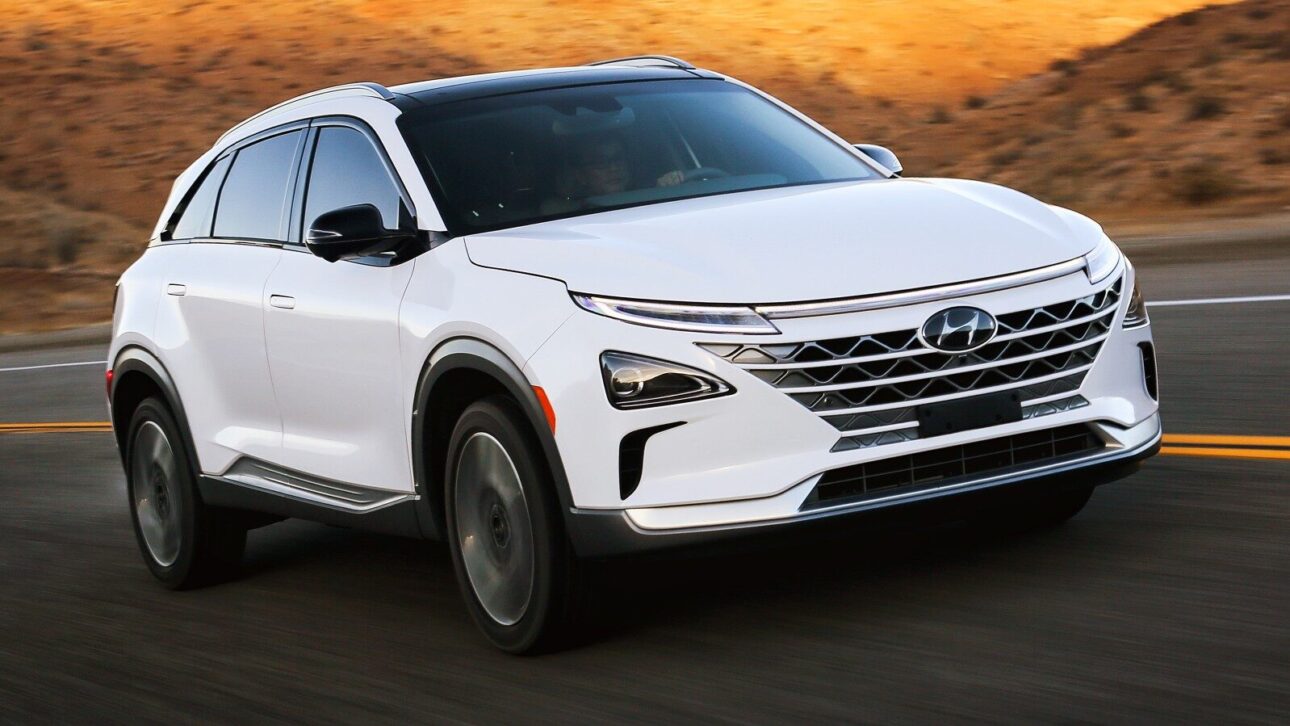
Brazil as a Strategic Hub for Renewable Hydrogen
Brazil presents itself as an ideal scenario for the adoption of renewable hydrogen.
As a global leader in ethanol production, the country has a natural advantage for converting ethanol into hydrogen through a chemical reforming process.
This process involves heating ethanol to high temperatures, between 600°C and 700°C, in a reformer, which separates hydrogen from other byproducts, such as carbon dioxide.
The great benefit of this process is that the CO2 emitted is offset by the carbon absorbed by sugarcane, resulting in a net emissions neutral cycle.
Hyundai, in partnership with USP, is testing the Nexo with hydrogen produced from ethanol at a refueling station on the university campus in São Paulo.
This is the world’s first test to use ethanol as a base for renewable hydrogen on an experimental scale, and this project also involves Toyota and other public transport companies.
Brazil also has other advantages to become a global hub for green hydrogen, such as a vast availability of renewable energy, sourced from hydroelectric plants, wind farms, and solar power.
Additionally, the country already has the fuel station infrastructure distributing ethanol, which would allow for the creation of a hydrogen refueling network more swiftly and with less need for new infrastructure investments.


The Future Is Near
The Hyundai Nexo is a significant step towards cleaner and more efficient mobility, not only in Brazil but worldwide.
The transition to renewable hydrogen is promising, and the country can benefit from the innovative technologies that the Nexo brings.
However, wide-scale adoption still depends on overcoming challenges such as refueling infrastructure and reducing production costs for hydrogen.
The Nexo is a true showcase of how technology can be used to reduce environmental impact and transform the way we move in cities.
And you, what do you think of this green revolution? Do you believe hydrogen will be the solution for sustainable mobility in Brazil? Leave your opinion in the comments!








Que matéria esquisita, qual a fonte? Trabalho na marca e não estou sabendo disso.
O produto q vc adquire hj como ultima geração…em dias, já se torna ultrapassado…isso é fenomenal!
O artigo poderia ser mais esclarecedor se informasse os custos atuais para a produção do Hidrogênio, a partir do Etanol. Ha muita matéria **** sobre soluções milagrosas de alternativa aos combustíveis fósseis, no entanto na matriz mundial continua predominando o velho e bom motor a combustão.
Muitos não acreditaram nesse motor a explosão, e continuaram com carroça de tração ****…