





 Portuguese
  English
  Spanish
  4 min of reading
  1 comment


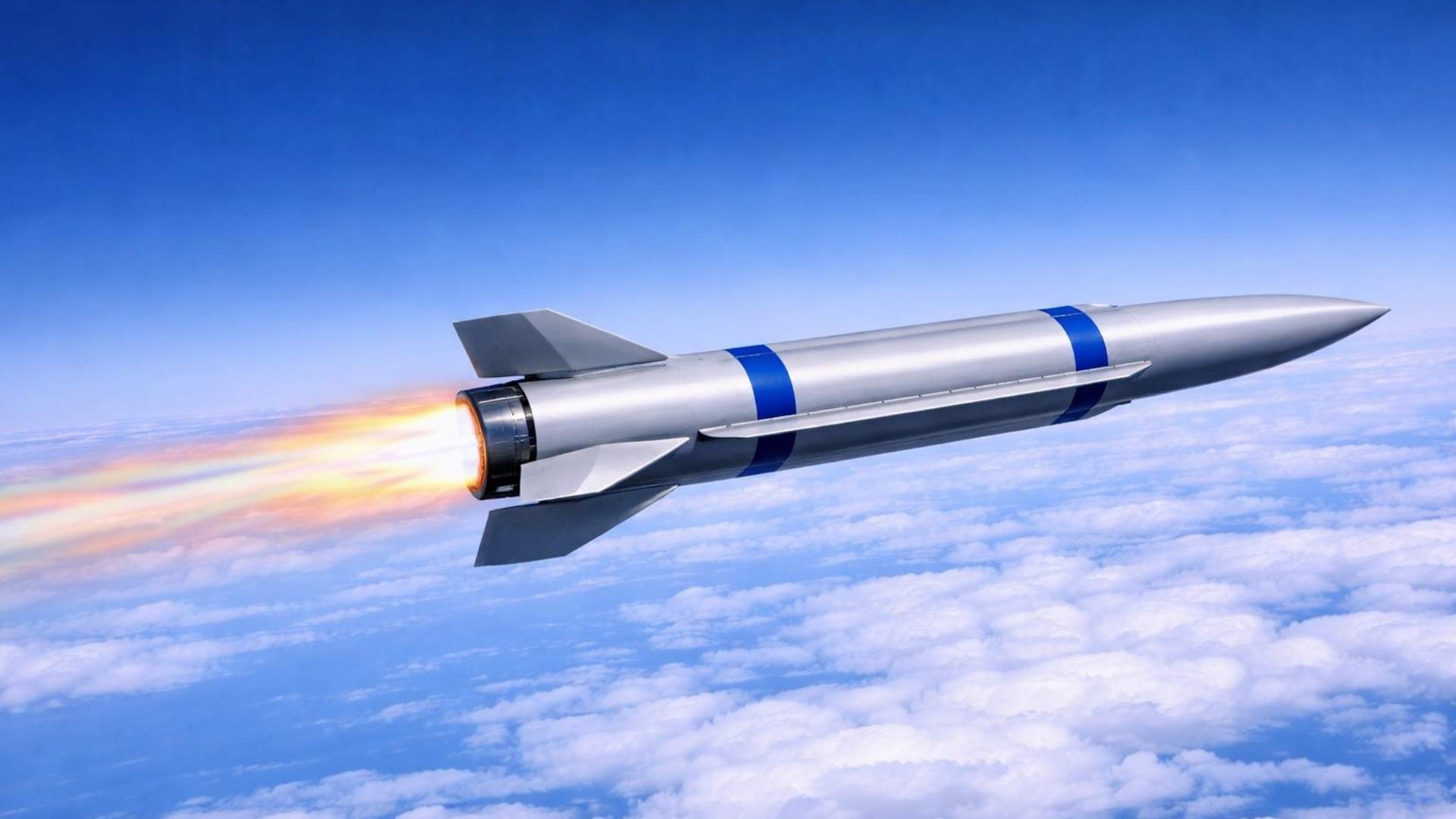


Hyundai Rotem Announces Plan to Develop Hypersonic Missile Capable of Surpassing Mach 5 and Reaching Approximately 6,115 km/h, Using HyCore Technology Tested at Mach 6 in 2024 at 23 km Altitude, with Mass Production Expected by 2035 in Partnership with the South Korean Defense Development Agency
Hyundai Rotem has announced plans to develop a hypersonic missile capable of reaching speeds exceeding Mach 5 for South Korea, with mass production expected by 2035. The project will be conducted in partnership with the Defense Development Agency (ADD).
The initiative positions Hyundai Rotem, a subsidiary of the Hyundai Motor Group focused on defense and rail systems, in a strategic program aimed at developing high-speed military technologies. The goal is to create a hypersonic missile capable of exceeding five times the speed of sound, approximately 6,115 kilometers per hour.
Weapons of this type are capable of conducting long-range attacks in a matter of hours. The combination of extreme speed and maneuverability poses a significant challenge to interception systems currently in operation.
-
In Mexico, a 3,000-year-old Maya site with the dimensions of an entire city may have been built as a colossal map of the cosmos, created to represent the order of the universe and reveal how this people organized space, time, and rituals.

-
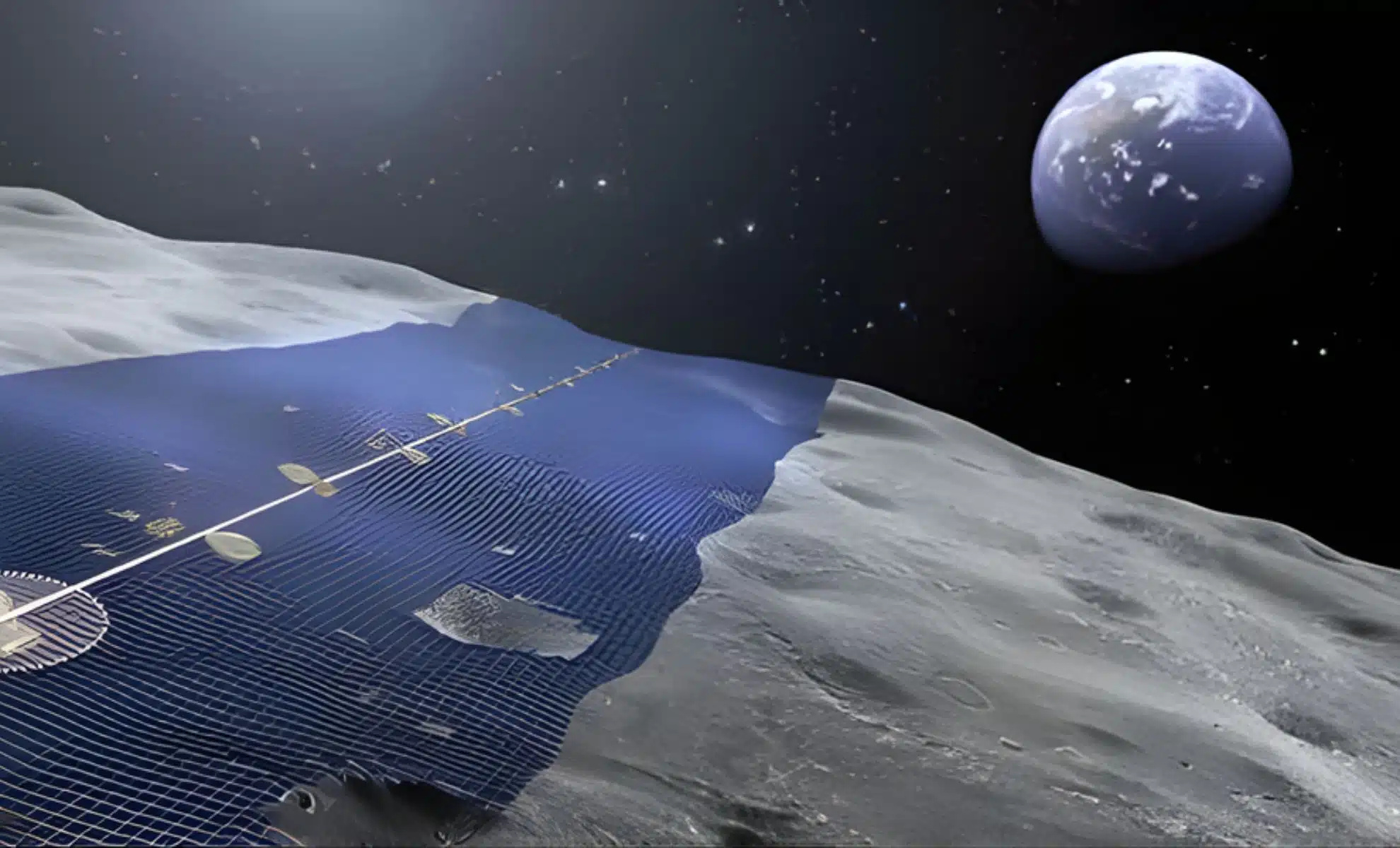
Japan wants to build a solar ring of 10,900 kilometers on the Moon to continuously send energy to Earth.
-
Weighing almost 1 ton, with temperatures of up to 3,000°C, the ability to launch 10,000 fragments within a radius of 1 km, capable of penetrating concrete and melting steel, Turkey’s terrifying bomb emerges as one of the most destructive non-nuclear weapons ever presented.

-
After a submarine disappeared beneath the “Doomsday Glacier,” scientists announce a new monstrous machine capable of operating at 3,000 meters depth to return to the heart of the ice and investigate a threat that could raise sea levels worldwide.


Development of the Hypersonic Missile by Hyundai Rotem
The hypersonic missile project will be developed in direct collaboration with the South Korean Defense Development Agency. The goal set by the institutions is to achieve mass production by the year 2035.
The central technology of the project involves the HyCore propulsion system, which allows stable combustion at hypersonic speeds. This system utilizes oxygen present in the upper atmosphere to sustain the combustion process during flight.
HyCore has been under development by Hyundai Rotem and the ADD since 2018. The technology is considered critical for the operational viability of a hypersonic missile capable of maintaining speeds exceeding Mach 5.
HyCore System Tests and Data Obtained
In a test conducted in 2024, the HyCore system surpassed Mach 6 at an altitude of approximately 23 kilometers, equivalent to about 14.3 miles. The experiment provided a significant amount of technical data for the next phase of development.
According to internal evaluations by the company, the results obtained indicate that the timeline for mass production by 2035 is considered feasible. The projection depends on the maintenance of the current pace of technological progress and development.
The data collected during the tests will be used to enhance the propulsion system and the overall performance of the future hypersonic missile. This step is considered essential for the consolidation of the technology.
International Race for Hypersonic Technologies
Currently, the United States, Russia, and China operate hypersonic missiles. Several other global powers are also seeking to develop their own capabilities in this type of weaponry.
Among the countries involved in this technological race are India, France, the United Kingdom, and North Korea. The advancement of these initiatives has driven new investments in defense programs based on hypersonic technology.
According to a report by the Korea Times, South Korea is looking to enhance its own hypersonic capabilities in light of the increasing presence of this technology among neighboring countries.
Regional Context and Military Strategy
The development of the hypersonic missile is part of South Korea’s efforts to strengthen its military position in a regional environment marked by the expansion of advanced weaponry.
North Korea has been investing in hypersonic technology since 2021. The country conducted tests and claimed to have successfully launched a hypersonic ballistic missile last year, although South Korean authorities have questioned the data released.
China possesses operational hypersonic systems, such as the DF-17, introduced in 2019. The country is also developing variants capable of achieving Mach 7 with reduced production costs.
Japan is also advancing in this technological field. The country is working on developing its own hypersonic missiles and plans to deploy national interceptors by 2027.
Expert Evaluations on the Hypersonic Missile
In statements to the Korea Times, Yang Uk, a researcher at the Asan Institute for Policy Studies, stated that this type of weapon would allow for very rapid attacks against strategic targets.
According to him, a hypersonic missile could quickly and efficiently target important facilities in North Korea. The assessment highlights the military potential associated with this type of technology.
Yang noted that South Korea already possesses relevant attack capabilities through the Hyunmoo missile series. Still, he stated that the development of hypersonic technology could strengthen these existing capabilities.
The researcher also stated that expanding deterrence options is considered necessary. He highlighted that the development of hypersonic weapons could broaden the deterrence strategy beyond a sole focus on North Korea.
Technological Expansion of the Hyundai Group
The HyCore initiative also represents an expansion of the technological scope of the Hyundai Group. The company has been broadening its activities beyond traditional automobile manufacturing.
With the acquisition of Boston Dynamics, the group has also entered the humanoid robotics market. This sector is projected to reach an estimated value of US$ 5 trillion by 2050.
The development of the hypersonic missile is part of this broader movement of technological diversification within the South Korean conglomerate.









LOS. MISILES. HIPERSONICOS. DE LA. REPUBLICA. DE. IRAN. SON MAS. RAPIDOS. SE. DESPLAZAN. A. MACH 12