





 Portuguese
  English
  Spanish
  3 min of reading
  0 comments


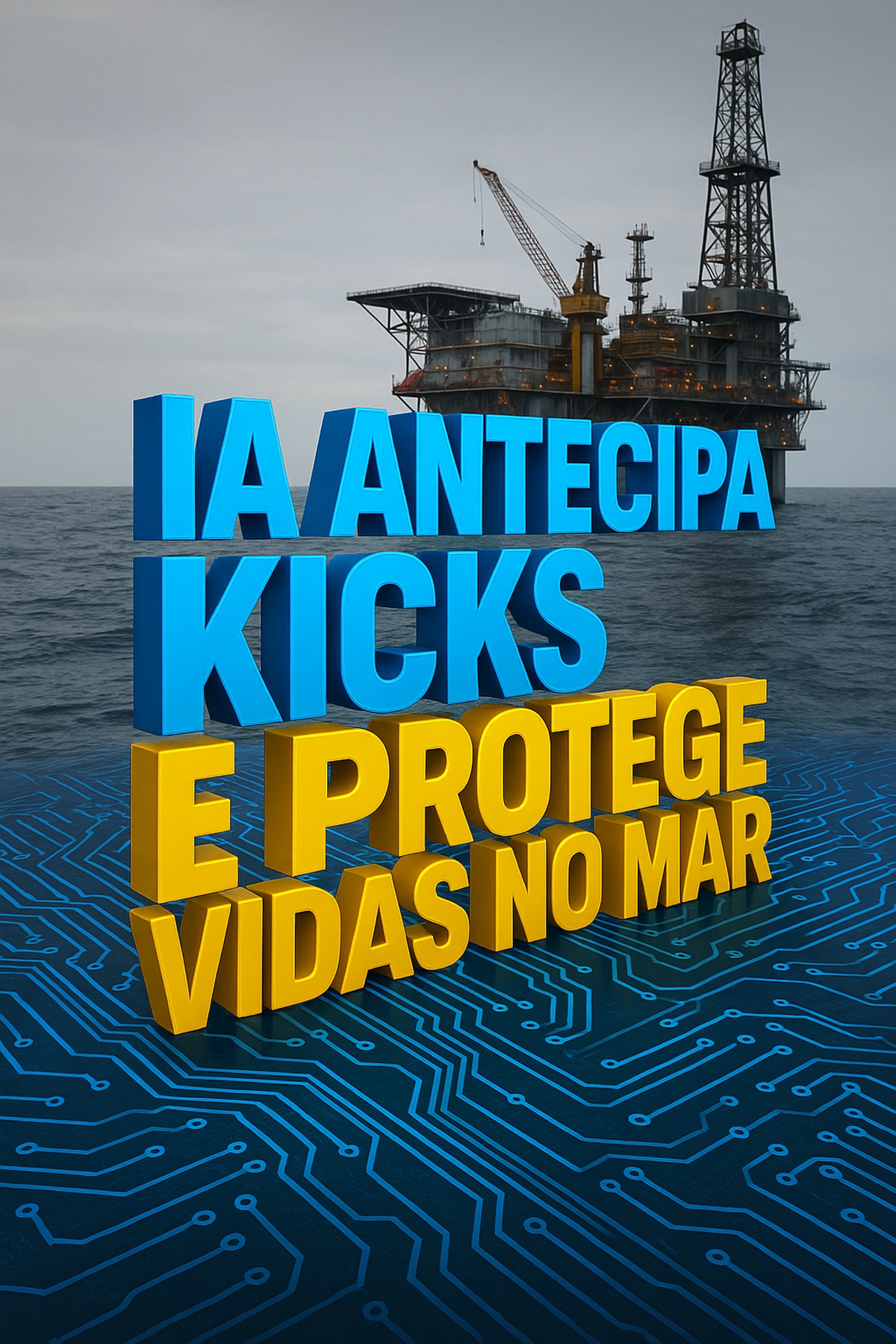
Artificial Intelligence Enhances Safety and Averts Emergencies in Brazilian Maritime Operations
An innovative solution has been quietly transforming offshore drilling operations in Brazil since 2022. Thus, a consortium formed by the National Subsea Centre (United Kingdom), ITMO University (Russia), and University of Glasgow created the DataDRILL project, which uses artificial intelligence to predict critical situations more safely.
Moreover, the system processes real-time data to detect kicks — dangerous influxes of fluids — before they become serious emergencies. In this way, platforms in the Campos Basin and in the Pre-Salt have already been benefiting from this technology since July 2024.
International Technical Study Ensures Real-Time Monitoring
To make operations more reliable, DataDRILL combines soft sensors, neural networks, and algorithms that process variables such as well depth, pressure in the drilling pipe, weight on the bit, and return flow.
-
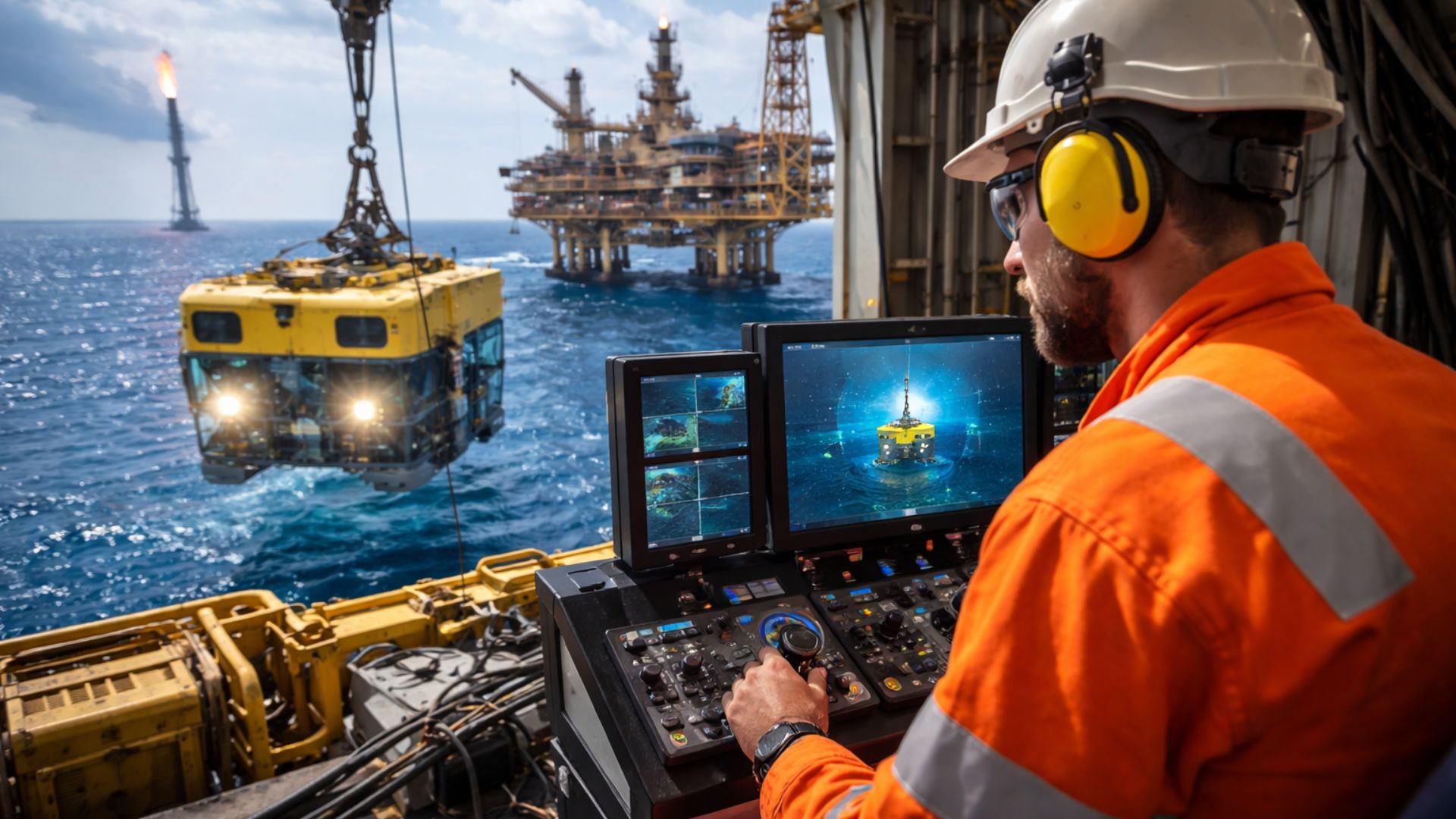
With Announcement for ROV Course in Partnership with Zen, Rio das Ostras Aims to Transform Technical Qualification into Real Jobs in the Competitive Offshore Market
-
Free Offshore Steward Course in São Gonçalo Emerges as a Strategic Opportunity for Those Seeking Qualified Work at Sea

-
Messer Gases Reopens Branch in Macaé to Serve Offshore Oil and Gas Market in Northern Fluminense with Supply of Oxygen, Argon, and CO₂
-
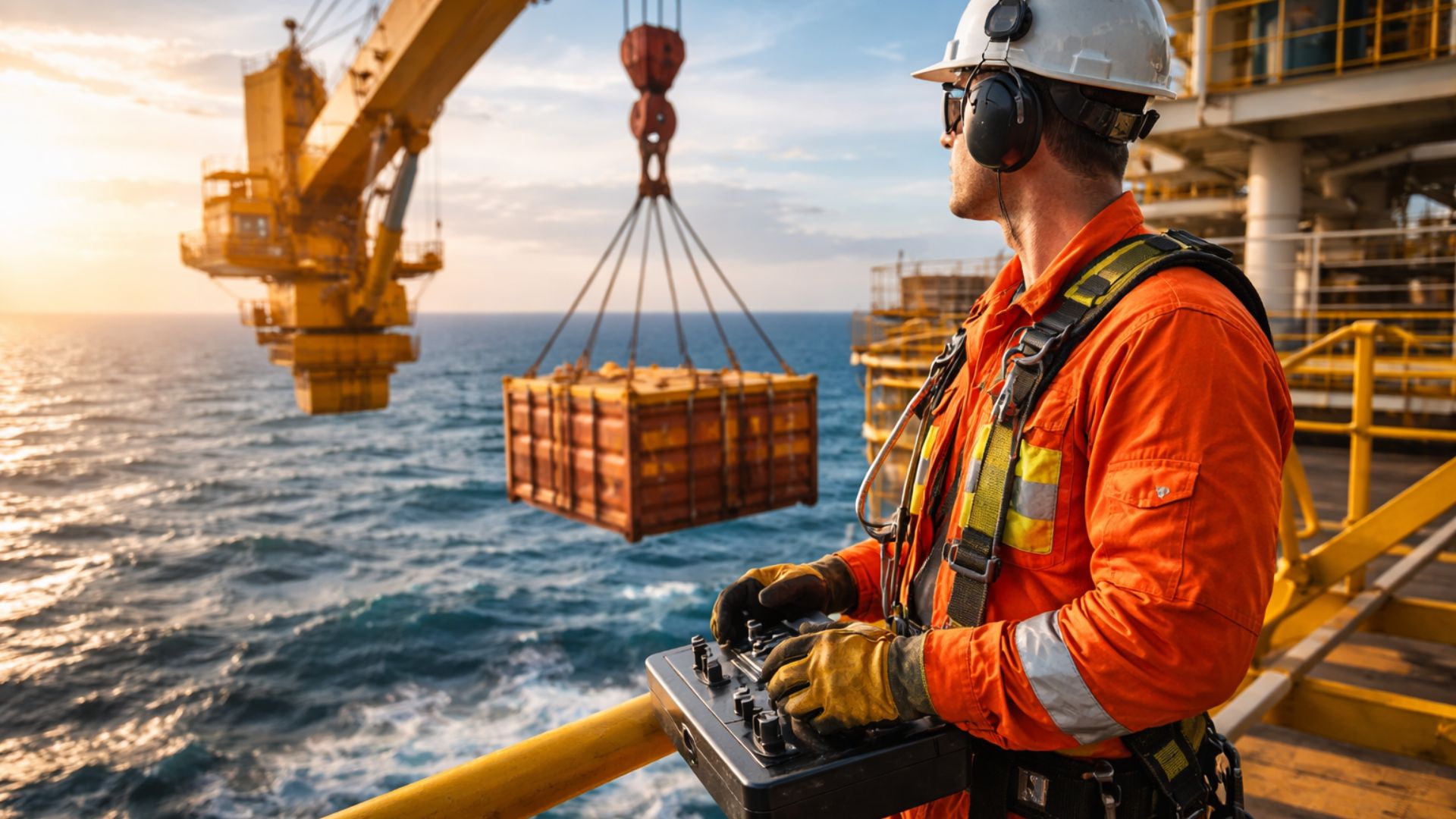
Offshore Profession Simplified: Comprehensive Guide Reveals How to Trade Common Routine for High Salaries and Long Breaks in Life Aboard in the Oil Sector
Therefore, according to reports from University of Glasgow, tests conducted between May and June 2024 indicated an accuracy greater than 90%, validating the potential to save lives, as well as reducing costs and preventing serious accidents.
Thus, this advancement positions Brazil at the forefront of AI use in high-complexity offshore environments.
Direct Impacts on Operations and Finances
The practical application of AI, initiated in the Campos Basin in July 2024, already shows concrete results. The National Subsea Centre states that the system prevents unplanned shutdowns, saving millions in operational costs.
Additionally, the implementation of digital twins alongside the predictive model makes it possible to perform real-time risk simulations, strengthening operational control and incident management.
Consequently, researchers from ITMO University estimate that, by December 2025, the technology will be expanded to other fields along the Brazilian coast.
How the Predictive Model Works in Practice
To ensure effective predictions, the system collects information from sensors installed in the wells, feeding algorithms that recognize pressure variations preceding a kick.
Thus, teams receive automated alerts and can act quickly to prevent larger issues.
- Monitored Variables:
- Well Depth
- Pressure in the Drilling Pipe
- Weight on the Bit
- Return Flow
Therefore, this integration provides a comprehensive view, allowing for quick and effective responses in complex environments.
Campos Basin Becomes Showcase for Innovation
The Campos Basin, explored since the 1970s, remains strategic for the sector. However, its complex geology requires more advanced monitoring.
According to the National Agency of Petroleum, Natural Gas and Biofuels (ANP), this area concentrates a large part of the national offshore production, making security essential.
Furthermore, companies already using DataDRILL report gains in efficiency, risk reduction, and operational savings, demonstrating the model’s effectiveness.
Commitment to the Environment and Transparency
To ensure that this advancement does not compromise the ecosystem, the project adheres to strict sustainability criteria. The University of Glasgow, which released the first datasets in May 2024, highlights that data openness encourages more responsible practices.
In addition, the ANP emphasizes that all applications of this technology must comply with environmental regulations.
Timeline of DataDRILL Evolution
- 2022: Project launched by universities from the United Kingdom, Russia, and Scotland.
- 2023: Validation of prototypes and algorithms.
- May 2024: Publication of public datasets.
- July 2024: Deployment in the Campos Basin.
- December 2025: Expansion to Pre-Salt fields.
AI in Drilling: A Standard for the Future
Experts from the National Subsea Centre believe that soon, AI will become essential for reducing risks, optimizing operations, and ensuring competitiveness in the energy sector.
Thus, DataDRILL proves that artificial intelligence, predictive data, and real-time monitoring are fundamental for a safer, more efficient, and sustainable offshore industry.
Meanwhile, success depends on technical training, regulatory transparency, and environmental commitment to ensure that each advancement protects workers, nature, and resources.







Seja o primeiro a reagir!