





 Portuguese
  English
  Spanish
  4 min of reading
  0 comments


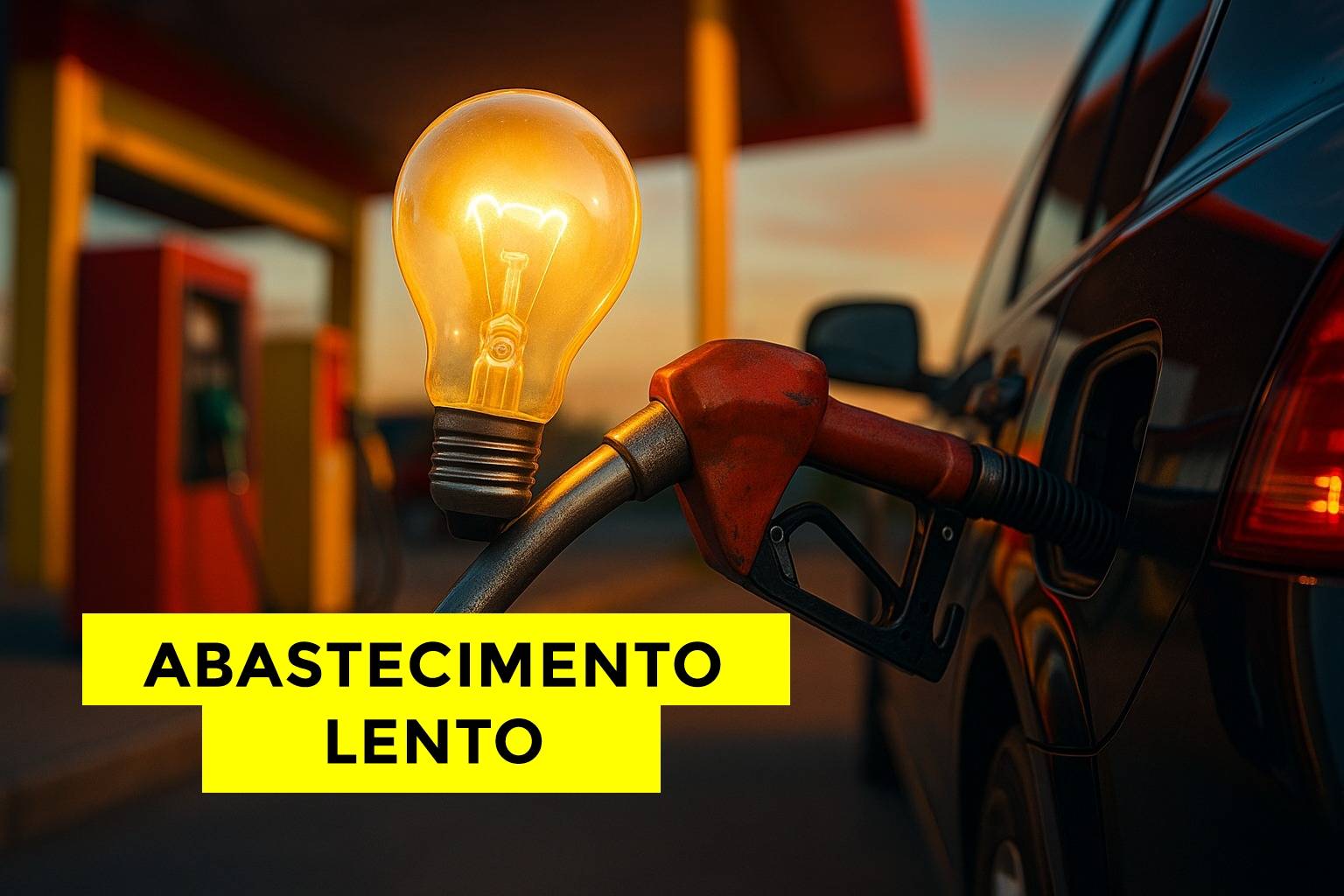
Proposal Suggests Drastically Reducing the Speed of Gas Pumps to Make Refueling Slower, Balance the Comparison with Electric Vehicles, and Accelerate the Energy Transition in Cities
Making the act of refueling gasoline slower could encourage drivers to switch to electric vehicles, especially if charging at home is more advantageous, argues the specialized portal Ecoinventos.
The idea proposes an unexpected alternative: reduce the speed of fuel pumps to transform a daily habit and generate environmental, urban, and public health benefits without large investments.
For its supporters, making refueling slower can produce real changes in collective behavior.
-
How the terraforming of Mars can transform the planet: artificial aerosols can increase the temperature by up to 35°C in 15 years, creating conditions for liquid water.

-
Scientists drilled nearly 8,000 meters into the ocean floor above the fault that caused the 2011 tsunami in Japan and discovered that a layer of clay 130 million years old was responsible for making the wave much worse than any model had predicted.

-
Thousands of years after causing the largest eruption of the Holocene, one of the world’s largest supervolcanoes is rebuilding itself beneath the sea south of Japan, receiving new magma and alarming scientists with its transformation.

-
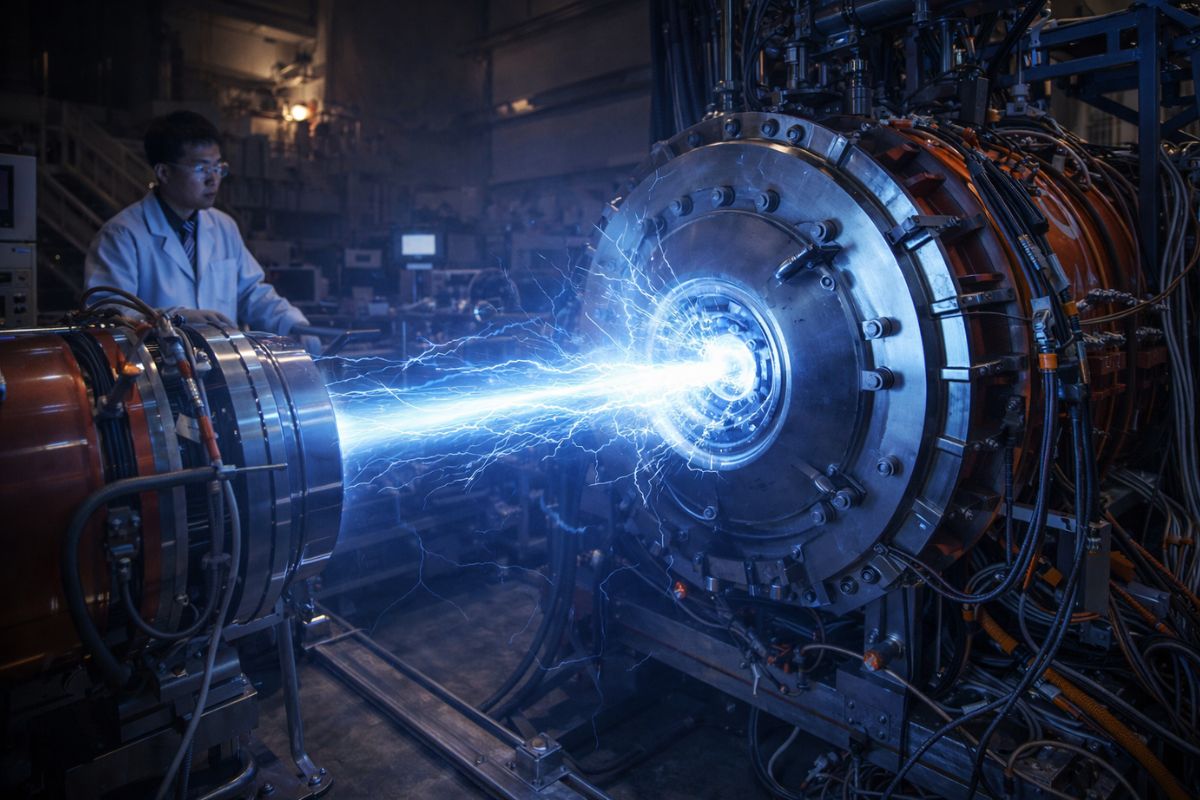
China has activated a magnet 700,000 times more powerful than the Earth’s magnetic field that operates for over 200 consecutive hours while consuming little energy, and now the world wants to know what Beijing plans to do with this technology in 2026.

Slower Pumps as a Viable Policy
Slower gas pumps, fewer emissions with each refill, and indirect encouragement for the use of electric vehicles are part of the same logic.
Improvements in air quality, public health benefits, zero cost to taxpayers, and immediate impact without relying on future technologies are also included.
The central question is simple: instead of seeking faster chargers, why not make gas pumps slower?
While energy companies, state governments, and private developers compete to install more powerful chargers for electric vehicles, a more discreet path may offer equal or even greater results.
This change does not require complex infrastructure or technical advancements. It would only take adjusting a rule capable of affecting millions of drivers.
A Precedent That Already Exists
In 1993, the United States Environmental Protection Agency legally limited the maximum flow of gas pumps to 37.8 liters per minute, aiming to reduce evaporative emissions and increase safety at gas stations.
The regulation, called 61 FR 33033, came into effect in 1996 and remained in force without generating large debates.
However, in 2025, with global warming out of control, wildfires hitting records, and increased political pressure to meet the Paris Agreement, many consider it insufficient to maintain the original rule. For these advocates, it is time to revisit old regulations with a more ambitious logic: making the use of fossil fuels less convenient.
The Proposal
The idea is to reduce the maximum allowed flow at the pumps, for example, from 37.8 to 11.3 liters per minute. In practice, a vehicle like the Ford F-150, with a 136-liter tank, would go from needing less than 4 minutes to requiring more than 12 for a full refuel.
If there is a line at the station, the total process could exceed 20 minutes. This time begins to approach what an average electric car takes to charge from 10 percent to 80 percent at a fast charger.
The goal is to level the conditions: when refueling gasoline becomes as slow as charging an electric vehicle, the advantages of the latter become more evident.
Charging at home, avoiding waits, eliminating smoke and noise become stronger arguments, especially in cities where convenience and time weigh decisively.
Broad Benefits
The proposal may seem unexpected, but major oil companies are already observing this changing landscape. In 2022, BP stated that its electric charging division was about to become more profitable than traditional pumps.
With over 2 billion euros invested in electric infrastructure, the company stopped treating the sector as an experiment and began viewing it as a strategic pillar.
The reasons are clear. Electric vehicle chargers keep users at the location longer, which increases the sales of high-margin products, such as coffees, snacks, lotteries, and services.
According to industry data, these products account for more than 60% of the profits from stations, even though they make up only a fraction of total revenue.
Moreover, reducing gasoline consumption decreases invisible costs to society. Among these are respiratory diseases, environmental damage, spill risks, fires, and oil-related conflicts. These costs do not appear in the price per liter, but they fall on everyone.
Measure That Does Not Prohibit but Guides
This type of change does not prevent anyone from using gasoline. It only requires more time to refuel, which can modify routine decisions. It is a way to adjust the speed at which someone can continue polluting, without prohibiting the product or restricting access to it.
Several cities in California, New York, and Berlin are studying restricting combustion cars in central areas. However, this requires local legislation, structural alternatives, and long timelines. On the other hand, reducing the flow of pumps can be implemented by state regulation, gradually, at no cost to taxpayers and without waiting for next-generation batteries.
The Risks and Reactions
It is clear that the proposal will not please everyone. More resistant groups may see it as an imposition. Some drivers may interpret it as an obstacle to their freedom. But no one would have their car taken away or be prevented from refueling. They would only change the speed at which they could do so.
In many ways, the idea is similar to taxes on tobacco or restrictions on single-use plastics. They do not eliminate the product immediately, but send a clear signal about the necessary direction for the future.










Seja o primeiro a reagir!