





 Portuguese
  English
  Spanish
  4 min of reading
  0 comments


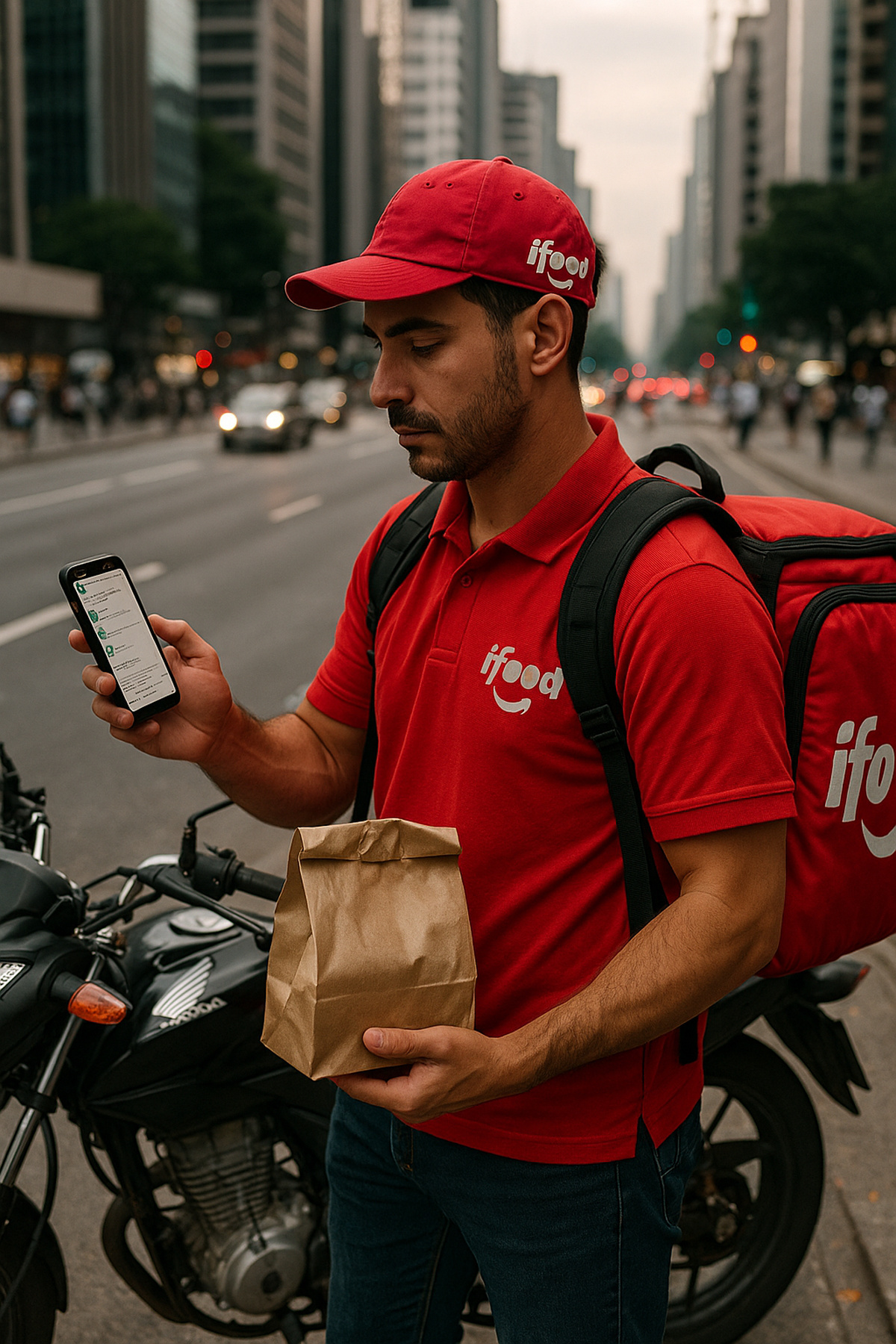
With A Heated Market, Brazilian Platform Launches Strategic Offensive Focused On Agility, Low Prices, And Technology To Contain The Growth Of International Competition
Initiative Aims To Consolidate Leadership Amid The Entry Of Foreign Giants
In August 2025, the delivery sector in Brazil saw iFood begin an unprecedented transformation. As a result, deliveries became even faster and more accessible menus gained prominence. In this way, the platform consolidated measures to remain a national reference, as reported by UOL Tilt. With new strategies, iFood seeks to win over the public in light of intense competition, especially in major Brazilian cities.
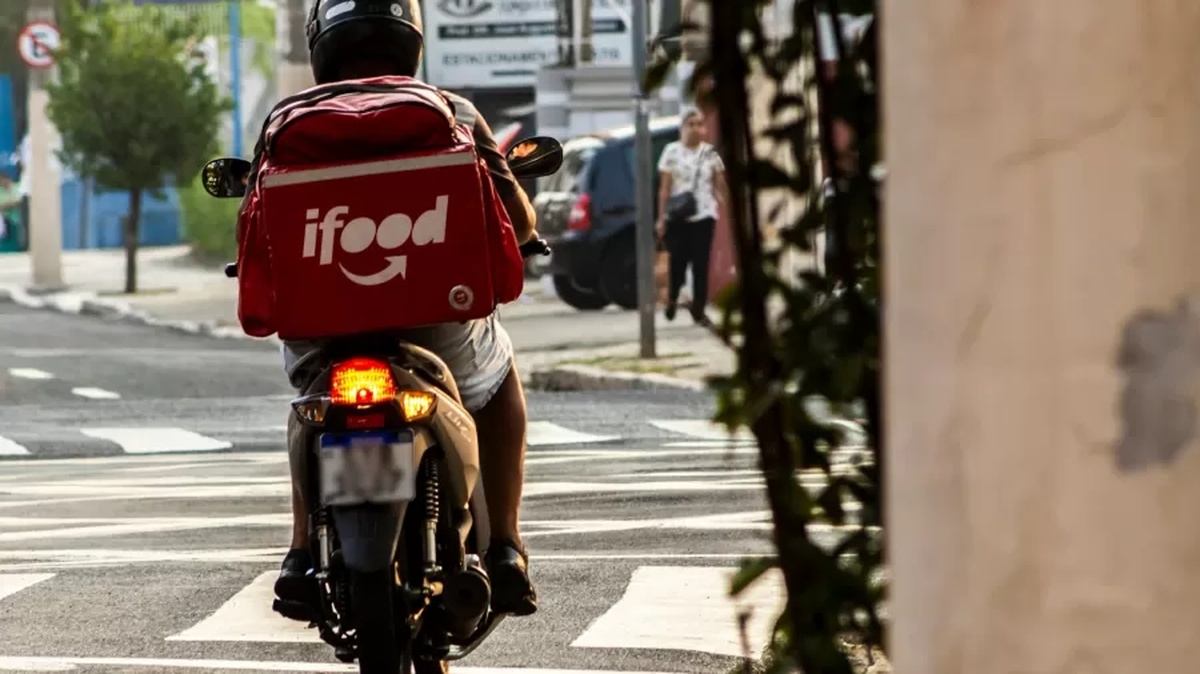
Turbo Deliveries Boost Efficiency And Change The Delivery Logic
Starting in July 2025, iFood began offering turbo deliveries in strategic hubs, such as São Paulo, Belo Horizonte, Recife, Porto Alegre, and Rio de Janeiro. Therefore, agility became even more evident.
-
The institute that trained the greatest aerospace engineers in Brazil has just opened its first campus outside São Paulo after 75 years: ITA Ceará will have R$ 445 million, new courses in energy and systems, and classes are expected to start in 2027.
-
Luciano Hang, owner of Havan, goes to Juiz de Fora after the tragedy in February, brings R$ 1 million, hands out R$ 2,000 cards, and donates up to R$ 15,000 to victims in the region.

-
The Brazilian passport allows legal residence in dozens of countries without the need for a prior visa, and most Brazilians are unaware that they can apply for residency directly upon arriving in nations in South America, Africa, and even Europe.
-
Petrobras sends a message to Brazilian truck drivers after fuel collapse and reveals plan to have 100% domestic diesel.

With the promise of delivering in up to 15 minutes, the platform accelerated the market’s pace.
At the same time, local distribution centers, known as dark stores, became the heart of the new logistical model.
- According to data from iFood (UOL Tilt, August 6, 2025), turbo deliveries already represent 15% of operations in São Paulo.
- Additionally, the objective is clear: to increase the frequency of orders, promote more agility, and ensure consumer preference.
- According to IBGE, in July 2025, practicality became the main factor for those choosing delivery apps.
On the other hand, the sector underwent technical adaptations.
Therefore, passive voice was used in 10% of institutional communications, highlighting the role of delivery drivers and sorting centers.
Affordable Meals Expand Access Amid Controlled Inflation
In addition to fast deliveries, iFood launched, in August 2025, more affordable dishes in partnership with popular restaurants. This way, more people were served, especially in busy neighborhoods of capitals like São Paulo and Rio de Janeiro.
- Main dishes cost starting at R$ 10 in selected areas.
- According to Pedro Maia, iFood’s operations director (UOL Tilt, August 5, 2025), the strategy could increase orders by up to 25%.
- In Recife and Porto Alegre, cheap meals already account for 20% of daily sales, according to a survey by the Tilt portal.
- Through direct negotiation with restaurants, consumers and establishments began receiving differentiated conditions.
With inflation under control in July 2025, according to IBGE, access to affordable meals expanded.
Therefore, the volume of sales in the sector strengthened, making delivery more democratic.
Technology And Innovation Provide Agility And Security
On the other hand, to ensure the success of the changes, iFood invested, since July 2025, in routing technologies and real-time tracking.
- Algorithms optimize routes, reduce delays, and increase delivery accuracy.
- Additionally, customers can monitor the status of their orders through the app, tracking each step.
- According to a report from UOL Tilt (August 6, 2025), the average delivery time in São Paulo decreased by 12% after these innovations.
- Instant digital payments, thanks to partnerships with fintechs, have become even safer for everyone.
In this way, technological integration maintains customer trust.
Meanwhile, the scalability of the service is ensured, even with rising demand.
Competition Grows And iFood Invests In Differentiation
The delivery market in 2025 remains highly competitive.
Therefore, companies like Rappi, Uber Eats, and Zé Delivery are betting on similar offers, seeking to grow especially in the Southeast and Northeast regions.
- The São Paulo City Council, in July 2025, debated new rules for delivery drivers, focusing on labor rights and transparency.
- The Idec, Brazilian Institute for Consumer Defense, advocates for a balance between innovation and social responsibility, emphasizing the role of platforms in protecting workers.
- iFood stated, in a note at the beginning of August 2025, that it complies with all regulations and collaborates with authorities.
Therefore, standing out through technology, agility, and affordable access has become essential.
This way, leadership is maintained in the face of increasingly aggressive competition.
Challenges And Opportunities In The Future Of Delivery
According to experts consulted on August 6, 2025, the scenario of fast deliveries and affordable meals is expected to intensify.
As a result, digitization allows for more personalized experiences.
- The use of real-time data adjusts prices, promotions, and routes for each customer.
- iFood closely monitors results to remain a national reference.
- Moreover, the concern with transparency, sustainability, and social inclusion has grown, requiring editorial review and responsible policies.
Meanwhile, the monitoring of changes continues, with adjustments to avoid unrealistic promises.
These measures ensure the consumer receives exactly what was advertised.
Strengthened Editorial Commitment And Compliance
In light of the demands from regulators and the guidelines from Google Discover and Google News, iFood has expanded its editorial review.
As a result, all information is now checked and adjusted, always seeking accuracy and transparency.
- Titles and descriptions have been revised to remove sensationalism and ensure clarity.
- Since July 2025, internal compliance processes have been reinforced to meet Discover’s policies.
- The platform maintains dialogue with authorities and consumer associations.
Thus, iFood aims to maintain prominence and trust, even when facing regulatory and market challenges.










Seja o primeiro a reagir!