





 Portuguese
  English
  Spanish
  5 min of reading
  0 comments


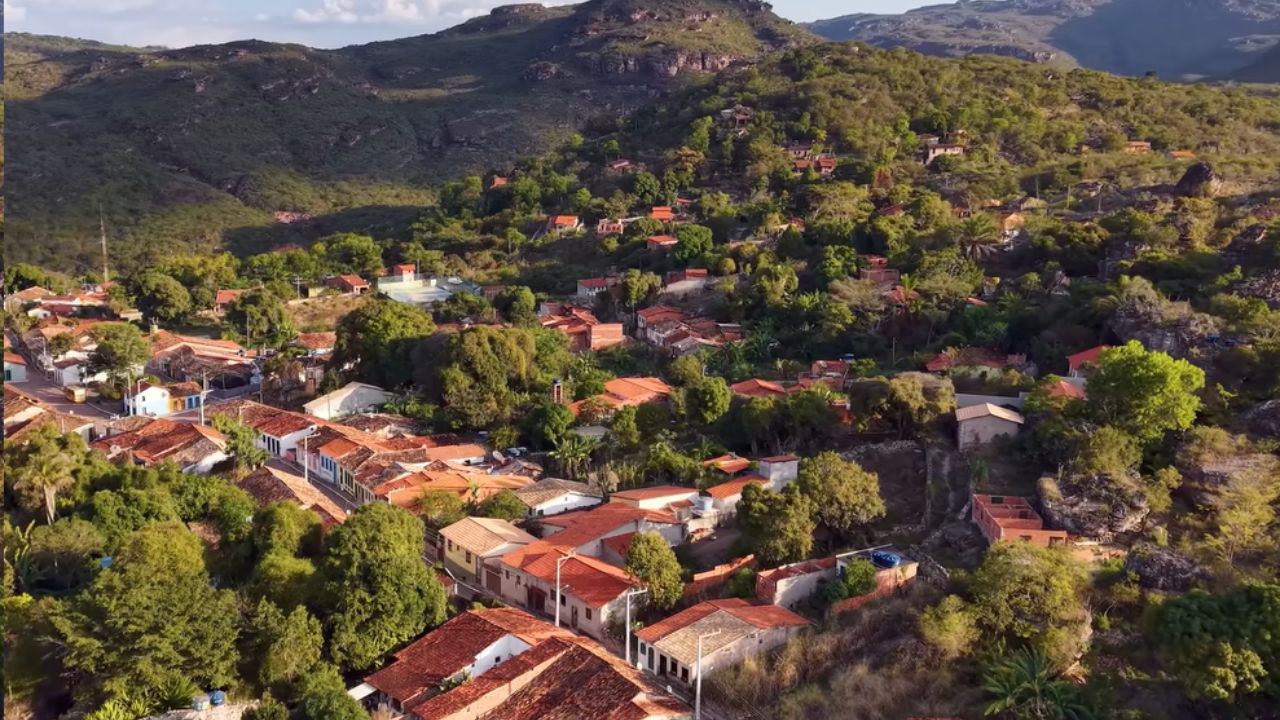
From Ruins of Mining to an Ecotourism and Culture Pole, Discover the Story of Igatu, the Village That Time Almost Erased in Chapada Diamantina.
The story of Igatu, the Village That Time Almost Erased, is one of the most fascinating examples of reinvention in Brazil. Located in Chapada Diamantina (Bahia), the small district of Andaraí, which once housed over 9,000 people at the height of diamond exploration, now has exactly 441 residents, according to the meticulously kept local census by Amarildo, one of the iconic figures of the village.
Far from being a “ghost town”, Igatu transformed its ruins and the harsh memory of the mining into its greatest asset. As documented by the portal Rolê Família during a recent visit, the village managed to rise again, attracting visitors not only for its impressive stone constructions but for its hospitality, vibrant art in its center, and the adventure sports practices that redefined the old miners’ trails.
The Ruins of Luís dos Santos Neighborhood: The Epicenter of Mining
The main postcard of Igatu, and what attracts most visitors, are the ruins of the Luís dos Santos Neighborhood. Where today there is a labyrinth of abandoned stone walls, there once existed a vibrant neighborhood. The local guide LP, in an interview with Rolê Família, explains that the place was self-sufficient in the past. “According to the elders, it even had its little market, all its movement here was so great that it was”, reports LP.
-
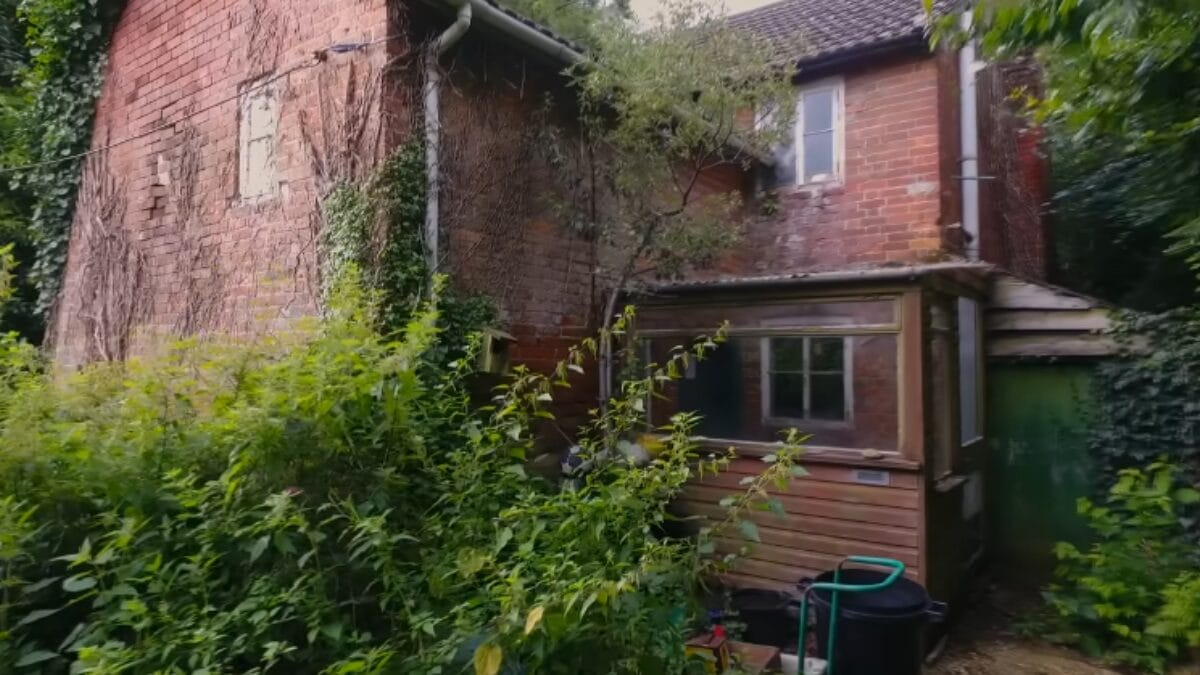
Abandoned 100-year-old house that was being engulfed by vegetation undergoes a 14-month renovation and has seen its value soar after the final result.
-
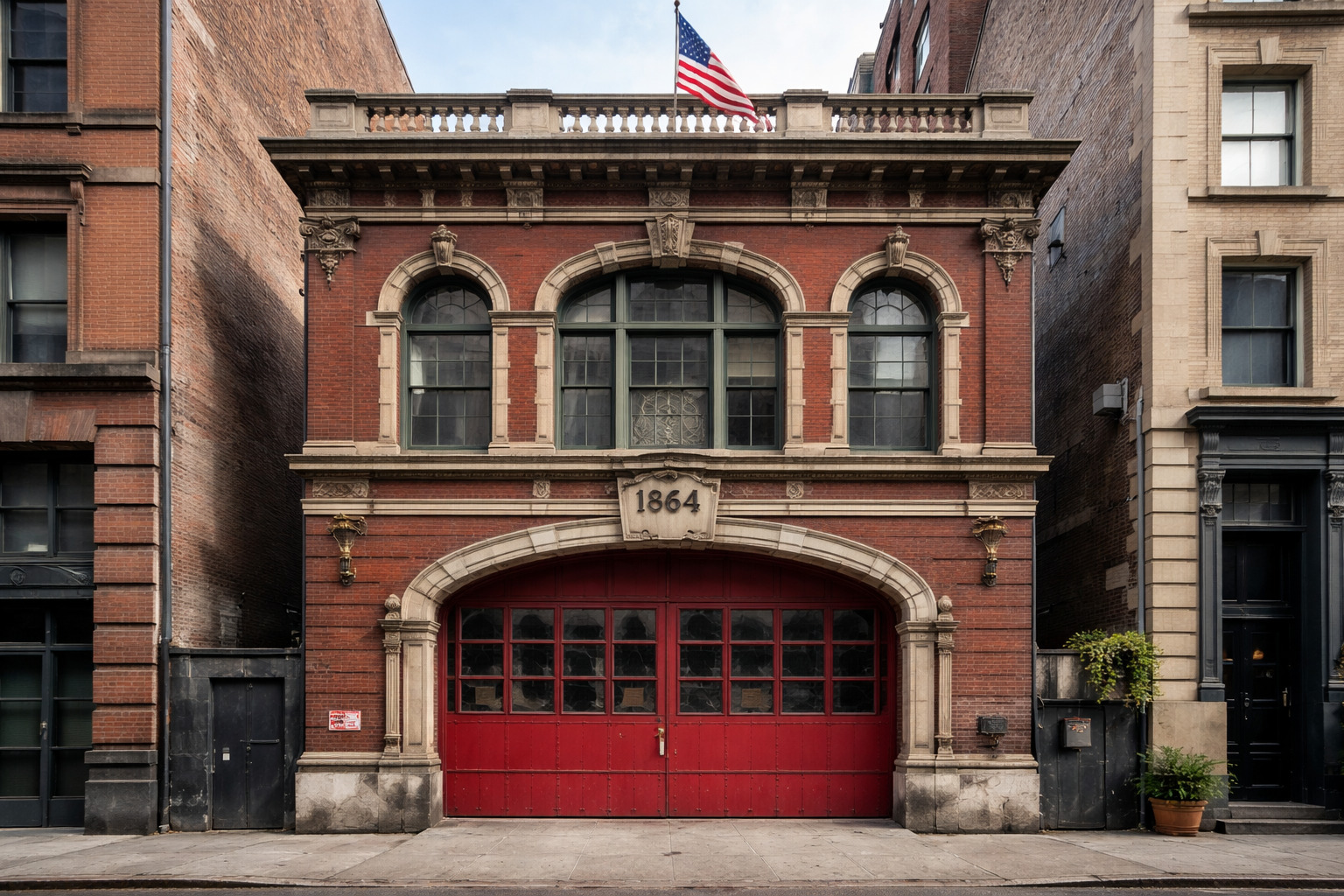
Incredible renovation transforms 1864 fire station into a 636 m² luxury apartment, preserves original staircase, features a 90 m² landscaped garden, and is now worth over R$ 100 million.
-
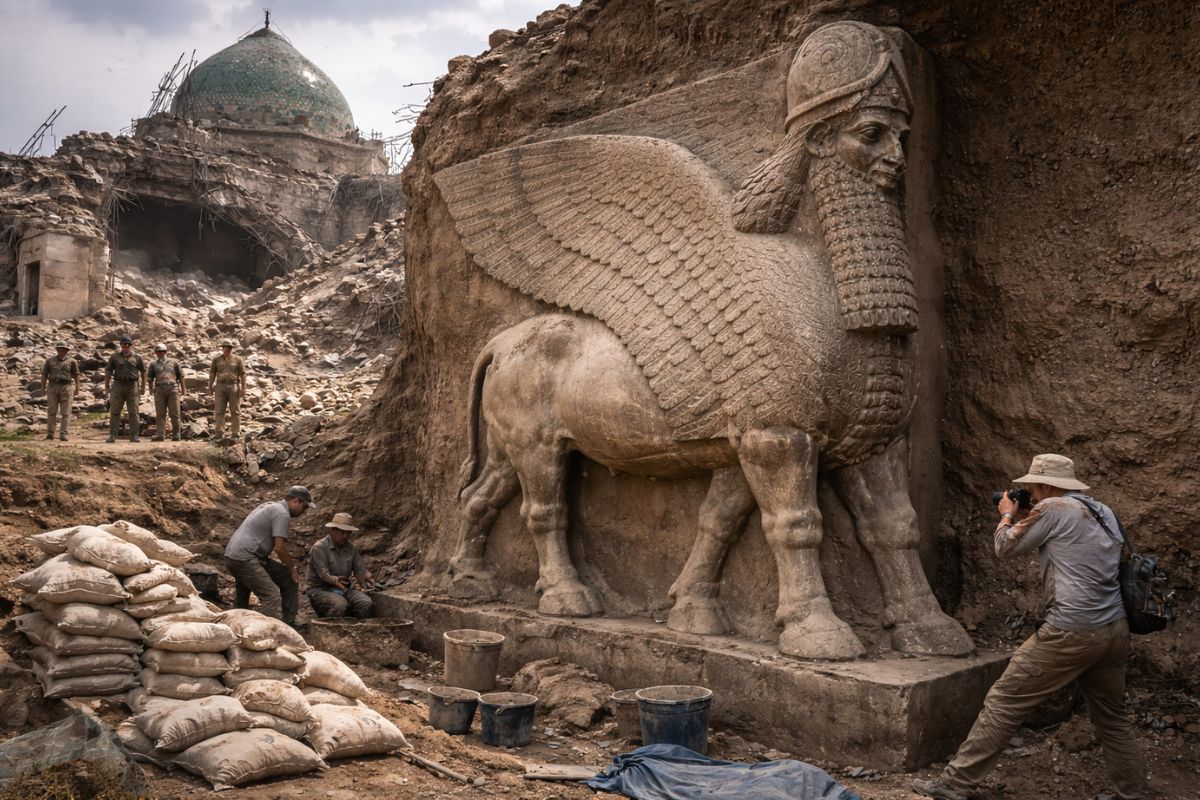
Archaeologists unearthed in Iraq the largest winged bull statue in history, a lamassu 6 meters tall with the body of a bull, eagle wings, and a human head that guarded the throne room of one of the most powerful kings of the ancient world, and the piece was only found because the Islamic State destroyed the mosque that had hidden the palace for over a thousand years.
-
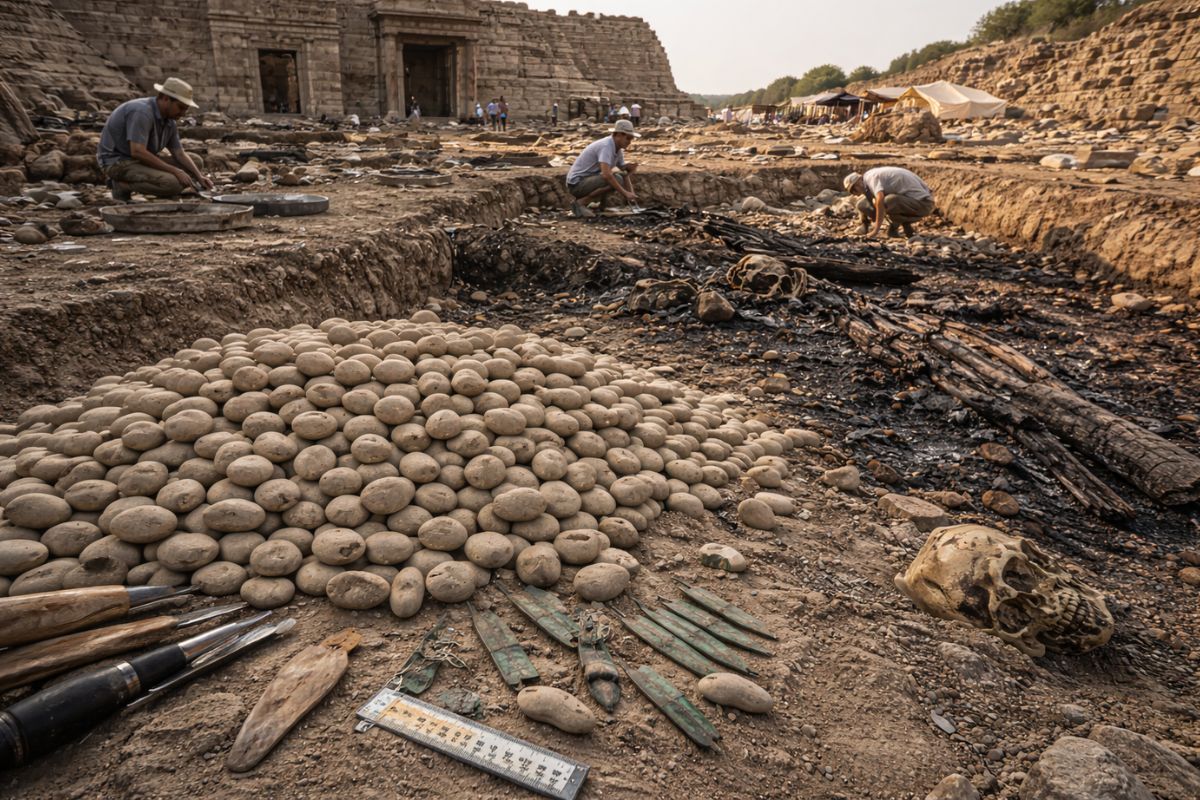
Archaeologists found thousands of sling projectiles dating back 3,500 years concentrated in front of the palace of Troy along with arrowheads, burned buildings, and hastily buried bodies, and now science believes that the war described by Homer in the Iliad may have been real.
The decline of Igatu was rapid and multifactorial. With the depletion of the “easy” diamond, found at the “surface of the earth”, mining became harder. This was compounded by the discovery of new promising mines in Minas Gerais and, crucially, the devaluation of carbonate (black diamond), which was abundant in the region but became synthesized by industry. This economic collapse led to mass abandonment, leaving behind the stone structures that now fascinate tourists.
The Legacy of Mining: The Harsh Reality Behind the Stones
Visiting Igatu is confronting Brazil’s history without romanticism. Although the ruins are beautiful, they tell a story of extreme hardship. The guide Juquinha, who leads visitors through the Gruna do Brejo (a cave excavated by human hands for mining), insists on detailing to Rolê Família the brutal reality of that time. “The focus was on seeking the diamond”, he explains, showing an unhealthy environment where 500 men and 100 women often worked 12 hours a day, without safety equipment, often in conditions akin to slavery, trapped by unpayable debts to the “colonels”.
LP corroborates this view, explaining the social hierarchy: the miners who lived in the simple stone houses (like those in the Luís dos Santos Neighborhood) were the “front line”, working for food and housing. The real wealth remained with the colonels and their direct subordinates, who lived in the more affluent and preserved houses of the town center. “A lot of sweat for little glory. The glory was with the colonels”, summarizes LP to the portal Rolê Família.
The Architecture of Necessity: Why Is Igatu Made of Stone?
What makes Igatu visually unique in Brazil is its architecture mimicked with the mountain. The houses, walls, churches (like São Sebastião, from 1854), and even shelters are made of stone. The naturalist Rui, one of the important figures in the creation of the National Park, explained to Rolê Família that this was not an aesthetic choice, but a geological obligation: “At the top of the mountain, there wasn’t much material besides stone. The geology of the region forced people to use stone“.
This necessity transformed miners into skilled masons. The constructions, often using only stone and clay, exhibit a “plumb” (alignment) so perfect that they have lasted over a century. Another impressive engineering work is the Aqueduct, a structure approximately 6 to 7 kilometers dating back to around 1850. Built of dry stone (without cement), it was recently cleaned by volunteers and shows the complexity of the system created to carry water by gravity to the mining areas.
The Reinvention: Tourism, Sport, and Identity
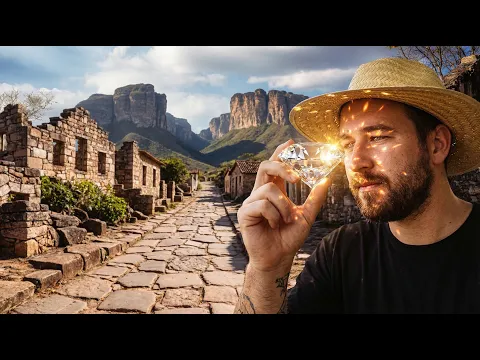

The “treasure” of Igatu today is no longer underground, but in its people. Although the village is often nicknamed “Baiana Machu Picchu”, the YouTuber Matheus Boa Sorte, in a special appearance on the report by Rolê Família, dismisses the comparison. “Igatu has its own identity. It’s a place that carries very strong stories (…) and has made tourism a way to rediscover itself”, he states.
This redefinition is literal. The trails forcefully opened by miners, such as the Ramp Trail of Caim (a route of 13km that leads to spectacular views of the Pati Valley), and the stone cliffs are now actively used for trail running, mountain biking, and climbing. Local athletes are even gaining national and international recognition. “What we enjoy today from sports (…) is all a legacy of mining”, concludes guide LP.
Life in the Town Square: The Iconic Figures of Igatu
The charming town square of Igatu, with its colorful houses and artistic expressions, is where social life takes place. Rolê Família highlights the figure of Seu Guina, 88 years old, owner of Baratu, the village meeting point. He is a living witness to the transformation. “In my time, there was no tourism here (…) The diamond was gone. Then the tourist came to visit here, liked it, revived the place“, says Seu Guina, who serves visitors the traditional cachaça with wormwood.
Another indispensable personality is Amarildo, son of Seu Guina. Known as the “census of the village”, he meticulously records by hand, in notebooks, all demographic data (the 441 residents), nicknames, and local businesses. Besides this work, Amarildo is nationally known for being the biggest Xuxa fan in Brazil, having fulfilled his dream of meeting her in 2024, after 38 years of waiting.
Igatu proves that it is possible to build a vibrant future on a past of neglect. The village, which was almost erased by the end of mining, now lives on its history, its nature, and, most importantly, its people.
But what about you, did you already know this story of reinvention? What impressed you the most about the transformation of Igatu, the village that time almost erased: the ruins, the stories of the residents, or the use of the old trails for sports? Leave your opinion in the comments; we want to know your perception of this unique destination.




Seja o primeiro a reagir!