





 Portuguese
  English
  Spanish
  2 min of reading
  0 comments


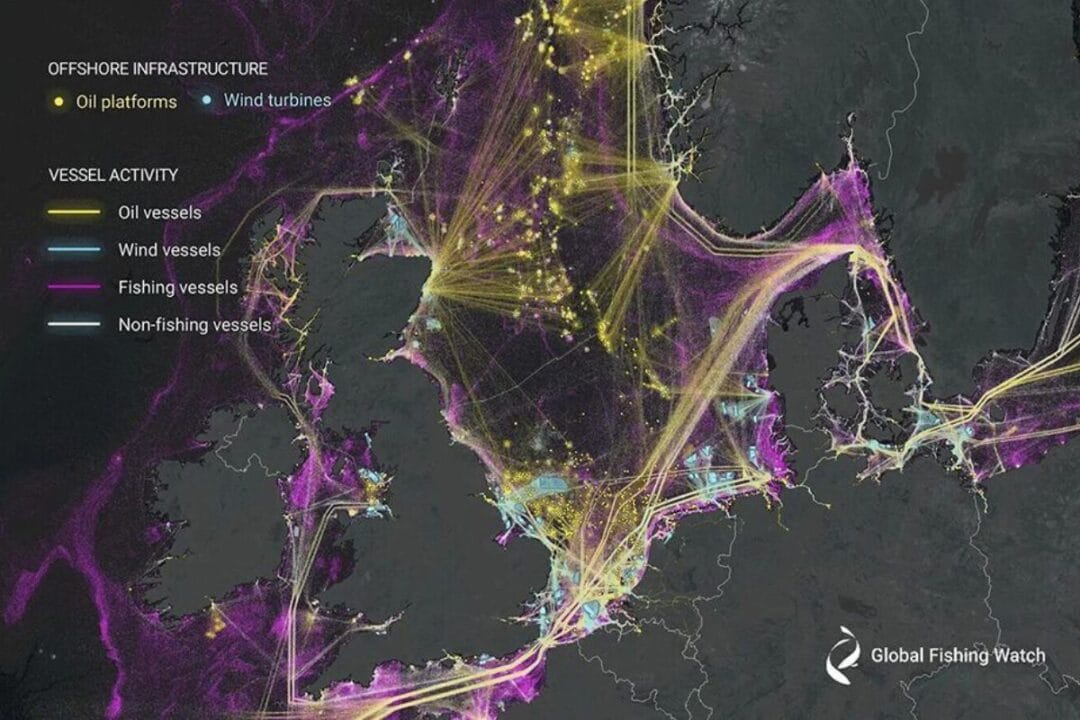
New Research With AI Exposes Thousands of Ghost Ships in the Oceans and Reveals Distortions in Official Data on Industrial Fishing Worldwide
An unprecedented study revealed that ghost ships in the oceans are more common than previously thought. Using over 2 million gigabytes of satellite images and artificial intelligence techniques, scientists discovered that 75% of the global industrial fishing fleet is off the official records.
The research was led by Global Fishing Watch, in partnership with universities in the U.S. such as Wisconsin-Madison, Duke, and UC Santa Barbara. The survey analyzed data between 2017 and 2021, creating the first global map of high seas maritime traffic.
What Are Ghost Ships in the Oceans?

The so-called ghost ships in the oceans are industrial vessels that do not appear in public tracking systems, such as AIS (Automatic Identification System). Many of them operate without any public record, primarily in Asian and African waters.
-
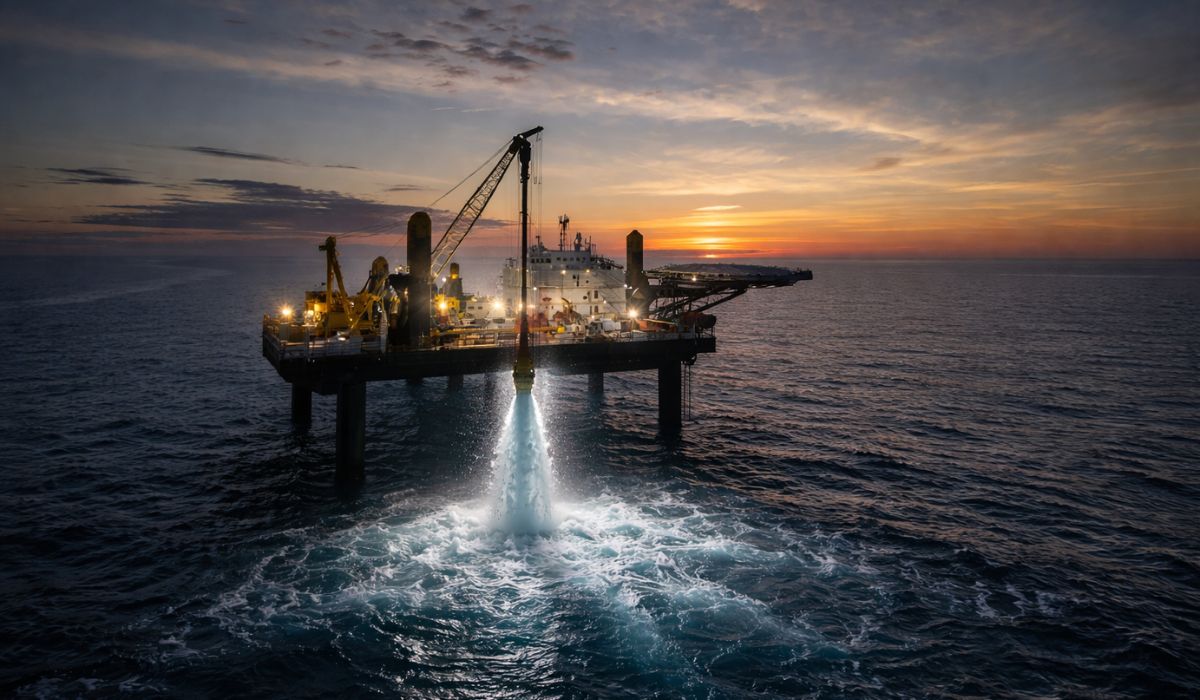
Expedition 501: Scientists drill into the ocean floor and discover a giant reserve of fresh water hidden beneath the sea, extracting nearly 50,000 liters and revealing an invisible system that could reshape the map of water scarcity.
-
Archaeologists find an intact tomb over 2,500 years old, with more than 100 preserved objects, weapons, jewelry, and human remains never touched.

-
Volcanic lava transforms into threads as fine as human hair that travel over 30 kilometers by wind and fall like cutting rain on roofs and backyards in Hawaii and Iceland.

-
NASA issues a warning for the feared Godzilla El Niño that could change the planet’s climate in 2026 with extreme warming of the Pacific capable of causing devastating droughts in some regions and historic floods in others simultaneously.


These vessels pose a real threat to maritime security, environmental preservation, and control of overfishing. More than 25% of transport and energy vessels are also off public radars.
Impacts on Natural Resource Management and Enforcement
The growing presence of ghost ships in the oceans directly affects the ability to monitor and manage international waters. The study identified significant unrecorded activity in protected marine areas, violating international environmental agreements.
Many of these ships operate in regions where official records indicated little to no activity. This reveals a startling discrepancy between government data and the reality captured by satellites.
Asia Dominates Global Industrial Fishing
Another highlight of the survey is the overwhelming concentration of industrial fishing in Asia. Although official data suggests that fishing activity between Europe and Asia is similar, the research shows that out of every 10 fishing vessels, 7 are in Asia and only 1 in Europe.
This data reveals that ghost ships in the oceans are masking the true distribution of fishing worldwide, which compromises sustainability policies and global trade agreements.






-

Uma pessoa reagiu a isso.