Portuguese
  Spanish


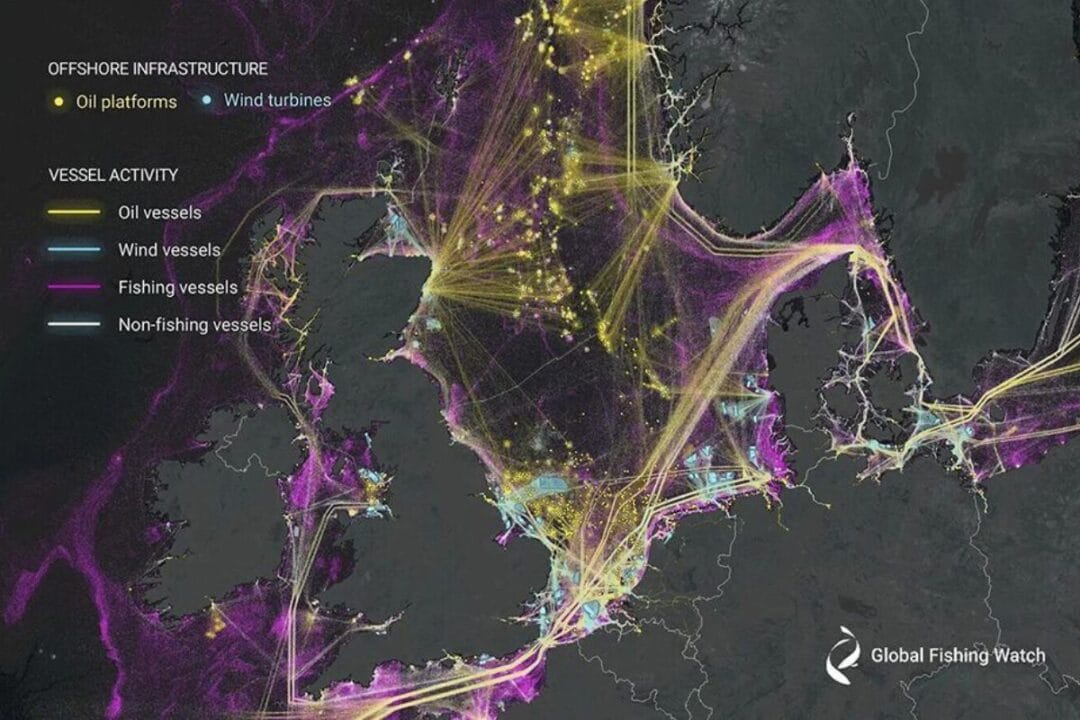


New Research With AI Exposes Thousands of Ghost Ships in the Oceans and Reveals Distortions in Official Data on Industrial Fishing Worldwide
An unprecedented study revealed that ghost ships in the oceans are more common than previously thought. Using over 2 million gigabytes of satellite images and artificial intelligence techniques, scientists discovered that 75% of the global industrial fishing fleet is off the official records.
The research was led by Global Fishing Watch, in partnership with universities in the U.S. such as Wisconsin-Madison, Duke, and UC Santa Barbara. The survey analyzed data between 2017 and 2021, creating the first global map of high seas maritime traffic.
What Are Ghost Ships in the Oceans?

The so-called ghost ships in the oceans are industrial vessels that do not appear in public tracking systems, such as AIS (Automatic Identification System). Many of them operate without any public record, primarily in Asian and African waters.
-
She spent 73 years breathing inside an iron lung, survived the aftereffects of polio, and became the last woman in the United States dependent on the equipment before dying at 78 years old.

-
Brazilian students created a $1 filter using pine bark, cotton, and 3D-printed parts to clean cassava wastewater, reduce the toxicity of a hazardous waste, and transform contaminated water into biofertilizer.

-
Astronaut from Artemis II steps down after mission to the Moon and decision surprises after a record of 406,771 km, a historic 10-day journey, and an unprecedented achievement for Canada.

-
A fossil kept for years in a small museum in Montreal concealed 450-million-year-old soft tissue, a discovery that has only happened once before in history.


These vessels pose a real threat to maritime security, environmental preservation, and control of overfishing. More than 25% of transport and energy vessels are also off public radars.
Impacts on Natural Resource Management and Enforcement
The growing presence of ghost ships in the oceans directly affects the ability to monitor and manage international waters. The study identified significant unrecorded activity in protected marine areas, violating international environmental agreements.
Many of these ships operate in regions where official records indicated little to no activity. This reveals a startling discrepancy between government data and the reality captured by satellites.
Asia Dominates Global Industrial Fishing
Another highlight of the survey is the overwhelming concentration of industrial fishing in Asia. Although official data suggests that fishing activity between Europe and Asia is similar, the research shows that out of every 10 fishing vessels, 7 are in Asia and only 1 in Europe.
This data reveals that ghost ships in the oceans are masking the true distribution of fishing worldwide, which compromises sustainability policies and global trade agreements.