





 Portuguese
  English
  Spanish
  3 min of reading


Two Semi-Submersibles and a Pair of Drillships for Sale with Bids Expected by February 28 to Help Resume Work and Reduce Sete Brasil’s Debts
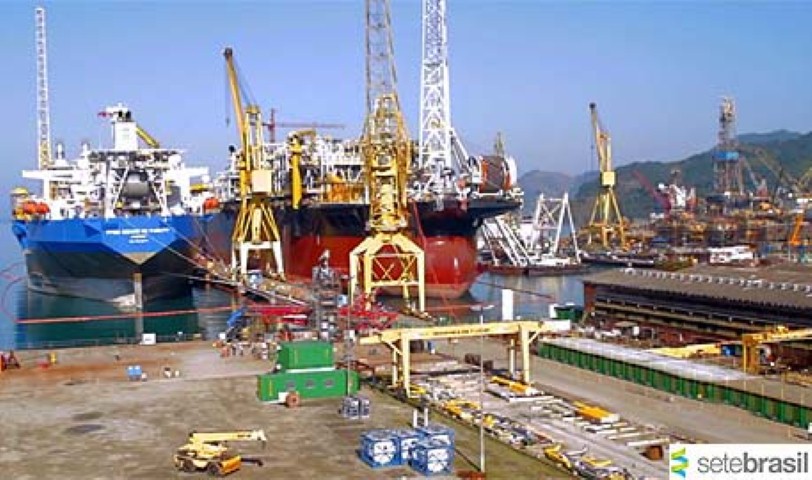
Sete Brasil, a Brazilian ship chartering company, launched a bid for the sale of its four ultra-deepwater drilling units. This could potentially put an end to a mess that cost billions of dollars to shipyards, subcontractors, investment banks, pension funds, and Petrobras. Sete Brasil expects to receive bids on February 28 for the semi-submersible platforms Urca and Frade and the drillships Arpoador and Guarapari.
The bidding rules state that only drilling contractors with deep-water experience may compete and must not be barred from signing contracts with Petrobras to participate in the bidding.
-
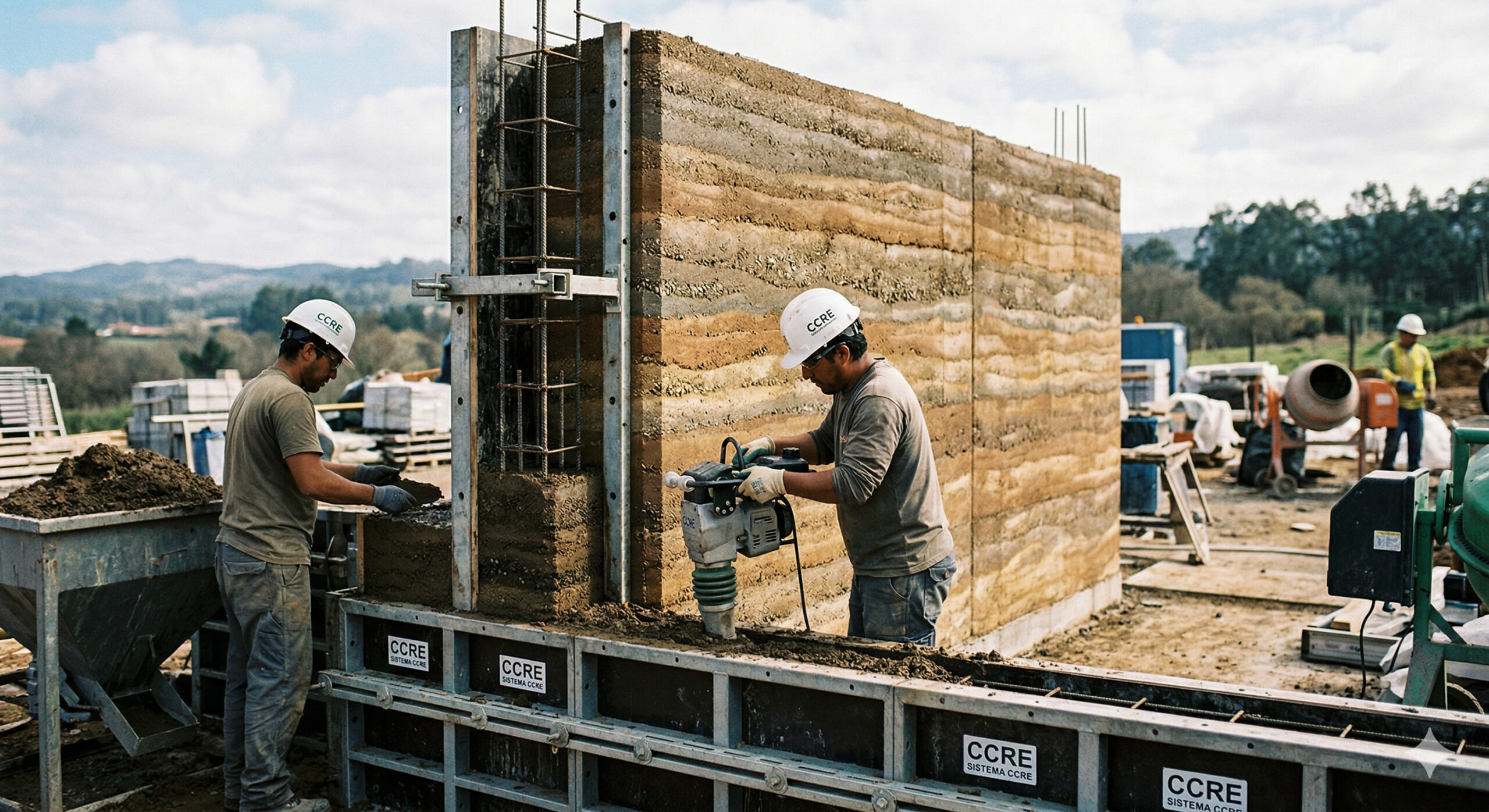
Without cement, without steel, and using only earth and recycled cardboard, engineers have created a construction system that drastically reduces carbon emissions and could change the way houses are built around the world.
-
Alert in the electric sector: excess solar energy triggers overload in the Brazilian electrical system, forces the operator to shut down power plants, and exposes an unexpected risk that could affect stability and energy costs.

-
Russia spent $5 billion and 28 years modernizing a nuclear warship that had been inactive since 1997. The Admiral Nakhimov returned to the sea in August 2025 as the heaviest surface combat ship in the world, with 176 missile launchers, including hypersonic Zircon missiles.

-
James Webb finds 300 galaxies with mysterious scars, and this discovery may show that the universe was born much more violently than astronomers had imagined.


The semi-submersibles Urca and Frade were being constructed at BrasFels shipyard in Rio de Janeiro when the Sete Brasil project began to crumble.
The Jurong Aracruz shipyard in Espírito Santo was responsible for constructing the drillships Arpoador and Guarapari.
Bidders have the option to submit offers for the acquisition of the four platforms as a single package or at least two units, as long as the pair is from the same shipyard.
The winning bidder will also be responsible for all necessary investments to complete the construction of the platforms.
Progress of the Works
The latest fleet report from Sete Brasil, as of June 2016, when the units had already been halted, showed a physical progress of 89.96% in the construction of Urca, followed by 84.76% for Arpoador, 74.21% for Guarapari, and 69.09% for Frade.
“Despite the costs and the possibility of adding even more units to a market already experiencing oversupply, the terms of the agreement that will help restructure Sete Brasil may be attractive to platform owners,” said a source.
As part of the agreement approved by Sete Brasil’s creditors last year, each of the four drillships will be chartered by Petrobras for a period of 10 years at a daily rate of $299,000, although the oil giant has not indicated when it expects the units to start operating under the contracts.
Sete Brasil had previously partnered with six drilling contractors – Seadrill, Ocyan, Etesco, Odfjell, Petroserv, and Queiroz Galvao Oil & Gas (now Constellation Oil Services) – to operate its platforms.
These alliances are no longer in effect following Sete Brasil’s collapse due to the Lava Jato corruption scandal, and it is still unclear whether any of these companies, or other platform operators like Transocean, Ensco, or Diamond Offshore, would be willing to join the project.
“There are many uncertainties surrounding this Sete Brasil business, such as compliance risks, but the potential to add a portfolio of over $1 billion per drillship is certainly attractive,” said another source.
Rise and Chaos
Founded in 2010, when chartering activities were booming, Sete Brasil originally ordered the construction of 29 ultra-deepwater drillships at five Brazilian shipyards, with 28 to be chartered to Petrobras under long-term contracts with average daily rates of $530,000 each.
Sete Brasil began facing problems a few years later as it struggled to secure financing from local financial institutions.
The construction of the platforms was suspended in 2015 when the company ceased payments to the shipyards and the Lava Jato investigation intensified.
In April 2016, Sete Brasil filed for bankruptcy with total debts of $17.4 billion. The money raised by the eventual sale of the four platforms is expected to help pay down part of this debt.
The contracts for the other 24 units that were to be chartered to Petrobras have been terminated, while the order for the 29th drillship, which was being constructed on a speculative basis, was also canceled.
As part of the agreement, Petrobras is exiting the complex shareholding structure of Sete Brasil, so it no longer holds any stake in the company.
Until this is finalized, Petrobras holds a 5% direct stake in Sete Brasil and an indirect stake of 4.6% through the investment fund FIP Sondas, which comprises 11 Brazilian investment banks and pension funds with a total 95% stake in the company.









Seja o primeiro a reagir!