





 Portuguese
  English
  Spanish
  4 min of reading
  0 comments


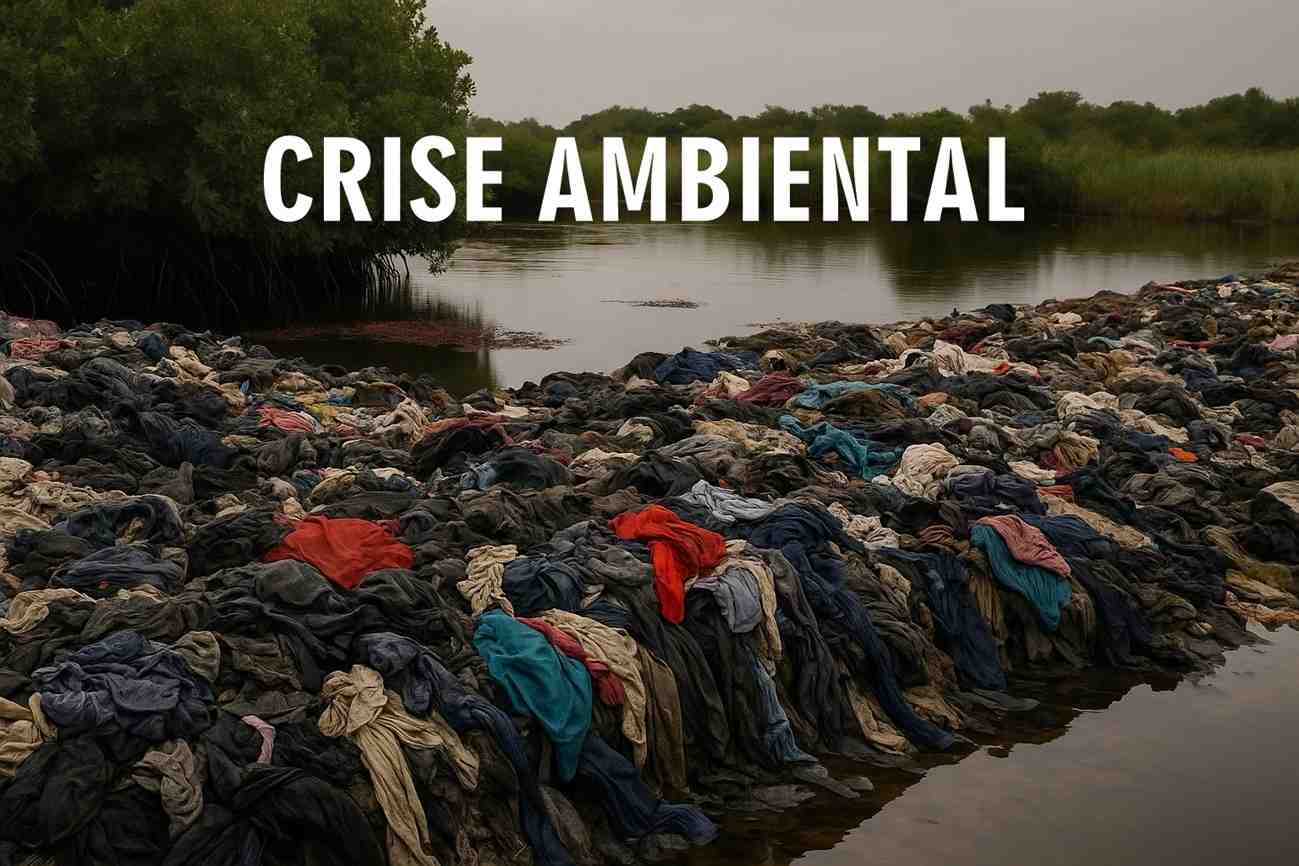
Tons of Used Clothing Are Being Shipped from the UK to Ghana, but Many End Up in Inappropriate Locations Such as Protected Wetlands. An Investigation Revealed the Severe Environmental Impact Caused by Textile Waste in Sensitive African Ecosystems.
The environmental crisis caused by the fashion industry has reached another alarming chapter. An investigation revealed that tons of clothing discarded by British brands are being dumped in protected wetland areas in Ghana, putting natural habitats and the health of local communities at risk.
British Clothing in Protected Areas
The discovery was made by a joint investigation by Unearthed and Greenpeace Africa.
The study pointed out that clothing from well-known UK brands, such as Marks & Spencer, George at Asda, and Next, was found within the Ramsar Site of the Densu Delta, near the Ghanaian capital, Accra.
-
With a cost per shot close to zero, the DragonFire laser could change naval warfare in 2027 and provide British ships with nearly unlimited defense against drones.

-
A British startup creates tires that generate electricity in electric vehicles when passing over potholes, speed bumps, and cracks.

-
Scientists have created robots made with living cells that have their own nervous system, swim on their own, explore the environment, and self-organize without any genetic engineering, and now they want to do the same with human cells.

-
Students create a solar-powered ambulance that operates without a plug, without fuel, and still keeps medical equipment running in remote areas.


Items from other fast fashion giants, such as Zara, H&M, and Primark, were also identified, piled along the banks of nearby rivers.
This demonstrates that the problem is systemic, involving various companies in the sector.
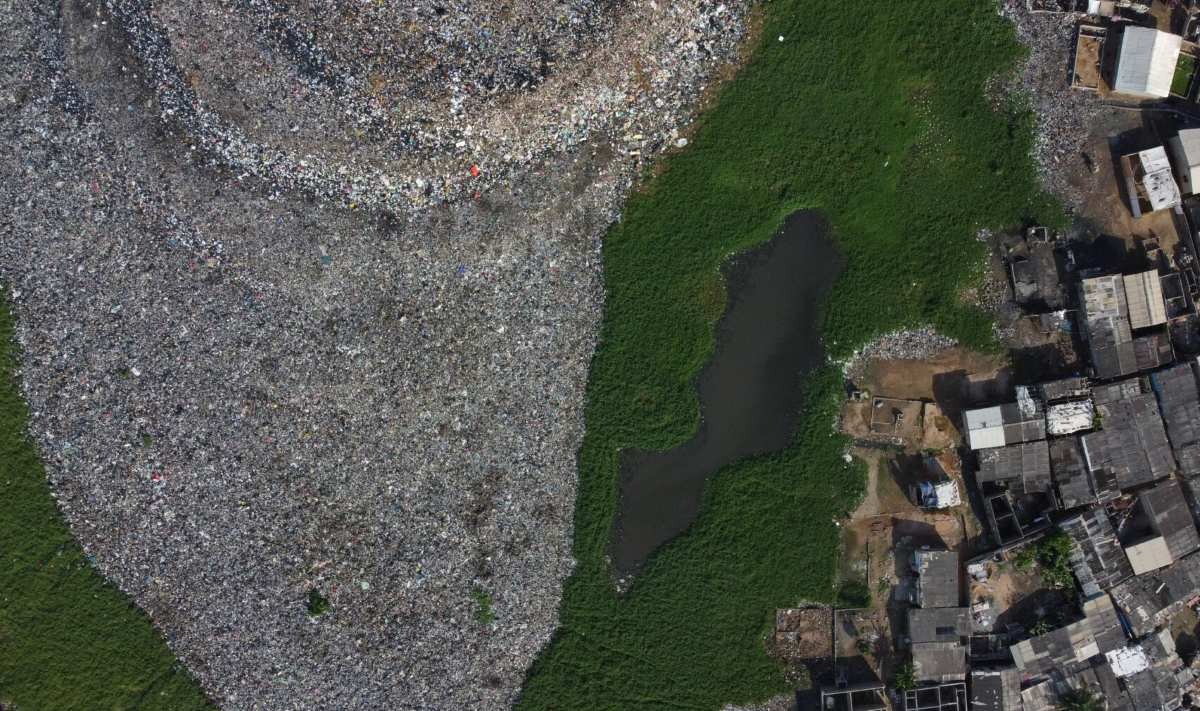
Ghana: Final Destination of Textile Waste
Ghana receives about 15 million used clothing items per week, mainly from the Northern Hemisphere. In 2024, the UK led the export of textile waste to the African country, with a total of nearly 57,000 metric tons — a historic record.
The problem is that about 40% of the clothing that arrives in the country cannot be reused or sold. This excess has put pressure on local infrastructure and created a growing cycle of pollution.
Collapse of the Disposal System
The main landfill in Ghana, Kpone, was inaugurated in 2013 with funding from the World Bank. However, it lasted only five years.
In 2019, the accumulated waste, mainly synthetic fibers, caused a fire that lasted eight months. The smoke carried pollutants and further compromised local air quality.
Since then, new informal dumping sites have emerged, including in environmentally sensitive areas such as the Densu Delta.
Threat to the Densu Delta Ecosystem
The Ramsar Site of the Densu Delta is a unique ecosystem. It includes mangroves, salt marshes, mudflats, and more than 50 species of waterfowl. It is also an important habitat for endangered turtles, such as the olive ridley turtle, leatherback turtle, and green turtle.
The accumulation of clothing is compromising this balance. Residents in the area report a decline in fishing, fishing nets full of fabrics, and changes in the river water, which now has different color and odor, making it unfit for consumption.
Pollution from Microplastics and PFAS
According to Greenpeace Africa, 90% of textile waste contains synthetic fibers such as polyester and nylon. These materials release microplastics and hazardous chemicals like PFAS.
These substances are known as “forever chemicals” due to their high resistance to degradation. Present in waterproof fabrics, packaging, and other products, PFAS accumulate in the environment and human bodies, potentially causing serious health damage.
Among the risks are hormonal disturbances, immunosuppression, infertility, liver damage, and even cancer.
Even with some restrictions in developed countries, these compounds are still widely used in the fashion industry, especially in areas with low environmental regulation.
Environmental and Social Consequences
Besides the impact on biodiversity, the massive presence of discarded clothing has increased the risk of flooding. This occurs because natural channels are being blocked by fabrics.
Incineration, in turn, exacerbates the problem. Burning these clothes releases toxic particles into the air, directly affecting the health of communities neighboring dumping sites.
An Avoidable Crisis
The situation exposed in Ghana raises a warning about the current model of clothing consumption and disposal. The fashion industry, particularly fast fashion, needs to adopt more responsible measures.
There are technologies that can help reverse this scenario, such as:
- Advanced Textile Recycling: allows the separation of synthetic and natural fibers for industrial repurposing.
- Circular Economy Applied to Fashion: aims to reduce waste and encourage local reuse of materials.
- Renewable Energy in Factories: reduces the carbon footprint of textile production.
- Traceability with Blockchain and Smart Labels: requires brands to take responsibility for the entire lifecycle of their products.
Sustainability as a Priority
The images of discarded British clothing in African mangroves reveal a cruel reality. The unchecked export of textile waste is destroying fragile ecosystems and directly impacting the lives of thousands of people.
The solution is not just to ban these exports. It is necessary to rethink the entire fashion production chain — from the design of garments to the end of their life cycle.
Governments, companies, and consumers must act together. After all, sustainability can no longer be treated as a trend or option. It is an urgent necessity to protect the planet and future generations.








Seja o primeiro a reagir!