





 Portuguese
  English
  Spanish
  3 min of reading
  0 comments


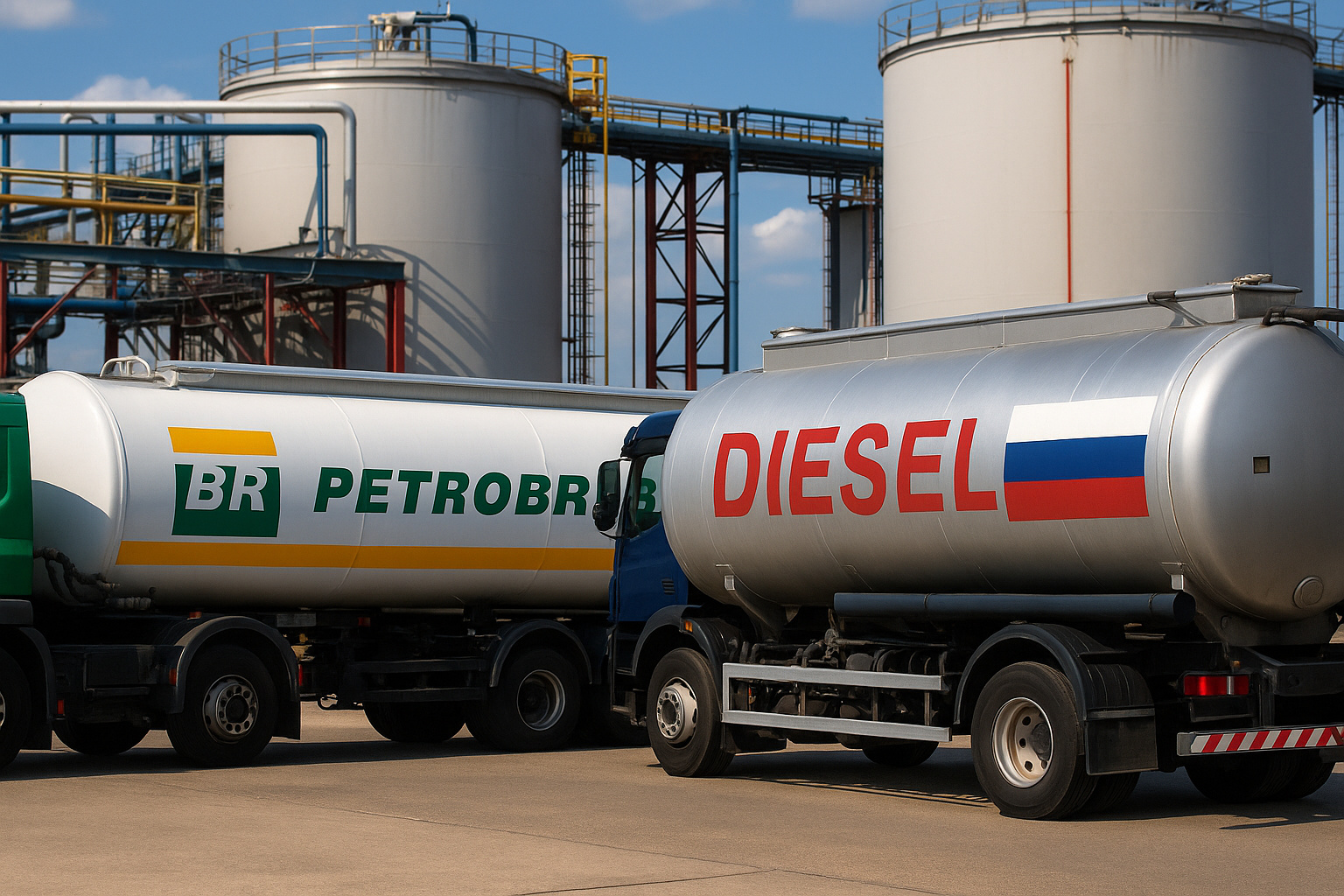
Russian Fuel Entries Pressuring National Market And Impacting State-Owned
Domestic diesel sales by Petrobras fell 1.8% between April and June 2025. The volume decreased from 734,000 to 721,000 barrels daily.
According to the state-owned company, this decline was primarily driven by the increase in imports of fuels by private distributors. Most of this diesel came from Russia.
This drastically changed the competition in the national market. Meanwhile, total diesel imports rose by 229.7% in the second quarter of 2025.
-
Petrobras evaluates suspension of sales to distributors and considers canceling the cooking gas auction following guidelines from the Federal Government.
-
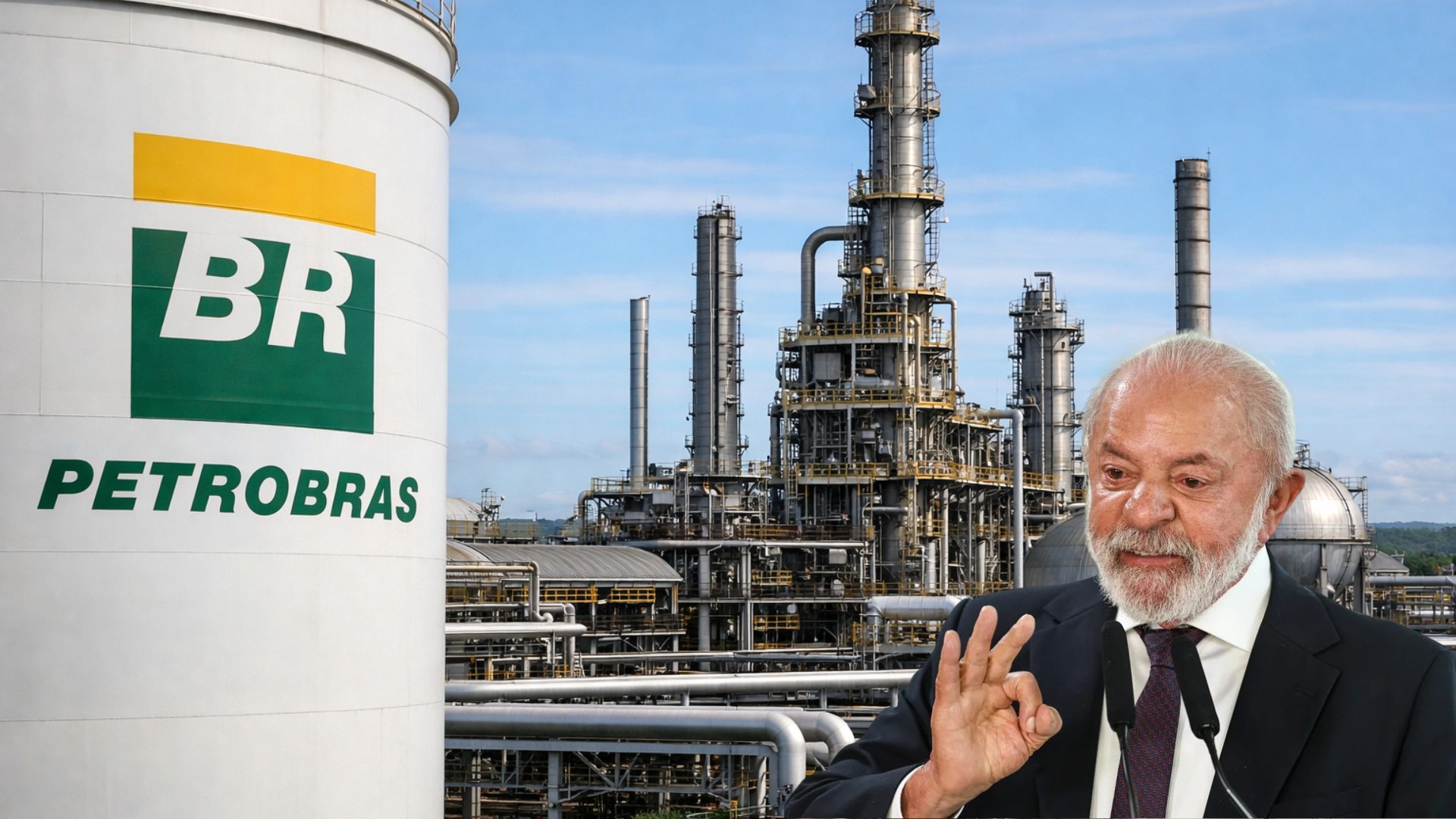
Lula reveals a masterstroke by Petrobras to undo a deal made by Bolsonaro, which involves the return of an important refinery that currently produces less than half of what was expected and makes Brazil dependent on international diesel.
-
A study confirms that the natural gas sector will reduce greenhouse gas emissions in Brazil by 0.5% and accelerate the energy transition by 2026.

-
Petrobras implements a severe adjustment and confirms a 55% increase in the price of aviation kerosene with a proposal for installment payments for the companies.


The growth was compared to the same period in 2024. The data is included in Petrobras’ production and sales report released in July.
In absolute numbers, the imported volume rose from 37,000 to 122,000 barrels per day. The trend raises concerns for the national energy sector.
Imported diesel enters at lower prices and directly affects the performance of the Brazilian state-owned company. Since April 2023, Russia has led this market.
It has taken the position of the largest diesel supplier to Brazil. The United States was surpassed for the first time in many years.
According to the Ministry of Development, Industry, Commerce, and Services (MDIC), the Russians accounted for more than 60% of Brazil’s diesel imports in 2025.
This movement occurred during a significant part of President Luiz Inácio Lula da Silva’s current term, which began in January 2023.
Experts Associate Russian Advance With Geopolitical And Commercial Changes
According to industry analysts, the growth of Russian fuel is explained by the sanctions imposed after the war in Ukraine began in February 2022.
By losing access to important markets, Russia started selling diesel at much lower prices. This attracted countries like Brazil.
As a result, the Brazilian market began absorbing increasing volumes of Russian product. The trend grew throughout 2023 and 2024.
According to Adriano Pires, co-founder of CBIE (Brazilian Infrastructure Center), part of this diesel reaches Brazil through intermediary countries, such as India.
These countries refine Russian oil before exporting. He states that since the war, Brazil has been directly importing over 60% of its diesel from Russia.
“Brazil, with this window, starts buying Russian diesel. As a result, direct imports represent more than half of our consumption,” Pires said.
Ana Mandelli, downstream director of the Brazilian Institute of Oil and Gas (IBP), notes that this process was already happening before the current government.
She emphasizes that the peak of Russian diesel imports occurred in early 2023. It was a movement that had been underway since 2022.
According to her, the Russian supply became more attractive, which naturally displaced other suppliers and increased the competitiveness of the product in Brazil.
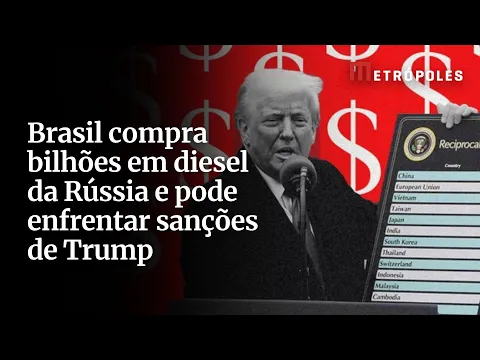

Tariff War With The U.S. Expands Space For Russian Diesel
In response to Russia’s growing presence in the Brazilian market, the United States announced a 50% tariff on Brazilian products in July 2025.
The announcement was made by Donald Trump, currently leading the Republican Party, which underscores the political tone of the adopted measure.
Thus, the measure directly impacts commercial relations between the two countries, making the environment more hostile and uncertain for the affected sectors.
As a countermeasure, President Lula, through a decree, authorized retaliation measures, according to an official government statement released immediately after the announcement.
However, Trump warned that if Brazil reacts with new tariffs, the U.S. will apply an increase proportional to the already announced 50%.
The new tariff, by the way, takes effect in two days. According to experts, the trade war between the two countries is expected to intensify quickly.
If this happens, as expected, the U.S. share in the Brazilian diesel market is likely to shrink even further, directly favoring the Russian advance.
Consequently, Russian fuel tends to gain even more space in Brazil, pressuring the national energy sector for alternatives.
If this trend materializes, Petrobras will inevitably have to reassess its marketing strategies to avoid greater losses in the national market.
The state-owned company is also already facing strong competition in the sector, exacerbated by external factors. The scenario shows how geopolitical decisions influence energy supply.







-

Uma pessoa reagiu a isso.