





 English
  Francês
  Alemão
  Italiano
  Japonês
  Norueguês
  Portuguese
  Spanish
  3 min of reading


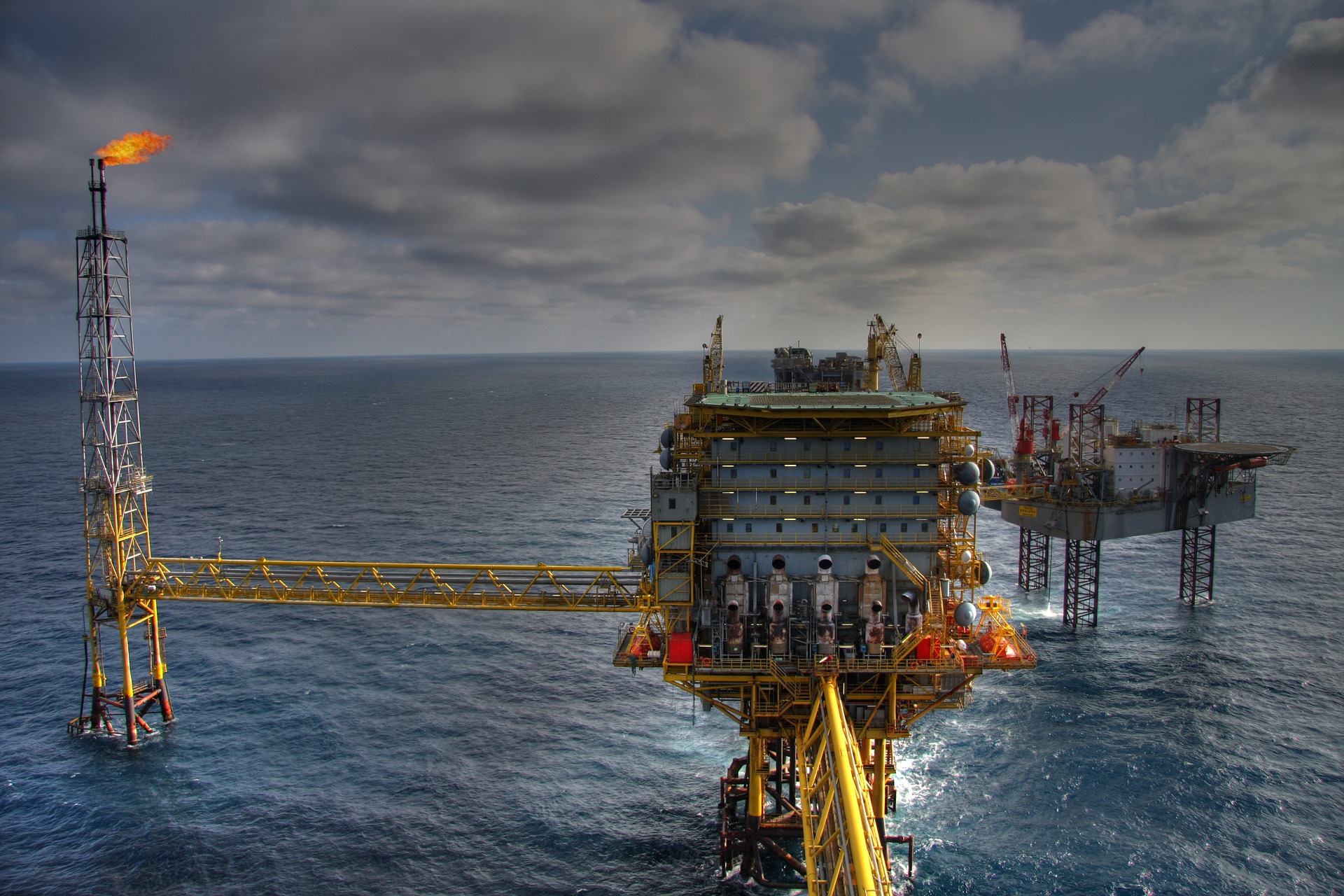
The Accumulated Rise of Brent Oil Reaches 55%, But Prices Tend to Fall in the Coming Months, Directly Impacting the Shares of Companies Involved in Export and Refining, Including Petrobras.
According to data recently shared by the Secretariat of Foreign Trade, fuel oils saw a 46% decrease in imports while the value fell by 39% when comparing prices from May to June. This variation follows the prices of Brent oil, which has accumulated 55% over the last year and falls day by day with the new global export partnerships from the U.S. to increase supply after the end of Russian concessions.
When comparing the months of June 2022 and 2021, however, it can be said that there was an exponential increase in oil imported from Brazil, with a 47% rise in the imported value, despite a 27% decrease in the quantity purchased. This reduction occurred after the government, currently administered by Jair Bolsonaro, decided to negotiate with countries that reduced taxes on oil, aiming to bring more advantages for purchasing.
Brazil Produces More Than 3 Million Per Day, But Consumes More Than Half of Everything Produced, Says the Brazilian Institute of Oil and Gas (IBP)
According to data shared by the Brazilian Institute of Oil and Gas (IBP), Brazil produces about 3 million barrels of oil per day, however, consumes more than half of everything produced, with at least 2.5 million. Imports still need to happen on a large scale because Brazilian refineries cannot refine certain types of oil, needing to export abroad, such as to the United States (U.S.), to later repurchase at a higher price.
-
Petrobras finds high-quality oil in the pre-salt at 113 km from RJ and reignites expectations about strategic reserves in the Campos Basin.

-
Chinese giant worth nearly R$ 4 billion that manufactures cables for electric cars, solar energy, and robotics wants to open a factory in SC.
-
Many employers do not know, but the law guarantees domestic workers a 25% increase in salary during trips, 50% for overtime, 20% for night shifts, and 17 additional benefits that can lead to labor lawsuits if not paid.

-
Gasoline prices soar and the question arises: is ethanol more advantageous? The 70% rule reveals the limit with gasoline.

Brazil had already developed projects to build refineries to reduce its dependence on imports. However, most of the constructions became targets of the Lava Jato investigation for misappropriation of funds and corruption, both active and passive, from previous governments, such as that of Luiz Inácio Lula da Silva (PT). An example of investment that occurred on a large scale but never produced even a barrel of refined oil was Comperj, which today would require a billion-dollar amount to be completed due to inflation rates.
According to Leonardo Baltieri, co-founder of Vixtra, a foreign trade fintech, Brazil still needs to import about 30,000 barrels per day.
Low Oil Supply and High Prices Are Harming Small Importers
According to Baltieri, the low supply and high prices mean that only large companies can export oil at a more accessible price, thus harming small exporters. The blockage of ports, the lack of containers, and the elections scheduled for October 2022, polarizing the future government, are aspects that influence the high volatility of prices in Brazil.
Regarding the international level, issues such as the lack of materials for oil production along with higher freight costs contribute to unstable prices, compromising, especially, prices for developing countries.
Despite This, The Price of Gasoline in RS, SC, and PR Is Already Falling
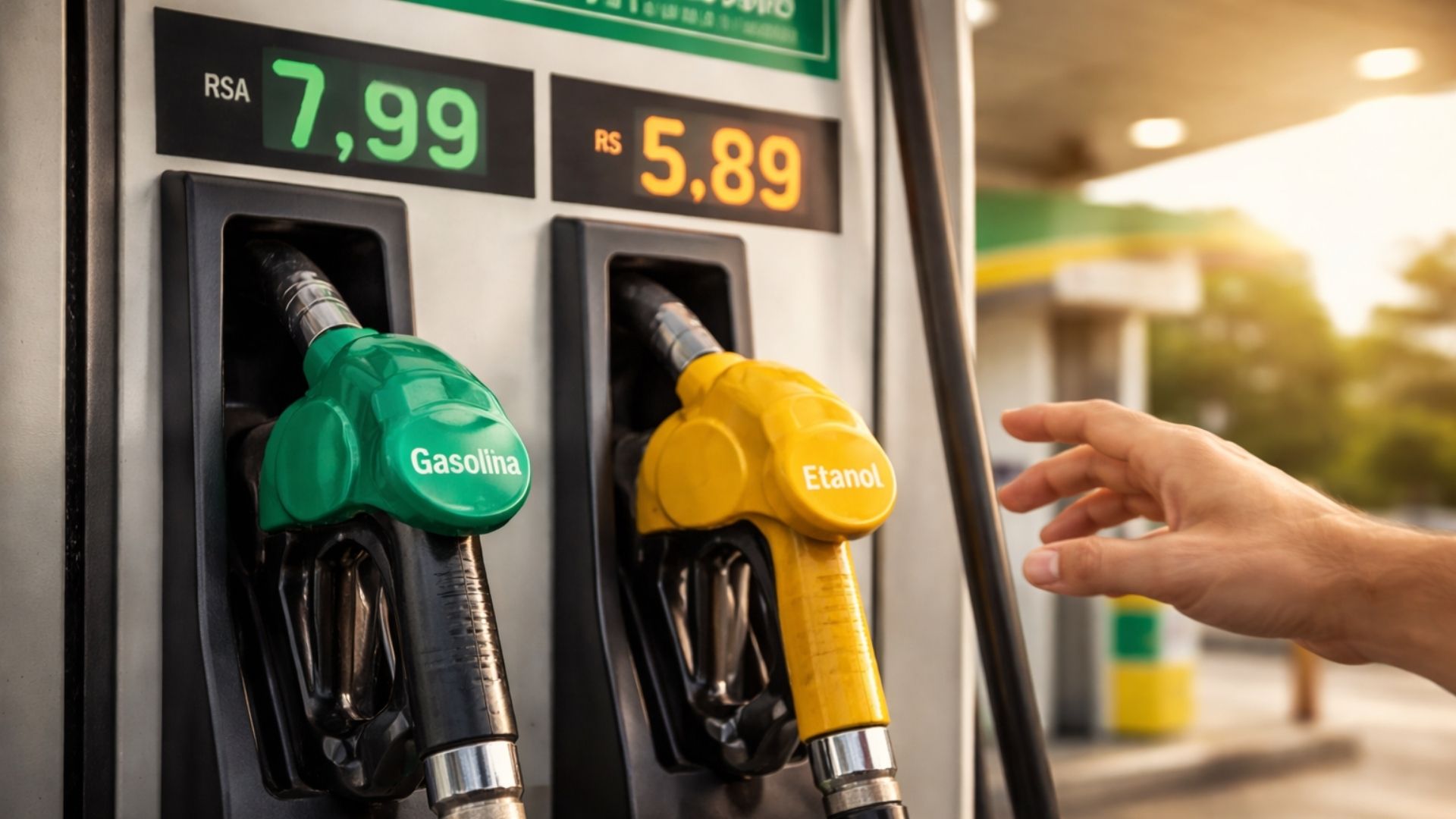
Considering the decrease in imports and lower prices, gasoline in states such as Santa Catarina (SC), Rio Grande do Sul (RS), and Paraná (PR) shows negative variations above 12% only in July. In some cities, such as in Brusque (SC), it was possible to find values of R$ 5.99 at gas stations like Havan, showing a significant drop following Petrobras’s variations.










Seja o primeiro a reagir!