Portuguese
  Spanish


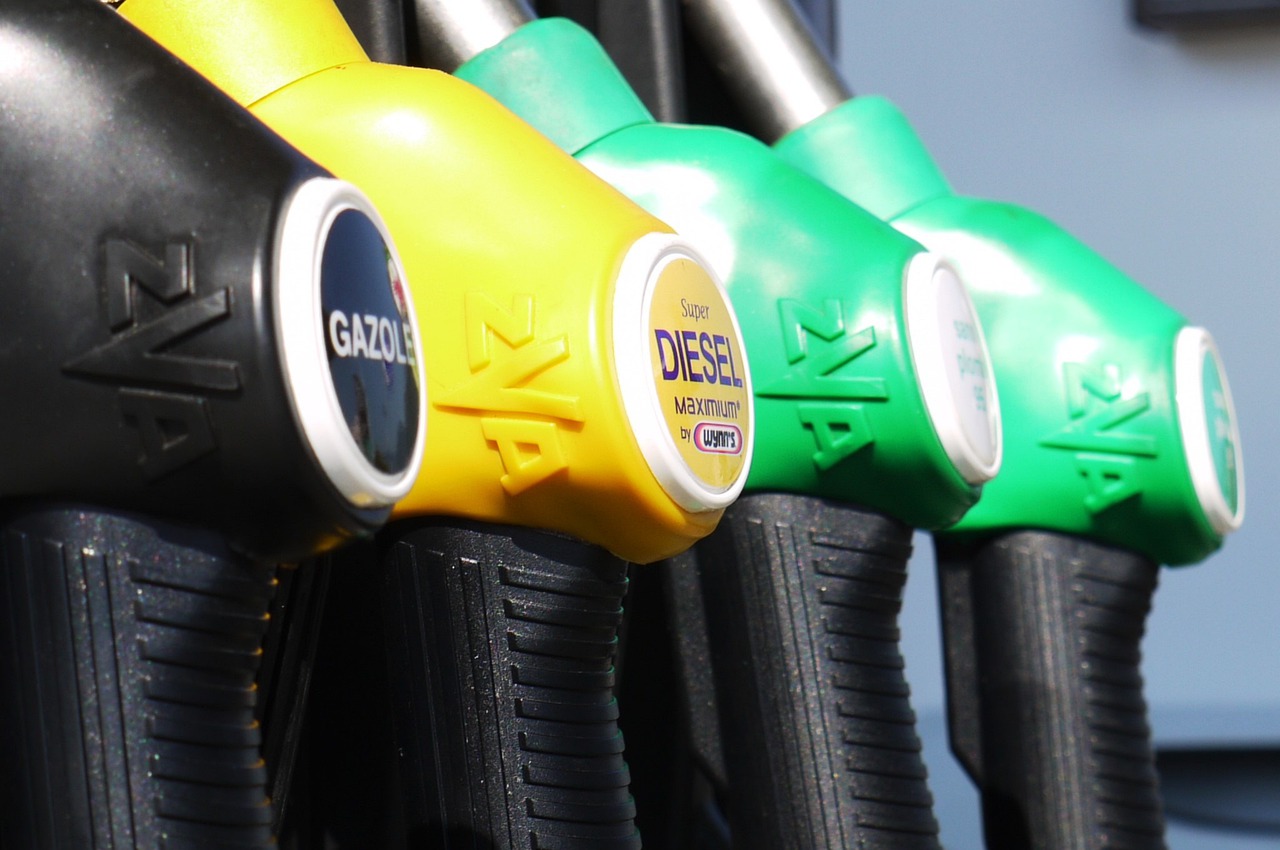

The National Fuel Scenario Begins to Gradually Stabilize Due to the Positive Picture in the Global Market, and State-Owned Petrobras Has Just Announced a Reduction in the Price of Gasoline in the Country, Driven by the Fall in the Value of the Oil Barrel.
The state-owned oil company Petrobras announced early Tuesday afternoon, (07/19), that it will reduce the selling price of gasoline to distributors across the country as a way to contribute to lower final prices for the end consumer. The state company’s decision came right after the value of the oil barrel experienced a decline in the international market, aiding in a gradual stabilization of the fuel situation in the national territory.
Price of Gasoline Sold to Distributors in Brazil Will Be Reduced by Petrobras Following Favorable International Oil Scenario
The last few weeks have been quite unstable both nationally and internationally regarding the fuel segment, due to high inflation, geopolitical issues, and resource trading problems at ports, which caused a significant increase in the final prices of derivatives such as gasoline, ethanol, and diesel. Thus, the Brazilian consumer is becoming increasingly less hopeful regarding the prospect of price reductions for these products in the short term.
However, the international scenario has been gradually stabilizing this week, and Petrobras has just announced that it will reduce the price of gasoline passed on to Brazilian distributors of the fuel.
-
Qantas and Airbus Invest in Company Aiming to Convert Unsorted Household Trash into Jet Fuel

-
Brazil’s ANP Opens 86 New Oil Blocks in the Equatorial Margin, Expanding the Amazon River Mouth Frontier

-
OPEC+ Boosts Oil Supply by 188,000 Barrels per Day in July 2026, Leading to Price Drop from $112 to $89 per Barrel in Under Two Months

-
TotalEnergies Signs 20-Year Deal to Purchase 2 Million Tons of LNG from Alaska, Boosting Project Viability

The percentage decrease in the value that will be implemented by the oil and gas company is around 5%, and according to Petrobras’s announcement, the refinery price of the product will drop from R$ 4.06 to R$ 3.86 per liter, a reduction of R$ 0.20, thereby contributing to a chain of value reductions.
The state also provided more details about the impact of this gasoline price reduction on the end of the value transfer chain and emphasized the issue of the mandatory blend of 73% gasoline A and 27% anhydrous ethanol for the composition of gasoline sold at gas stations, which will not allow for such a high reduction in the final value.
Thus, Petrobras’s share in the price to the consumer will decrease from R$ 2.96, on average, to R$ 2.81 for each liter sold at the pump. And, although this number may seem low, the national scenario of constant price increases is now turning into a gradual reduction in fuel prices.
Reduction in the Price of Oil Barrel in the International Scenario Was the Main Driver of the Drop in Gasoline Price by the State-Owned Company
Although the company has gone through a series of internal instabilities regarding its administrative management and made various negative adjustments in fuel prices in the national scenario, Petrobras is now taking advantage of the favorable international conditions to stabilize this issue. This is because the reduction in the value of the oil barrel allowed the company to decide to lower the gasoline price for distributors.
During the last week, there has been a continuous depreciation in the price of oil and, consequently, in the value of its derivatives. Petrobras needs to understand the international oil scenario, since the international value of the commodity is one of the variables in the calculation used by Petrobras to determine fuel prices. Thus, the state-owned company ends up following the rhythm of the barrel price to make positive or negative adjustments in Brazil.
“This reduction follows the evolution of international reference prices, which have stabilized at a lower level for gasoline, and is consistent with Petrobras’s pricing practice, which seeks to balance its prices with the global market, but without passing on the internal prices the conjunctural volatility of international quotations and the exchange rate,” the state-owned company said in a statement.