Portuguese
  Spanish


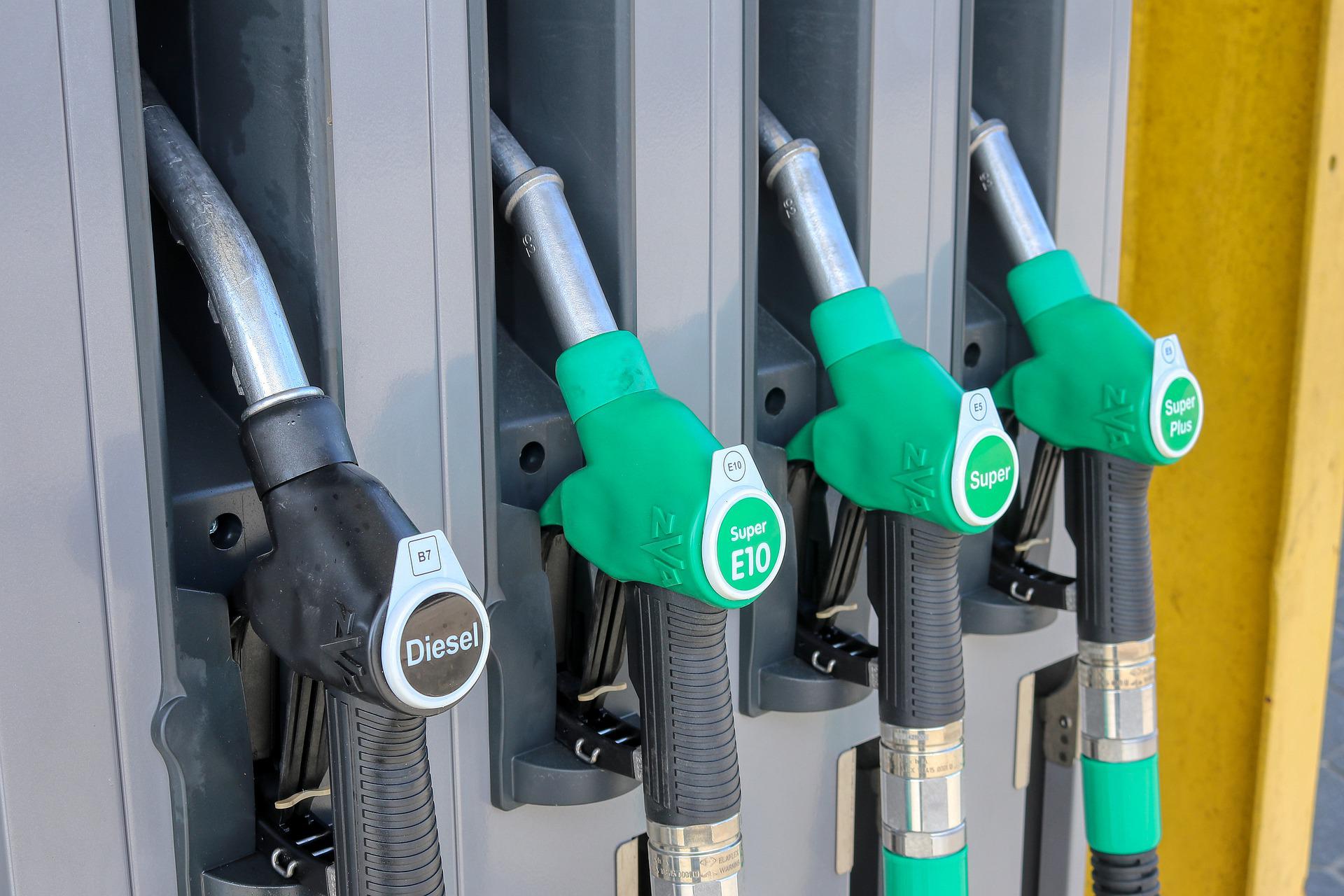

Now, in some cities, like Brusque, Santa Catarina (SC), the average price of gasoline is around R$ 5.99 (Source: Havan Station, Brusque). Since 2021, more than twenty Brazilian states were charging the price of the liter above R$ 7, directly impacting freight prices.
According to data shared by the Ticket Log Price Index (IPTL), the average price of gasoline is being traded at a national decrease of 10.22% compared to the previous month. The decrease will be more pronounced in the coming days after Petrobras reduced prices by at least R$ 0.2 per liter of fuel. Ethanol also showed variations, being down by 6.33% compared to the previous month, closing with a national average of R$ 5.62. Meanwhile, for the first time in history, the price of diesel exceeds that of gasoline: in Itajaí, Santa Catarina (SC), it was, two weeks ago, being sold at R$ 7.3. Negative variations are expected to intensify in the coming days due to discounts from Petrobras along with Brent oil price drops caused by recession.
Douglas Pina, General Director of Mainstream in the Fleet and Mobility Division of Edenred Brazil, argues that one of the factors that led to a decrease in the price of gasoline and other fuels was the reduction of ICMS. The government, currently led by Jair Bolsonaro, ordered the creation of a project that foresees the end of taxes by states or their reduction, while governors would receive a portion of federal investments to cover these funds that would no longer enter the treasury.
Pumps in the South of the Country Are Leaders in Gasoline Discounts
In the South, in states like Santa Catarina (SC), Paraná (PR), and Rio Grande do Sul (RS), the increase in gasoline was higher than in other states, being at least 12.38%, reaching an average price of R$ 6.30 at the pumps, with some cities charging less than R$ 6, such as in Brusque, which is at R$ 5.99. Meanwhile, in the Northeast region, there are higher prices, above R$ 7.
-
Qantas and Airbus Invest in Company Aiming to Convert Unsorted Household Trash into Jet Fuel

-
Brazil’s ANP Opens 86 New Oil Blocks in the Equatorial Margin, Expanding the Amazon River Mouth Frontier

-
OPEC+ Boosts Oil Supply by 188,000 Barrels per Day in July 2026, Leading to Price Drop from $112 to $89 per Barrel in Under Two Months

-
TotalEnergies Signs 20-Year Deal to Purchase 2 Million Tons of LNG from Alaska, Boosting Project Viability
The Northeast region also showed the highest increase in ethanol prices. In this regard, the price charged for the fuel was R$ 6 at the stations, with a drop much lower than estimated, being 3%.
The state of São Paulo (SP), meanwhile, is one of the states with the highest discounts in the Southeast, reaching a reduction of 8% in ethanol, which was found at some stations with an average price of R$ 4.28. This represented a decrease of at least 2% compared to last month.
According to Pina, the only states that showed ethanol as the most advantageous option for transportation and refueling were São Paulo (SP), Minas Gerais (MG), Mato Grosso (MT), and Goiás (GO).
Will Fuel Drop? Understand How the Situation of Brent Oil Is – Much Beyond Petrobras
According to analysts, the price of Brent oil has fallen at least five times in the last six economic recessions and now it is estimated that the barrel will show a global decline following new partnerships by the United States in the East. The accumulated increase in the price of the barrel is 55%, having been over 100% in previous months.
One of the events that caused Brent oil to suffer spikes was the war that broke out between Russia and Ukraine, at the end of February, following consecutive warnings from the President of the United States, Joe Biden.