





 Portuguese
  English
  Spanish
  4 min of reading
  2 comments





Important Highway (BR) Will Have Doubled Tolls. Promises of Works Fail to Convince Drivers and Producers, Who Are Already Suffering from High Costs. Representatives Criticize the Lack of Planning and Transparency. Will Users See the Promised Benefits or Just Feel the Financial Impact?
The increase in the toll rate on one of the busiest highways in Mato Grosso do Sul is already causing concern among local drivers and producers.
The BR-163-MS, managed by CCR-MSVia, is at the center of a controversy involving duplications, contracts, and an alarming jump in toll costs.
Despite promises of improvements to the road, many believe that the negative impacts may outweigh any benefits.
-
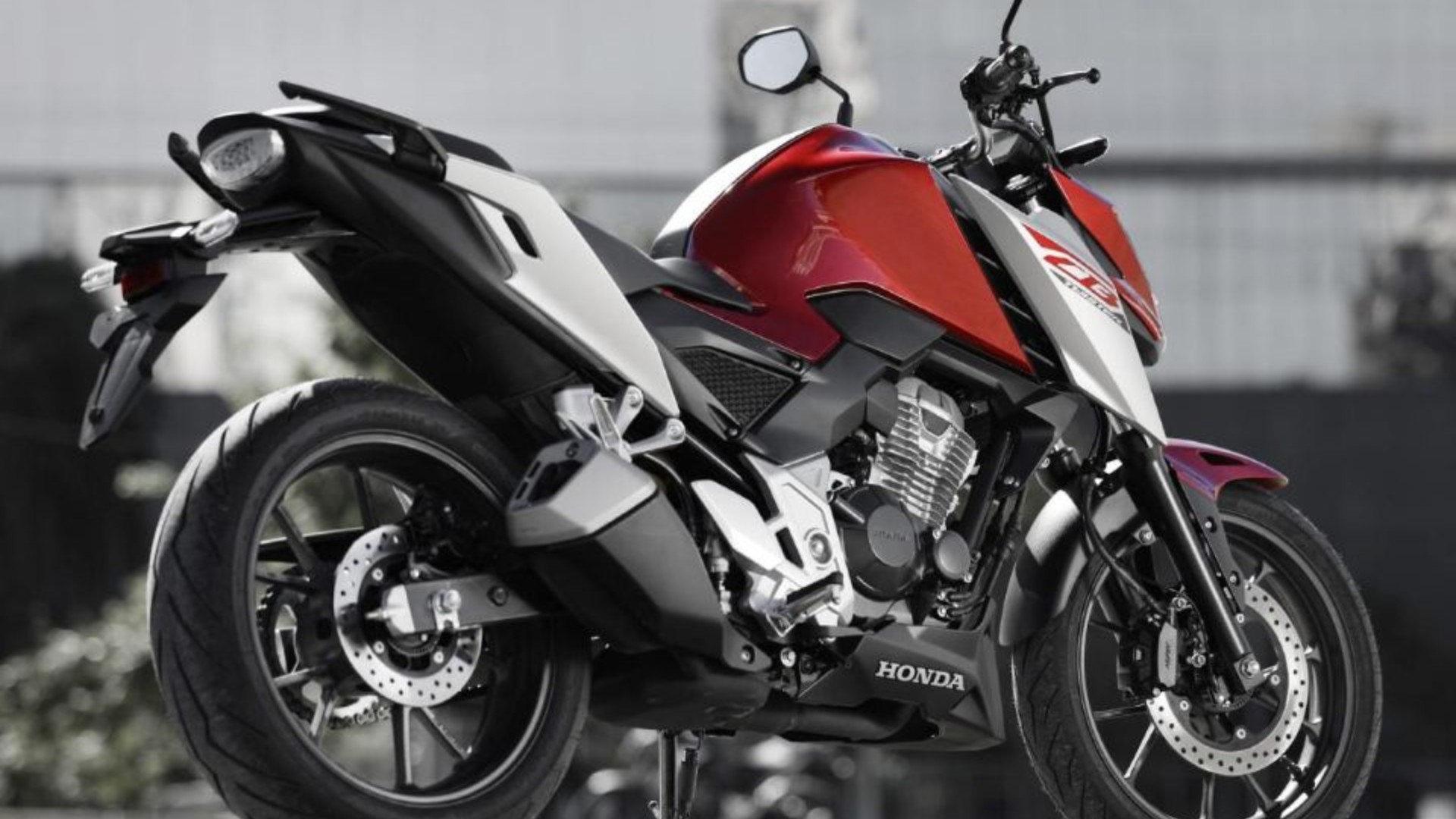
With a 293.5 cm³ engine and a range of up to 400 km with a 14.1-liter tank, the Honda CB 300F Twister 2026 has up to 24.7 hp, an initial price of R$ 25,150, and already exceeds R$ 29,000 in the Fipe Table.
-
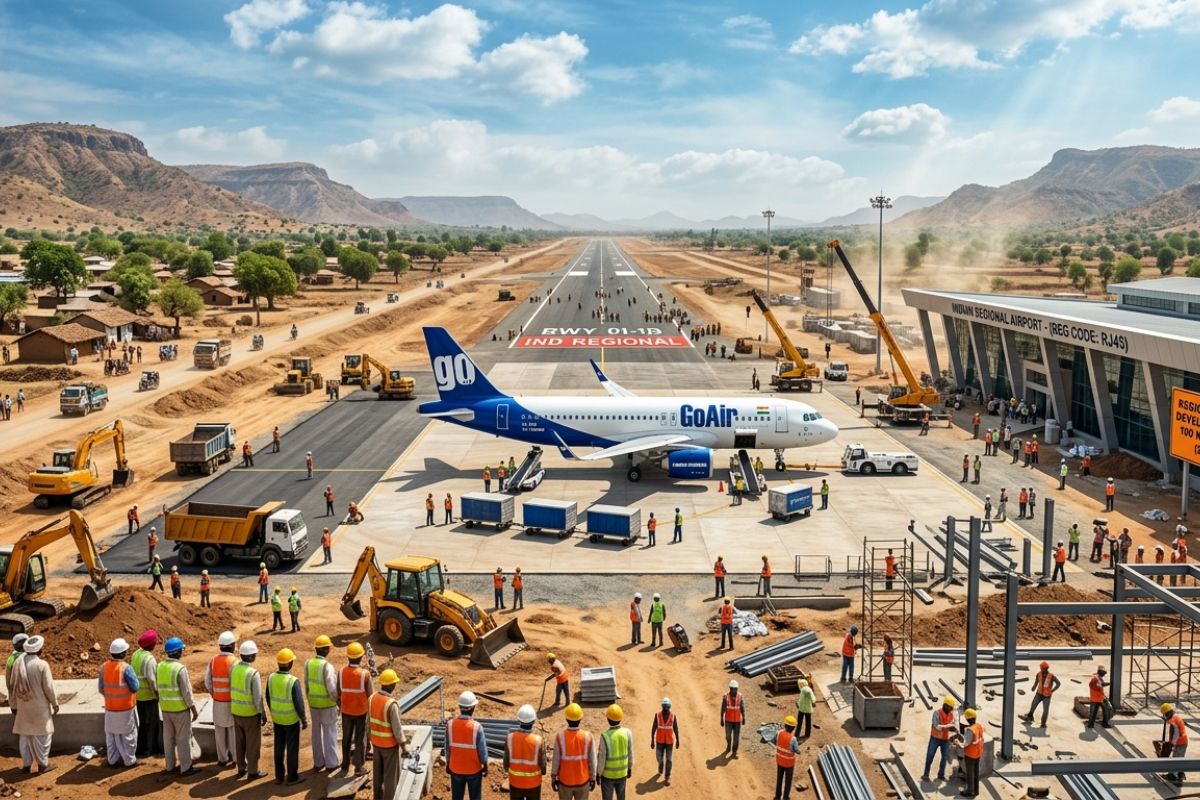
India announces a plan of $3.06 billion to bring aviation to forgotten regions: 100 new airports, $1.07 billion in subsidies, and regional routes guaranteed for 10 years, from 2026 to 2036, away from the centers.
-
Brazil blocked a proposal from the United States at the WTO that would make the exemption from tariffs on digital products like streaming and ebooks permanent, favoring American tech giants at the expense of developing countries.

-
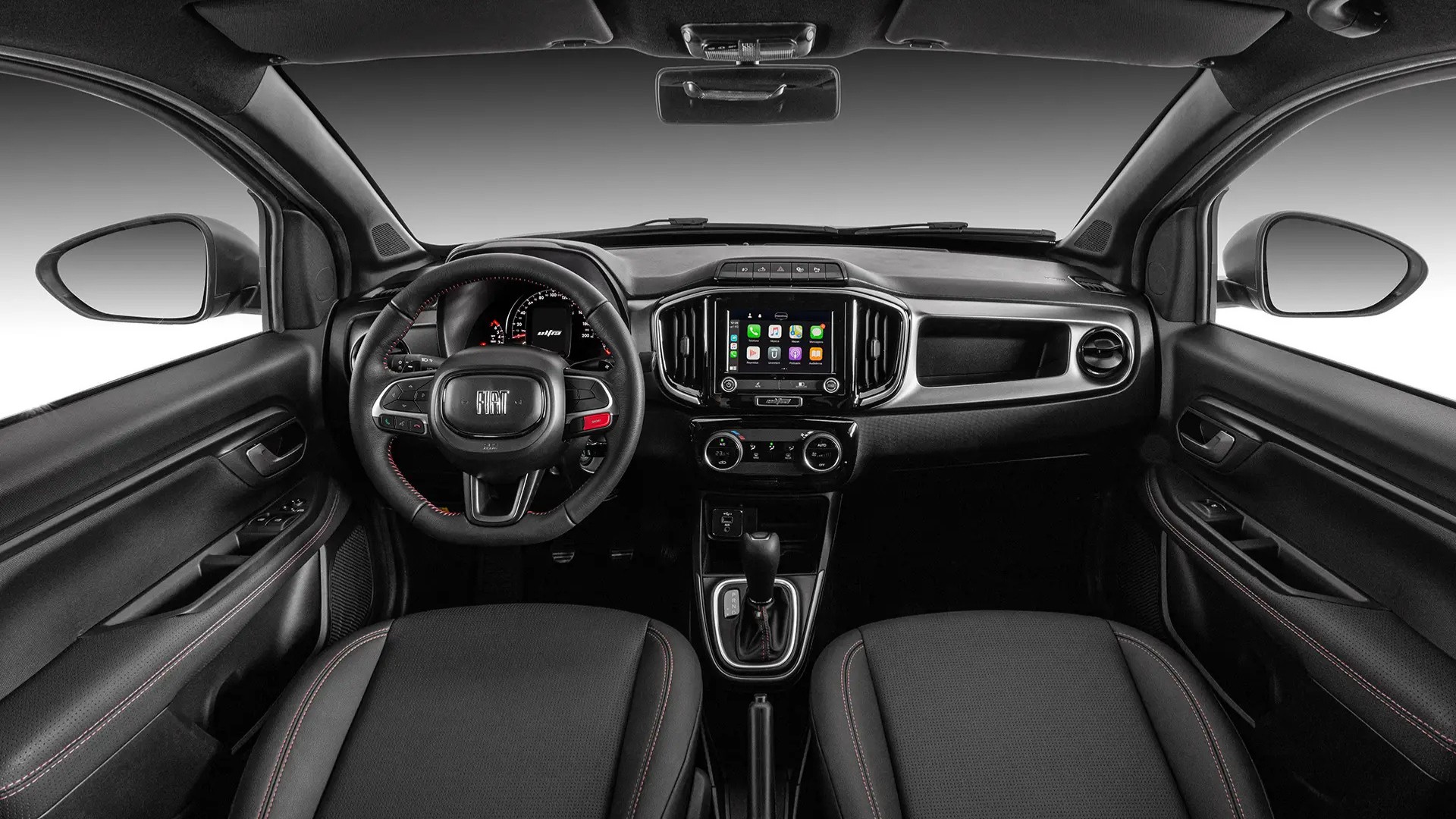
With a 1.3 engine, nearly 700 km of range, and Turbo 200, the Fiat model surpasses Polo, Tera HB20, and Onix, becoming the best-selling car in March; see the numbers for the Fiat Strada and others.

On Tuesday (17), during a public hearing of the ANTT (National Land Transport Agency) held in Campo Grande, it was revealed that the toll rates for the BR-163-MS highway will double in the next three years.
The proposal, justified by the need for investments and the resumption of stalled works, provoked negative reactions from the transport and logistics sector, as well as criticism from local leaders.
An Uncertain Future for Users
According to SETLOG-MS (Union of Cargo Transport and Logistics Companies of Mato Grosso do Sul), the public hearing left more questions than answers.
Rafael Vitale, director general of ANTT, explained that renegotiating the contract with CCR-MSVia is the quickest alternative for resuming duplication works and increasing the safety of the highway.
However, the financial impact of this decision will be directly felt by users.
According to the proposal presented, the toll will have an immediate increase of 33% next year, with projections to reach a total adjustment of 100% by 2027.
This means that drivers will pay double to travel the same stretches.
Criticism of the Lack of Planning and Communication
Cláudio Cavol, a representative of SETLOG-MS, was one of the most vocal critics at the hearing.
For him, the event was disappointing both for the lack of clarity in the explanations and for the absence of adequate communication. “I only found out yesterday afternoon through ANTT’s website.
If there had been better communication, we could have brought more business people and representatives from the agricultural sector to discuss viable solutions,” Cavol stated.
The leader also emphasized that the toll increase will be an “economic disaster” for Mato Grosso do Sul.
He highlighted the disproportionate impact on small producers, who depend on the highway to transport their goods.
“They are allowing a 33% increase next year with very few investments. Just imagine what it will be like in three years, with tolls 100% more expensive?” questioned Cavol.
Works Promised Until 2054: Dream or Reality?
Another controversial point was the announcement that the duplication of the 845 kilometers of BR-163-MS is expected to be completed only by 2054.
Rafael Vitale, director of ANTT, assured that investments will be made gradually.
However, Cavol was emphatic in his assessment: “Time will tell. Until then, we will continue to pay one of the highest tolls in Brazil without the corresponding service.”
CCR-MSVia, responsible for the concession, defended the adjustment as a necessity to enable the investments, arguing that the suspension of works in previous years compromised the safety of the highway.
However, the population and representatives from the sector question whether these costs will translate into real benefits or if the toll will remain a headache for those who depend on BR-163-MS.
Impacts on Transport and the Economy
For the cargo transport and logistics sector, the situation is concerning.
The increase in the toll may directly affect the costs of transporting goods, with significant impacts on the state’s production chain.
With an economy heavily based on agriculture, Mato Grosso do Sul depends on efficient infrastructure to maintain its competitiveness.
Cavol also emphasized the need for more transparent planning and stricter oversight of the services provided by the concessionaire.
“It is unacceptable to pay for something that is not being delivered. Works need to be resumed more quickly and efficiently,” he stated.
What to Expect in the Future?
The controversy surrounding BR-163-MS reflects larger challenges faced throughout Brazil regarding highway concessions.
While the toll increase is a certainty, the promised improvements are still an unknown.
For drivers and producers in Mato Grosso do Sul, the future of the highway will be decisive for the region’s economic development.
And what do you think? Is the toll increase on BR-163-MS justified by the promises of works? Or will it be just another cost without return for drivers? Share your opinion in the comments!







Todos os pedágios mais caro do país envolve a CCR porque será
Eu acho que poderia quadruplicar, a população merece, quem elegeu o entreguista não foi eu.