





 English
  Francês
  Alemão
  Italiano
  Japonês
  Norueguês
  Portuguese
  Spanish
  2 min of reading


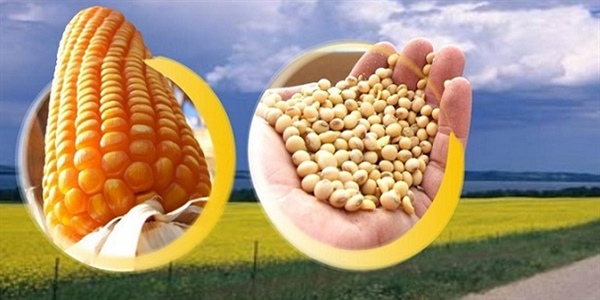
The Decision to Zero the Import Duty on Corn and Soy Was Made by Camex to Contain the Increase in Food Prices
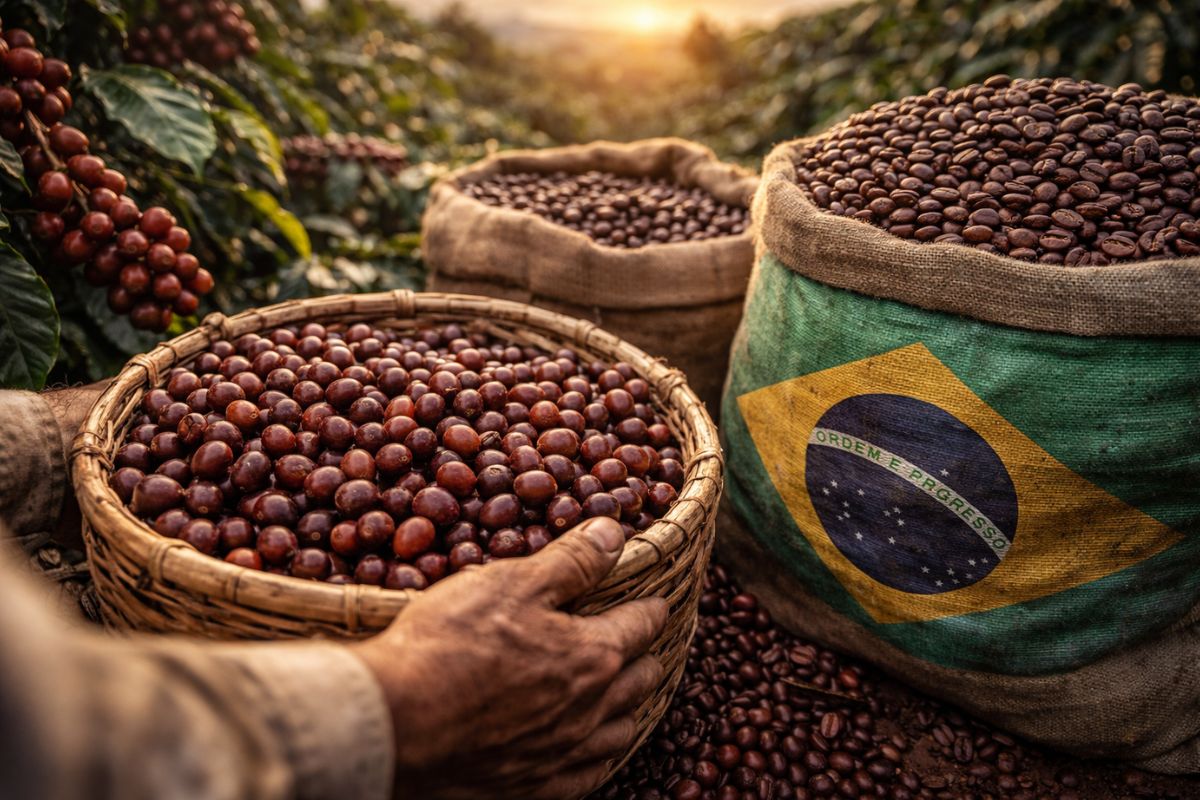
Two of the main grains in national agriculture – soy and corn – will have their import duty set to zero in order to maintain balance in the supply of these products in the domestic market. The decision was made by the Executive Management Committee (Gecex) of the Chamber of Foreign Trade (Camex) on Friday (16), during an extraordinary meeting, based on proposals presented by the ministries of Agriculture, Livestock and Supply (regarding soy) and Economy (regarding corn).
Read Also
- Camex Reduces Tax and Brazil Takes a Giant Step Toward the Growth of Cabotage
- More 109 Solar Energy Equipment Have Import Duty Waived by the Government
- Bolsonaro Zeroes Import Duty on 281 Equipment
Zero Taxes on Soy and Corn Imports
The temporary suspension of the import duty for soy (grain, meal, and oil) will be in effect until January 15, 2021. As for corn, Brazilian imports without tax payment will last until March 31, 2021. The establishment of these dates aims not to compromise the marketing of the next harvest, which is expected to begin early next year.
The increase in global food demand caused by the occurrence of the Covid-19 pandemic generated similar effects, but with different motivations, in the markets related to these two commodities.
-
Chinese giant worth nearly R$ 4 billion that manufactures cables for electric cars, solar energy, and robotics wants to open a factory in SC.
-
Many employers do not know, but the law guarantees domestic workers a 25% increase in salary during trips, 50% for overtime, 20% for night shifts, and 17 additional benefits that can lead to labor lawsuits if not paid.

-
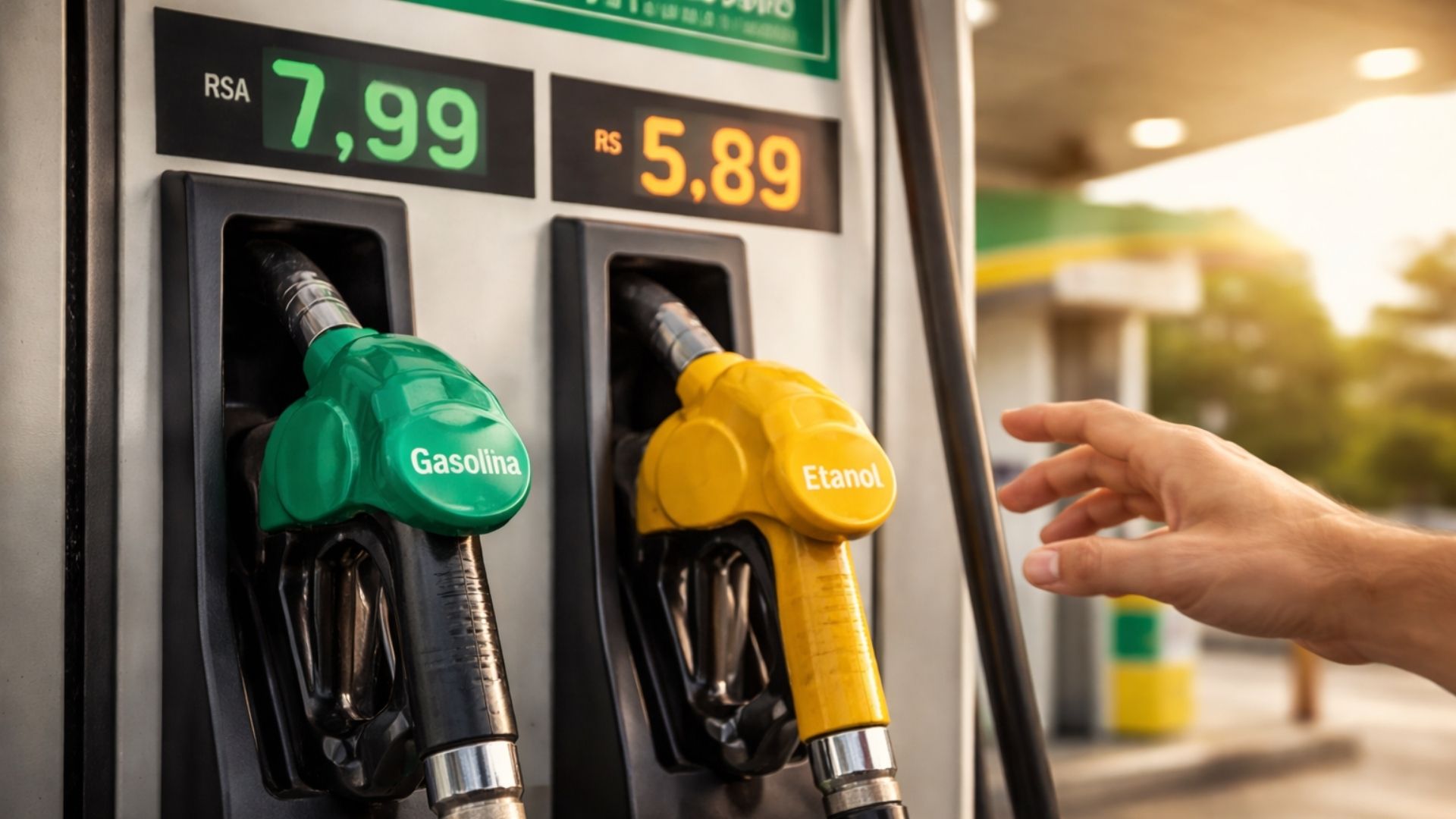
Gasoline prices soar and the question arises: is ethanol more advantageous? The 70% rule reveals the limit with gasoline.
-
The government has made a decision and is starting a test with more ethanol in gasoline, anticipating a mixture of up to 35%, diesel with 25% biodiesel, and a study to assess the impacts on engines.

In the case of corn, there was an increase in domestic consumption to supply animal protein production, which saw growth in exports. This trend has been recorded over the past two decades at a rate of 14.3% per year.
Government Affirms That Everything Will Return to Normal Soon
In the case of soy and its derivatives, such as meal and oil, there was also an increase in external sales that gained momentum with the appreciation of the dollar.
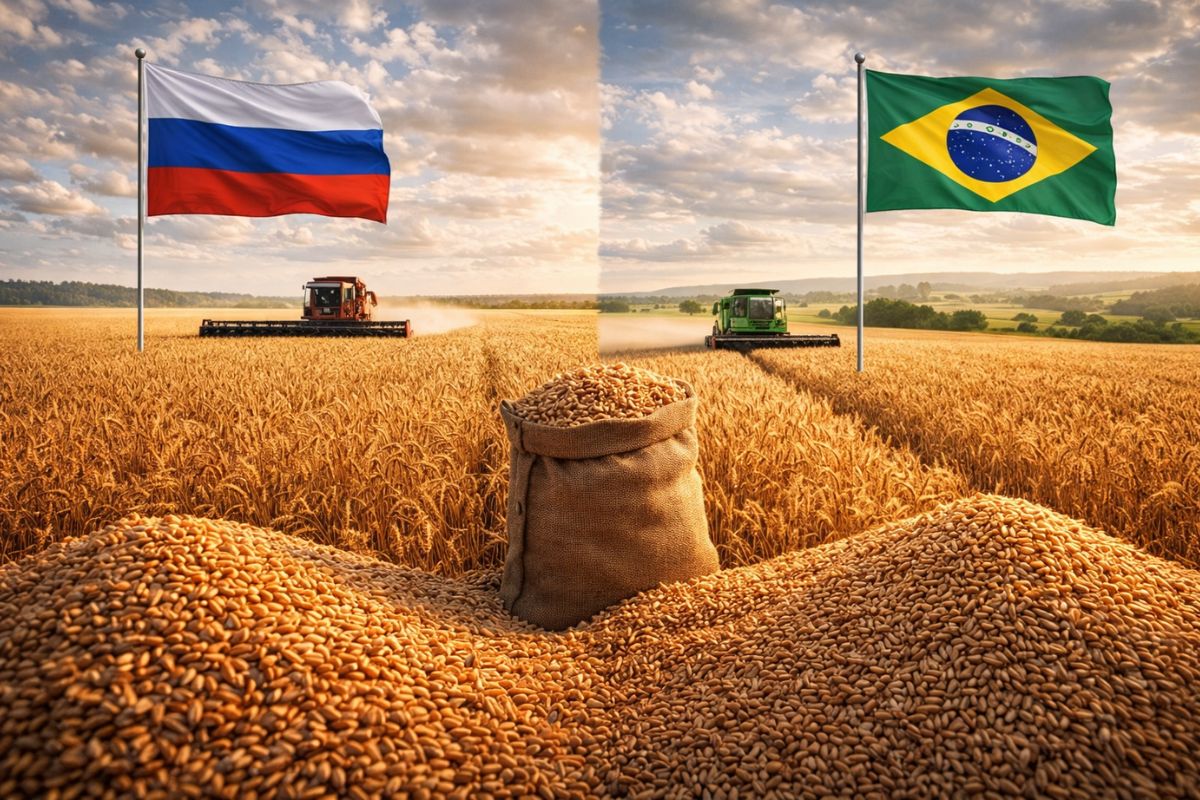
“In light of these factors, it was prudent to seek a preventive measure to equalize the import conditions of third countries with Mercosur, strengthening the supply of the domestic market,” says the director of Marketing and Supply, Sílvio Farnese. It is important to emphasize, according to the director of Mapa, that there is no expectation of shortages of the products.
The objective is to promote an adjustment between the supply and demand of these products in the period leading up to the harvest of the 2020/2021 crop, which will begin early next year.








Seja o primeiro a reagir!