Portuguese
  Spanish


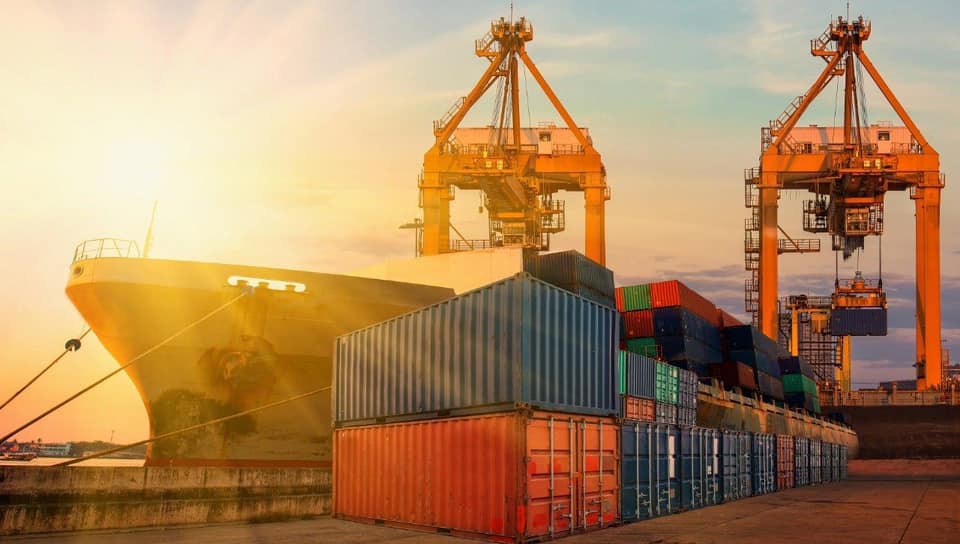

Importation of Vessels for Navigation Along the Coast of Brazil Now Has Zero Tariff, Jair Bolsonaro Stated on His Official News Network This Afternoon, 8.
In Brazil, the Foreign Trade Chamber (Camex) approved, this Wednesday, 07, the reduction of the Import Tax rate on vessels for the transport of goods from 14% to 0%. After the Closure of the Shipyard in Recife, “BR do Mar” Was the Final Blow.
Companies that import ships will see a reduction of about 40% in the tax burden for acquiring foreign vessels. The measure aims to promote cabotage in the country and is a reflection of discussions surrounding the BR do Mar program, which will be launched soon by the Ministry of Infrastructure.
-
Over 2,000 Tons of Discarded Fishing Nets Since 2020 Repurposed into Durable Caps, Fins, and Parts

-
Seals and Sea Lions Lose Habitat and Food as Climate Change Advances, Impacting Ice, Prey, and Coastal Communities

-
Brazilian Innovator Uses 3D-Printed Device to Cool Two Rooms with One Air Conditioner
-
China Uses 432 Robots to Move a 7,500-Ton Historic Building in Shanghai, Preserving Architecture While Creating Space for Underground Center


“Our government is taking a giant step toward the growth of cabotage (port-to-port navigation along the coast). The Foreign Trade Chamber (CAMEX) approved our proposal to reduce the import tax rate from 14% to 0% for the acquisition of vessels used in this segment”, said Bolsonaro.
“Cost reduction in the acquisition of a fleet of at least 40%. A huge step for those looking to invest in the sector, generate jobs, activate the entire production chain, and increase the share of cabotage in Brazil’s transport. More news is coming!”, concluded the president.
- Eneva Evaluates Acquisition of 75% of the Thermal Power Plant Nossa Senhora de Fátima in Macaé
- Potential Method, In Loco and QuintoAndar with Nearly 400 Job Openings in Many Positions Today November 8
“The initiative will develop maritime transport, stimulate private investments in fleet establishment in Brazil, reduce entry barriers for new players, expand the offer of maritime transport along the Brazilian coast, reduce national logistics costs, and optimize the use of public resources in infrastructure investments,” evaluates the National Secretary of Ports and Waterway Transport, Diogo Piloni.
Among the vessels benefiting from the proposal are, above all, container ships. Currently, 17 ships of this type operate in Brazil, with 11 new vessels incorporated into the Brazilian fleet, only between 2008 and 2015.
Of these, nine were imported. The numbers show that the market has increased demand for the provision of transport services via cabotage.
The cabotage market has been recording significant figures in recent years. According to data from the National Agency of Waterway Transport (ANTAQ), between 2016 and 2017, maritime transport along the Brazilian coast grew by 3.8% in terms of tons transported. Only container transport saw a 12% increase.
- Job Openings for Talented Professionals in Multinational for Offshore and Onshore Activities
- Extensive Job Openings List to Work in the Largest Manufacturer of Aluminum Electric Cables in Latin America
- If Brazil is Self-Sufficient in Oil, Why Does It Still Buy the Product?