





 Portuguese
  English
  Spanish
  6 min of reading
  0 comments


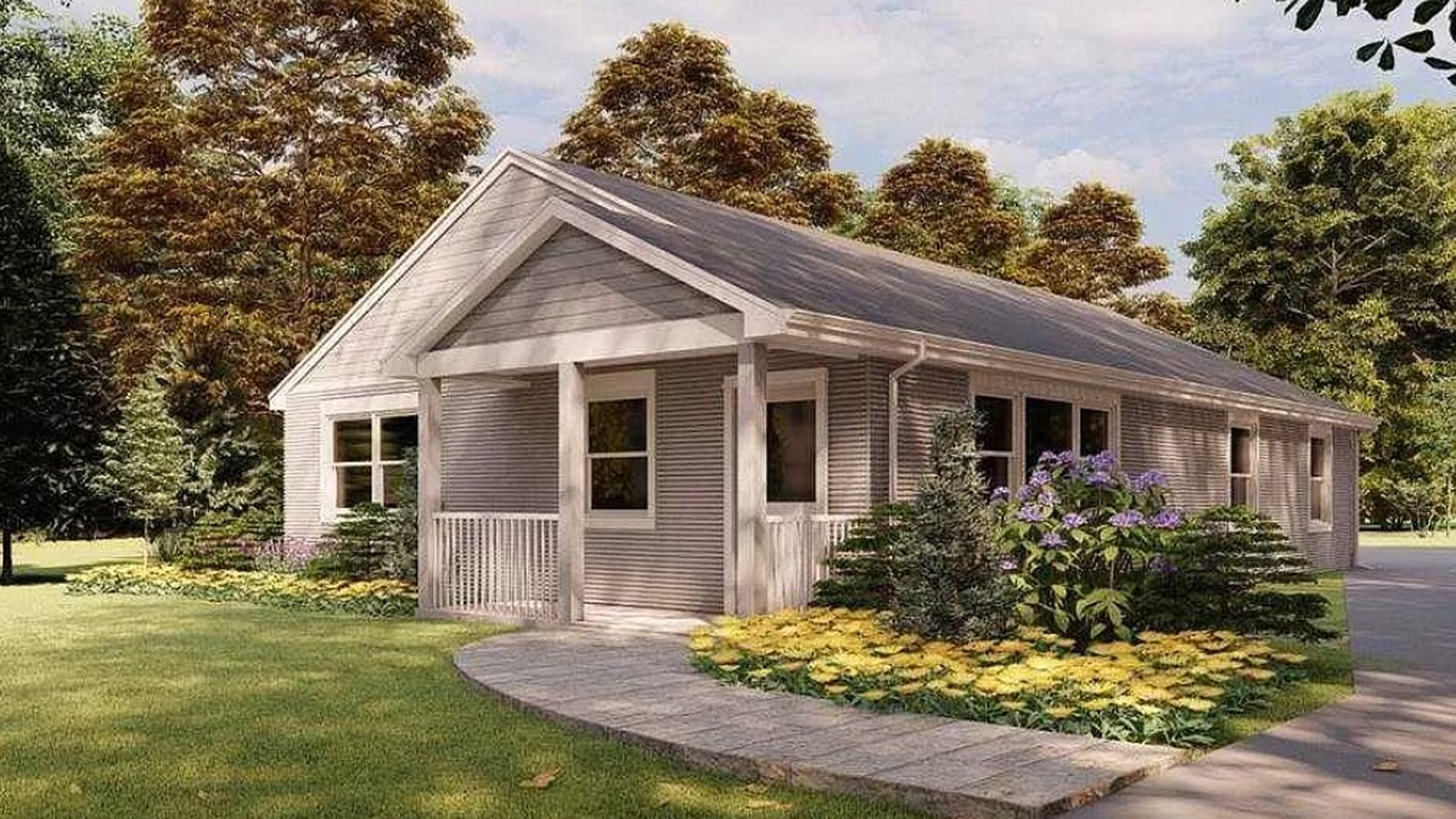
SQ4D Prints 176 m² House in 48 Hours in the USA with US$ 6,000 in Concrete; Home Sold for US$ 299,999 in New York.
An American company called SQ4D managed to print a complete residence of 176 square meters in just 48 hours of printing time, spread over 8 days, using only US$ 6,000 in concrete materials. The house, located in Riverhead, New York, represents a historic milestone as the first 3D-printed residence in the United States to receive an occupancy certificate and be listed for sale in the traditional real estate market.
With 3 bedrooms, 2 bathrooms, and a garage for 2.5 cars, the property was sold for US$ 299,999, approximately 50% below the price of comparable traditionally built houses in the same area.
ARCS System Prints Concrete at a Speed of 10 to 17 Meters Per Minute
The technology responsible for this achievement is the ARCS (Autonomous Robotic Construction System), developed and patented by SQ4D.
-
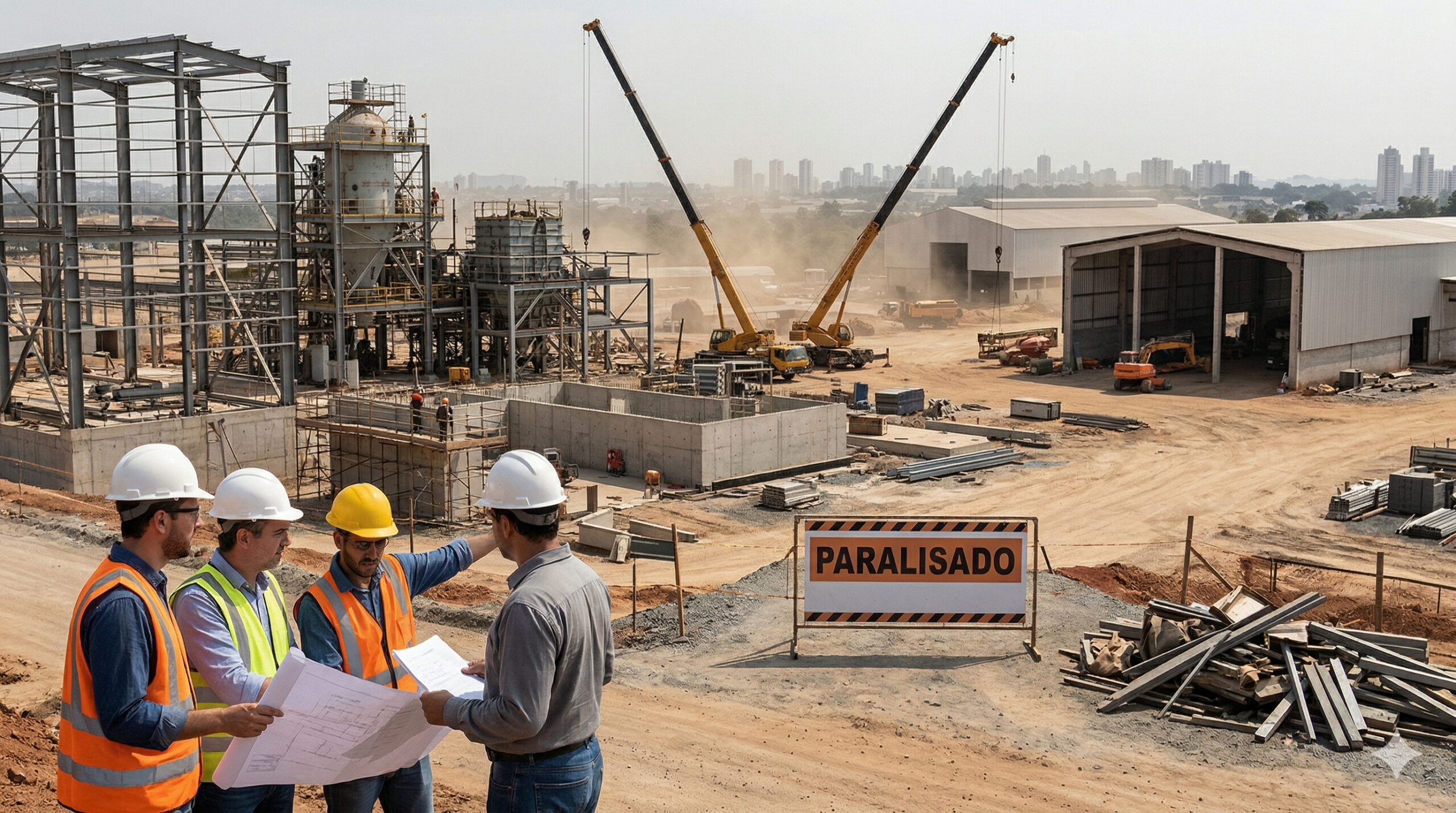
The lack of welders, electricians, and operators becomes a structural threat in 2025, with the construction industry and manufacturing already suffering from delays, cost pressures, and labor shortages in Brazil.
-
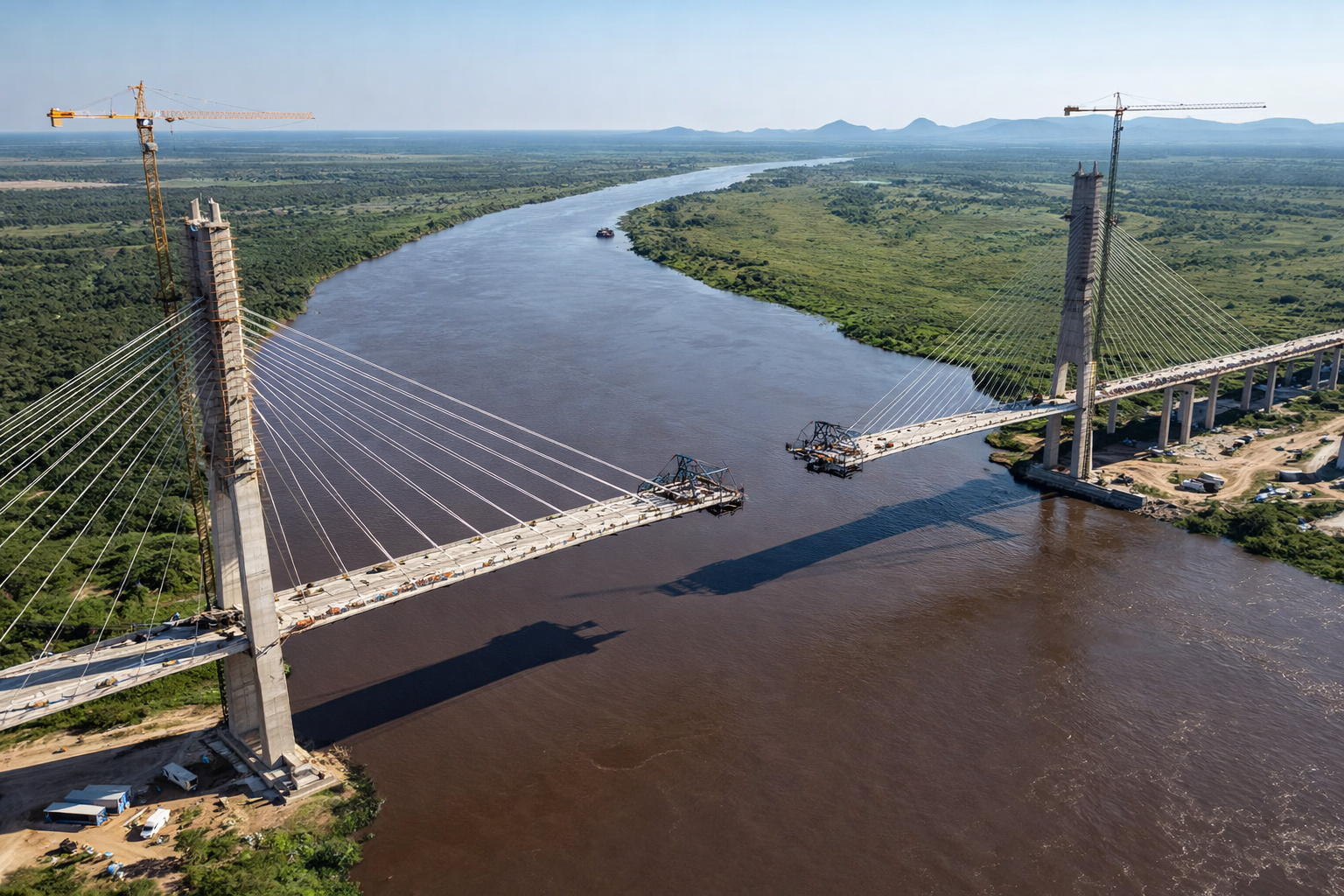
Brazil and Paraguay are just 46 meters away from a historic union on the bioceanic bridge that promises to revolutionize trade between the Atlantic and the Pacific.
-
With 55 km over the sea, a cost of US$ 20 billion, and enough steel to build 60 Eiffel Towers, China’s largest project has connected Hong Kong, Zhuhai, and Macau in a colossal bridge that defies the logic of engineering.

-
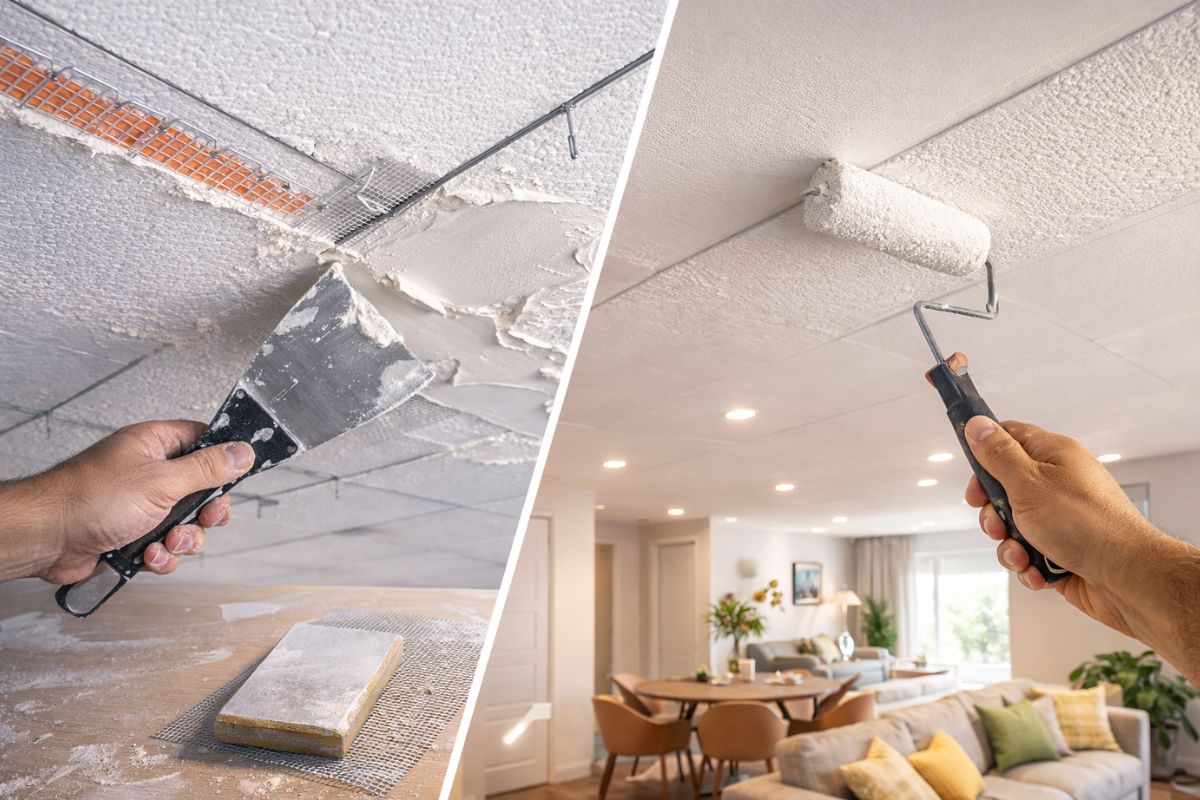
A trick with joint compound transforms a Styrofoam ceiling into a plaster-like ceiling: leveled panels, wires and mesh at the joints, sand, paint, and change the environment while spending little today.

It is an industrial-scale 3D printer in a gantry format that moves on tracks installed on-site, capable of constructing complete residential and commercial structures directly at the job site.
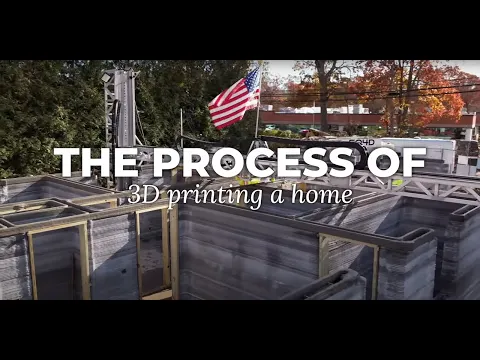

The ARCS functions like a giant robotic arm that extrudes a concrete mix composed of Portland cement, water, and aggregates through a heated nozzle, depositing precise layers that solidify rapidly. The system is capable of printing concrete at an impressive speed of 400 to 700 inches (10 to 17 meters) per minute, with each layer timed perfectly to ensure proper adhesion.
The equipment is made of aerospace-grade aluminum and high-quality stainless steel, designed to withstand the harsh conditions typical of construction sites and operate under any type of weather.
Process Eliminates More Than 20 Tedious Steps and Requires Only 3 Operators

This automated method eliminates more than 20 tedious manual processes from conventional construction, such as exterior cladding installation, wood framing, and closure paneling.
According to SQ4D, the printing process can account for up to 41% of a home’s total construction cost, and the system requires only 3 operators to monitor the entire operation, a drastic reduction compared to the 20 people normally needed in traditional methods.
After preparing the site and installing the underground piping, the team assembles the 3D printer and tracks in 6 to 8 hours. The printer then excavates and fills the foundations, prints the foundation walls reinforced with rebar, constructs the slab, and all internal and external walls. During the printing, the team makes cuts for electrical boxes and positions door and window frames, and the printer prints around them.
Reinforced Concrete Resists EF-5 Tornadoes, Category 5 Hurricanes, and Major Earthquakes
One of the main advantages of 3D-printed concrete houses is their exceptional structural strength. Compression strength tests of concrete printed by the ARCS exceed industry standards by two times, offering an extremely robust monolithic structure.
Reinforced concrete combines the high compressive strength of concrete with the tensile strength of steel, creating a structure that can absorb and dissipate seismic energy rather than collapse under pressure.
Studies show that reinforced concrete houses with structural concrete roofs can withstand EF-5 tornadoes (the most violent on the scale), category 5 hurricanes, and major earthquakes without suffering damage.
Guam, in the Pacific, has documented examples of reinforced concrete houses that survived intact for up to 50 years of violent typhoons and powerful earthquakes. In addition, the structures are naturally resistant to fire, flooding, mold, and pests like termites and rodents.
SQ4D offers a 50-year warranty on its 3D-printed structures. Comparatively, conventional wooden houses cannot withstand EF-4 or EF-5 tornadoes, and there is no documentation of any traditional wooden house surviving such violent winds in North America.
Savings of 50% to 80% on Labor Costs and 30% Reduction in Material Waste
Although the cost of concrete materials to print the 176m² house structure was only US$ 6,000, the final cost to make the residence completely ready was US$ 299,999, including all electrical installations, plumbing, HVAC system, roofing, doors, windows, thermal insulation, painting, and finishes.

Even so, the final price represents a savings of approximately 50% compared to similar traditionally built houses. 3D printing can reduce labor costs by 50% to 80%, as only 3 operators are needed instead of teams of 20 or more workers.
The printer uses only the exact amount of concrete required, reducing waste by up to 30% compared to traditional construction.
The speed of construction also generates savings: a 3D printed house takes 1 to 3 months to be fully completed, while traditional constructions take 6 to 12 months or more.
The ARCS system consumes energy equivalent to that of a hairdryer, making the process extremely economical. Additionally, the printed houses offer better energy efficiency due to the higher R-value of concrete walls, resulting in substantially lower energy bills.
Curved Walls Cost the Same as Straight Walls and Allow Unlimited Architectural Customization
In traditional wood constructions, creating curved walls or complex geometries is extremely expensive and labor-intensive. With concrete 3D printing, creating a curved wall is as simple as printing a straight wall: there is no difference in cost or time.
The system follows a digital model loaded in the software, and any programmed shape can be executed with the same ease and precision.

SQ4D has already printed various customized architectural features in its projects, including curved kitchen countertops, integrated planters, tables, and chairs printed directly into the concrete, hooded windows, and decorative parapets.
As changing an architectural layout is as simple as adjusting a CAD file, clients can fully customize their homes without significant additional costs.
Technology Promises to Tackle Global Housing Crisis with 1.6 Billion People in Inadequate Housing
The 3D printing technology for construction is rapidly expanding worldwide. Companies like ICON, CyBe Construction, COBOD, and Apis Cor are building 3D printed houses on different continents.
With more than 1.6 billion people living in inadequate or informal housing, 3D printing offers a path to quickly build quality homes at significantly reduced costs.
ICON, in partnership with the organization New Story, is constructing a community of 50 3D printed houses for low-income families in Tabasco, Mexico. Each 46m² house is printed in about 24 hours. In Florida, the Corporation to Develop Communities of Tampa has acquired 3D printers and is building affordable homes, particularly important in disaster-prone areas.
The process exclusively uses locally sourced materials, reducing carbon emissions associated with transportation. Studies indicate that adopting 3D printing in construction can reduce CO₂ emissions by up to 70%. Homes have an estimated lifespan of 50 to 100 years, meaning less need for reconstructions over time.
Regulatory Challenges and Initial Equipment Cost Limit Widespread Adoption
Despite the enormous potential, 3D printing houses still face significant challenges. The main obstacle is regulatory: building codes and zoning laws in many jurisdictions were written decades ago and do not contemplate automated construction methods.
SQ4D had to work extensively with local authorities to ensure their house complied with all building codes and received occupancy certification.
Many potential buyers still have doubts about the durability, safety, and resale value of 3D printed houses. Education and long-term demonstrations will be necessary to build consumer confidence in the technology.
The initial cost of equipment is also a barrier. A complete construction 3D printer can cost from US$ 400,000 to US$ 1.2 million. Although studies show that the equipment can pay for itself in 24 to 36 months through operational savings, the initial capital required limits adoption of the technology to larger companies.
SQ4D claims that future improvements to the ARCS system will allow for a reduction in printing time by half. Ongoing developments include the ability to print structural concrete roofs and automatically integrate electrical and plumbing installations during the printing process.
In the long run, experts predict that 3D printing, robotics, and advanced materials will help address the shortage of affordable housing and transform construction into a safer and more sustainable industry.









-

-

-

-

-

-

34 pessoas reagiram a isso.