





 Portuguese
  English
  Spanish
  4 min of reading
  0 comments


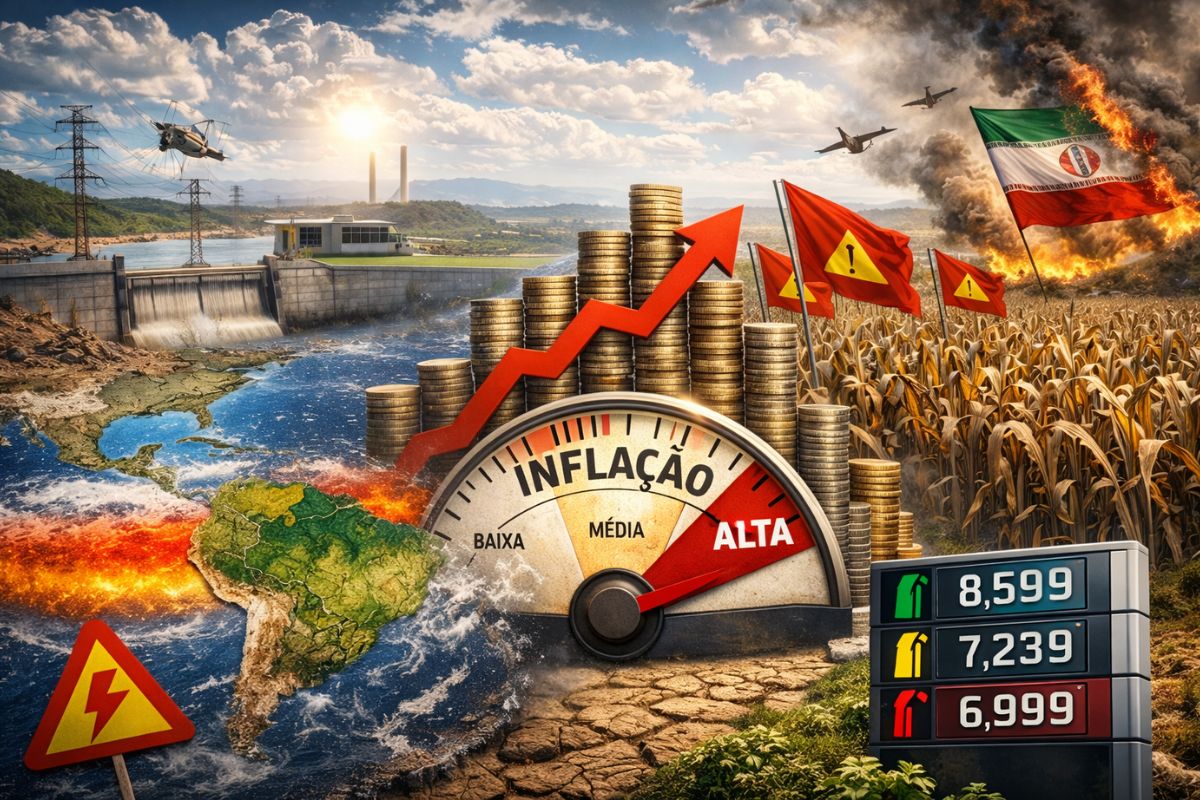
Inflation enters the government’s maximum radar with the combination of tension in the Middle East and a greater chance of a strong El Niño, which could reduce rainfall, increase generation costs, and affect food prices.
Inflation is already worrying the federal government with the escalation of tension in the Middle East, and a climatic factor could make the scenario even more delicate: the possibility of an intense El Niño in 2026. With a risk of direct impact on energy and food, the subject has gained priority because it affects the two items that most quickly reach families’ pockets.
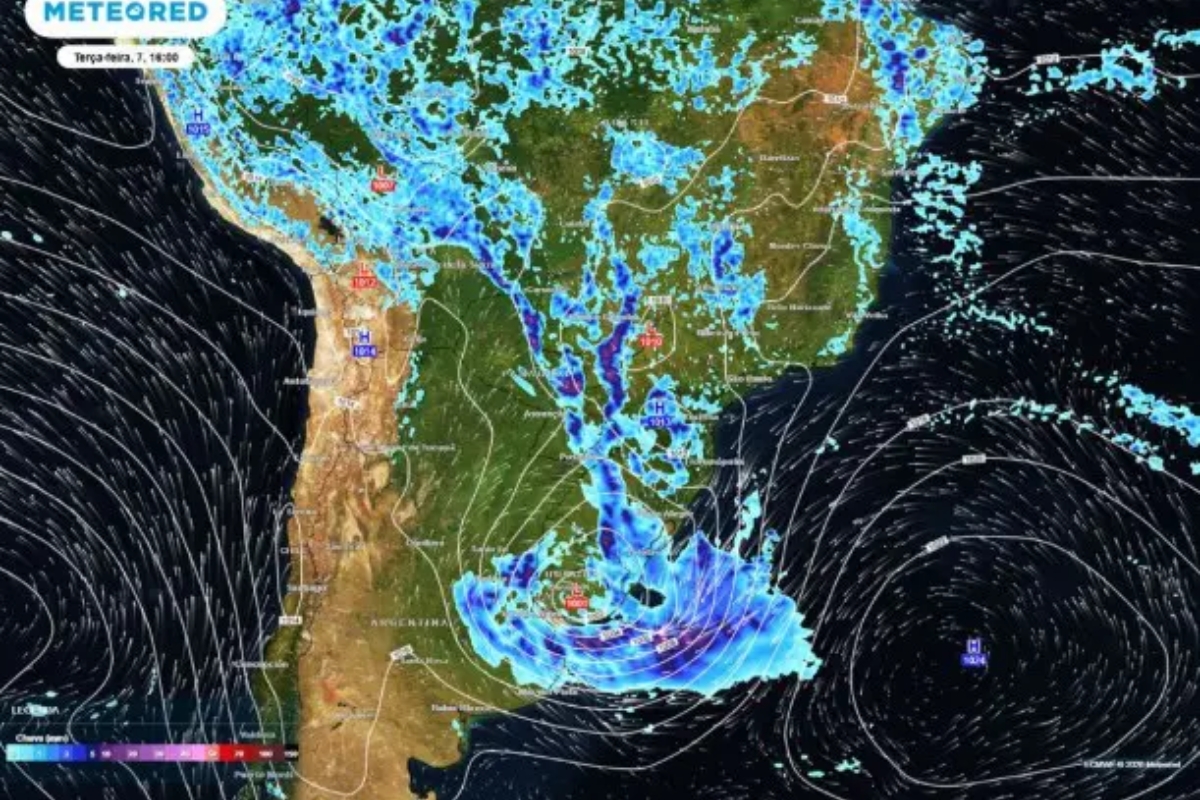
Meteorology indicates a transition from La Niña to a neutral pattern next month, followed by an increase in the probability of El Niño in the second half. If the phenomenon comes stronger, as indicated by some models, Brazil may face additional price pressures just when the economy is already trying to maintain stability.
Why El Niño and war are together in the inflation debate
The economic effects of climatic events usually appear through two main channels: food prices and hydroelectric energy production.
-
Those with debt in their name will be on alert in 2026: Central Bank reveals indebtedness of 49.7% of income and increasing pressure from high inflation and interest rates.

-
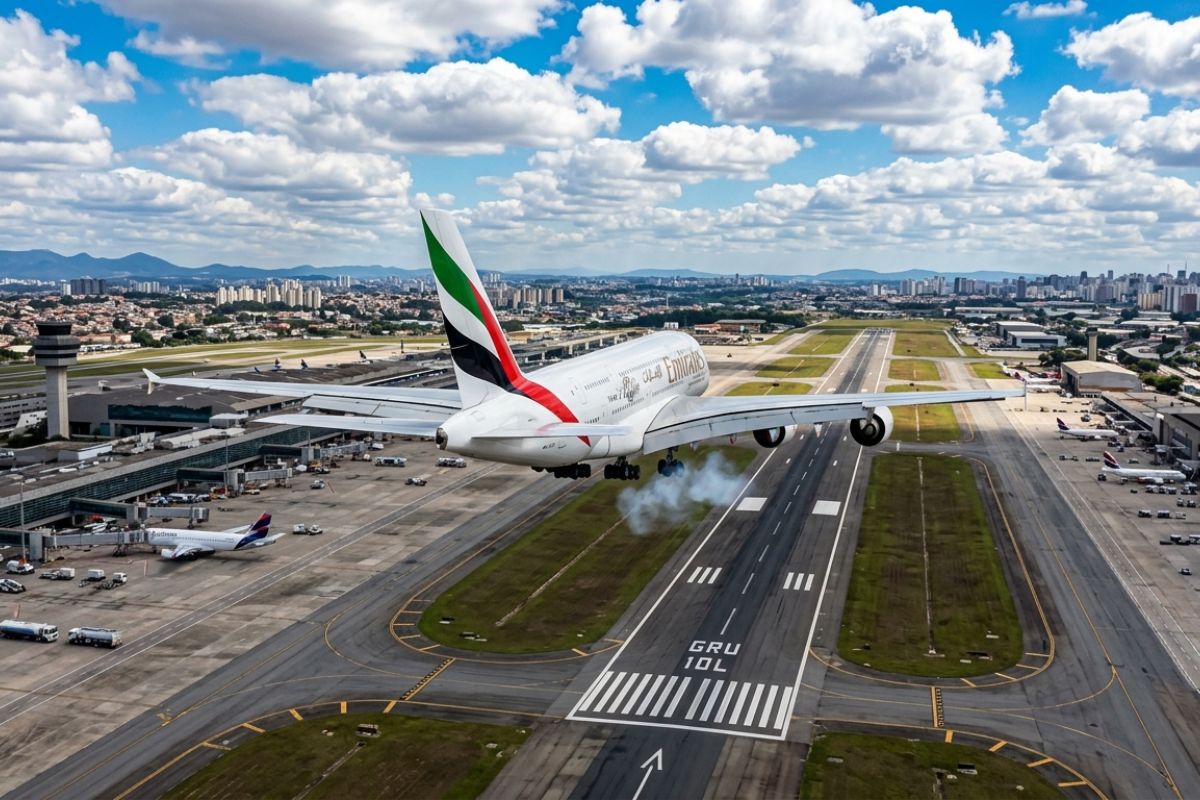
Emirates pays R$ 34,850.71 per landing of the A380 in Guarulhos, a fee calculated by maximum weight; a video shows ANAC’s rates, compares Campinas, and reveals: Recife would be even more expensive for international flights today, which is alarming.
-
Neither the USA nor China: two countries in Latin America could enter the top 10 largest economies in the world by 2030 and concern traditional powers.
-
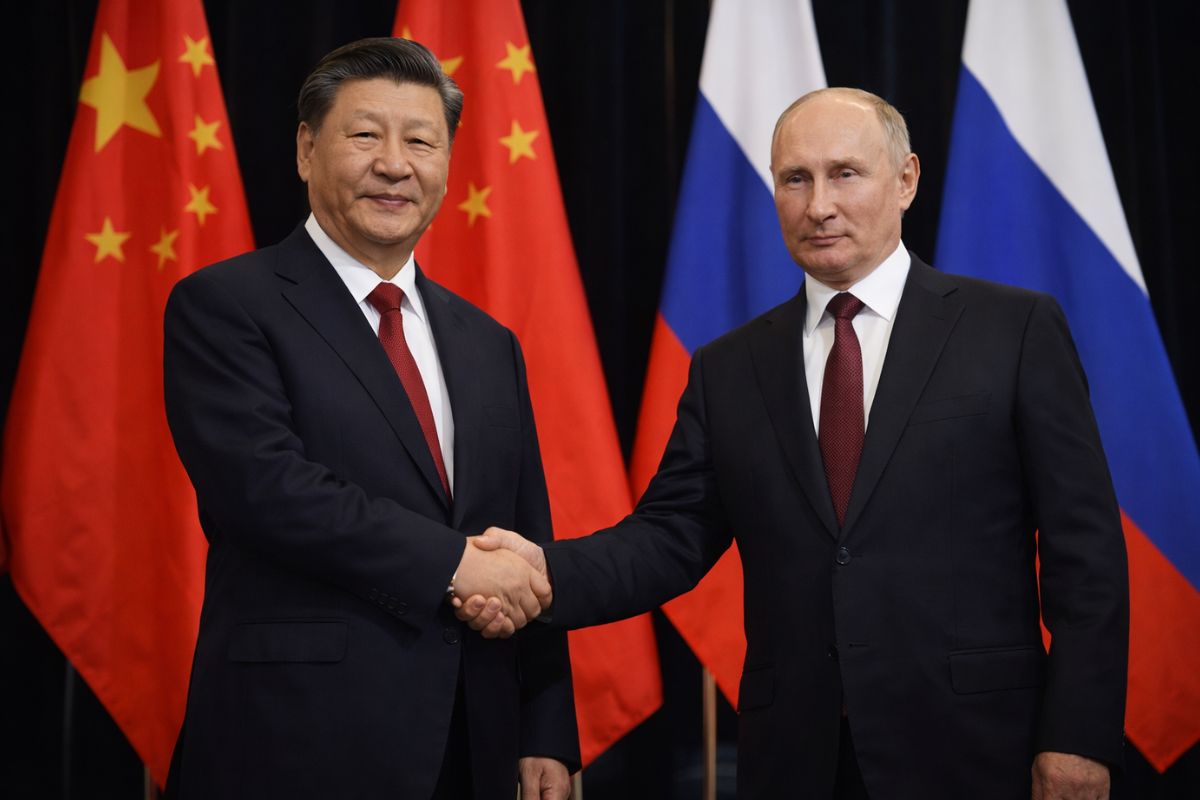
China and Russia unite on the eve of a UN vote and send a direct message to the US and Israel regarding the war in the Middle East; understand what is at stake.
When the climate disrupts the rainfall pattern, the impact can reduce generation in hydroelectric plants and increase energy costs. At the same time, changes in the precipitation regime can affect crops and production costs, creating inflationary pressure on food.
The external scenario adds a second stress. The war in the Middle East has heightened concern about inflation and caused institutions to revise projections, with special attention to sensitive items such as food and energy.
What the meteorology signals for El Niño in 2026
The U.S. Climate Agency has raised the chances of El Niño, with a sequence of probabilities that outlines the scenario:
The transition to a neutral pattern has a greater chance of lasting until May-July, with 55% probability.
From June to August 2026, it is likely that El Niño will emerge, with 62% probability, and persist at least until the end of 2026.
According to researcher meteorologist Angel Domínguez Chovert, models indicate the persistence of positive phase characteristics until at least the end of the year, influencing the climate at the end of winter, spring, and summer.
He also points out that there are signs of relatively high temperature anomalies in some models, suggesting a more severe El Niño, with greater intensity starting from the September, October, and November quarter.
How El Niño can increase energy costs and pressure inflation
El Niño is characterized by the abnormal warming of surface waters in the Equatorial Pacific. In Brazil, this can disrupt the climate and affect rainfall.
If there is a reduction in precipitation in relevant areas, reservoirs may drop, hydroelectric generation decreases, and to avoid energy shortages, more expensive sources come into play. This chain reaction tends to increase the bill and fuel inflation.
This risk arises because electricity has a significant weight in the budget and also influences production and service costs, amplifying the effect of inflation beyond the electricity bill.
Tariff flags: what the Central Bank already predicts in the scenario
The director of Economic Policy at the Central Bank stated that the Monetary Policy Report already considers the possible effects of El Niño. In the document, the forecast for energy costs indicates the following trajectory:
Green flag until April;
Yellow flag in May;
Red flag level 1 in June and July;
Red flag level 2 in August and September;
Red flag level 1 in October and November;
Yellow flag in December.
The flag system signals the real costs of electricity generation and works as follows:
Green flag: favorable generation conditions, with no increase in the tariff;
Yellow flag: increase of R$ 0.01885 per kWh consumed;
Red flag level 1: increase of R$ 0.04463 per kWh consumed;
Red flag level 2: increase of R$ 0.07877 per kWh consumed.
The next announcement of the tariff flag, referring to the month of May, is scheduled for 24.
Food: where inflation could tighten again
In the case of food, the assessment mentioned is that there is currently a retreat, but there is still room for accommodation. The point of attention is the combination of climatic problems and risks associated with the external scenario, including fertilizers.
The reading is that a conjunction of problems, such as unfavorable weather and lack of fertilizers for the next harvest, could generate, starting in the second half, significant inflationary pressure on food, raising the cost of the basket and amplifying the impact on families.
Projections for 2026: upward revisions enter the radar
With the war influencing expectations, institutions have already adjusted their numbers. One bank raised its inflation projection for 2026 from 3.8% to 4.2%, citing surprises in items such as food prices and airfare, in addition to the adverse external scenario and the greater chance of El Niño in the second half.
The Central Bank raised its inflation projection for 2026 from 3.5% to 3.9%. The market, which previously expected something around 3.9%, has now considered 4.36% for inflation in 2026.
To contextualize, the food and beverage group saw an increase of 7.69% in 2024 and slowed to 2.95% the following year. Total inflation was 4.83% and 4.26%, respectively.
Do you think that inflation in 2026 will weigh more on the electricity bill with red flags or on food if a strong El Niño disrupts the next harvest?






Seja o primeiro a reagir!