





 Portuguese
  English
  Spanish
  3 min of reading
  0 comments


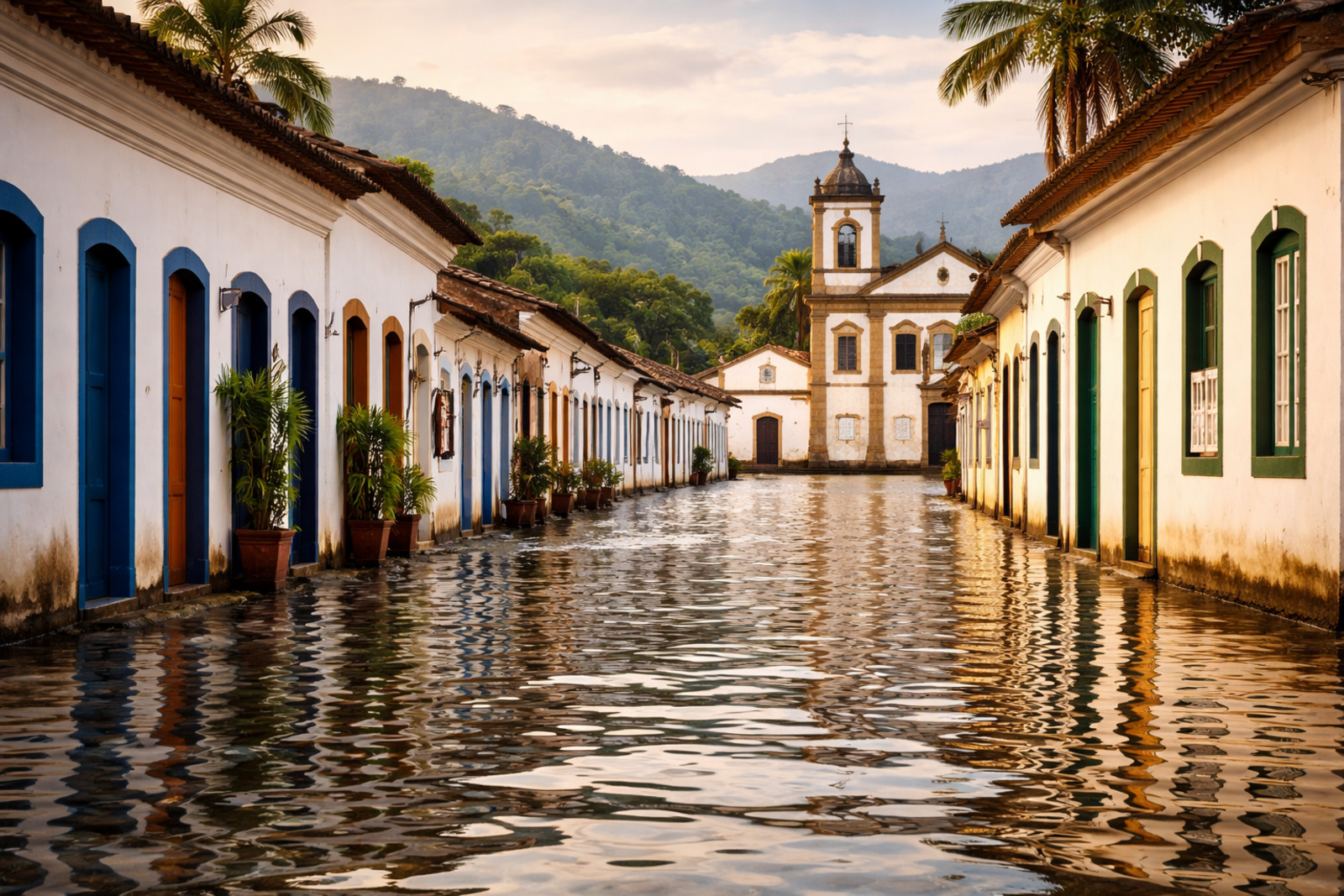
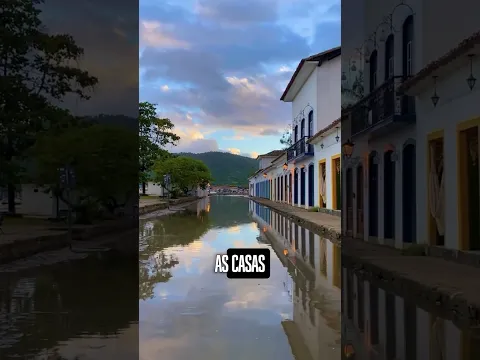
In Paraty, the tide invades the 18th-century stone streets, while the historic center, islands, beaches, and traditions reinforce cultural value
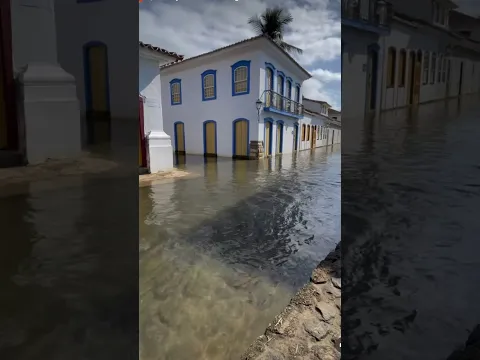
Paraty maintains an urban trait from the 18th century: the tide invades the stone streets and washes the historic center. The scene helps explain the historical, cultural, and natural strength still present.
City preserved by isolation
Founded in the 17th century, Paraty became the main port for shipping gold from Minas Gerais via the Gold Trail. This strategic function placed the city at the center of the circulation of colonial wealth.
With the opening of new routes and the decline of mining, Paraty lost importance and was practically forgotten. However, the isolation preserved intact streets, churches, and mansions.
-
Beijing reduced air pollution by 70% in just 12 years and recorded 311 days of good air in 2025, but scientists have discovered a new invisible threat looming over the city: a cloud of 180,000 microplastics per cubic meter.

-
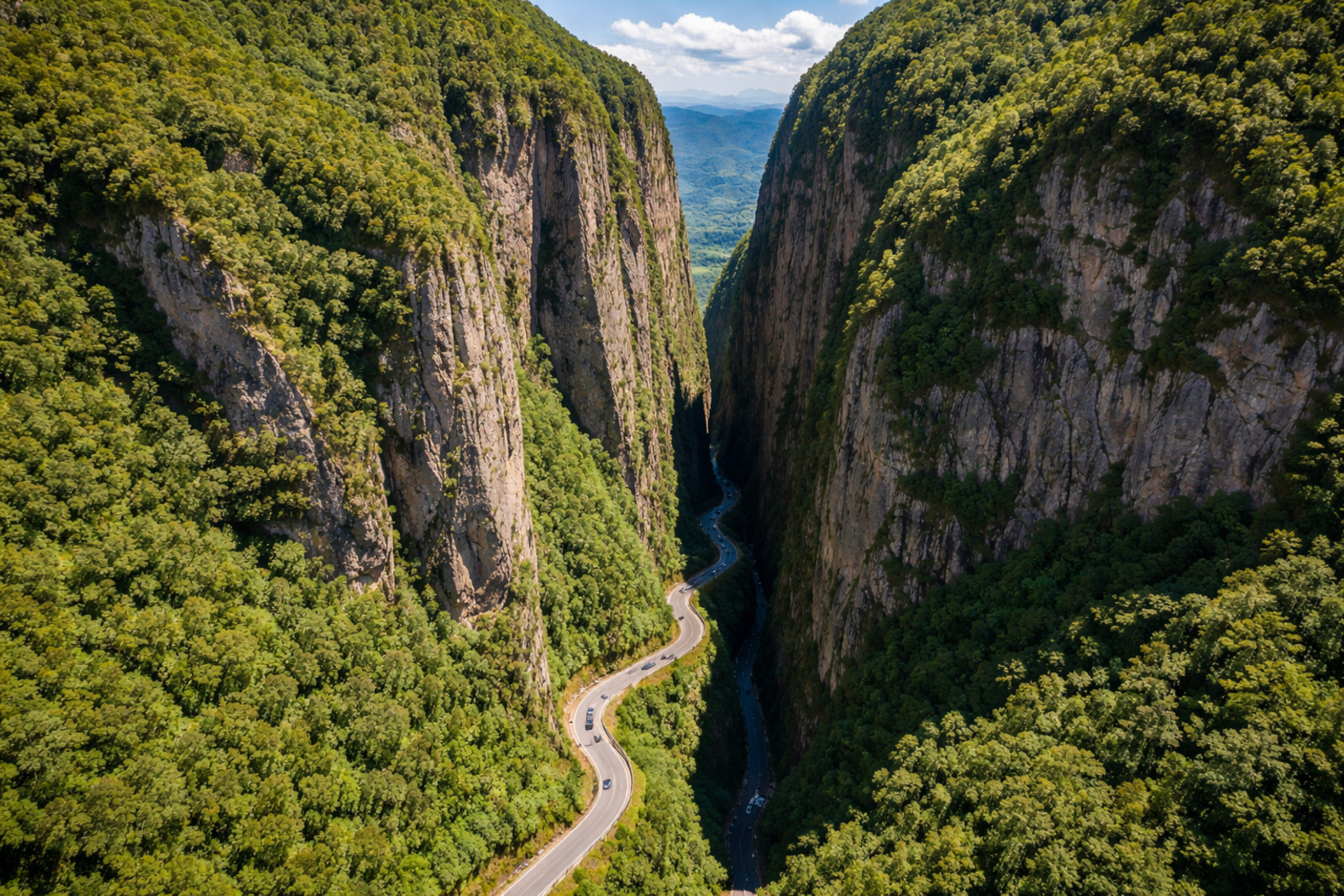
The largest rock cut in Brazil is a surreal road: named after a bird, this route in SC crosses a rock that is 160 million years old, opens a 90-meter gap, and connects the mountains to the coast of Santa Catarina.
-
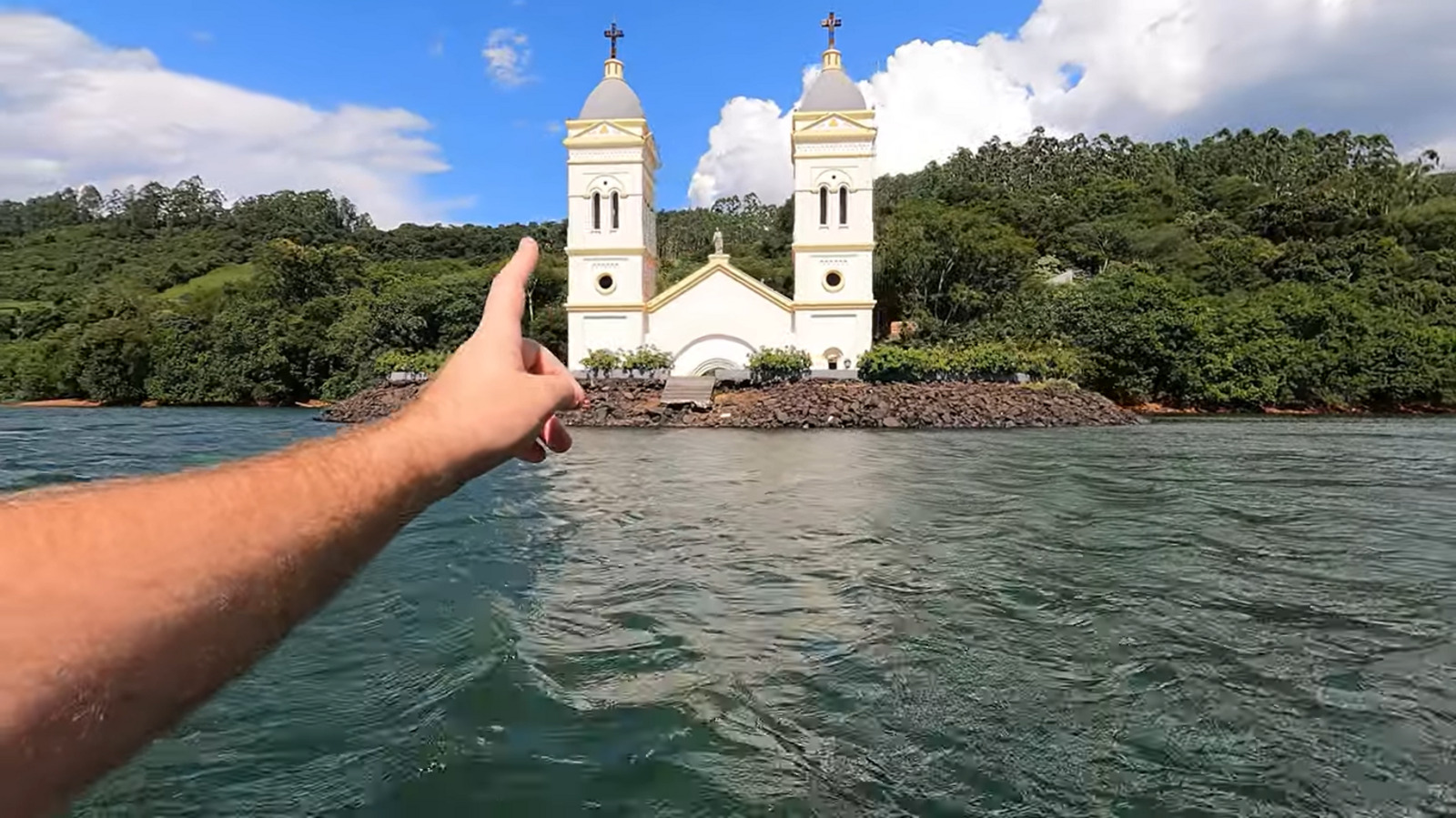
An entire city sank in the Uruguai River, and about 15,000 residents had to leave, but the towers of the old church in Itá still rise from the waters in western Santa Catarina as a symbol of memory and rebirth.
-
China launches the Y-30, an aircraft with four turboprop engines, a spacious cabin, and a capacity of 30 tons, while local analyses suggest that it surpasses the famous C-130J and could change military transport in remote islands and mountains.

The Rio-Santos highway, in the 1970s, put Paraty back on the tourist map. What seemed like abandonment revealed an urban set preserved since the 18th century, surrounded by landscapes.

IPHAN declared the set a heritage site in 1958. In 2019, UNESCO recognized Paraty and Ilha Grande as a World Heritage Site in the mixed site category, the first in Brazil and Latin America to unite cultural and natural heritage.
In 2025, Forbes included Paraty among the 50 most beautiful villages in the world. Mansions with pineapples carved into their facades symbolized nobility and hospitality.
What to see in Paraty
Paraty gathers more than 65 islands, about 90 cataloged beaches, and a historic center where cars do not enter.
In the historic center, visitors find irregular stone pavement, colonial mansions, churches, art galleries, and restaurants. Everything is done on foot, in an area closed to vehicles.
The Saco do Mamanguá is considered the only tropical fjord in Brazil. The location features calm waters and mountains covered with Atlantic Forest, accessible by boat or kayak.
At Cachadaço Beach, in Trindade, natural pools among rocks attract visitors. Access can be made via a short trail or by boat, in an area surrounded by Atlantic Forest reserve.
The Gold Trail preserves a section of the colonial road that connected Paraty to the mines. With original stone paving, the route can be taken on a guided trail of 2 hours.
The Defensor Perpétuo Fort, built in 1822, houses a museum with artillery pieces and a view of the bay. The Vamos Fugir Blog channel presents a guide to the historic center, beaches, waterfalls, and gastronomy.
Festivals, cachaça, and gastronomy
Paraty stands out for its cultural agenda. Since 2017, it has been a Creative City of Gastronomy by UNESCO. Festivals and events help maintain the flow of visitors.
FLIP, held every July since 2003, is one of the largest literary events in South America. In August, the Cachaça, Culture, and Flavors Festival celebrates the tradition of distilleries.
The artisanal production of cachaça integrates local identity. Distilleries such as Engenho D’Ouro and Pedra Branca welcome visitors with guided tours, tastings, and explanations about distillation.
The Festa do Divino Espírito Santo reinforces the weight of religious celebrations in Paraty. Processions and music have occupied the streets of the historic center for generations.
Best time and access
From May to September, the driest period favors trails and tours through the historic center. In summer, the beaches become busy, and the event schedule gains strength.
Paraty is 250 km from Rio de Janeiro and 300 km from São Paulo. Access is via the Rio-Santos highway, BR-101.
There is no commercial airport in Paraty. The nearest airports are Galeão and Guarulhos, both about 4 hours by car. Bus services operate daily connections with Rio and São Paulo.
Paraty is a destination where abandonment turned into protection. Between the sea, the forest, and the colonial heritage, the city has preserved a unique identity, where gastronomy, history, and landscape go hand in hand.
With information from Correio Braziliense.





Seja o primeiro a reagir!