






 Portuguese


In southeastern Pará, the Carajás/Serra Norte complex transformed a small village into a city of 305,000 residents, surrounded by protected forests, iron caves, and a massive mineral operation
The largest open-pit iron ore mine in the world produces about 150 million tons per year in southeastern Pará and is directly linked to the emergence of a city that today has over 305,000 inhabitants. Parauapebas grew at the foot of the Carajás Mountains after the Carajás Iron Project began attracting workers from various regions of the country.
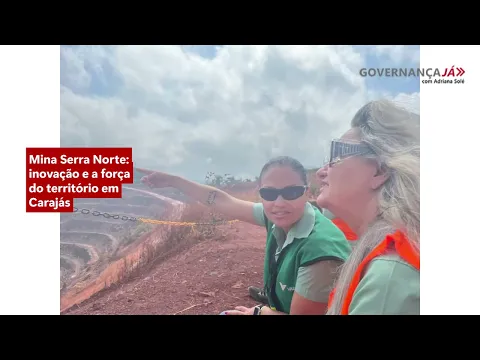

The Carajás/Serra Norte complex, located in the municipality, is classified by Vale as the largest open-pit iron ore mine on the planet.
-
Without U.S. Tungsten Mines Operating, U.S. Signs Contract Worth Up to $2 Billion to Secure Strategic Metal, Announces $450 Million Package to Reduce Dependence on China

-
Brazilian Steel Giant Slows Down Operations in Minas Gerais After Iron Ore Price Drops Below $100 and Shipping Costs to China Surge, Halting Plant Contributing Up to 35% of Production and Putting 300 Jobs at Risk

-
Uberlândia Joins Rare Earth Route: $2 Billion Project Within 500,000 m² Complex Aims for 50,000 Tons Annually, 500 Jobs, and Operations by 2030
-
Colombia Lifts Restrictions on Mining Areas, Promises to Speed Up Permits and Strives to Unlock Up to $4 Billion in Investments by 2030


The scale of the operation is also noted in NASA records, which described Carajás in this way when releasing satellite images of the region.
The annual production helps illustrate the magnitude of the enterprise. Currently, about 150 million tons of iron are extracted from the Serra Norte operation each year.
As mining advanced, a small urban core began to develop outside the exploration areas.
Decades later, this village transformed into one of the most populous cities in that part of the Amazon.
According to the Brazilian Institute of Geography and Statistics (IBGE), Parauapebas had 267,836 residents in the 2022 Census.
The official estimate for 2025 reached 305,771 inhabitants, nearly 38,000 more people in just three years.
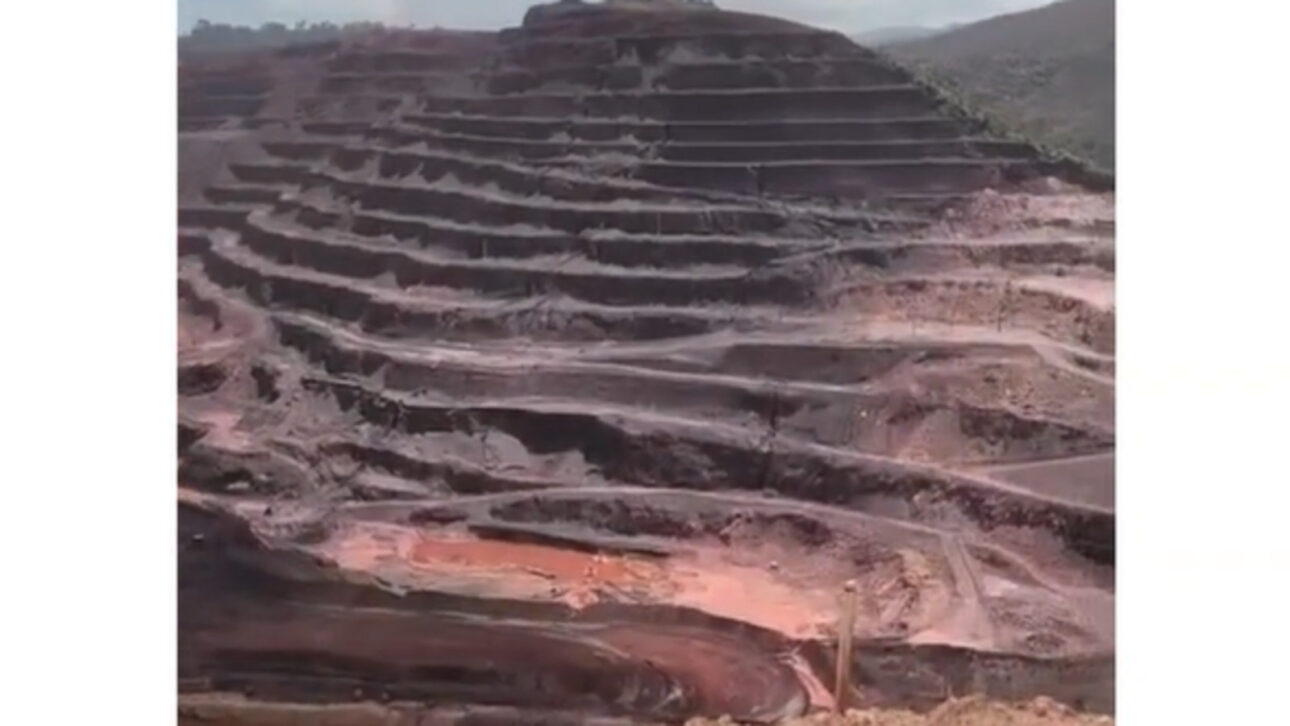
Giant mine: Carajás Project attracted workers and accelerated the village’s growth
The connection between the mine and the formation of Parauapebas began even before the official creation of the municipality.
With the establishment of the Carajás Iron Project, workers from various regions began to arrive in southeastern Pará.
At the foot of the Carajás Mountains, the village of Rio Verde grew with the opening of houses, commercial establishments, and services aimed at the population drawn by the mineral activity.
The population increase strengthened the emancipation movement from Marabá. In April 1988, over 16,000 voters participated in a plebiscite to decide on the establishment of the new municipality.
According to the Parauapebas City Hall, 99% of the votes were in favor of emancipation. A few weeks later, on May 10, 1988, State Law No. 5,443 officially created Parauapebas.
In less than four decades, the area surrounding the Carajás Project has become home to an estimated population of over 305,000 residents.
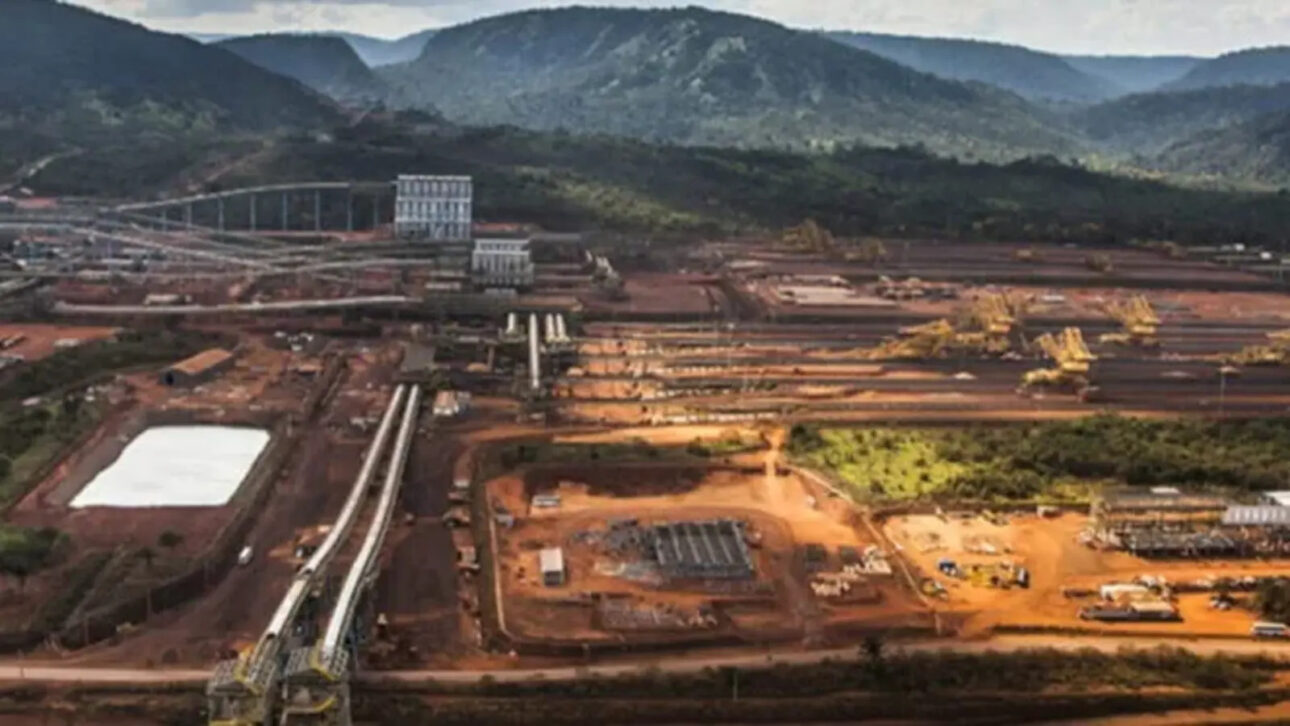
Iron ore travels via railway to reach the coast of Maranhão
In addition to the extracted volume, Carajás is notable for the quality of its ore. The material from this region has a high iron content and low concentration of impurities, characteristics that are valued by the steel industry.
After extraction and processing, the ore leaves the production area via the Carajás Railway. This railway connects southeastern Pará to Maranhão and is part of the logistic corridor that ends at the Ponta da Madeira Maritime Terminal in São Luís.
From the terminal, the production is distributed to various international markets.
The scale of the mine has also been documented by NASA’s Jet Propulsion Laboratory (JPL). In a satellite image, the U.S. agency described Carajás as the largest open-pit iron ore mine in the world and highlighted the size of the existing reserves in the region.
Gigantic mine operates next to a protected area of the Amazon
Urban growth and mineral activity coexist alongside a vast conservation area.
Established by the federal government in February 1998, the Carajás National Forest encompasses parts of Parauapebas, Canaã dos Carajás, and Água Azul do Norte.
The creation decree designated an area of 411,948.87 hectares. However, the current registry of the Chico Mendes Institute for Biodiversity Conservation (ICMBio) records 391,263.04 hectares.
Mineral activities within the national forest have been considered since the unit’s establishment. National forests are part of sustainable use conservation units, a category that allows certain economic activities under environmental regulations.
In the region, ICMBio conducts scientific research, conservation, protection, and visitation activities, including work related to the harpy eagle and the hyacinth macaw, as well as birdwatching initiatives.
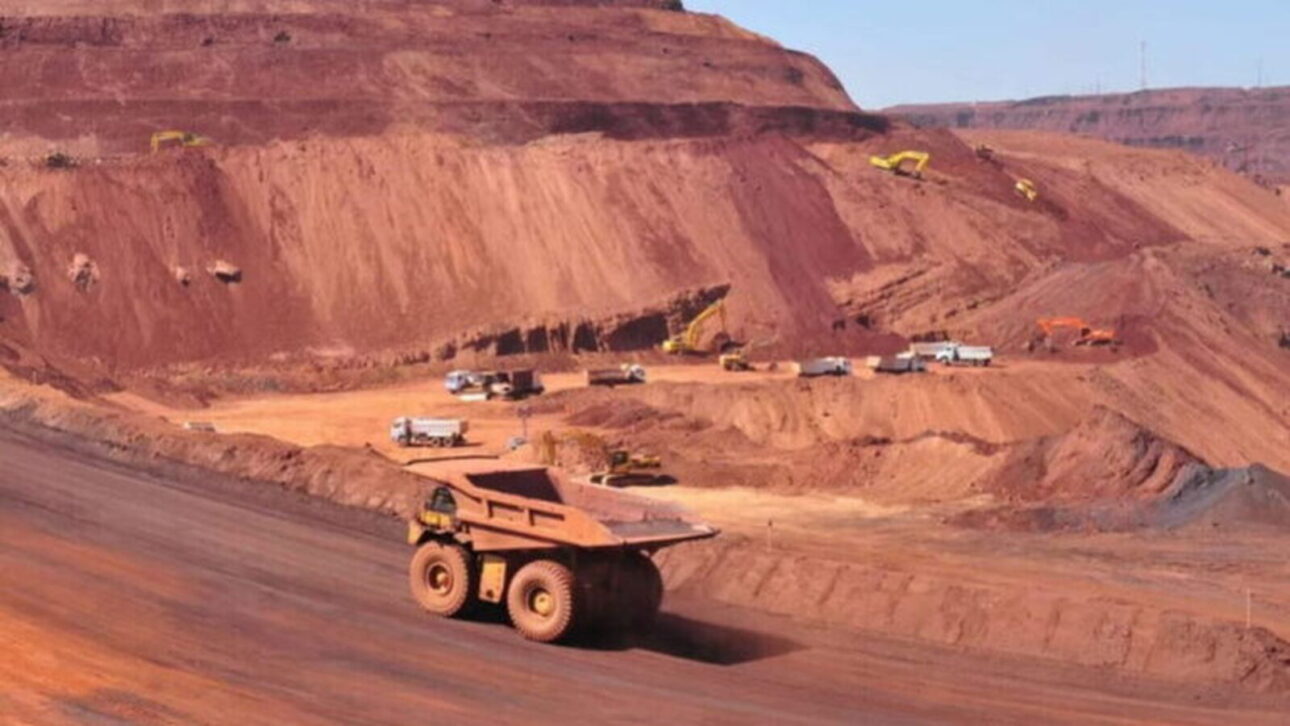
More than 1,500 iron caves have been cataloged
Beneath the forest and mineral formations lies another heritage of great proportions.
According to ICMBio, the Carajás National Forest (Flona) houses over 1,500 iron caves that have already been cataloged, representing the largest concentration of this type recorded in Brazil.
Some of these cavities preserve evidence of human presence dating back thousands of years. Research conducted in the region has found remnants left by different groups, which researchers use to study human occupation in the Amazon.
The caves also house organisms adapted to subterranean life and are associated with the geological formations of the Serra dos Carajás.
On the surface, the protected area features rivers, waterfalls, ponds, trails, forests, and pad-iron vegetation. Among the attractions highlighted by ICMBio are the Águas Claras Waterfall, iron-rich caves, forest trails, birdwatching opportunities, and the industrial mining complex, which is open for controlled visits.
Thus, the same region that hosts an operation capable of producing about 150 million tons of iron per year also encompasses a city fueled by mining that has grown to surpass 305,000 inhabitants.
This report was produced based on information provided by IBGE, Vale, the Parauapebas City Hall, ICMBio, and NASA’s Jet Propulsion Laboratory.


