Portuguese
  Spanish


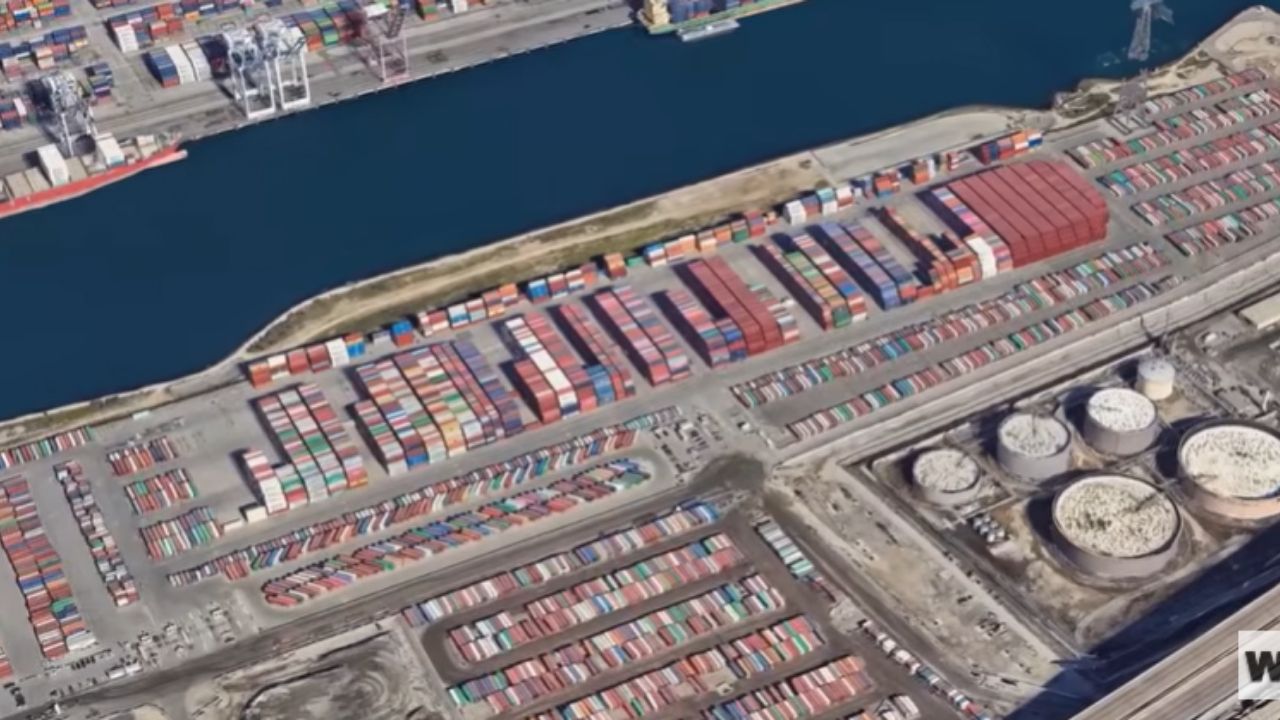
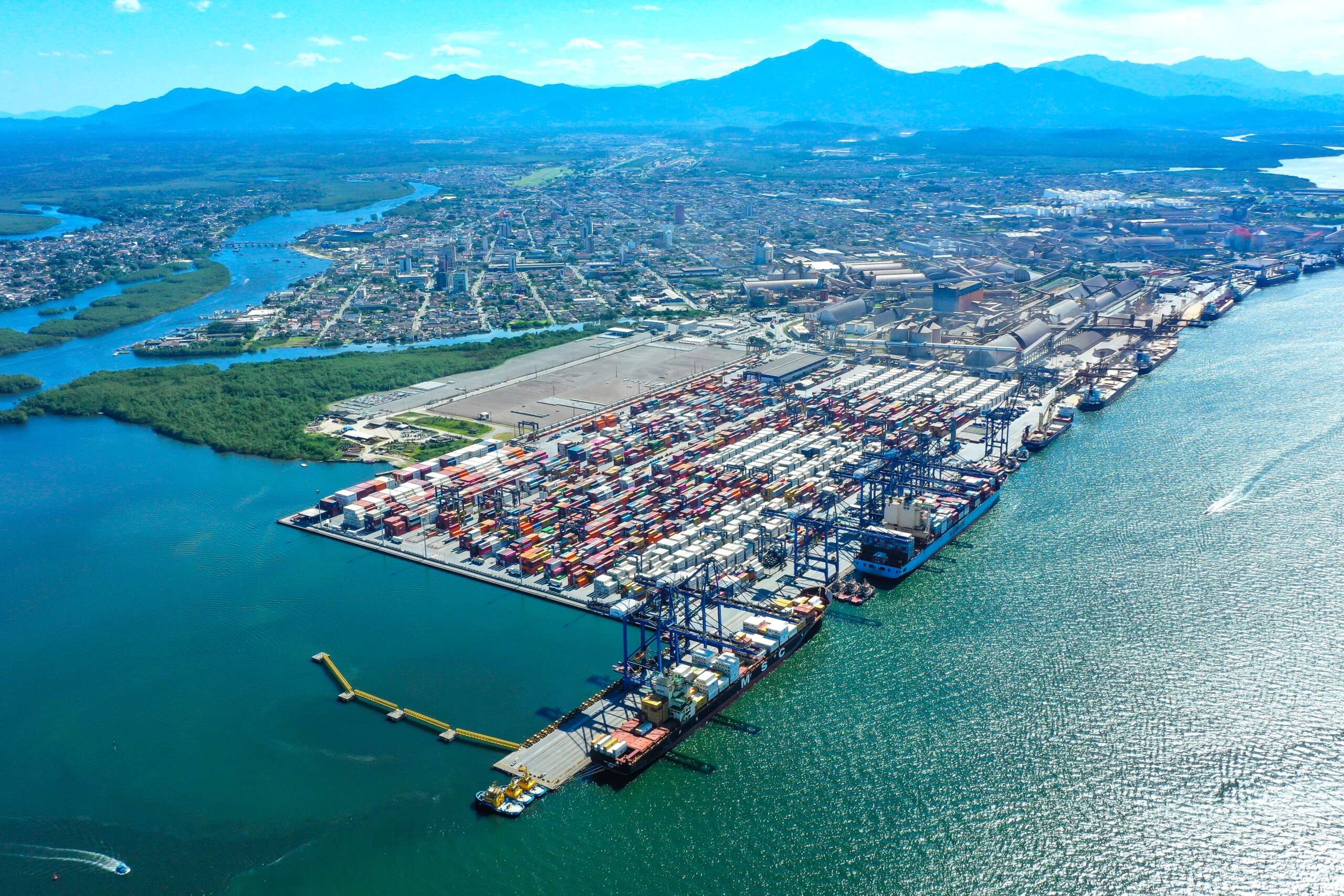
The Port of Santos, on the coast of São Paulo, will gain a new container terminal called Tecon Santos 10, with an estimated investment of around R$ 5.6 billion and expected to be operational by 2029. The project, considered one of the largest port ventures underway in the country, is in the licensing and structuring phase and is expected to significantly expand the capacity of the largest port in Latin America to handle containerized cargo.
The initiative addresses a concrete problem: the Port of Santos operates near the limit of its container capacity, at a time of record Brazilian foreign trade. Without new terminals, the port risks being unable to handle the growth of exports and imports in the coming years, which would pressure the entire country’s logistics.
The largest port in Latin America
The Port of Santos is Brazil’s main port and the largest in Latin America, responsible for a huge share of the national foreign trade. Its docks handle everything from grains and sugar to containers loaded with manufactured products, connecting the Brazilian economy to markets in Asia, Europe, and the Americas. The movement grows year after year, following the advance of agribusiness and industrial exports.
-
Ports without drivers and cabins already move containers like automated factories: robotic cranes, autonomous electric vehicles, and software transform giant terminals into 24-hour logistics machines.

-
About 300 American ports still breathe diesel from trucks, cranes, and locomotives, but they are now trying to electrify heavy machinery to clean the air for 31 million nearby residents.

-
A 220-meter giant powered in part by solar energy and lithium batteries has just unloaded nearly 5,000 Chinese cars at the Port of Itajaí. It is the first of ten Grimaldi super ships and the first in the world prepared to run on ammonia as fuel.

-
The Port of SC has just entered the direct route to the largest hubs in Northern Europe with a new line from Maersk, gains a connection with Manaus in 13 days, and is preparing dredging to receive giant ships of up to 16,000 containers.
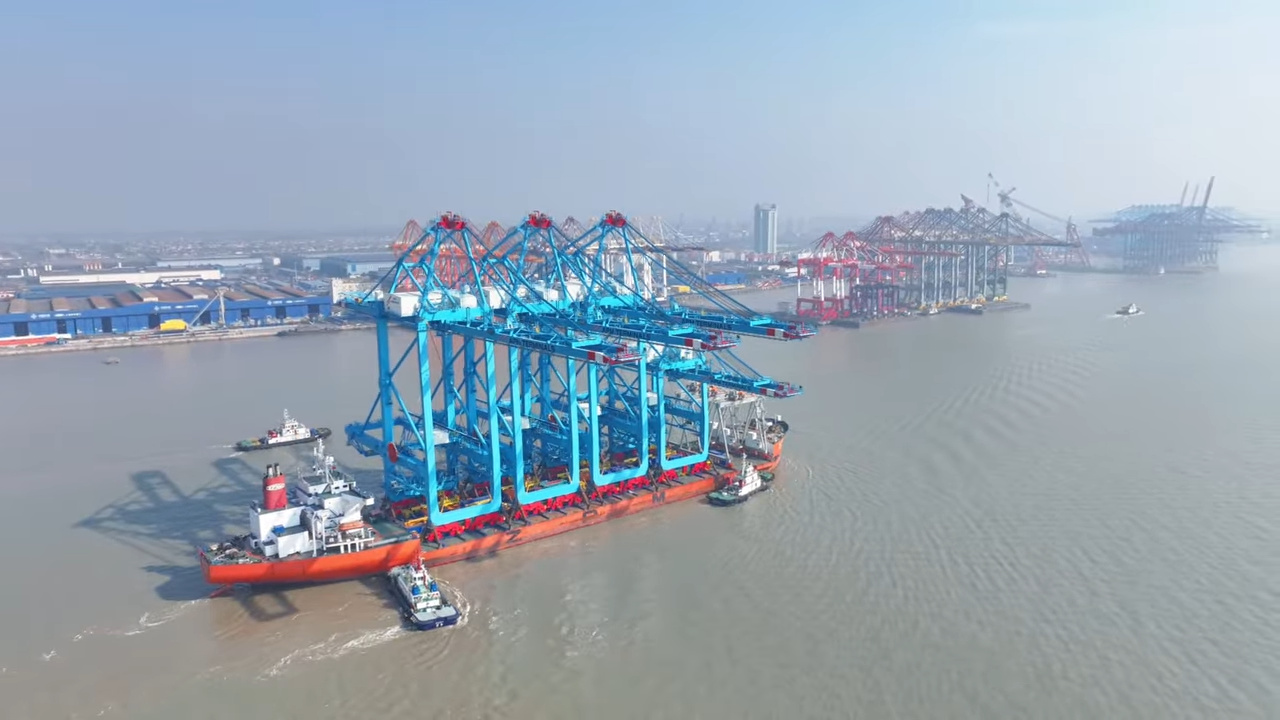


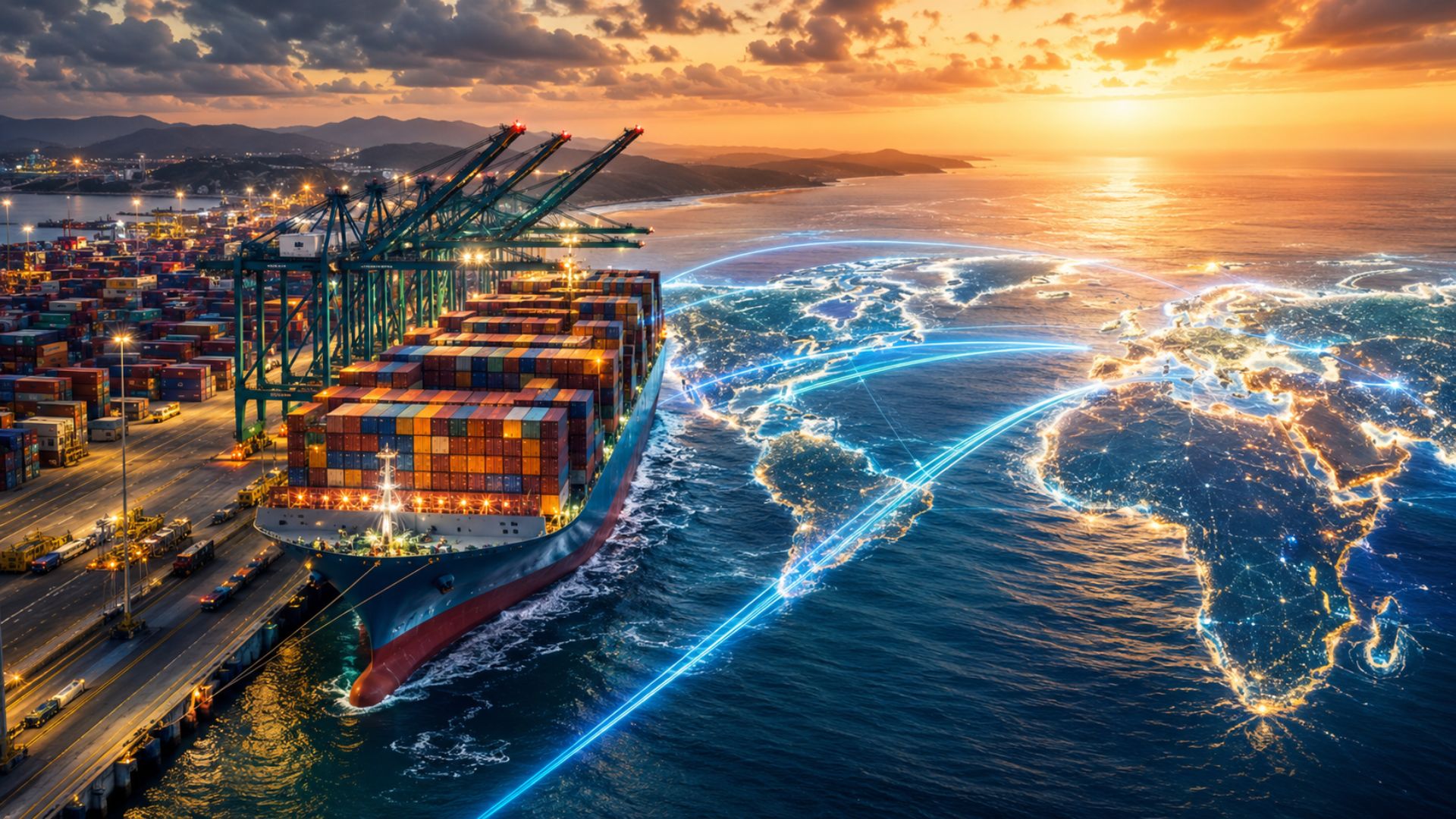
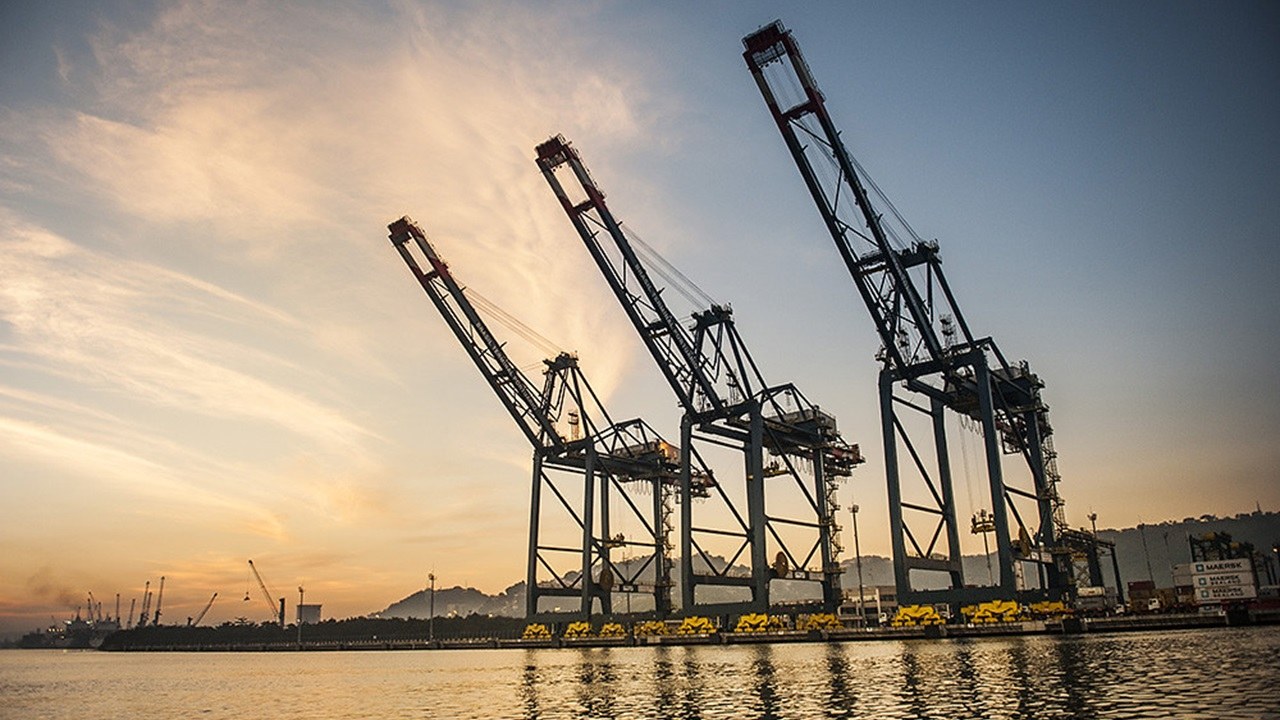
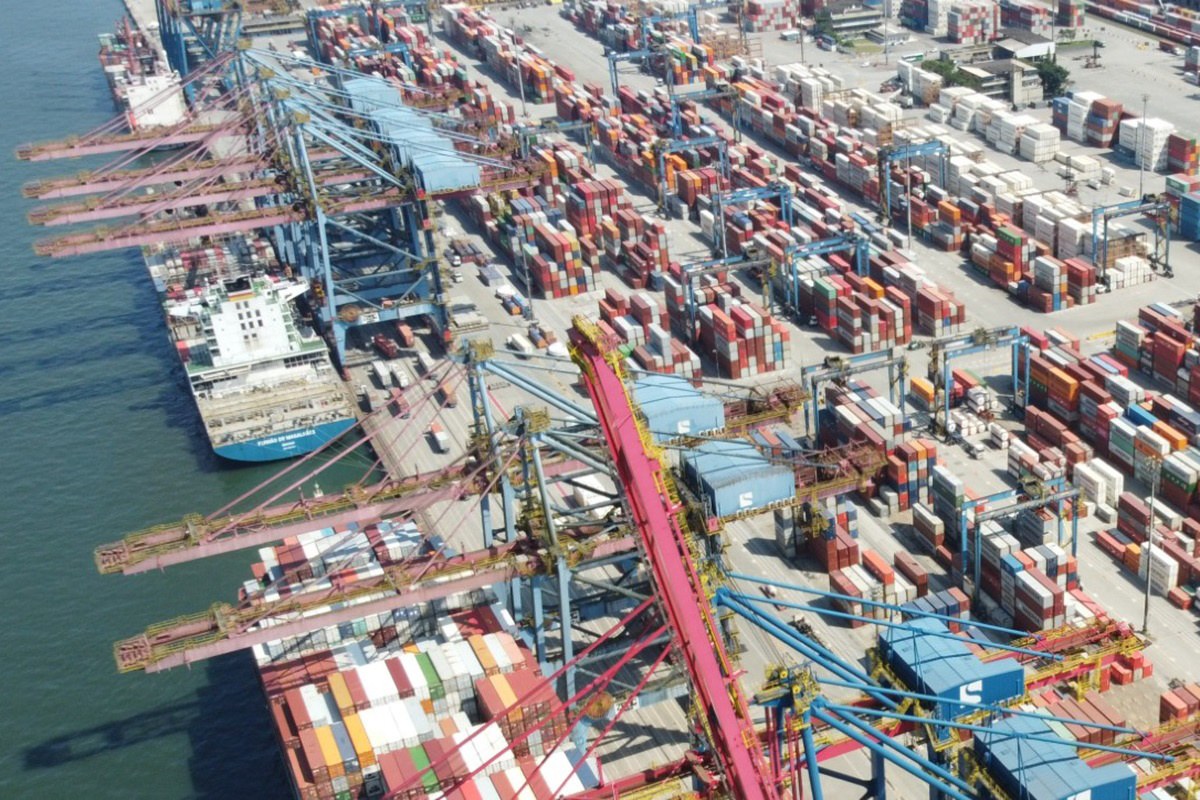
Containers are the heart of manufactured goods trade, those standardized metal boxes that travel by ship, truck, and train carrying everything from electronics to machine parts. A modern container terminal needs a deep quay to receive increasingly larger ships, large cranes, and a wide yard to organize the cargo, all operating in a timed rhythm.
What changes with Tecon Santos 10
The new terminal is designed to add a large additional container handling capacity to the port, helping to unlock the approaching bottleneck. With more space and modern equipment, Tecon Santos 10 would allow Santos to receive larger ships and process cargo faster, reducing queues and waiting times for vessels.
The project will be awarded to the private sector through an auction, a model in which a winning company assumes the construction and operation of the terminal for a specified period, in exchange for the right to exploit the area. This format is used to attract private investment to port infrastructure without the government having to bear the billion-dollar cost of the work alone.
The expectation is that the terminal will generate thousands of jobs during construction and operation, in addition to boosting the supply chain linked to port activity. The expansion also tends to increase the competitiveness of Brazilian exports by reducing the cost and time of cargo flow through the port.
Part of a larger expansion plan
Tecon Santos 10 is the most visible piece of a set of investments planned for the Santos port complex, which includes draft expansion, access improvements, and even the project of a submerged tunnel linking Santos to Guarujá to facilitate transportation in the region. The goal is to prepare the port for the coming decades of foreign trade growth.
The modernization of Santos is considered strategic for the country since bottlenecks in the largest port in Latin America affect the entire economy, from soybean producers in the Midwest to the industry in the Southeast. Ensuring that the port keeps pace with export growth is seen as a condition for maintaining Brazil’s competitiveness in international trade.
The next steps
Before construction begins, the project needs to complete the stages of environmental licensing, structuring, and holding the auction that will define the responsible company. Each of these phases requires technical studies and approvals from regulatory bodies, a process that usually takes months until the contract is signed and construction begins.
With expected operation by 2029, Tecon Santos 10 represents a long-term bet on Brazil’s capacity to export and import. According to port sector information, the venture is among the largest container infrastructure investments ever planned for the country.