





 Portuguese
  English
  Spanish
  4 min of reading
  0 comments


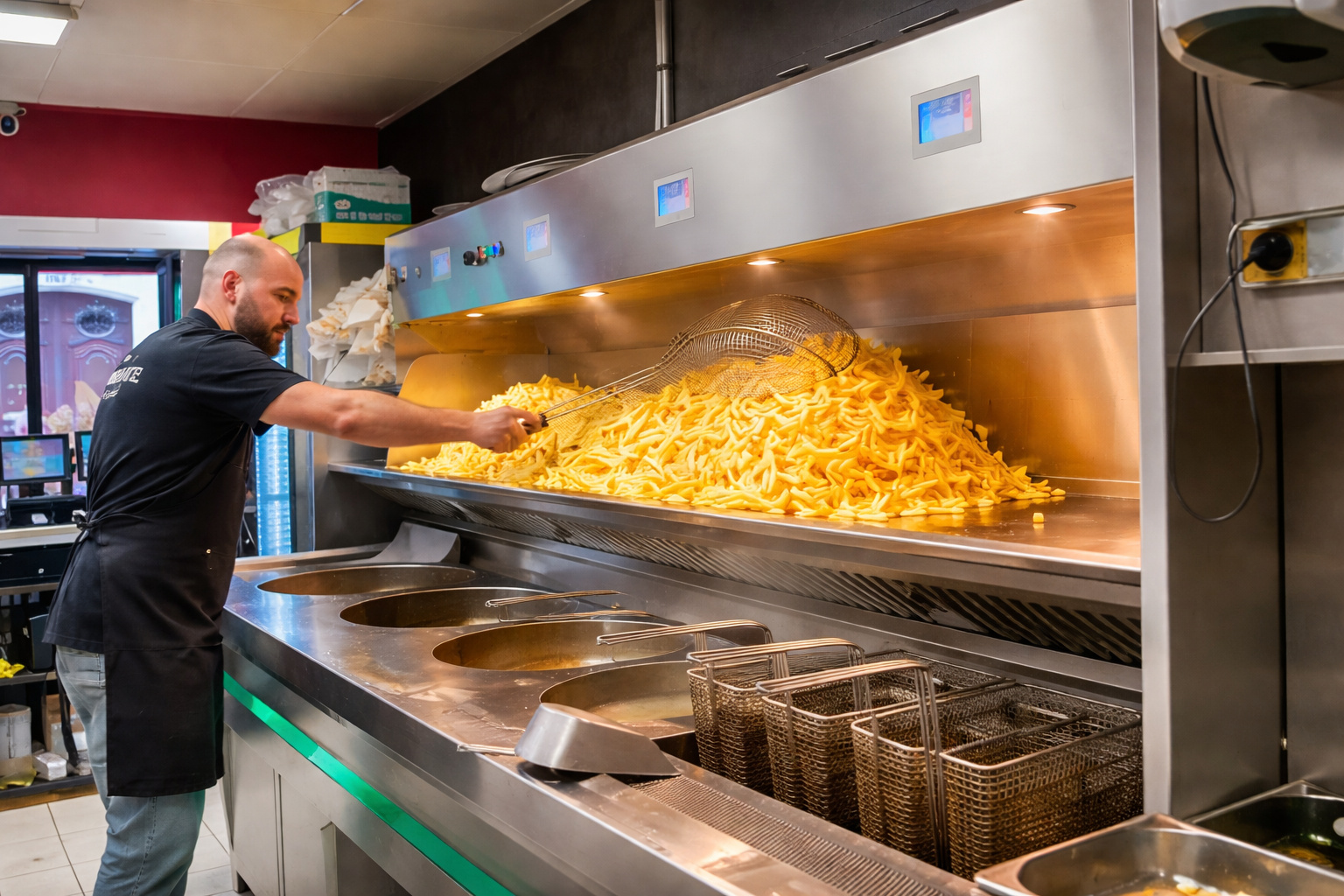
The artisanal production method of Belgian fried potatoes in France conquers the public, uses local agriculture, avoids imports, and is a reference in sustainable gastronomy
The Belgian double-fried potato has gained prominence for uniting European tradition, striking flavor, and sustainable practices. The classic method, which originated on the streets of Belgium, has been rigorously applied in modern operations in France, attracting consumers who seek quality and authenticity.
The preparation values local ingredients, precise techniques, and quick service. The result is a combination of crispiness on the outside and tenderness on the inside, reinforcing the difference compared to traditional fast food versions.
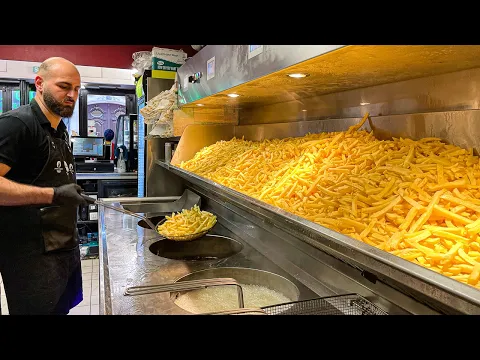

Selection of potatoes and local production reinforce quality and sustainability
The choice of potatoes is one of the central points of this model. Firm, uniformly sized potatoes are used, cultivated by local French producers. The Bintje variety stands out for providing the ideal texture after the frying process.
-
With a lot of talent and creativity, a couple builds a house completely from scratch, using ceramic tiles, a cement base to level the ground, wood for the flooring, ceiling, and entire structure, transforming the construction with slats that fit together and impressing with an impeccable result.

-
Many said it was impossible, but a man built a house by himself, leveled the ground with soil, used cement blocks with foam to raise the structure, and framed it with wood.

-
He saw a loophole in the 1967 space treaty and claims to have made millions selling lots on the Moon and other planets.

-
Researchers from Rio Grande do Sul have discovered a plant species that does not exist anywhere else on the planet within a park in the far west of Rio Grande do Sul, and it is already critically endangered.

The production chain prioritizes local and traceable agriculture, which reduces the carbon footprint by avoiding imports. This care also ensures greater freshness and quality control, factors increasingly valued by consumers.
The information was released by Label’GE FRite, a gastronomic brand specialized in artisanal Belgian fries, which details the importance of ingredient origin and reduced environmental impact.
Pre-preparation accelerates service without losing the artisanal standard
Another differentiator is the preparation before frying. The potatoes are cut and vacuum-packed, which preserves freshness and facilitates the process inside the store. This technique allows the product to be ready in just a few minutes.
Even with the speed, the method maintains the proposal of artisanal food. The practice reinvents the concept of homemade within fast food, delivering quickness without sacrificing quality.
This model also helps standardize the final product, reducing variations in preparation and ensuring a consistent experience for the customer.
Double frying with beef fat guarantees unique crispiness and flavor
The big secret lies in the frying technique. The process occurs in two well-defined stages. First, the potatoes undergo a medium temperature, which cooks the interior without browning too much.
Then, the second frying occurs at high temperature with beef fat, known as one of the traditional elements of Belgian cuisine. This step creates the crunchy outer crust that differentiates the product.

The report was published by Label’GE FRite, a gastronomic brand specialized in artisanal Belgian fries, which highlights beef fat as essential for the final result.
Custom finishing and cone service recall traditional Belgium
The finishing follows a standard that draws attention. Salt is not applied automatically, leaving it to the customer’s discretion. Additionally, there is a variety of homemade sauces, which expand the flavor options.
Portions are served in paper cones, a direct reference to the traditional friteries of Belgium. This format reinforces the cultural and visual experience of the product.
The model also invests in recyclable packaging and sustainable processes, aligning tradition with modern practices of conscious consumption.
Curious history and cultural identity reinforce the appeal of the product
The concept carries an interesting historical curiosity. There is an old debate about the origin of fries, with records pointing to street vendors in Paris in the 19th century, while Belgium consolidated the tradition and popularized the method.
The nickname “Le Roi d’la Frite” symbolizes this cultural dispute and simultaneously celebrates Belgian influence on French soil. The environment of the establishments often reflects this identity, with colors of the Belgian flag and thematic atmosphere.
Customers also report high traffic during peak hours, with cooks working intensely. Even so, mistakes are rare, although occasional cases may occur, such as fries being undercooked or unsalted in delivery orders.
Traditional method of Belgian fried potatoes unites flavor, speed, and environmental awareness
The Belgian double-fried potato shows how tradition and innovation can go hand in hand. The use of local ingredients, classic techniques, and quick preparation creates a differentiated product in the gastronomic market.
In addition to flavor, the model reinforces sustainable practices and a complete cultural experience. This helps explain the growing interest in this type of product.
Did you enjoy this culinary curiosity? Leave your comment and share with those who also love a good fry.








Seja o primeiro a reagir!