





 Portuguese
  English
  Spanish
  5 min of reading
  0 comments


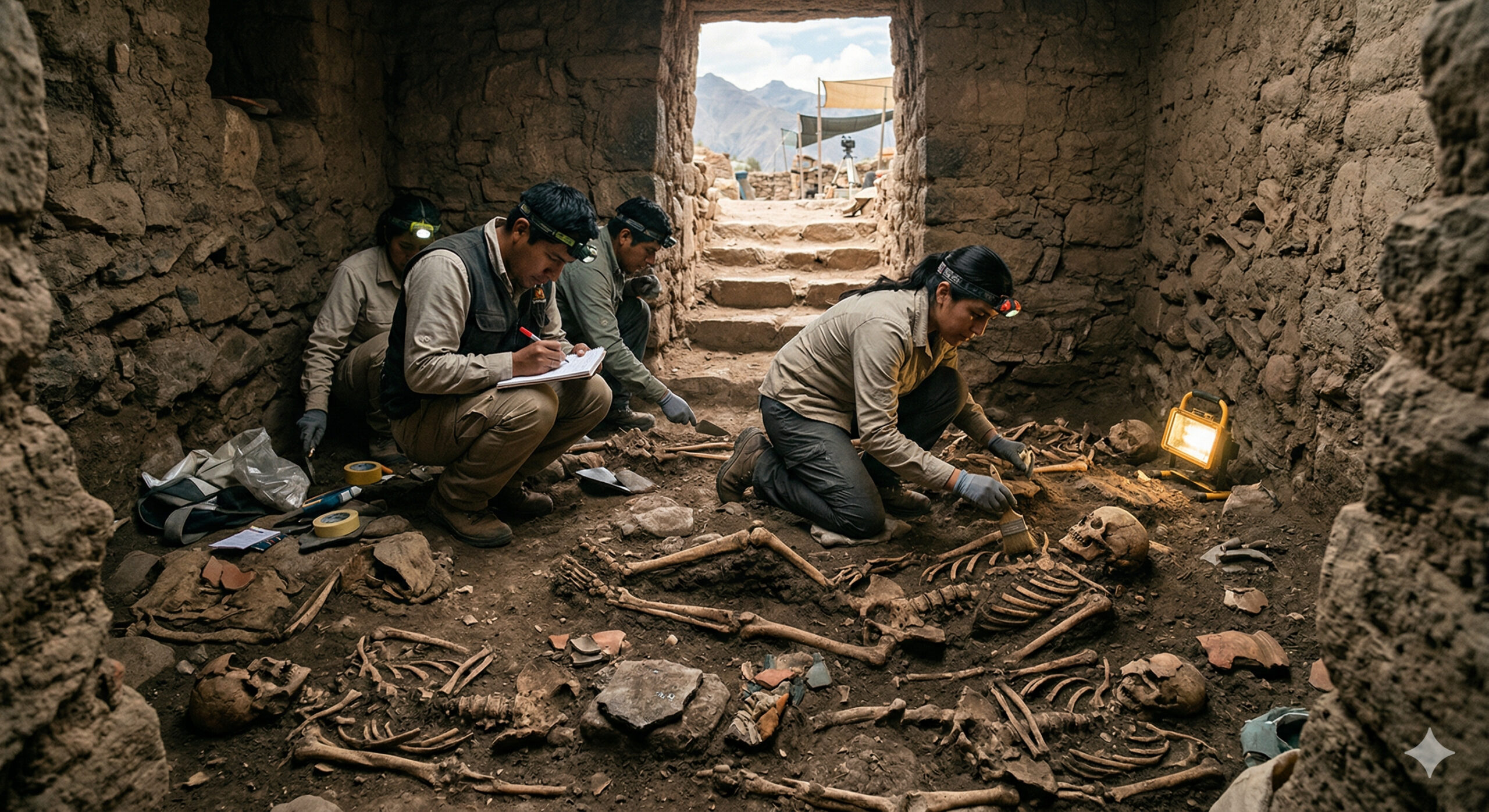
3,000-Year-Old Temple in Peru Reveals 14 Victims of Human Sacrifice and May Anticipate Centuries the Origin of Complex Rituals in the Andes.
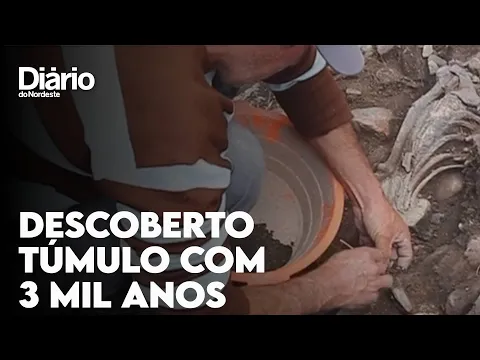
In 2025, archaeologists working on the northern coast of Peru announced the discovery of a temple approximately 3,000 years old, in which the remains of 14 individuals possibly linked to human sacrifice rituals were identified. According to a report by Reuters, the find occurred in the La Libertad region, near the coast, in an area associated with the Cupisnique culture, which flourished more than a millennium before the Incas. The case drew attention precisely because it suggests that violent ritual practices were already present in periods much older than those normally associated with the later great Andean civilizations.
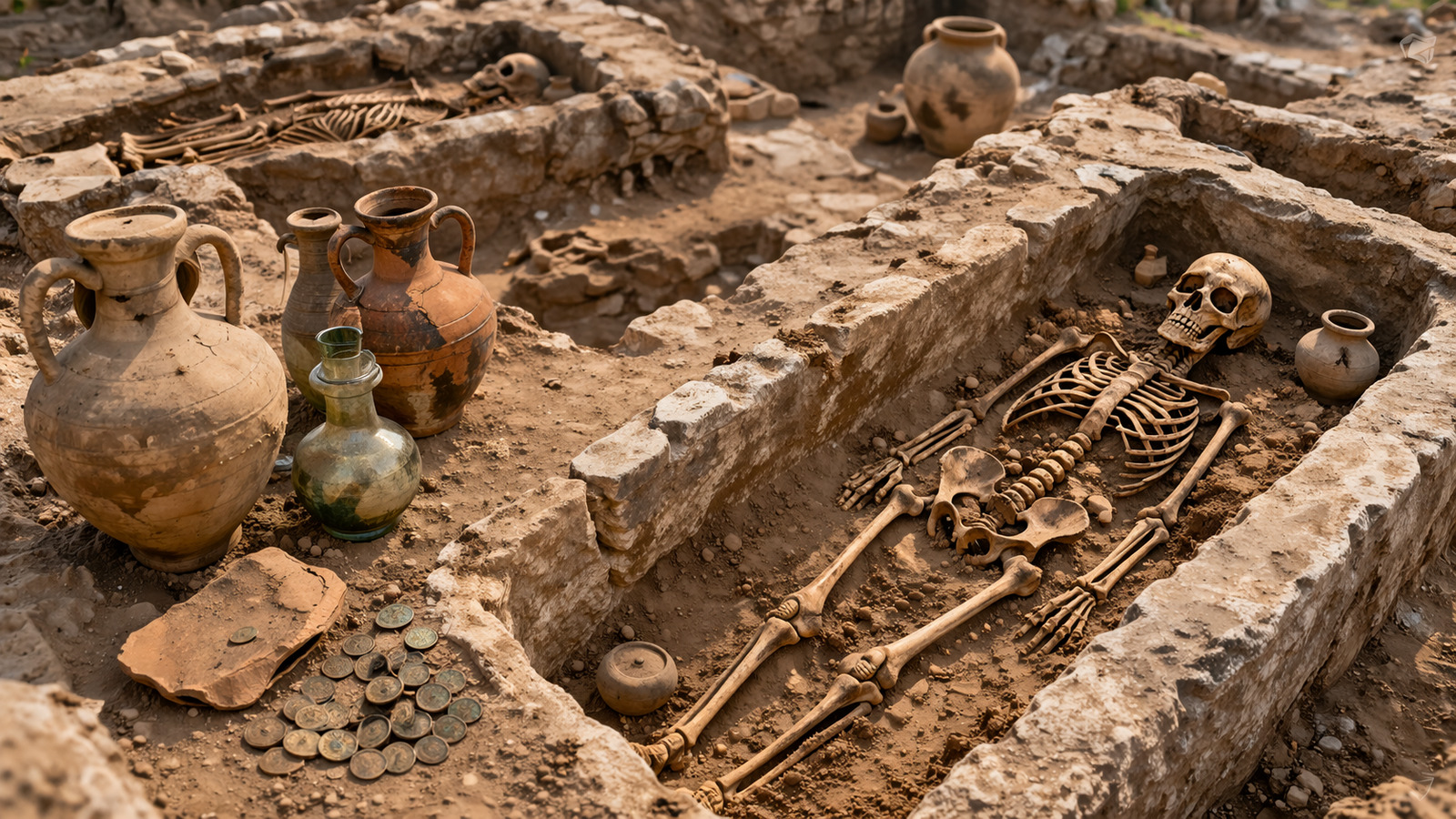
The discovery occurred in a region already known for housing ancient pre-Columbian cultures, but which still holds significant gaps about how these peoples structured their religious practices. The new find emerges as a key piece to understand the origin of complex rituals that, centuries later, would also appear in societies such as Moche, Chimú, and Inca. According to Reuters, some of the bodies were found face down with their hands tied behind their backs, a pattern considered atypical for common burials and compatible with ritual interpretation.
The central point of the discovery lies not only in the bodies found but in the context in which they appear — an architectural space clearly planned for ceremonial practices. According to the same report from Reuters, the individuals were buried in simple graves, without offerings or prestige objects, which reinforces the interpretation that the site had a specific ritual function and helps shed new light on the formation of the first complex religious traditions in ancient Peru.
-
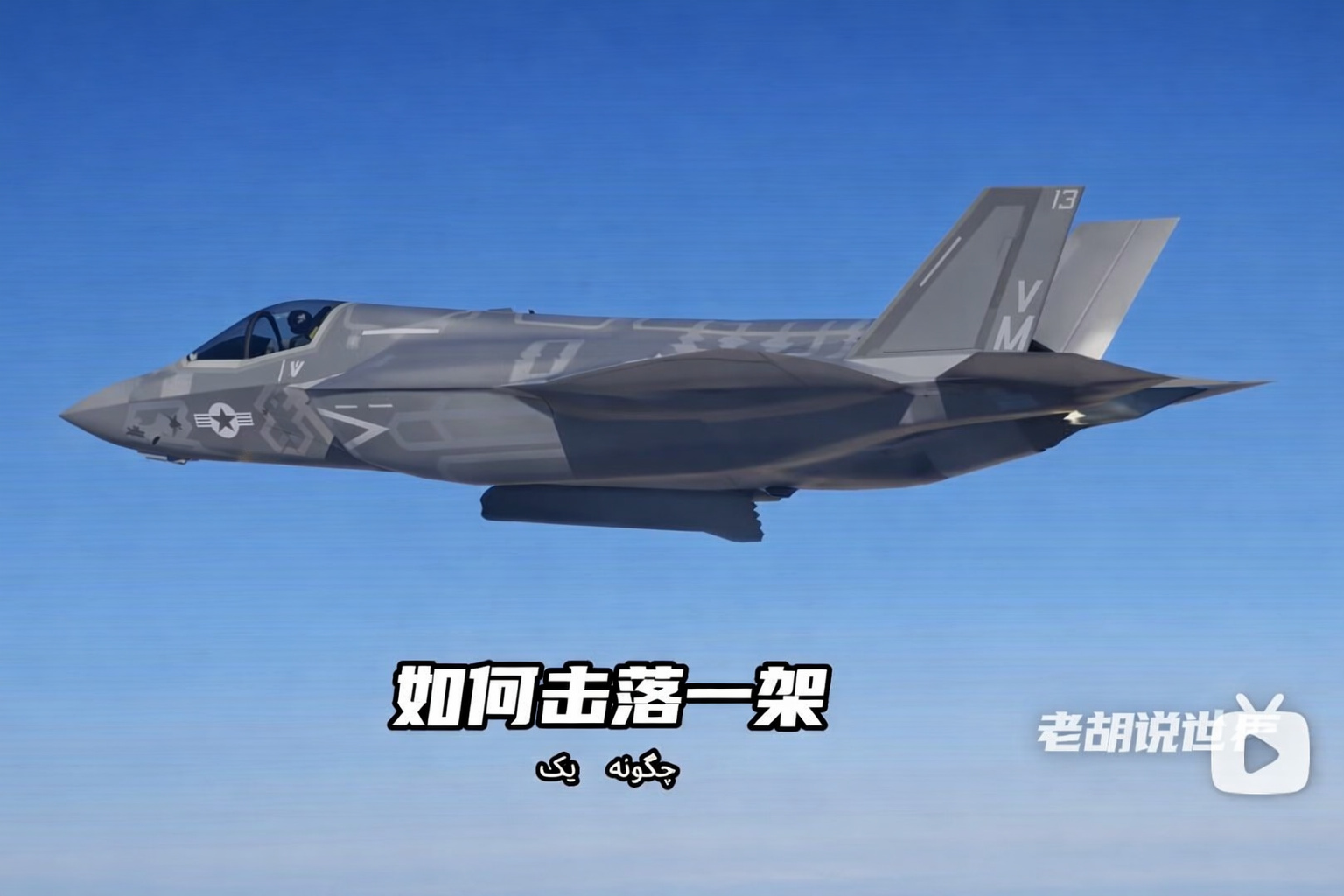
Chinese engineer goes viral teaching how to take down F-35, and the video gains attention after Iran targets US fighter jet.
-
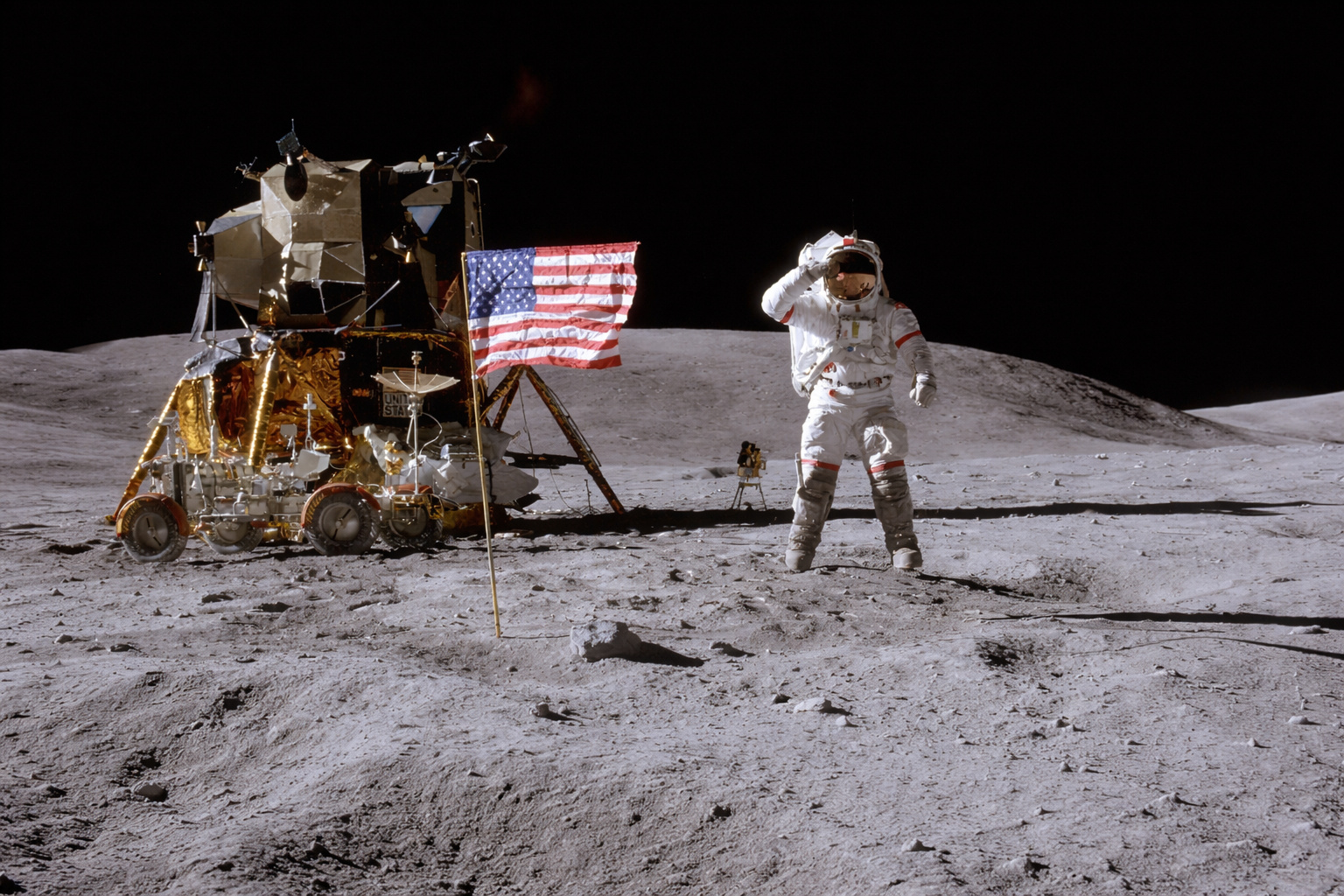
The University of California reveals what remains of the United States flag left on the Moon by NASA astronauts during the Apollo mission, and the answer will leave you speechless.
-
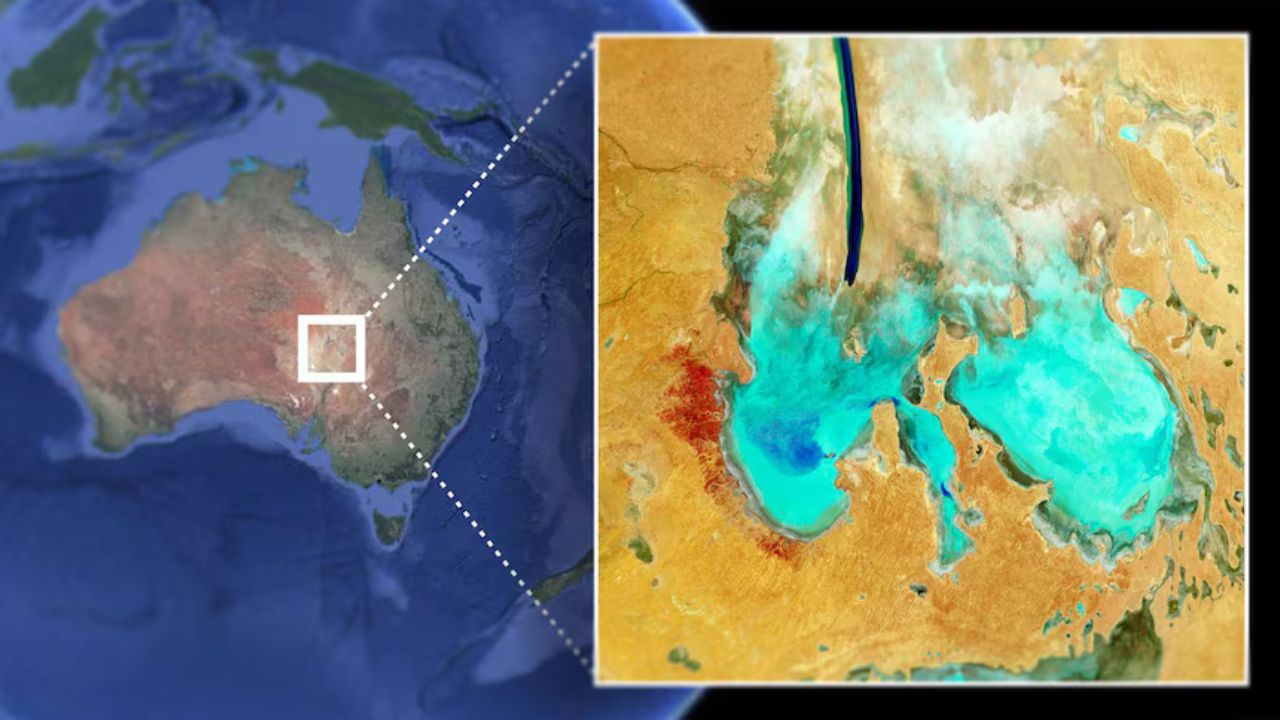
Frequently highlighted in images from NASA, the “lake that shouldn’t exist” in the heart of the Australian desert is 15 meters below sea level and suddenly turns into a colorful inland sea that appears and disappears, reshaping the Outback with each flood.
-
In Antarctica, a building has just achieved a certification that only 1% of accredited buildings worldwide can attain, in an engineering feat erected in one of the most hostile environments on the planet.
A Temple That Precedes Great Known Civilizations
The temple where the human remains were found dates back to a period before the emergence of the better-known Andean civilizations. This means that the rituals identified there may represent a much older tradition, which was transmitted, adapted, or transformed over the centuries.

In Andean archaeology, there is a historical tendency to associate human sacrifice practices with later cultures, such as the Moche, known for explicit representations of these rituals in ceramics, or the Incas, who performed sacrifices in specific contexts.
The new discovery shifts this timeline, suggesting that these practices may have much deeper roots, possibly linked to social and religious structures that were already complex three millennia ago.
The 14 Bodies and the Pattern That Intrigues Researchers
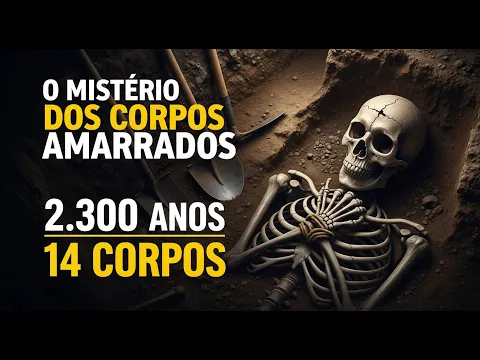
The archaeologists identified 14 individuals, including adults and possibly youths, whose remains exhibit characteristics indicating death in a ritual context. Although each case is being analyzed individually, the set presents patterns suggesting an organized practice.
Among the observed clues are specific positions of the bodies, absence of conventional burial, and direct association with ceremonial structures. These factors are fundamental to differentiate common burials from ritual events.
The fact that multiple individuals appear in the same context reinforces the hypothesis of collective or repeated sacrifices over time, indicating not only religious belief but also sufficient social organization to sustain this type of practice.
Religion, Power, and Social Control in Ancient Societies
Human sacrifices, when identified in archaeological contexts, are rarely isolated or random events. They are generally linked to deeply structured belief systems, where religion plays a central role in the organization of society.

In the case of the Peruvian temple, researchers assess that the rituals may be associated with fertility practices, climate control, or legitimization of power. In agricultural societies, natural events such as droughts or floods had a direct impact on collective survival.
In this context, rituals involving sacrifices could be interpreted as forms of negotiation with natural or divine forces, reflecting an attempt to control the unpredictable.
Temple Architecture Indicates Ceremonial Planning
Another fundamental element of the discovery is the very structure of the temple. Unlike residential areas or common settlements, the site exhibits typical characteristics of ceremonial spaces.
This includes delineated areas, possible elevated platforms, and spatial organization that suggests control of access. In many cases, these temples functioned as both religious and political centers.
The presence of the bodies within this environment reinforces that this is not an accidental event, but a practice integrated into the function of the space.
Why This Discovery May Change the Understanding of the Region
The importance of the find lies not only in the evidence of human sacrifices but in its antiquity. By pushing these practices to an earlier period, archaeologists need to revise hypotheses about cultural evolution in the region.
This raises new questions. Did these rituals arise independently or are they part of a continuous tradition? Was there cultural transmission between different societies over the centuries? Or are we facing multiple origins for similar practices?
The discovery opens a new field of investigation into how beliefs and social structures formed in the Andes long before traditional records indicated.
The Northern Coast of Peru as One of the Largest Archaeological Laboratories in the World
The region where the temple was found is considered one of the richest in archaeological terms in South America. Over the past decades, excavations have revealed cities, temples, tombs, and artifacts that help reconstruct the history of ancient cultures.
Even so, much of the area has yet to be fully explored. This means that new discoveries continue to emerge, often altering consolidated interpretations.
The case of the 3,000-year-old temple shows that there are still entire layers of history hidden beneath the ground, awaiting more advanced technologies and methods to be revealed.
Mystery: Is It an Isolated Ritual or a Forgotten Tradition?
One of the most intriguing points of the discovery is the absence of written records of these practices. Unlike civilizations such as the Egyptian or Mesopotamian, many Andean cultures did not leave texts describing their rituals.
This makes interpretation depend exclusively on material evidence, which opens the door to multiple hypotheses.
The 14 bodies found may represent only a fragment of a much larger tradition that remains invisible in the archaeological record.
What Do You Think About Rituals That Existed Thousands of Years Earlier Than We Imagined?
The discovery of a 3,000-year-old temple with evidence of human sacrifices in Peru shows that complex and, in many cases, disturbing practices were already part of societies much older than previously thought.
Do you believe that new excavations may reveal that these rituals were common throughout the region, or are we facing an isolated case that we still do not fully understand?






Seja o primeiro a reagir!