





 Portuguese
  English
  Spanish
  3 min of reading
  0 comments


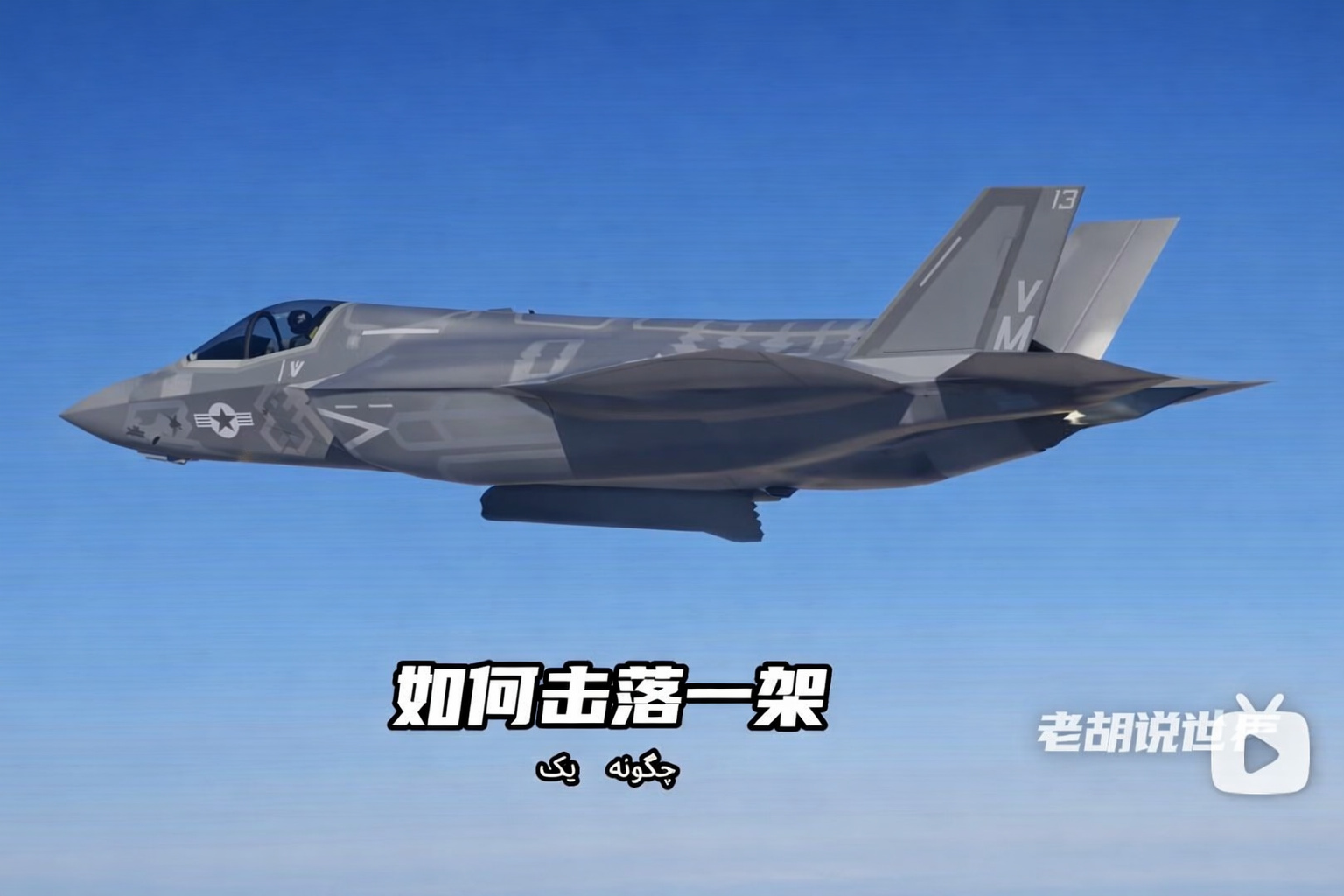
Content with Persian subtitles details the use of sensors and accessible systems to neutralize stealth aircraft, raising debates about military technology and global security
A video published by a Chinese engineer on social media caught international attention by explaining in detail how Iran could use its own systems to shoot down American fighter jets, including the advanced F-35. The content gained even more relevance after Iranian authorities claimed to have hit this model of aircraft just days after the publication.
The information originated from content shared on the Chinese platforms Bilibili and Weibo, where the video quickly went viral and became widely debated by users interested in military technology and geopolitics.

Video with nearly 100,000 views shows step-by-step of the strategy
Published on March 14 on the platform Bilibili, the video was shared by the profile “Old Hu Talks About the World” and accumulated around 93,000 views, along with approximately 33,000 likes. Additionally, the content was also replicated on Weibo, further expanding its reach.
-
“Cachorro Caramelo” is recognized in Mexico as a Mexican breed to combat abandonment and change the perception of mixed-breed dogs.

-
Cuba is without fuel, without energy, and without a way out, but a 21-year-old young man set up a homemade solar panel factory that has already equipped more than 15 electric tricycles, increased the vehicles’ range, and is saving the livelihood of workers who no longer had a way to get around the island’s streets.

-
The gigantic supersonic Concorde flew so fast that 100 wealthy Americans booked an entire flight to outrun the sunset, pop champagne at Mach 2, and celebrate New Year’s three times.

-
Weather in May will have a cold front, risk of frost, and rainfall above 100 mm, while heat and drought concern crops in central Brazil.





In the video, the engineer presents a detailed step-by-step guide on how to shoot down aircraft using equipment that would already be available to the IRGC (Islamic Revolutionary Guard Corps of Iran). In this regard, he explains which types of radar can be used to detect the approach of fighter jets and also indicates civilian sectors where certain equipment can be purchased and adapted for military use.
Thus, the content draws attention not only for its technical approach but also for the accessibility of the solutions presented.
Coincidence with military action increases repercussion
Just days after the publication, on March 19, the Iranian Armed Forces reported that they had hit an F-35 fighter jet during an operation in their airspace. This factor, therefore, intensified global interest in the video.
Later, on Friday (April 3, 2026), Iran announced that it had shot down a second American fighter jet, this time an F-15E. According to the information released, the pilot managed to survive after hiding for more than 24 hours in a mountain crevice, avoiding capture.
Although the sequence of events has generated speculation, there is no evidence that the video directly influenced these military operations.
F-35 and possible vulnerabilities highlighted in the video
During the explanation, the engineer uses the F-35 as a central example. The aircraft is recognized for its stealth technology, designed to reduce detection by conventional radars through advanced design and special materials.
However, the video suggests that there are alternatives to circumvent this advantage. In this context, specific sensors and systems may allow the identification and tracking of these aircraft, even with their stealth characteristics.
Additionally, the content reinforces that Iran already possesses its own technology and infrastructure aimed at air defense, a result of years of development.
On the other hand, the video also raises a relevant strategic point: by exposing methods and equipment used, it may end up providing information that allows adversarial forces to adapt their strategies.
Growth of military content on Chinese networks
At the same time, the case highlights the growth of specialized content on military topics on Chinese digital platforms. Creators have been producing technical analyses, simulations, and detailed explanations about modern warfare equipment, attracting millions of views.
In this scenario, the video from “Old Hu” stands out as another example of how technology and information are increasingly present in the public debate on global security and defense.
Absence of evidence of direct connection
Despite the coincidence between the publication of the video and Iranian military actions, there is no official confirmation of a link between the two events.
Iran has a solid track record in developing air defense systems and has its own experts, indicating that its capabilities do not depend on content published on social media.
Still, the episode reinforces how technical content shared on the internet can gain strategic relevance and generate discussions on a global scale.







Be the first to react!