





 Portuguese
  English
  Spanish
  6 min of reading
  0 comments


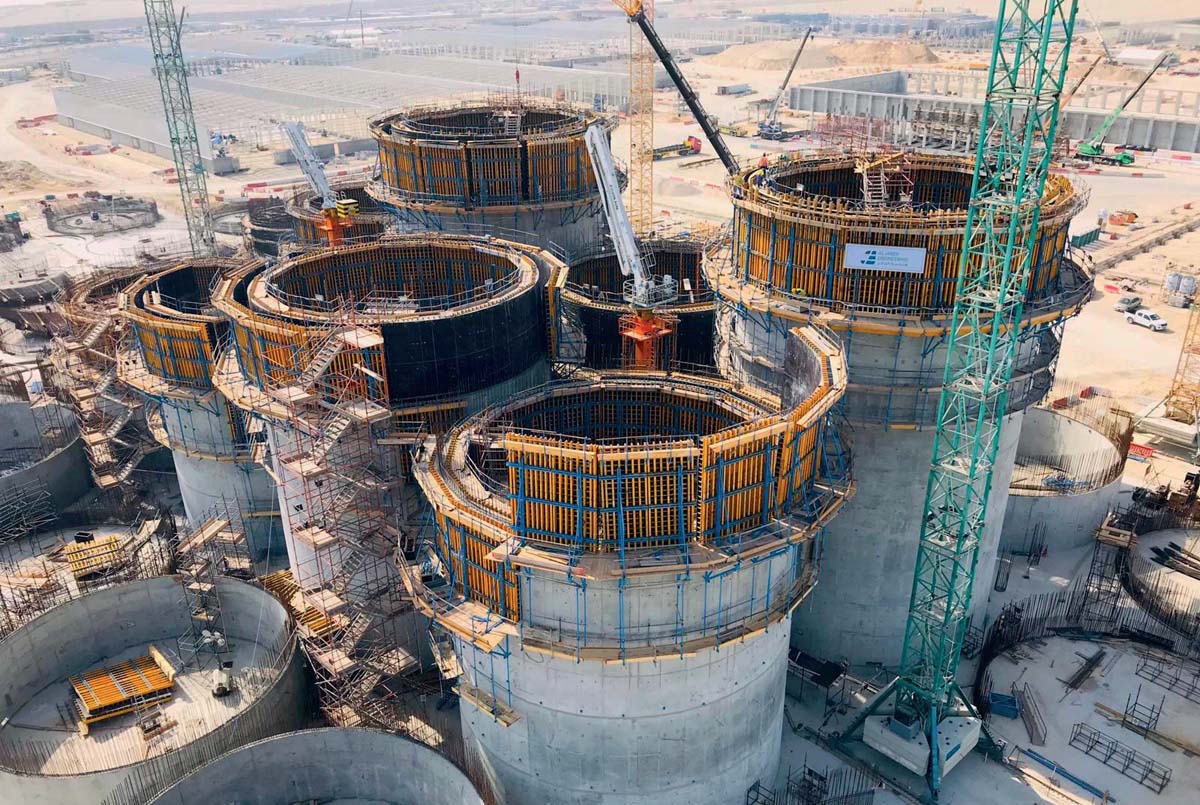
Qatar Food Security Terminal stores food for 3 million people for up to two years and strengthens food security in the Gulf.
In 2024, documents from the Ministry of Commerce and Industry of Qatar and the official strategy of the ministry for 2024-2030 detailed the structure of one of the country’s most strategic projects in food security. Located at Hamad Port, in Umm Al Houl, south of Doha, the Qatar Food Security Terminal was designed for the transportation, storage, and processing of food commodities and, according to an official announcement from the Ministry of Transport of Qatar, its capacity was planned to maintain stocks of rice, sugar, and edible oils sufficient to meet the needs of 3 million people for up to two years.
The initiative gained strategic weight in a sensitive geopolitical context. Qatar remains highly dependent on external flows to supply a significant portion of its food basket, and the National Food Security Strategy itself shows that commodities such as rice, wheat, sugar, and oils had zero or near-zero self-sufficiency in the country. This vulnerability became particularly evident during the diplomatic crisis of 2017, when the closure of the land border with Saudi Arabia and the disruption of trade routes raised fears of shortages and accelerated the logistical reorganization of the emirate.
Therefore, the Hamad Port terminal was not structured merely as a storage area, but as an integrated food security system aimed at protecting the national strategic stock. In official documents, the project is linked to the expansion of stored reserves, continuous monitoring of essential goods, and the creation of contingency mechanisms to face disruptions in trade, supply routes, and prolonged crisis scenarios, reinforcing the role of the facility as a central piece of Qatar’s logistical resilience.
-
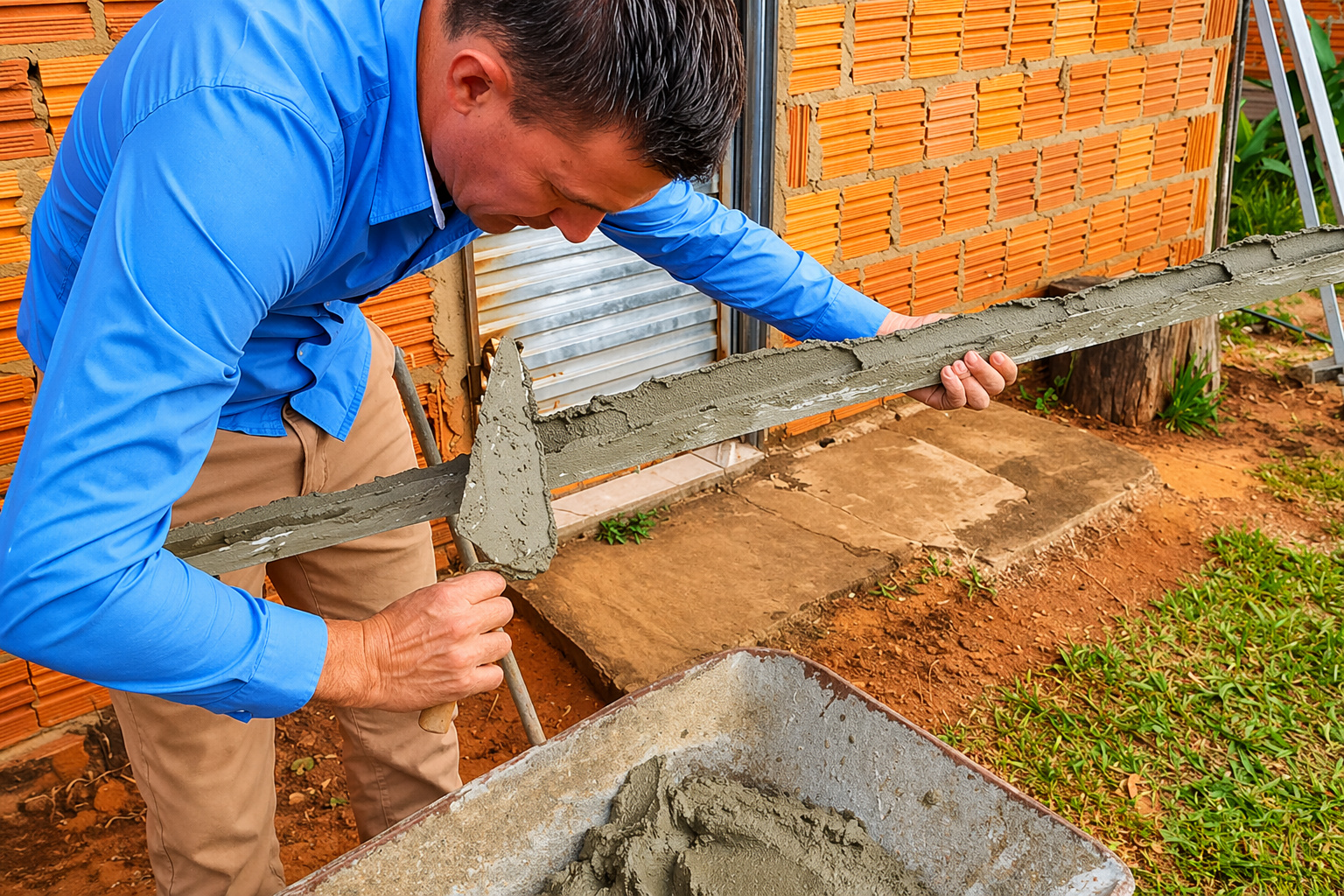
A mason from Mato Grosso do Sul develops an unusual plastering technique that eliminates seams, reduces the time to three hours, and leaves the wall completely smooth.
-
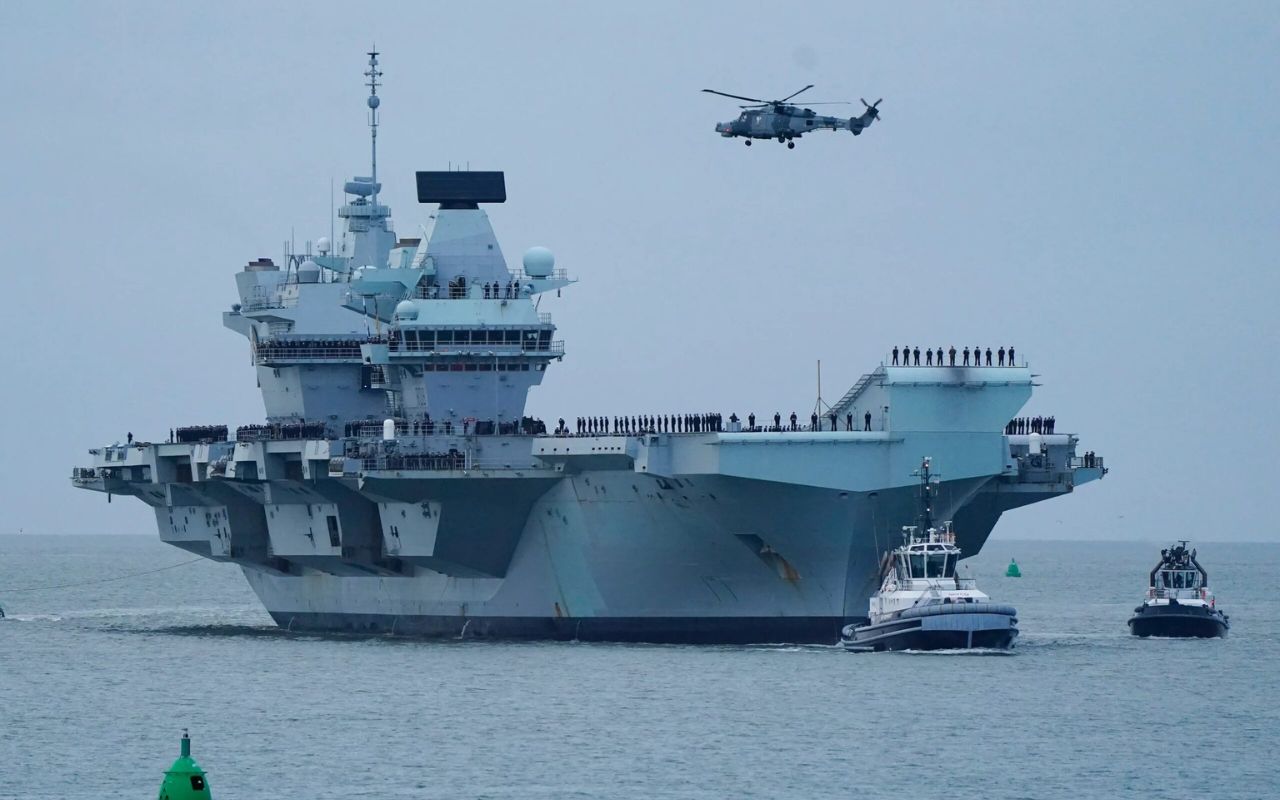
It has 65,000 tons, 280 meters, and 10 diesel engines: the HMS Queen Elizabeth is the largest aircraft carrier in the United Kingdom, combining advanced technology, F-35B fighters, and functioning as a complete airbase at sea.
-
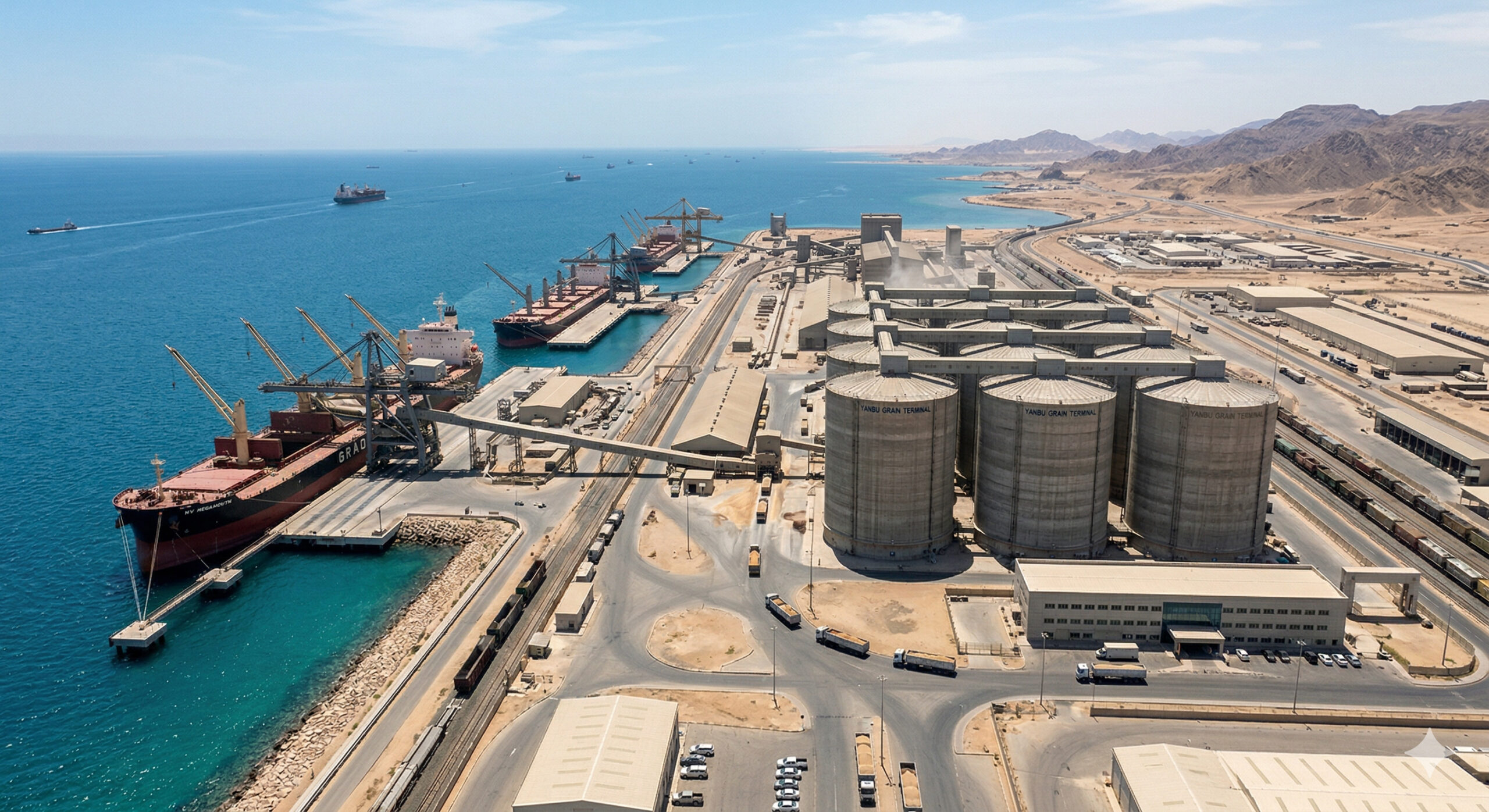
On the Red Sea coast, a megaterminal with a capacity of 156 thousand tons, 12 giant silos, and an annual flow exceeding 3 million tons creates an alternative grain route outside the Strait of Hormuz and secures supply in the region, the Yanbu Grain Handling Terminal in Saudi Arabia.
-
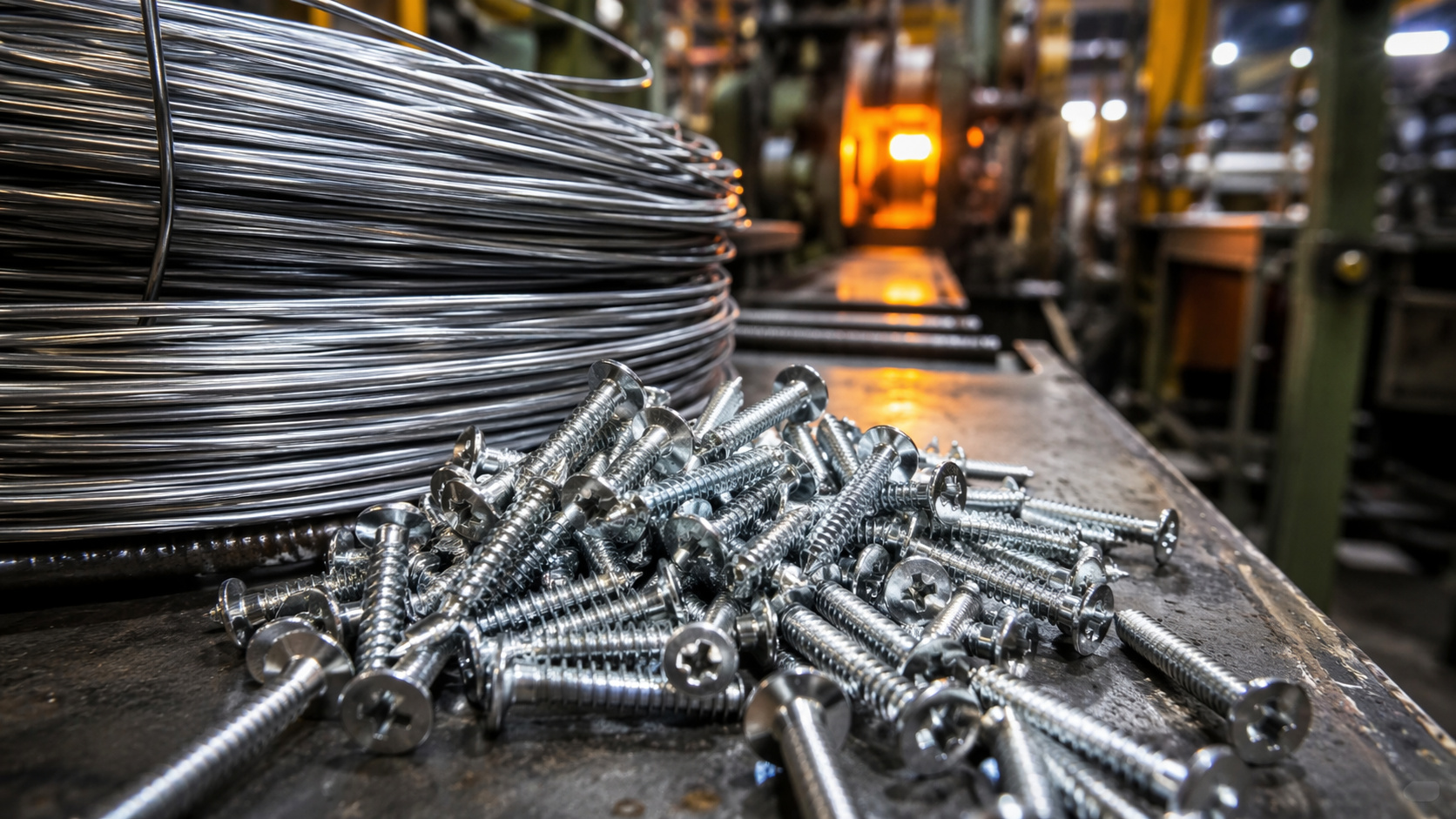
Little-known raw industrial process uses superheated steel, extreme force, and many strikes to transform 10 km wires into small metal pieces that hold the world together.
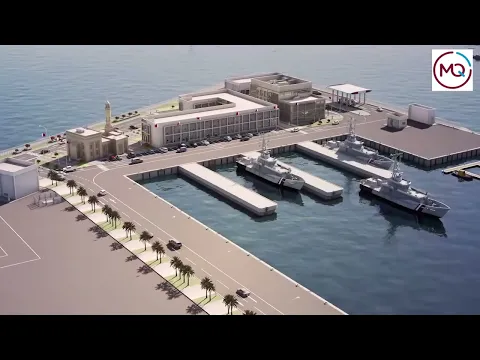
Hamad Port infrastructure transforms Qatar into a food logistics hub in the Gulf
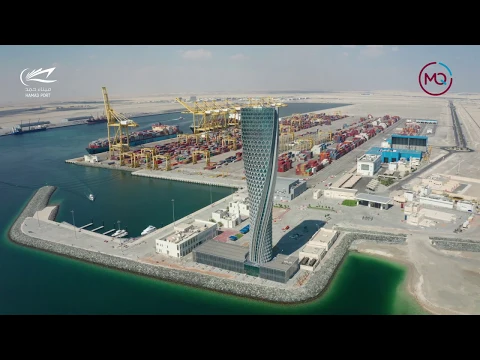
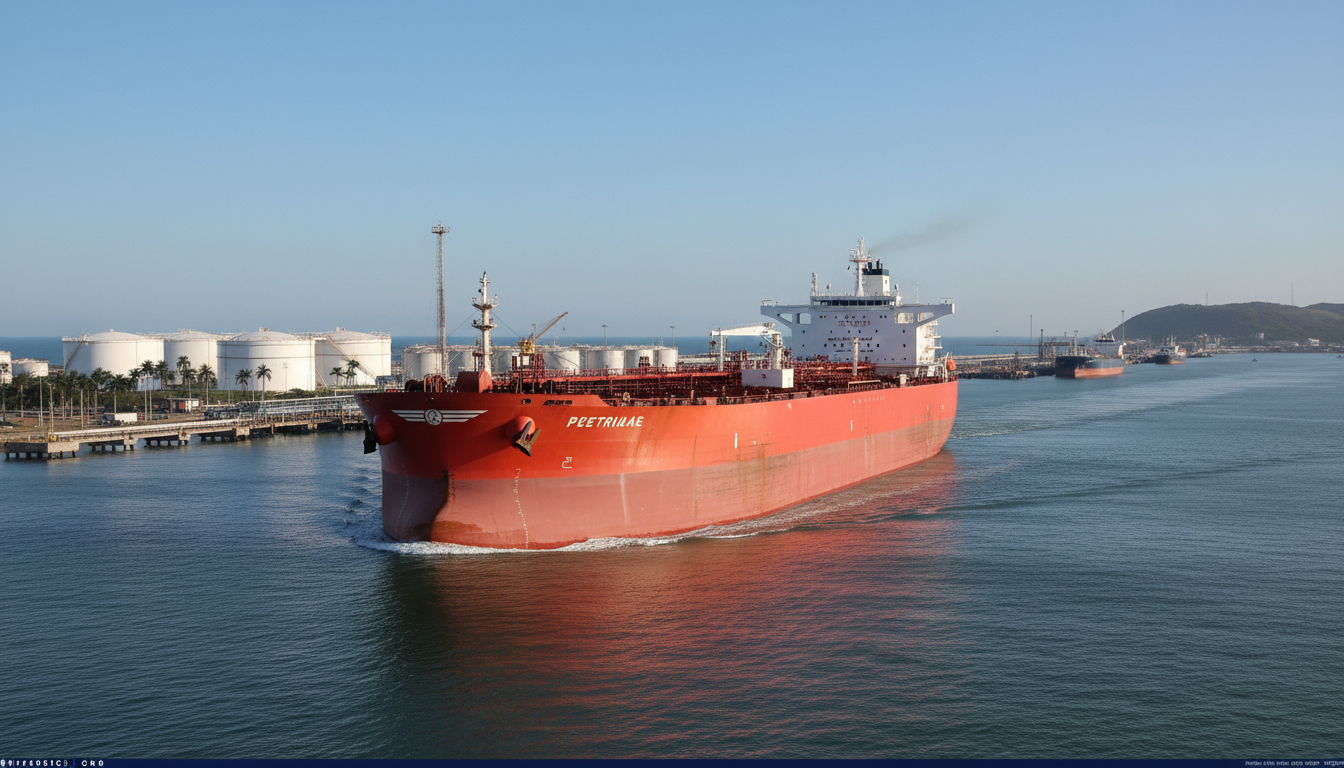
Hamad Port is Qatar’s main seaport and plays a central role in the national logistics strategy. Opened to reduce dependence on routes controlled by neighboring countries, the port was designed with the capacity to handle millions of tons of cargo per year.

Within this complex, the Qatar Food Security Terminal operates as a specialized hub for food commodities. The infrastructure includes dedicated areas for:
- unloading grains and bulk foods
- storage in silos and tanks
- processing and refining products
- internal redistribution
This model allows food to arrive, be processed, and stored in the same location, reducing logistical costs and increasing system efficiency.
The integration between port, storage, and processing creates a continuous chain that reduces risks of disruption and improves responsiveness in crisis situations, which is essential for countries dependent on imports.
Qatar’s food storage capacity exceeds regional security standards
The project’s differential lies in its scale. The capacity to store food for millions of people for up to two years places Qatar at a high level within global food security strategies.
This type of strategic reserve is rare, especially in countries with limited territory. Most nations maintain stocks sufficient for a few months, while the model adopted by Qatar seeks to extend this margin for significantly longer periods.
The goal of ensuring up to two years of supply places the country among the most robust systems in the world in terms of food resilience, reducing vulnerability to external crises.
Additionally, storage is done with strict control of temperature, humidity, and quality, ensuring that products remain suitable for consumption over long periods.
2017 crisis boosted investments in food security in Qatar
The decision to invest in infrastructure such as the Qatar Food Security Terminal is directly linked to the diplomatic crisis faced by Qatar in 2017. During that period, neighboring countries imposed trade and logistical restrictions that affected the flow of food and essential goods.
The episode exposed weaknesses in the supply system and led the government to implement a national strategy focused on:
- diversification of suppliers
- strengthening internal logistics
- creating strategic stocks
Since then, the country has begun to invest heavily in port infrastructure, storage, and limited local production, seeking to reduce its dependence on specific routes.
The terminal at Hamad Port is a direct result of this change in strategy, functioning as a structural response to a real risk already experienced by the country.
System integrates storage, processing, and distribution of essential foods
The Qatar Food Security Terminal does not operate merely as a warehouse. It was designed to function as a complete system, capable of transforming raw materials into ready-to-consume products.
In the case of rice, for example, the terminal includes facilities for processing and packaging. In the case of sugar, there are refining units that allow for the transformation of raw product into refined sugar ready for distribution.

This model reduces the need to rely on external facilities and ensures greater control over the entire supply chain.
The vertical integration of the process — from the arrival of raw materials to the final product — significantly increases the country’s autonomy in times of crisis, reducing logistical bottlenecks.
Strategic location outside the Strait of Hormuz enhances logistical security
Although Qatar is geographically close to the Strait of Hormuz, one of the world’s most sensitive maritime routes, the development of Hamad Port was designed to enhance the country’s logistical flexibility.
The port allows for direct connections with various international routes, reducing dependence on specific paths and increasing the resilience of the supply chain.
The ability to operate with multiple routes and suppliers reduces the impact of potential blockades or geopolitical tensions, which is essential in a region marked by instability.
Dependence on imports makes food security a strategic priority
Qatar has limited natural conditions for agriculture. The desert climate, water scarcity, and low soil fertility hinder large-scale local production.
As a result, the country heavily relies on imports to meet its internal food demand. This characteristic makes food security a strategic state priority.
Projects like the Qatar Food Security Terminal represent a direct response to this structural vulnerability, ensuring that the country can maintain its supply even in adverse scenarios.
Qatar model may influence strategies of other import-dependent countries
The success of the model adopted by Qatar has the potential to influence other nations facing similar challenges. Countries with agricultural limitations or high dependence on imports may adopt similar strategies to increase their resilience.
This includes:
- construction of large silos and terminals
- diversification of logistical routes
- creation of strategic stocks
In a global scenario marked by climate crises, conflicts, and instability in supply chains, the ability to store food on a large scale can become a critical differentiator for national security.
Can strategic stocks redefine the global food balance?
The Qatar Food Security Terminal demonstrates how infrastructure and planning can transform the way countries deal with food supply. Storing enough food for millions of people for years completely changes the logic of vulnerability in regions dependent on imports.
In your view, will this type of strategy tend to become standard in other countries, or will it remain restricted to nations with high investment capacity?






Seja o primeiro a reagir!