





 Portuguese
  English
  Spanish
  5 min of reading
  0 comments


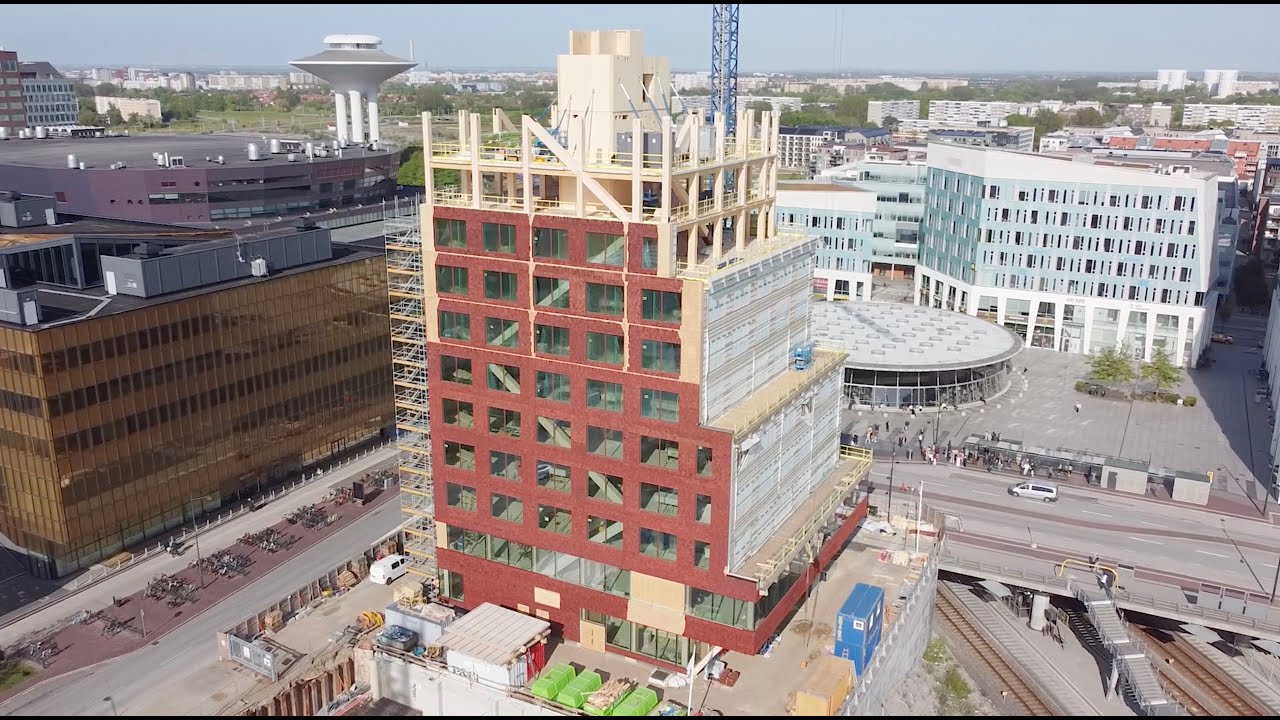
51-meter tower in Sweden built with engineered wood and without concrete core redefines sustainable construction standards.
In 2024, the Swedish architecture firm Wingårdhs presented the design of the Fyrtornet building, located in Malmö, Sweden, a tower approximately 51 meters tall built with engineered wood. According to a publication from the ArchDaily portal, the building is described as a wooden skyscraper that uses structural solutions based on advanced engineering to reduce environmental impact, standing out as one of the main recent references in sustainable construction. The project has also gained international attention. According to the New Atlas website, the tower reaches about 51.5 meters in height and was built almost entirely with wood, using elements like CLT and glulam, with concrete restricted mainly to the foundations, something uncommon even among modern buildings of this type.
The most relevant point is that the Fyrtornet drastically reduces the use of structural concrete. Unlike most medium and large wooden buildings, which still rely on concrete cores for stability, the project bets on a virtually all-wood engineered structure, positioning itself as one of the most advanced examples of so-called high-performance wood construction.
Use of CLT and laminated wood allows structure without concrete core
The structure of Fyrtornet is based on two main elements: CLT (Cross Laminated Timber) panels and glulam beams. These materials are considered engineered wood, meaning they undergo industrial processes that enhance their strength, stability, and structural predictability.
-
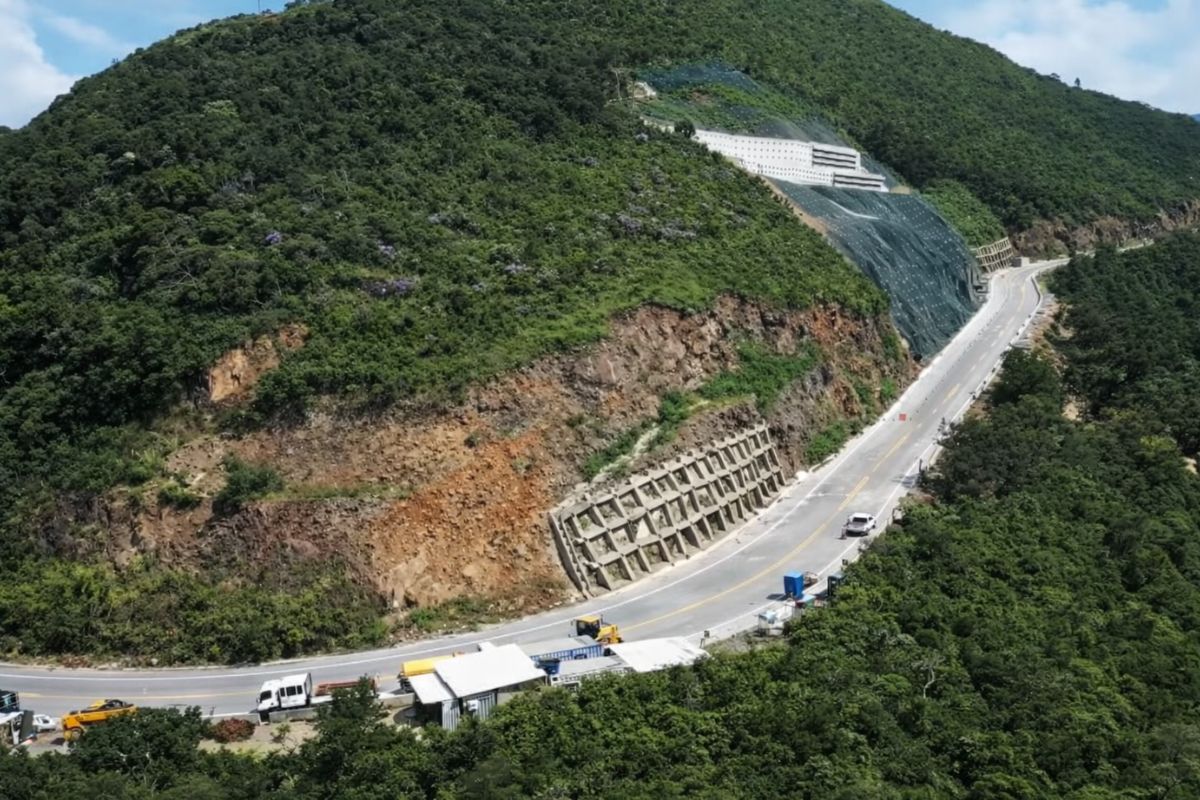
The section of Serra da Rocinha on BR-285 is now open in Timbé do Sul: 50 m tensioned curtains and top-down technique stabilize the slope, with a stairway duct controlling the water.
-
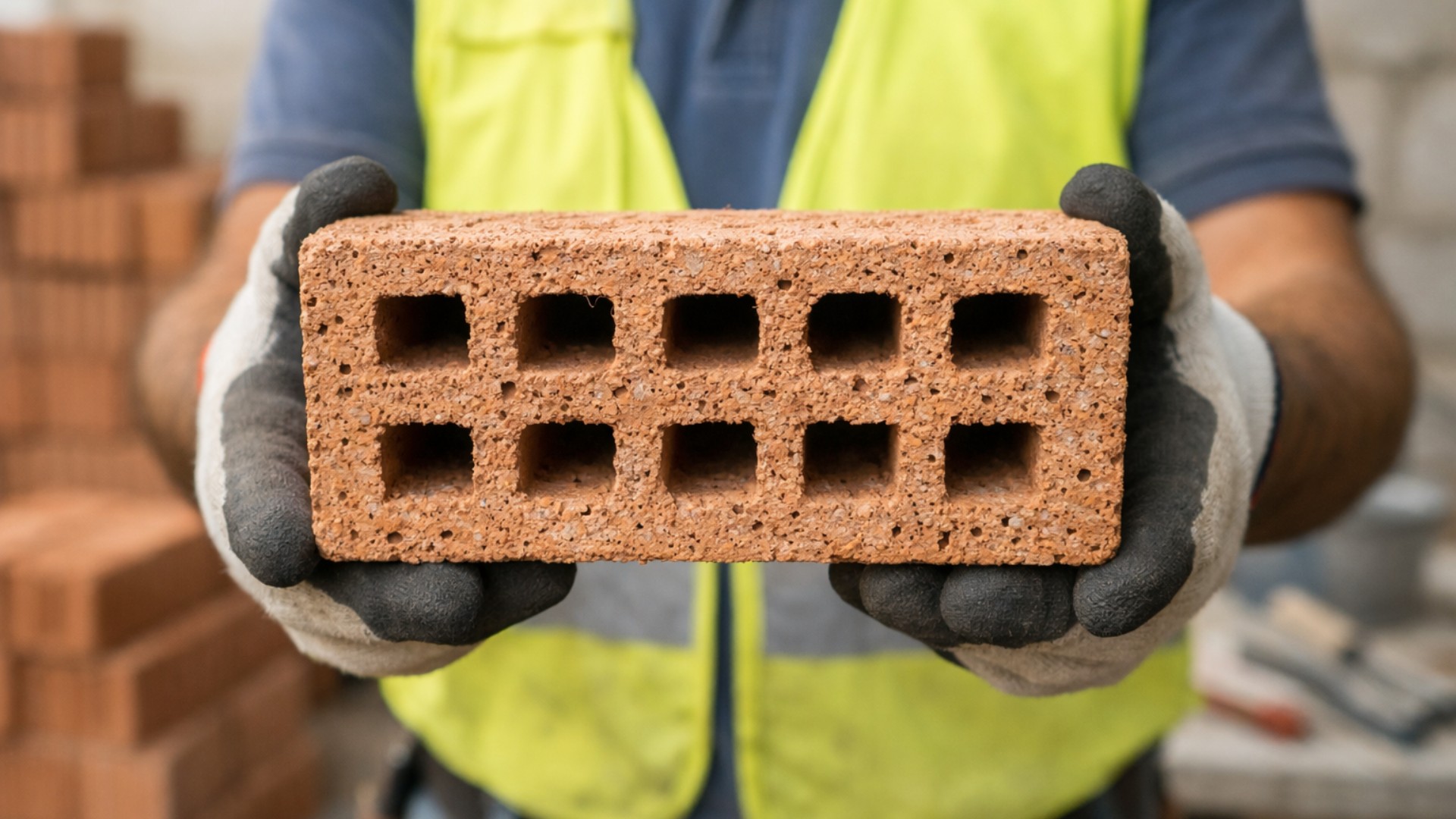
Scientists use sawdust mixed with clay to create a lighter brick, promising efficient thermal insulation and impressing by transforming waste into a solution for construction.
-
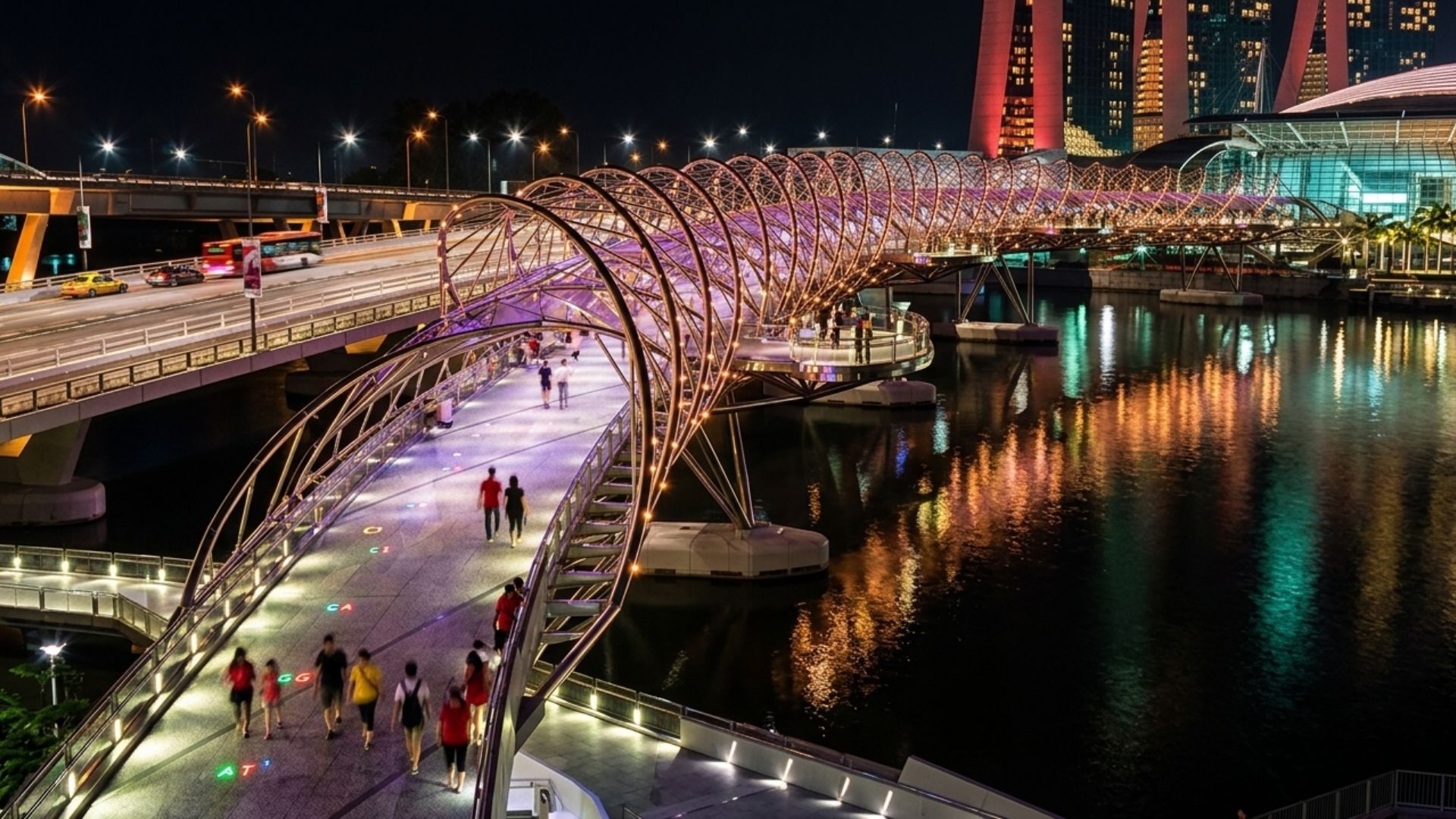
With a DNA shape, this bridge in Singapore draws attention in modern architecture and surprises tourists by transforming a simple crossing into an unforgettable visual experience in the urban heart.
-
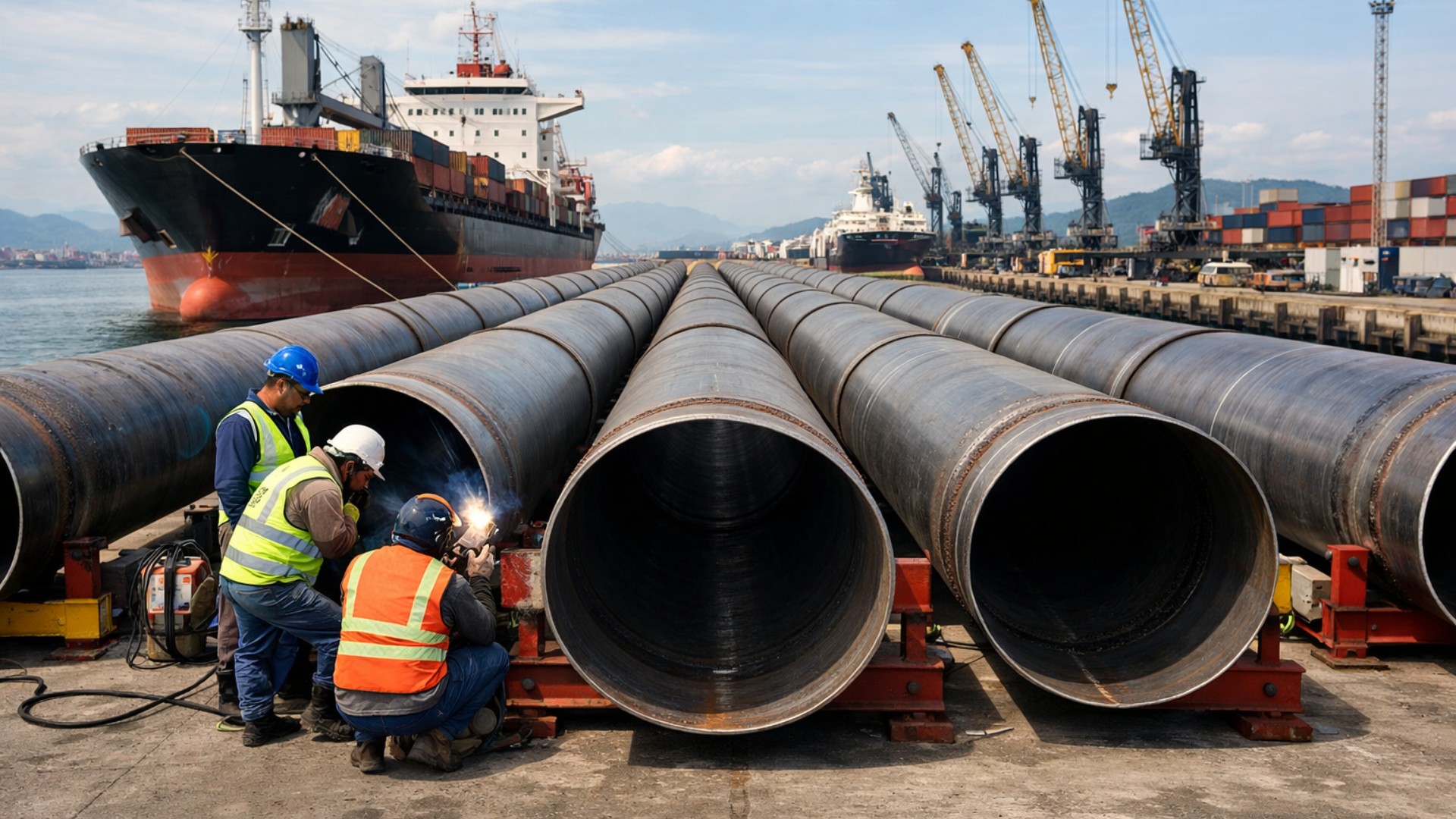
Giant underwater pipeline begins to take shape with a R$ 134.7 million project at the Port of Santos: the 1.7 km structure uses 12-meter and 700 mm pipes to supply water to 450,000 people in Guarujá.

CLT is made up of layers of wood glued in crosswise directions, ensuring resistance to both compression and bending. Glulam consists of longitudinally glued laminations, forming beams capable of supporting large loads.

This combination allows the building to have a core, stairs, and structural elements entirely made of wood, eliminating the need for reinforced concrete or steel as central stability elements — a characteristic that sets Fyrtornet apart from most existing wooden buildings.
Absence of concrete core is the main technical differential of the project
In conventional buildings, the structural core — where elevators, stairs, and shafts are located — is almost always made of reinforced concrete, as it provides rigidity and stability against lateral loads, such as wind.
In the case of Fyrtornet, this function is performed by engineered wood structures, which represents a significant technical advancement within contemporary civil engineering.
According to information released by the developers, the tower maintains structural stability without resorting to concrete in the core, significantly reducing the building’s carbon footprint, as cement is one of the most emission-intensive materials in the construction sector.
Facade with integrated solar panels increases energy efficiency of the building
Another important technical point of the project is the integration of energy technology directly into the facade. Fyrtornet incorporates solar panels integrated into the glass, known as BIPV (Building Integrated Photovoltaics).
This system allows the building to generate part of its own electricity, reducing dependence on the grid and increasing energy efficiency throughout its operation.
The combination of wood structure and energy generation on the facade positions the building as a model of low environmental impact construction, aligned with European goals for emission reduction in the real estate sector.
Industrial prefabrication and transport by train reduce CO₂ emissions
The construction process of Fyrtornet also follows an industrialized logic. A large part of the structural components was prefabricated in a factory, allowing for greater quality control, waste reduction, and decreased construction time.
Additionally, the materials were transported by train to the construction site, a strategy adopted to reduce emissions associated with logistics, as rail transport has a lower environmental impact compared to road transport.
This model of industrialized wood construction is considered one of the main global trends, especially in European countries seeking to reduce the carbon footprint of the construction industry.
Engineered wood gains ground as an alternative to concrete and steel
Engineered wood construction has grown rapidly in recent decades, driven by technological advancements and the need to reduce emissions in the construction sector.

Concrete and steel, although highly efficient structurally, are responsible for a significant share of global carbon emissions. Wood, on the other hand, acts as a carbon reservoir, as it stores CO₂ absorbed during the growth of trees.
This means that wooden buildings can have a more favorable carbon balance, especially when combined with sustainable forest management and efficient industrial processes.
Swedish tower integrates global movement of large wooden buildings
The Fyrtornet is not an isolated case, but part of a global movement known as mass timber construction, which involves the use of engineered wood in increasingly tall buildings.
Countries like Norway, Canada, Japan, and Austria already have wooden buildings that exceed several meters in height. However, many of these projects still use concrete cores to ensure stability.
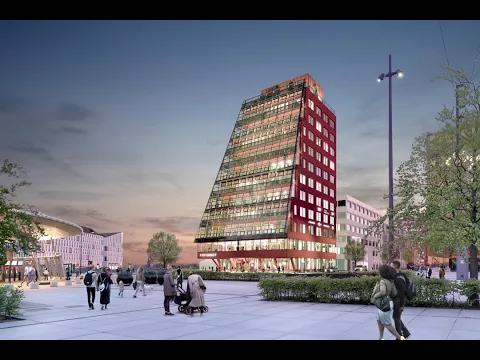
The differential of the Swedish project lies precisely in eliminating this element, taking a step further in the replacement of traditional materials.
Project reinforces European strategy for sustainable construction
Europe has been leading initiatives aimed at reducing emissions in the construction sector, and the adoption of engineered wood is part of this strategy.
The European Union has set ambitious carbon neutrality goals, and the real estate sector is one of the main focuses of these policies. Projects like Fyrtornet demonstrate how technological innovation can be applied to achieve these objectives.
Moreover, the use of wood also contributes to the development of productive chains linked to sustainable forestry, expanding the economic impact of the transition to lower-emission materials.
Structural safety and fire resistance are addressed with advanced engineering
One of the main concerns about wooden buildings is related to fire safety. In the case of engineered wood, this issue is addressed with specific solutions.
CLT and glulam exhibit predictable behavior in fire situations, forming a charred outer layer that protects the structural interior. This phenomenon increases fire resistance time, allowing for safe evacuation and control of the structure.

International technical standards already incorporate these behaviors, allowing wooden buildings to meet the same safety requirements as conventional structures. The Fyrtornet building in Sweden demonstrates how civil construction is undergoing a structural transformation driven by technology and sustainability.
With a height of 51 meters, a structure based on CLT and glulam, absence of a structural concrete core, and integration of solar energy in the facade, the project positions itself as one of the most advanced examples of wood construction in the world.
By combining structural engineering, energy efficiency, and emission reduction, the Swedish tower not only challenges the historical dominance of concrete and steel but also points to a new construction model aligned with the environmental and technological demands of the 21st century.







Seja o primeiro a reagir!