





 Portuguese
  English
  Spanish
  5 min of reading
  0 comments


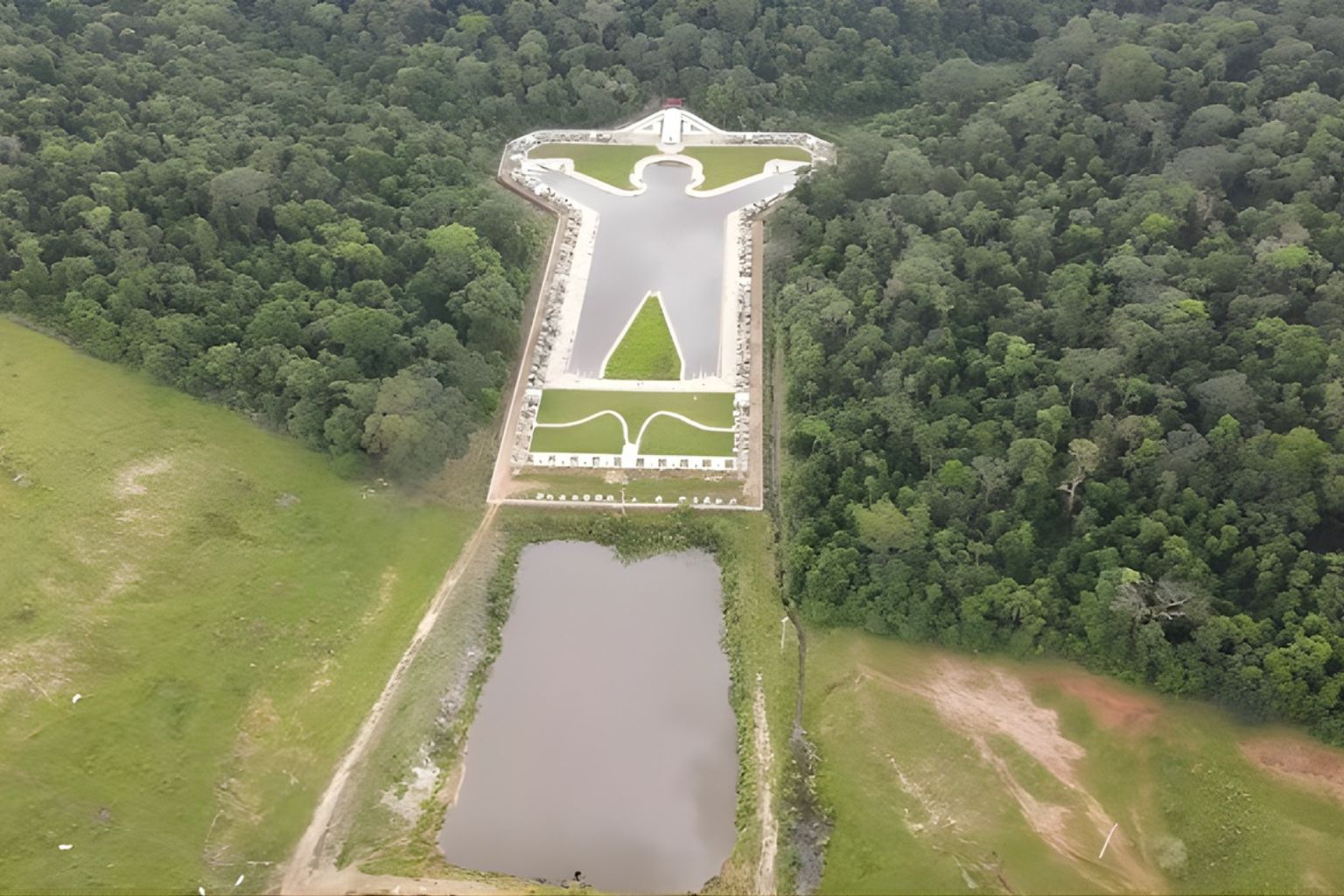
Lake in the shape of a human body in Iacanga (SP) intrigues Google Earth users due to its perfect symmetry and 12 chapels around it without official explanation.
Open Google Earth. Enter the coordinates -21.8052691, -49.090017. Wait for the image to load. What appears on the screen is not an optical illusion or a montage, but a real formation publicly identified as Humanoid Lake, in Iacanga, in the interior of São Paulo, already recorded on open mapping and geographical curiosity pages such as weirdgoogleearth and others.
In the middle of a rural area surrounded by pastures and crops, the satellite image reveals a man-made lagoon sculpted with remarkable precision in the shape of a human body, with a rounded head, neck, torso, arms outstretched, and aligned legs. The existence of this figure had already been mentioned in an online record from 2012, which described it as a formation visible on Google Earth and apparently linked to a pay-to-fish lake.
Surrounding the structure, symmetrically distributed constructions can also be observed, reinforcing the impression that this is a deliberately planned project and not a casual shape. What is not clarified in a reliable public source is the authorship, the original purpose, and the exact date of construction. In open research, the located records are mostly pages of curiosities, videos, and tourist listings, with no accessible official documentation explaining the origin of the so-called Humanoid Lake of Iacanga.
-
An invisible phenomenon in Antarctica on a continental scale reveals a direct impact on the polar climate by showing that penguin droppings release ammonia, form bright clouds, and raise an unexpected scientific curiosity about the balance of the icy atmosphere.

-
Mato Grosso regulates native wood biomass with certification, traceability, and a forest plan for 2025–2040 to boost the green economy and energy transition.

-
Satellite images reveal in Germany a mosaic of agricultural fields with no apparent pattern; irregular shapes seen from space are actually the land map created by feudal lords over 700 years ago that still defines the landscape today.
-
The most economical refrigerator in Brazil consumes only 26.5 kWh/month and costs around R$ 20.67, outperforming rivals by up to 200% in consumption; see the ranking with real data, inverter technologies, and annual savings exceeding R$ 2,500.

Iacanga in the interior of São Paulo houses a mysterious lake without official historical record or tourist signage
Iacanga is a municipality with about 7,000 inhabitants located in the Bauru region, in the interior of São Paulo. It is a city with a predominantly agricultural economy and without major tourist attractions formally cataloged.
There are no directional signs, tourist routes, or any official signage leading visitors to the lake. Those who do not know the coordinates pass through the region without realizing that, viewed from above, that rural property houses one of the most unusual images ever recorded by satellites in Brazil.
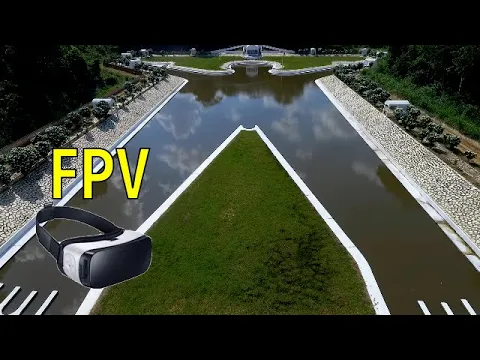

The discovery gained visibility through the internet. In 2012, the regional blog Aracoara was one of the first to publish the images and coordinates. Subsequently, the location began to circulate on international platforms.
Satellite images reveal a lake with human proportions and symmetrical alignment of constructions around it
Upon analyzing the images in detail, it becomes evident that this is not a random formation. The lake presents proportions consistent with a human body, including a clear separation between head and torso, arms open at a defined angle, and parallel legs.
Another relevant detail is the water supply system, which apparently occurs from the ends of the figure’s arms, reinforcing the idea of an intentional project.
The twelve constructions around follow a precise geometric pattern, with regular spacing along the lateral contour of the lake. Residents claim that these structures function as chapels.
Above the head of the figure, there is a larger construction, described as a possible sanctuary or central building that organizes the set.
Hypotheses about the humanoid lake include religious promise, pay-to-fish, and land art work
With the repercussion of the case, several hypotheses have emerged, but none have been officially confirmed. One of the most recurring interpretations is that the location would be the result of a religious promise. In this scenario, the owner would have built the chapels and shaped the lake as a symbolic form of devotion.
Another hypothesis suggests that the area would function as a pay-to-fish, with the “chapels” actually being kiosks for visitors. The larger construction could correspond to a restaurant or support structure.
There is also the possibility that it is a large-scale artistic intervention, a form of land art without formal registration or signature.
Despite the theories, all share one common point: none have documented proof or official source.
The mystery of the humanoid lake in Iacanga remains unanswered even after going viral on the internet
The image of the lake has been widely shared on blogs, videos, and forums over the years. In 2019, the site Sputnik Brasil publicized the case internationally. In 2021, the British tabloid Daily Star included the lake among the most curious images on Google Earth.
Specialized platforms, such as Weird Google Earth, have also cataloged the location as a global visual anomaly.
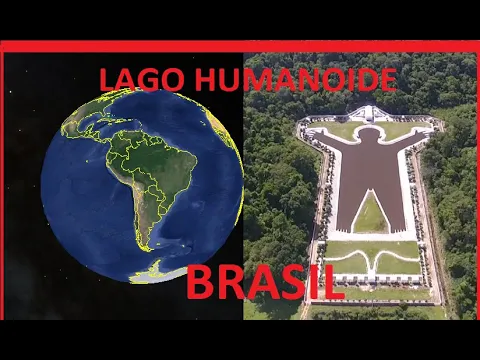
Even with this exposure, no official investigation has been conducted, and the origin of the construction remains unknown.
Brazil has other phenomena visible by satellite, but the lake of Iacanga stands out for being a contemporary mystery
The Brazilian territory presents various phenomena that stand out when observed from space. In Acre, pre-Columbian geoglyphs reveal ancient geometric structures. In Bahia, center pivot irrigation systems form perfect circles visible from satellites. In Maranhão, the Lençóis Maranhenses create unique natural patterns.
However, the lake of Iacanga differs by being a relatively recent construction, with no known authorship and no documented explanation.
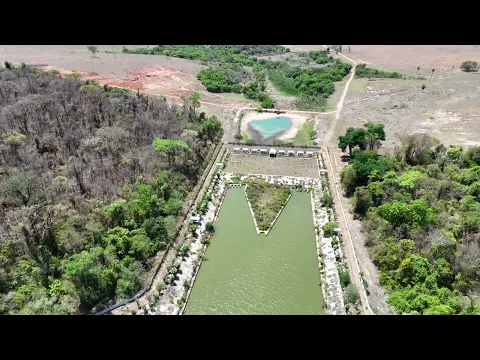
According to available records, the property is located in a rural area with restricted access.
Platforms like Wikimapia identify the location as “Man-shaped lake,” but do not provide additional information about ownership, use, or history.
There is no evidence that the location is open to public visitation, and there are no reliable records of organized tourist access.
Now we want to know: what do you believe this human-shaped lake seen from space is?
The Humanoid Lake of Iacanga raises a broader question about human structures that exist outside of official records.
Even though it is visible by satellite and widely shared on the internet, its origin remains unknown.
Open Google Earth, enter the coordinates -21.8052691, -49.090017 and observe the image. What do you think is being represented there?







Seja o primeiro a reagir!