





 Portuguese
  English
  Spanish
  4 min of reading
  0 comments


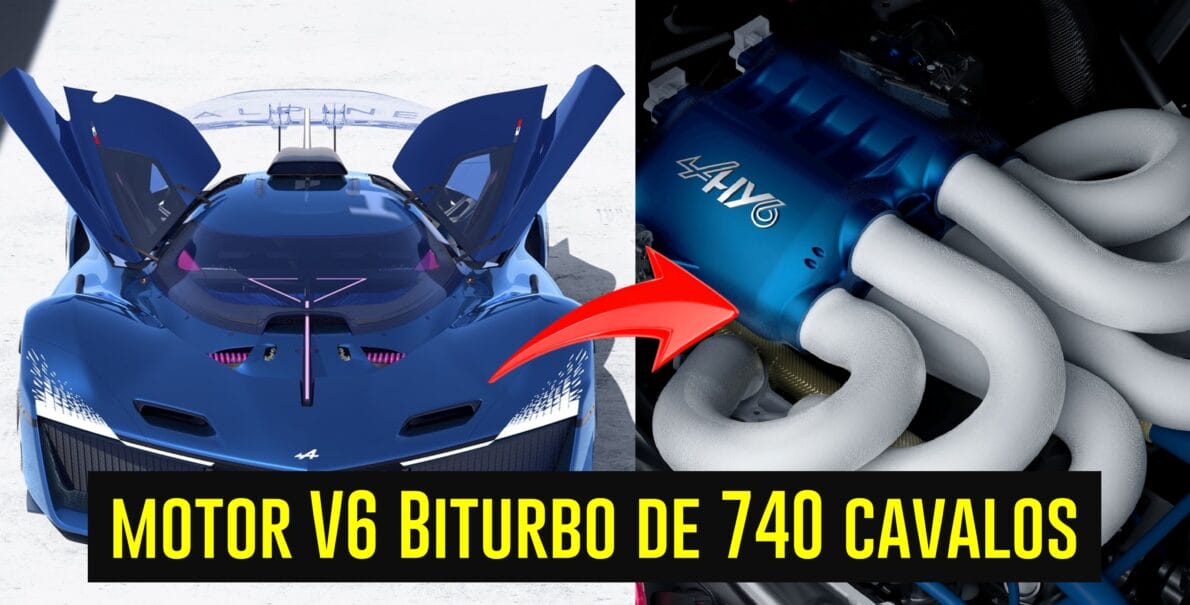
The Hydrogen Supercar from Alpine, with a 740 HP V6 Twin-Turbo Engine and a Top Speed of 330 km/h, Promises to Revolutionize the Automotive Market
The Alpine Alpenglow has returned to the spotlight as the main attraction at the 2024 Paris Motor Show. Originally unveiled as a concept in 2022, the model now returns with a revolutionary “Hy6” V6 twin-turbo engine, promising to elevate hydrogen combustion technology to a new level.
The main highlight of this supercar is not just its futuristic look or aggressive aerodynamics, but the engine developed from scratch to run on hydrogen. With over 740 horsepower, the Alpenglow transforms into a track beast, challenging expectations and bringing the dream of a more sustainable automotive future closer.
The Return of a Hydrogen-Powered Icon
The debut of the Alpenglow in 2022 focused on showcasing an innovative vision for the future of Alpine, especially regarding sustainability. However, the specific details of the hydrogen-powered engine were kept secret. This, of course, only increased public curiosity.
-
The Federal District bets on innovation and sustainability by launching a hydrogen-powered bus on a new tourist route, promising to reduce emissions and transform the urban experience for residents and visitors.

-
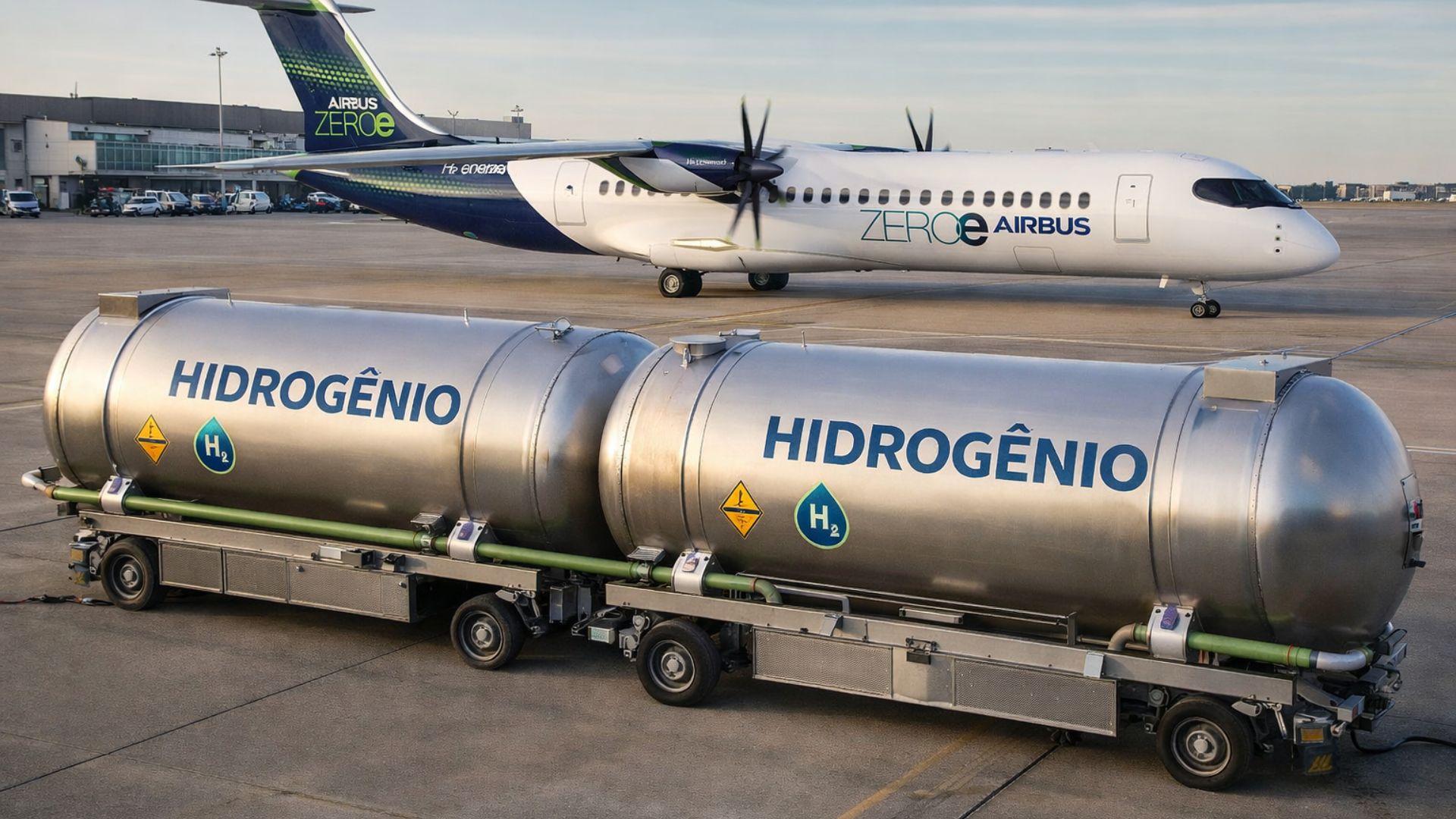
Hydrogen gains strength in aviation with Airbus and its fuel cell aircraft, potentially paving the way for sustainable flights, reduced environmental impact, and a new energy era in global air transport.
-
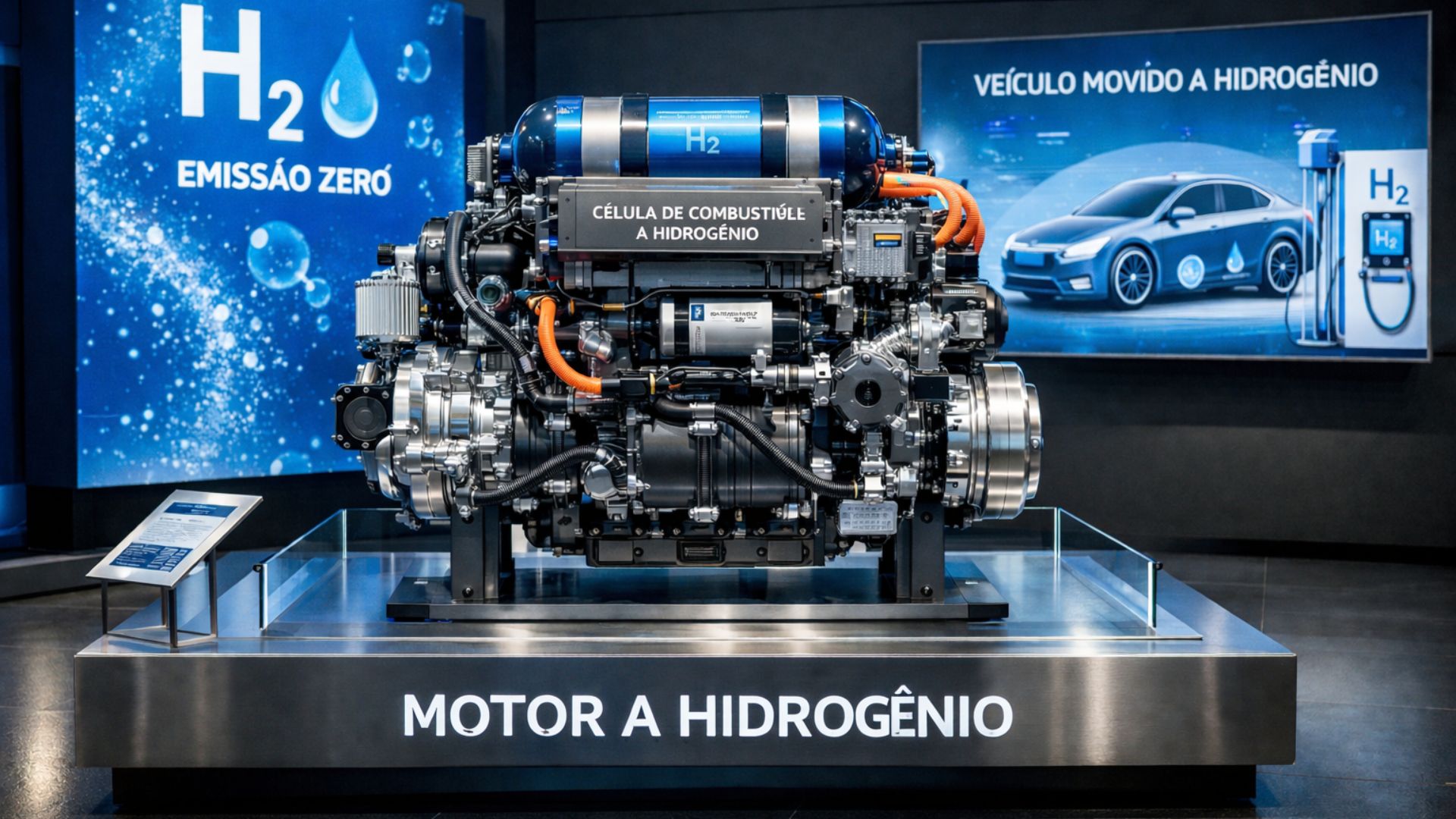
Hydrogen Engine Promises to Revolutionize Automotive Market and Creates a New Technological Horizon, But Economic Challenges Explain Global Resistance from Manufacturers
-
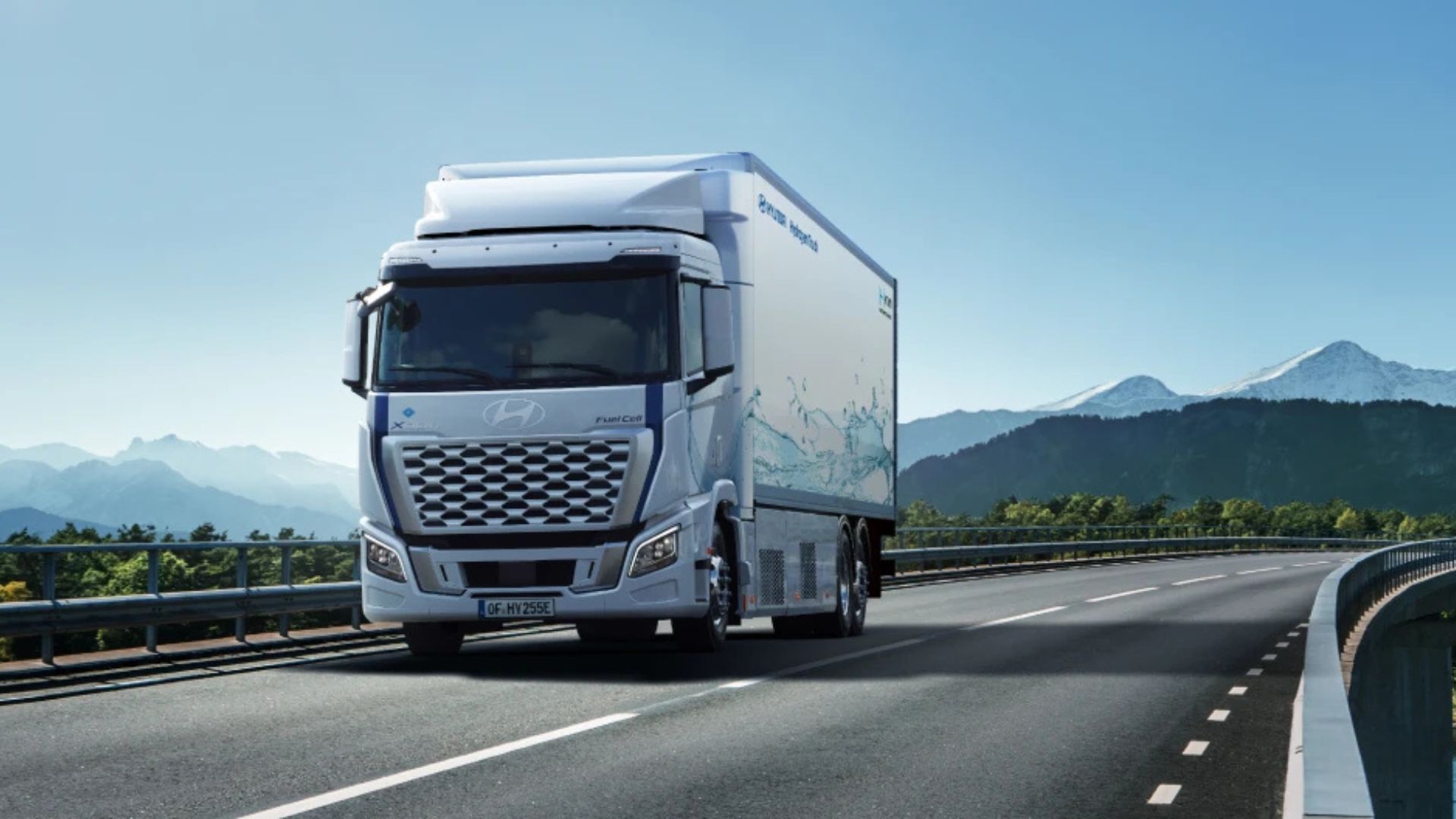
Hyundai XCIENT Fuel Cell Reaches 20 Million Km in Europe in Sustainable Logistics: Historic Milestone for Hydrogen Truck Fleet and Advancement of Global Clean Mobility

When the car made its first dynamic appearance at the 6 Hours of Spa-Francorchamps in 2023, it was equipped with a 340-horsepower four-cylinder turbo hydrogen engine, the so-called “Hy4.” Although already impressive, it became clear that Alpine still had something more significant in development.
The introduction of the Hy6 V6 engine at this year’s event places the Alpenglow in a completely new category. Bruno Famin, vice president of Alpine Motorsports, commented: “With the development of this brand new Hy6 V6 engine, we are demonstrating our commitment to hydrogen research, which may herald motorsport applications with high-performance levels.”


A Detailed Look at the Hy6 V6
The Hy6 engine is not only more powerful; it was specifically designed for hydrogen combustion, differing from the Hy4, which was still based on modified gas engines. Under a glass panel at the Paris Motor Show, the Hy6 was displayed as a true technological masterpiece technological.
With a solid aluminum engine block, dry sump, and cylinders arranged at a 100° angle, this engine is optimized for high rotation and performance. Details like the “super square” cylinders and the two turbochargers ensure that power is delivered consistently. In addition, the three hydrogen tanks strategically placed throughout the cockpit ensure balance and safety.
Hydrogen is stored at a pressure of 700 bars and injected in a regulated manner into the combustion chamber. Alpine has meticulously worked to optimize the combustion process, using water injection to minimize the risk of detonation and pre-ignition, common challenges in hydrogen combustion engines.
Performance and Sustainability
While performance is the most eye-catching aspect, the Alpenglow also represents an important advance toward reducing carbon emissions in motorsport. The combustion of hydrogen, unlike conventional gasoline engines, emits only water vapor as a byproduct.
According to Famin, the sound of the Hy6 V6 engine is something that excites both drivers and spectators, maintaining the essence of traditional supercars but with a much smaller environmental footprint. “A solution to continue nurturing the passion for motorsport using a very noble V6 with remarkable specific power and a sound to thrill drivers and spectators.”
Sophisticated Design and Aerodynamic Evolution
In addition to mechanical innovations, the Alpenglow has received subtle improvements in its design that optimize aerodynamics. The addition of a central fin at the rear improves vehicle stability at high speeds, while the side blades and the removal of parts of the body panel reduce weight, making the car even more efficient.
The futuristic style of the Alpenglow continues to impress, with its “Specular Blue” carbon body and rear lights that emit a cool look. The exhaust tips, in turn, release only water vapor, reinforcing the sustainability of hydrogen combustion.
The Future of Clean Mobility
Alpine, a subsidiary of Renault, is determined to expand the horizons of hydrogen combustion technology. Renault aims to achieve carbon neutrality across Europe by 2040 and globally by 2050, exploring not only hydrogen but also electric battery technologies and hydrogen fuel cells.
The Alpenglow, with its Hy6 V6 engine, is proof that the future of motorsport can be exciting, powerful, and environmentally conscious. Alpine’s bet on hydrogen combustion may be the way to ensure that motorsport continues to offer excitement and speed without sacrificing the planet.
The combination of performance and sustainability makes the Alpenglow not just a promise but a tangible reality that points to a future where hydrogen-powered sports cars are part of the everyday reality of racetracks and, who knows, the streets.









Seja o primeiro a reagir!