





 Portuguese
  English
  Spanish
  3 min of reading
  1 comment


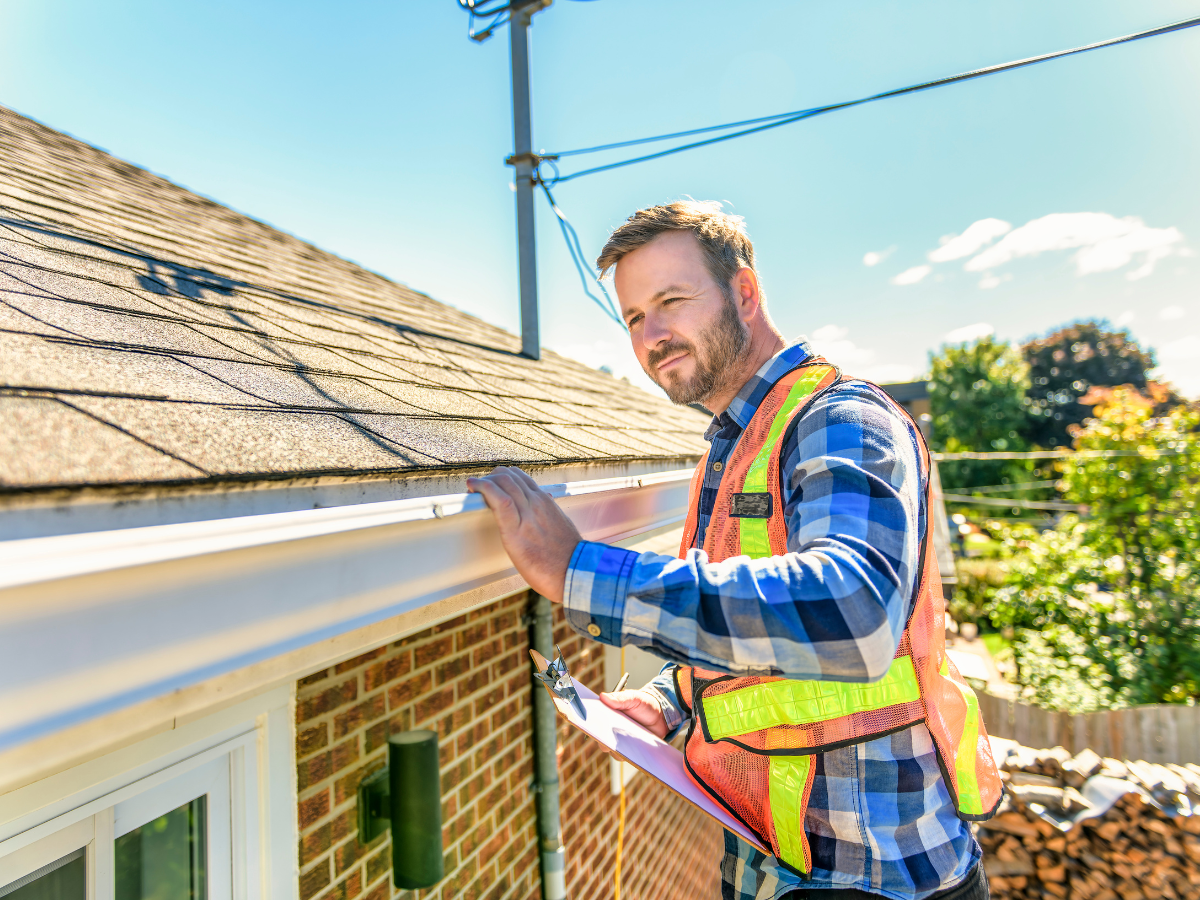

The Slope of the Roof Directly Affects the Drainage of Rainwater, Thermal Comfort, and the Longevity of the Building. The Wrong Choice Can Cause Leaks, Overloads, and Even Devaluation of the Property.
The slope of the roof is not just an aesthetic issue — it is one of the most determining elements in the efficiency, durability, and safety of any construction.
Whether in houses, commercial buildings, or industrial warehouses, correctly defining the pitch angle of the roofing is essential for the good performance of the work over time.
An inadequate calculation can cause leaks, compromise the structure, and result in high maintenance costs.
-
Naval reform transforms 40-year-old sailboat purchased for $5,000 into a residential yacht: structural repair of hull/keels, Awlgrip painting, engine replacement with Beta Marine, autopilot, sealing of chain plates, and complete interior retrofit for $25,479.

-
Firjan proposes to ANTT the acceleration of works on BR-101 in Northern Fluminense to improve logistics, urban mobility, and regional competitiveness.

-
Couple that traveled by Kombi through many countries moves forward with the land in the south of SC: machines level the refuge in the woods, reinforce embankments, set up a construction camp, and train chainsaw operators to speed up the building process.

-
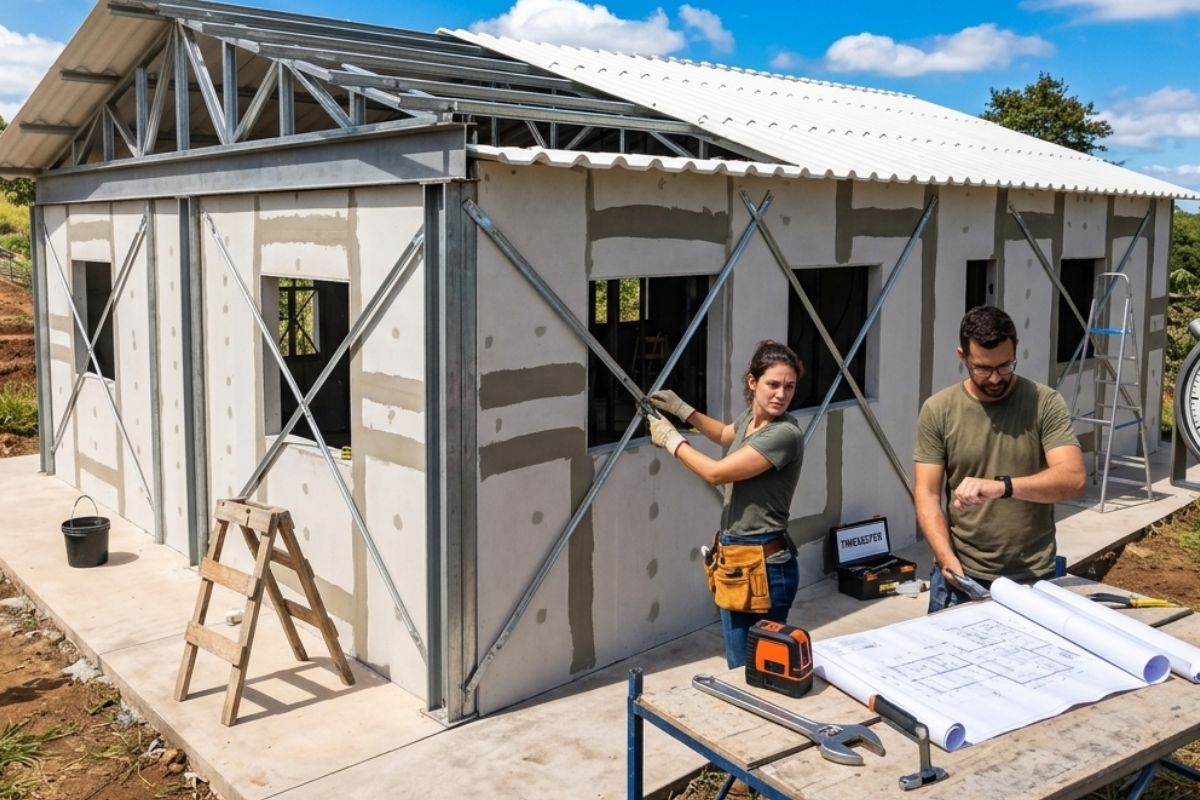
Couple leaves the city and builds a steel frame house in the countryside: sandwich roof, beams and columns secure the roof, X-braces prevent the walls from moving, and the 3-month deadline tightens.
Understand What Roof Slope Is and Why It Is So Important
Also known as pitch or slope, the roof slope represents the angle that the covering makes in relation to the horizontal line.
This factor determines how rainwater will be drained, preventing accumulation on the surface and preventing problems such as leaks, dripping, and material deterioration.
In addition to protecting the structure of the building, the correct angle contributes to thermal performance, natural ventilation, and even the aesthetics of the property.
How to Calculate the Roof Slope?
The slope calculation can be done in percentage (%) or degrees (°). The basic formula is simple:
Slope (%) = (Height / Length) x 100
For example, if a roof is 1 meter high and 5 meters long horizontally, the slope will be:
(1/5) x 100 = 20%
However, each type of tile has a minimum slope recommended by the manufacturer. Ignoring this specification can compromise the entire roof structure.
What Is the Purpose of Roof Slope?
The main function of the slope is to ensure the efficient drainage of rainwater, directing it to gutters and drains, avoiding leaks and dangerous accumulations. But its benefits go beyond:
- Preserves the Structure: Prevents water from pooling, protecting beams, battens, and tiles from rotting and oxidation.
- Natural Ventilation: In well-designed projects, it can favor air circulation and improve thermal comfort.
- Thermal and Acoustic Performance: Facilitates the use of insulation and helps maintain a more pleasant indoor environment.
- Architectural Aesthetics: Contributes to the visual style of the building, whether classic or modern.
What Influences the Choice of Roof Slope?
Several factors determine what the ideal slope will be:
- Type of Tile: Each model requires a specific angle.
- Regional Climate: Areas with heavy rains require steeper slopes.
- Architectural Style: Influences whether the roof will be visible or embedded.
- Use of Ceilings or Attics: Taller roofs can create useful spaces.
- Technical Standards: Such as ABNT NBR 15575 and NBR 5626.
Types of Tiles and Their Recommended Slopes
Each type of tile requires a specific slope to ensure efficiency and safety. Here are the main ones:
Ceramic Tile (Clay): Between 30% and 35%, can reach 45% in regions with heavy rains.
Concrete Tile: Also requires 30% to 35%, due to porosity and overlap.
Metal Tile (Zinc, Galvalume): Can be installed with only a 5% slope, ideal for warehouses.
Fiber Cement Tile: Requires between 10% and 15%, depending on the length of the pieces.
Built-in Roof (Platibanda): Although it looks flat, it should have a slope of 2% to 3%, sufficient for drainage.
Advantages and Disadvantages of Roof Slope
Advantages:
- Efficient drainage of water;
- Greater durability of materials;
- Improvement of thermal and acoustic comfort;
- Possibility of utilizing internal space;
- Enhanced aesthetics according to architectural style.
Disadvantages:
- Higher material consumption in tall roofs;
- Accessibility issues for maintenance;
- Susceptibility to wind at steep angles;
- Increased final height of the building, which can impact structural cost.
What Can Happen If the Slope Is Done Incorrectly?
Errors in calculating the roof slope result in serious impacts:
- Constant leaks and presence of mold in indoor environments;
- Wind force acting inadequately on the tiles, potentially dislodging them;
- Overload on support structures, such as beams and battens, compromising safety;
- Devaluation of the property in technical inspections or market evaluations;
- Frequent renovations, leading to financial losses with rework and materials.
Source: OBRAMAX








Informações bastante úteis. E também um recorde mundial de rococó. Tanta repetição deve ser um tipo novo de redundância pleonástica. Uma outra matéria pode falar sobre os efeitos da inclinação do telhado no conforto térmico da residência e na manutenção de rede elétrica, cabos de tv e internet, e sistema hidráulico. Em nome da economia, eventualmente da estética, a nossa engenharia produz absurdos inomináveis na cobertura das casas, e quanto mais popular a construção maior é o desprezo pelo morador.