





 Portuguese
  English
  Spanish
  3 min of reading
  1 comment


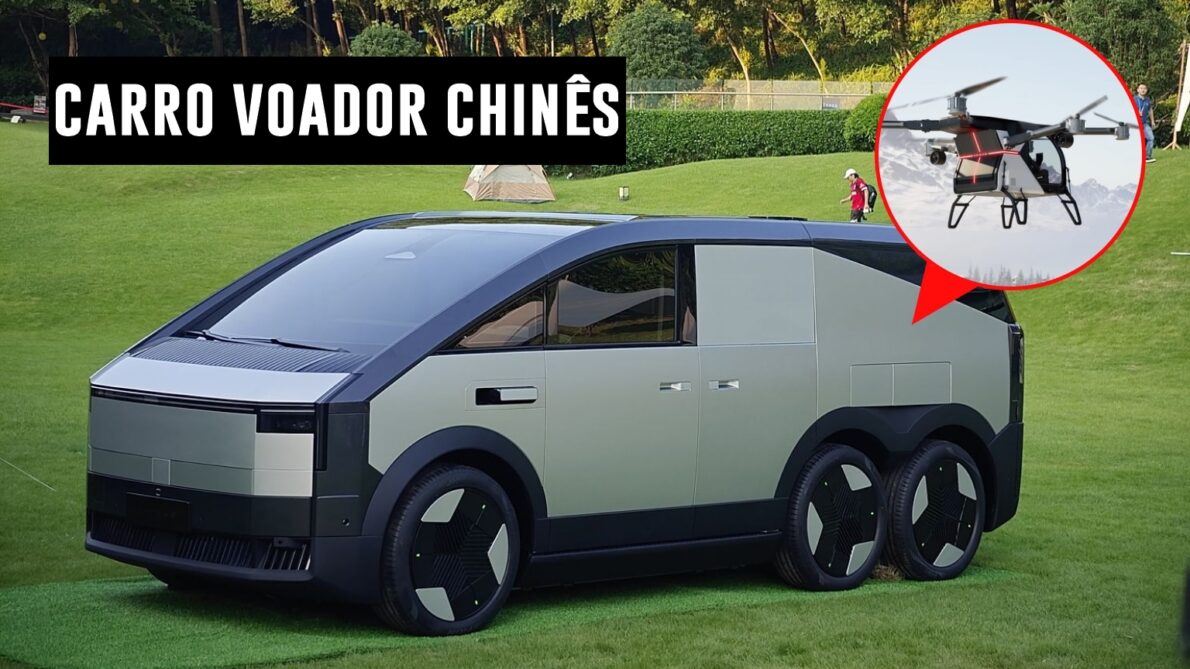

The Most Advanced Flying Car in the World, Valued at 280 Thousand Dollars, Has Already Accumulated More Than 3,000 Orders Even Before the Pre-sale. Check Out All the Details of This Technological Phenomenon
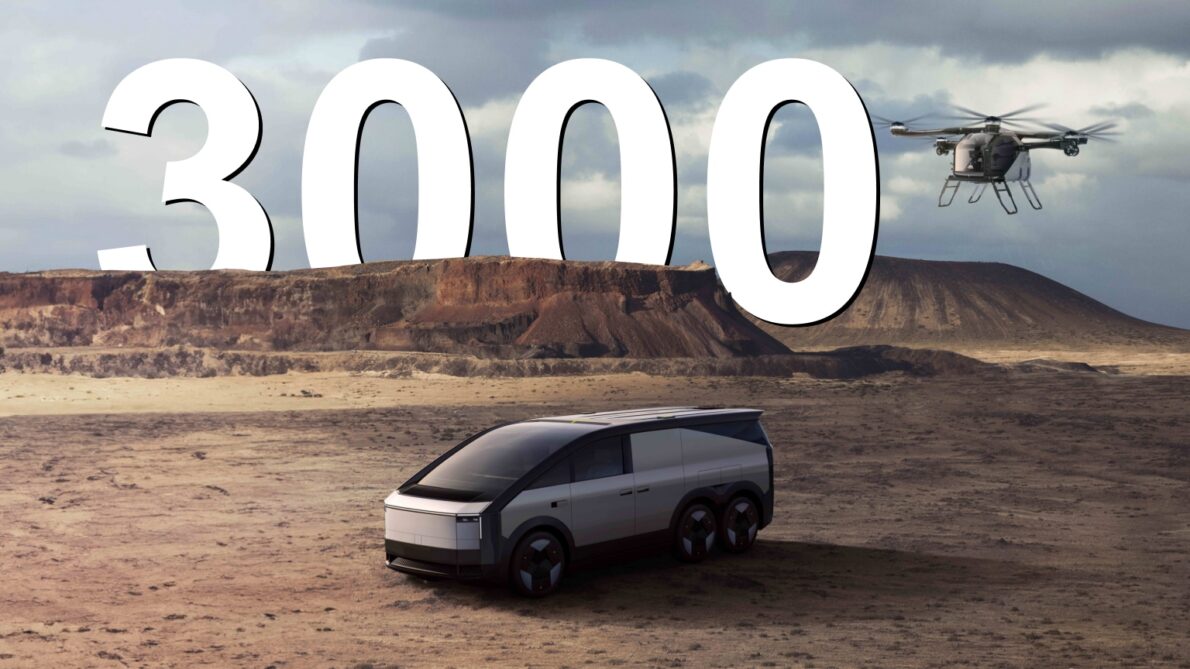
The future of personal aerial transportation is closer than we think. With the advancement of flying cars, one of the companies that has stood out the most is Xpeng AeroHT. Its latest launch, the Xpeng Land Aircraft Carrier, a modular flying car, has already captured public attention with more than 3,000 orders even before the start of pre-sales.
Even without a factory to produce them, the expectation is that experimental production will begin in July 2025. The word “innovation” gains a new meaning with this milestone, driving interest in this new concept of aerial mobility.
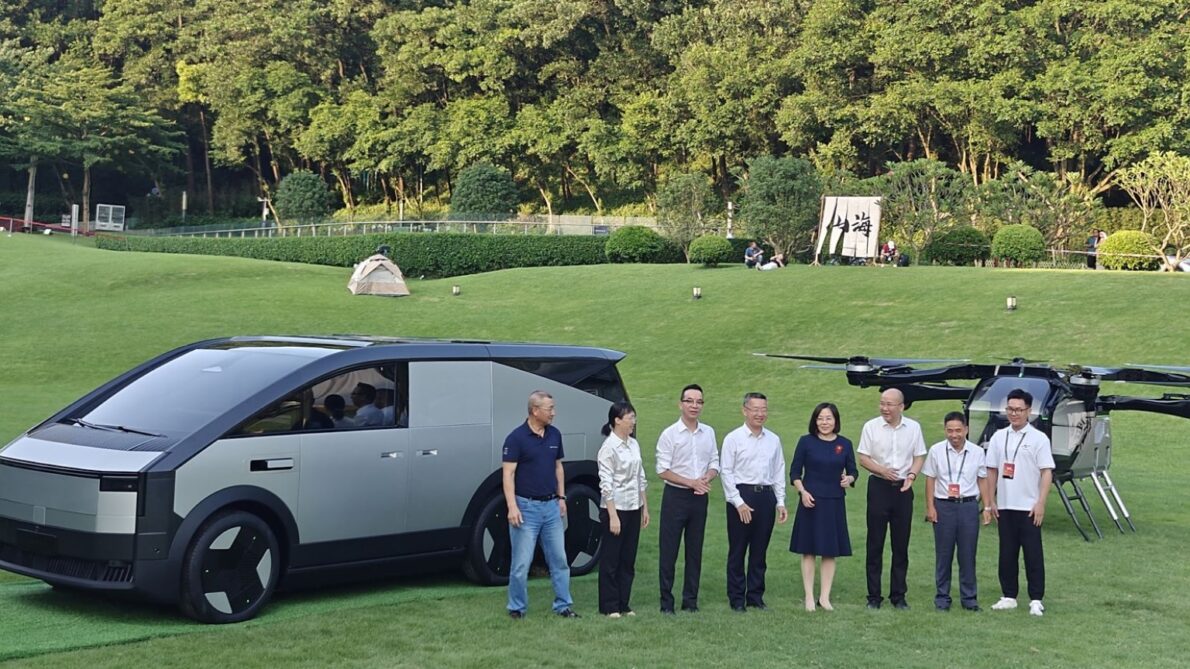
Xpeng Land Aircraft Carrier: A Modular Flying Car
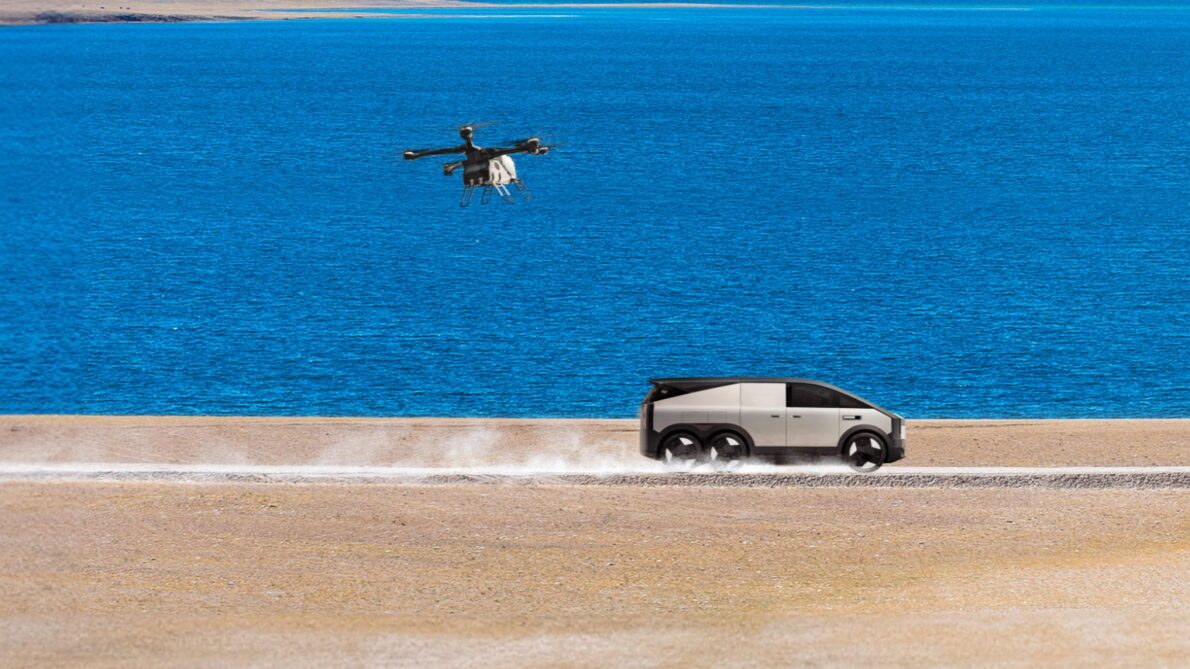
The Xpeng Land Aircraft Carrier is not just a flying car, but a combination of cutting-edge technology and futuristic design. The modular vehicle consists of an aircraft and a transporter.
-
A French brand placed a car on four huge red balloons to prove that its suspension made the vehicle “float,” and the surreal scene became one of the most iconic and unusual images in automotive history.

-
Jeep Avenger begins production in Brazil, debuting as the brand’s new entry-level SUV and inaugurating an unprecedented phase by becoming the first national Jeep manufactured outside of Goiana, as part of a R$ 3 billion plan.
-
Costing R$ 12,490, the new Shineray Urban Lite 150 “cheap one” arrives in Brazil with a CVT transmission, digital dashboard, and LED lights, making it more affordable than the Biz and targeting those who want to abandon the bus.
-
Ducati brings to Brazil the Superleggera V4 Centenario: 228 hp that become 247 with a track kit, carbon fiber and carbon-ceramic brakes, estimated price between R$ 1.5 and 2 million, deliveries only in 2027.

The transporter, an EREV (Extended Range Electric Vehicle) with three axles and 5.5 meters in length, is capable of carrying the aircraft on board and features a high-voltage system of 800 V, allowing for an impressive range of up to 1,000 km (CLTC).
The minimalist and modern design of the Land Aircraft Carrier is just one of the attractions of this vehicle, which promises to transform the way we move.
Additionally, the first public flight is scheduled for the Zhuhai Air Show in November this year, an event highly anticipated by car and technology enthusiasts.
The Market for Flying Cars
Founded in 2013, Xpeng AeroHT emerged with the ambition of creating the first affordable and safe flying car for use on roads and in the air.
With financial support from Xpeng’s CEO, He Xiaopeng, the company began developing prototypes that have significantly evolved over the years.
In 2021, the 6th generation flying vehicle was introduced, promising to be the first flying car with deployable rotors on the roof, enabling both takeoff and use on regular roads.
The success of the Land Aircraft Carrier reflects the growing interest in this segment. Even before the official pre-sales began, more than 3,000 people had already expressed interest in purchasing the vehicle.
This is remarkable, especially considering that the price of the modular flying car is around 2 million yuan (approximately 280,000 USD).
To build a robust ecosystem, Xpeng AeroHT has signed contracts with over 70 airfields. The idea is to offer a complete range of flight operation solutions for users, including in-flight support, user services, and even the purchase of the car.
Additionally, the company intends to select partners to provide flight training and handle vehicle manufacturing.
Challenges and Expectations for the Future
Although interest in the Xpeng Land Aircraft Carrier is high, the road ahead will not be easy. Two major challenges stand out. The first is the absence of clear laws regulating the use of flying cars in urban environments.
Current regulations do not yet cover this new category of transportation, which may delay the widespread adoption of this type of vehicle. The second challenge is the niche market, which will, at least initially, be restricted to high-income consumers.
Still, expectations for the future of the Land Aircraft Carrier are positive. Xpeng AeroHT is preparing to begin experimental production in July 2025 and anticipates mass production for 2026, with an annual production capacity of 10,000 units.
This shows that the company is confident in the potential of the flying car, even in the face of adversity.
The future of urban mobility could be reimagined with the success of vehicles like the Xpeng Land Aircraft Carrier. If Xpeng can overcome regulatory obstacles and expand the market beyond the initial niche, we are on the brink of a transportation revolution, with flying cars becoming a reality in our daily lives.










**** de reportagem!!! Cadê o vídeo do carro voando!!! Tinha que colocar logo de cara para a gente ver!!!