Portuguese
  Spanish


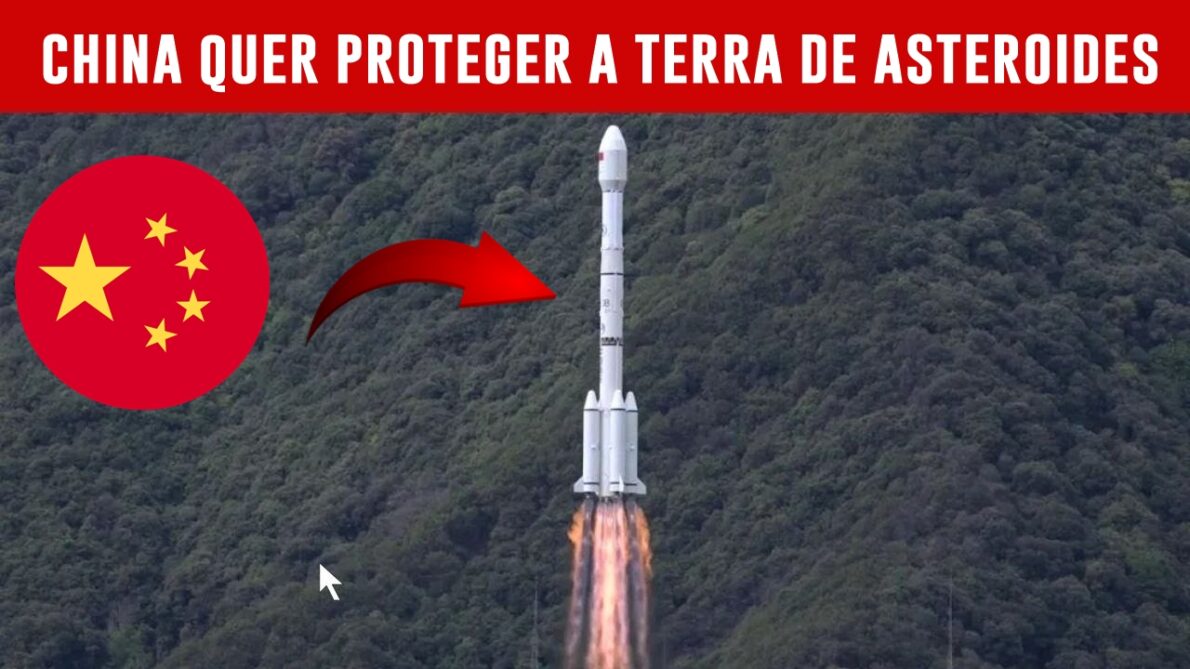

In A Historical Alliance, China And The USA Join Forces To Protect The Planet From Space Threats. Learn How They Are Preparing To Protect Earth From Asteroids
In a statement, China announced its willingness to join forces with the United States and other countries to protect the Earth from asteroids. The announcement came on the same day that asteroid 2024 RW1 entered the Earth’s atmosphere, burning approximately 25 kilometers above the Philippines on September 5. This event highlighted the urgency and relevance of preparing for these eventualities, with China and the USA working together to protect the planet.
Are Asteroids A Real Threat?
Although most asteroids that enter the atmosphere disintegrate before causing damage, the possibility of a significant impact cannot be ignored. A rare but devastating event could result in catastrophic consequences.
Historical examples reinforce this concern: around 65 million years ago, an asteroid is believed to have impacted the Gulf of Mexico, contributing to the extinction of the dinosaurs. A more recent case was the Tunguska incident in 1908 in Siberia, when an astronomical object caused the destruction of 80 million trees over an area of 2,000 square kilometers.
-
She spent 73 years breathing inside an iron lung, survived the aftereffects of polio, and became the last woman in the United States dependent on the equipment before dying at 78 years old.

-
Brazilian students created a $1 filter using pine bark, cotton, and 3D-printed parts to clean cassava wastewater, reduce the toxicity of a hazardous waste, and transform contaminated water into biofertilizer.

-
Astronaut from Artemis II steps down after mission to the Moon and decision surprises after a record of 406,771 km, a historic 10-day journey, and an unprecedented achievement for Canada.

-
A fossil kept for years in a small museum in Montreal concealed 450-million-year-old soft tissue, a discovery that has only happened once before in history.


With technological advances, human capabilities to monitor and predict the approach of asteroids have evolved significantly. Previously, humanity was at the mercy of these celestial bodies, lacking the means to predict their arrival or defend against a potential impact.
Today, thanks to advanced telescopes and improvements in telecommunications, it is possible to monitor space for threats. This continuous surveillance allows for the timely detection of asteroids, providing an opportunity for preventive actions.
Global Initiatives To Protect Earth
The United States, through NASA, is already involved in planetary defense initiatives. In September 2022, the DART mission (Double Asteroid Redirection Test) was launched with the goal of altering the course of the asteroid Dimorphos by colliding a spacecraft with it.
The European Space Agency is also involved, with the Hera mission, which will begin in October 2024, focused on studying the impacts of the DART mission on the Didymos binary asteroid system.
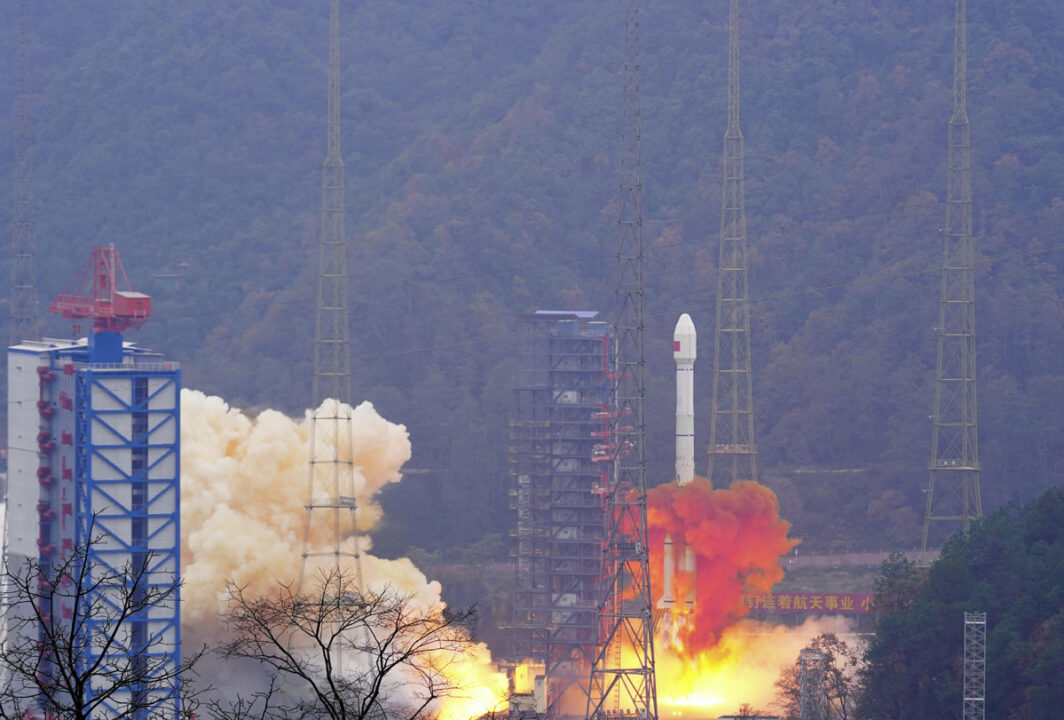
China, in turn, plans to adopt a similar approach, called “escort plus impact plus escort,” a concept that combines impact to deflect asteroids and continuous monitoring, aligning with what NASA and the European Space Agency have been doing.
China has been part of the International Asteroid Warning Network since 2018 and was monitoring asteroid 2024 RW1 during its trajectory above the Philippines.
The creation of international networks like the Asteroid Warning Network highlights the importance of global collaboration to protect the planet. This network involves cooperation among various observatories, scientists, and space agencies worldwide, tracking near-Earth objects and predicting potential impacts.
Now, with increasingly advanced technologies, China claims it is ready to work alongside its international partners to defend Earth against asteroids. Collaboration among countries and the development of effective technologies to detect and deflect these celestial bodies are crucial steps to ensuring the planet’s long-term safety.