





 Portuguese
  English
  Spanish
  4 min of reading
  0 comments


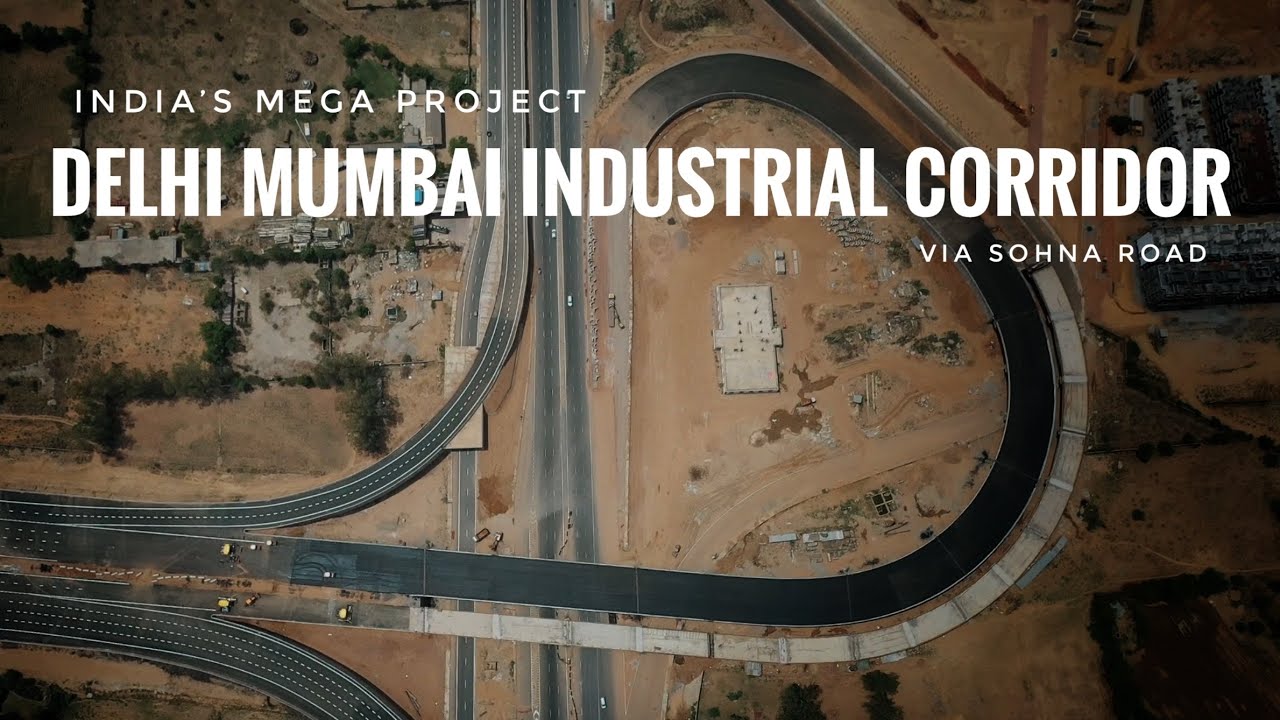
India Invests Billions in the Delhi–Mumbai Industrial Corridor, Connecting Indian Ocean Ports to the Interior, Accelerating Exports and Trying to Redesign Global Trade.
For decades, India has dealt with a paradox: one of the largest emerging industrial economies in the world, but hindered by logistical bottlenecks that made exports more expensive, delayed production chains, and limited its global competitiveness. To address this structural problem, the country launched one of the largest infrastructure bets of the 21st century: the Delhi–Mumbai Industrial Corridor (DMIC), a megaproject that spans the Indian territory for about 1,500 kilometers and promises to transform the way goods move between the interior and the coast.
The goal is ambitious. India aims to drastically reduce the time and cost of freight transportation, connect industrial zones directly to strategic ports on the Indian Ocean, and create a productive axis capable of rivaling the major industrial corridors of China and Southeast Asia.
What Is the Delhi–Mumbai Industrial Corridor
The DMIC is a development corridor that links the capital region of New Delhi to the country’s largest financial hub, Mumbai, passing through six highly industrialized Indian states.
-
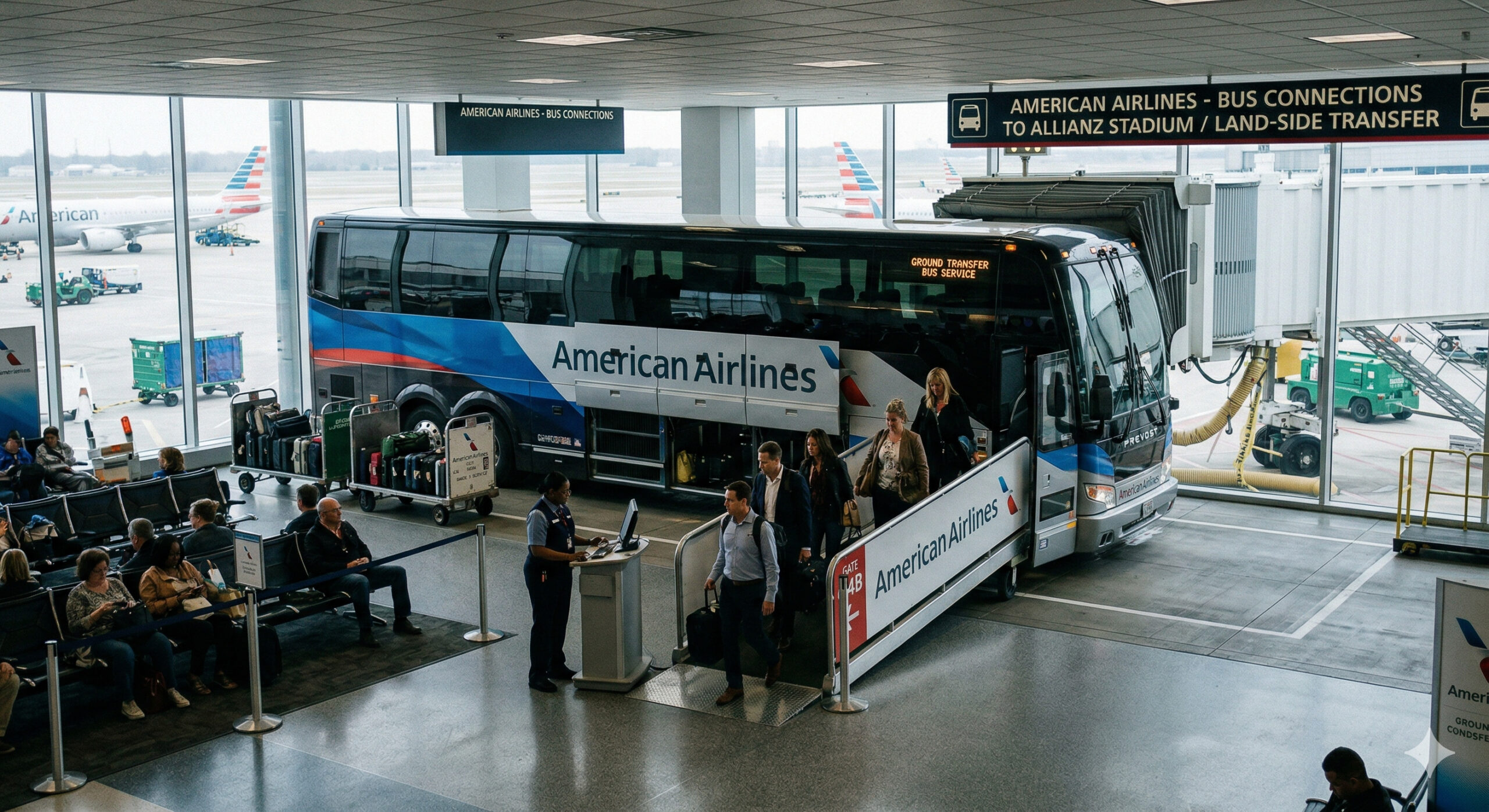
American Airlines starts selling trips as if they were flights, with check-in and baggage check at the airport, but on short routes, passengers board luxury buses connecting cities to major hubs in the U.S.
-
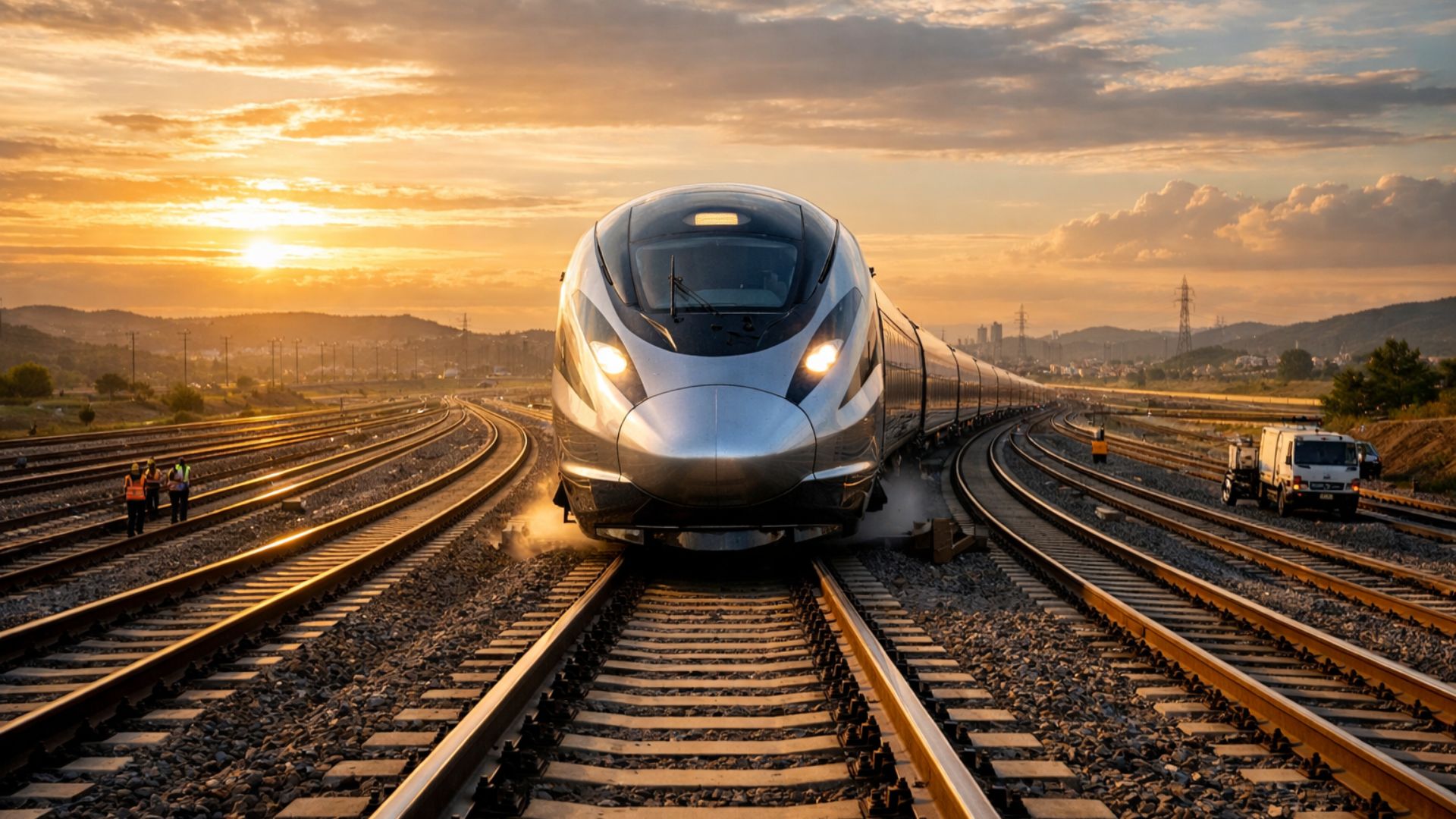
São Paulo surprises the world with a colossal railway network project that promises over 1,000 km of tracks, R$ 194 billion in investments, and 40 projects connecting the capital to the interior with fast and sustainable trains.
-
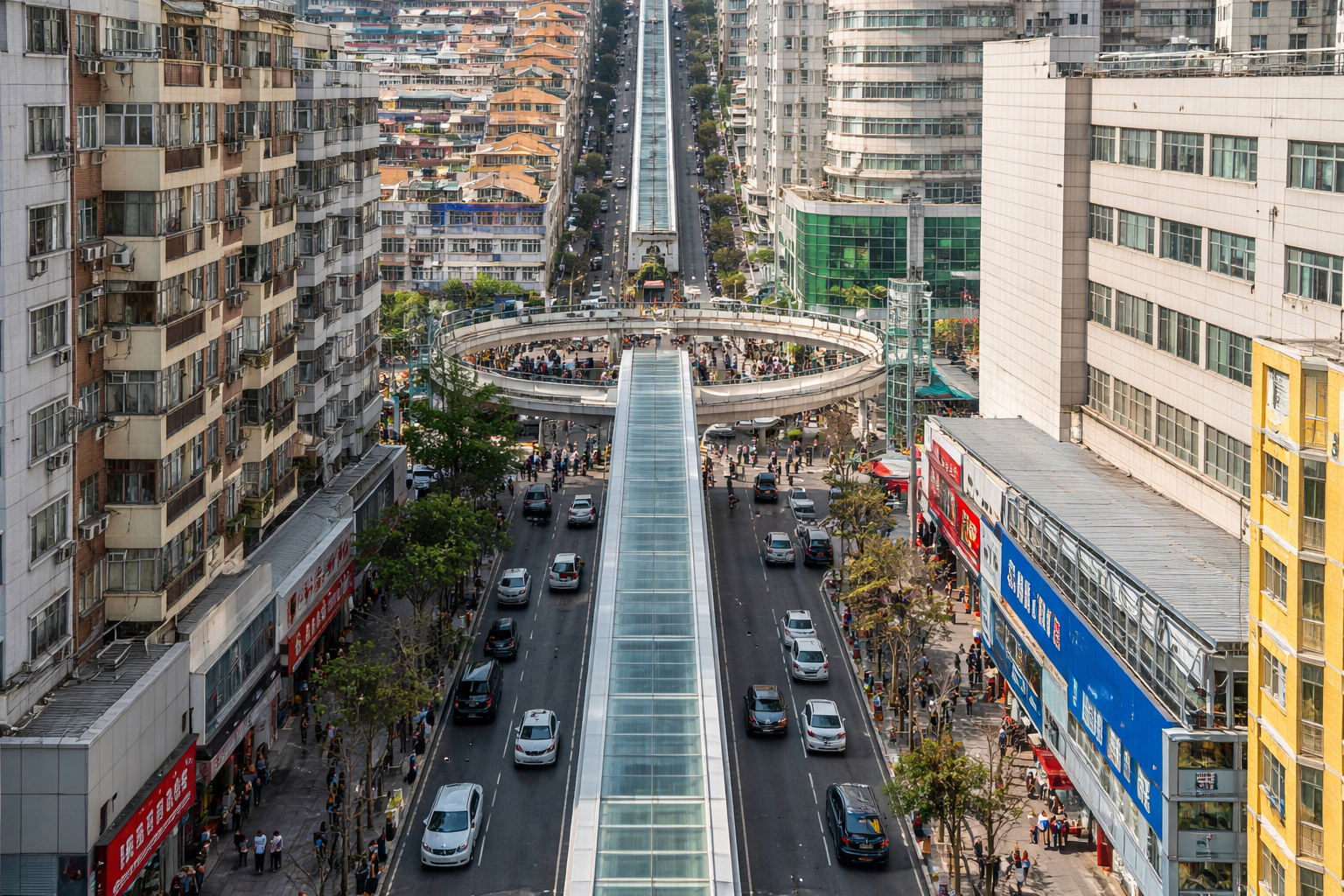
The world’s largest escalator, measuring 905 meters in China, reduces urban travel time from 1 hour to about 20 minutes and transforms mobility in mountainous regions with an engineering solution adapted to the terrain.
-
A R$ 300 million logistics giant is taking shape in Serra with over 100,000 m² and raises a question: how can this transform e-commerce and distribution in the state?
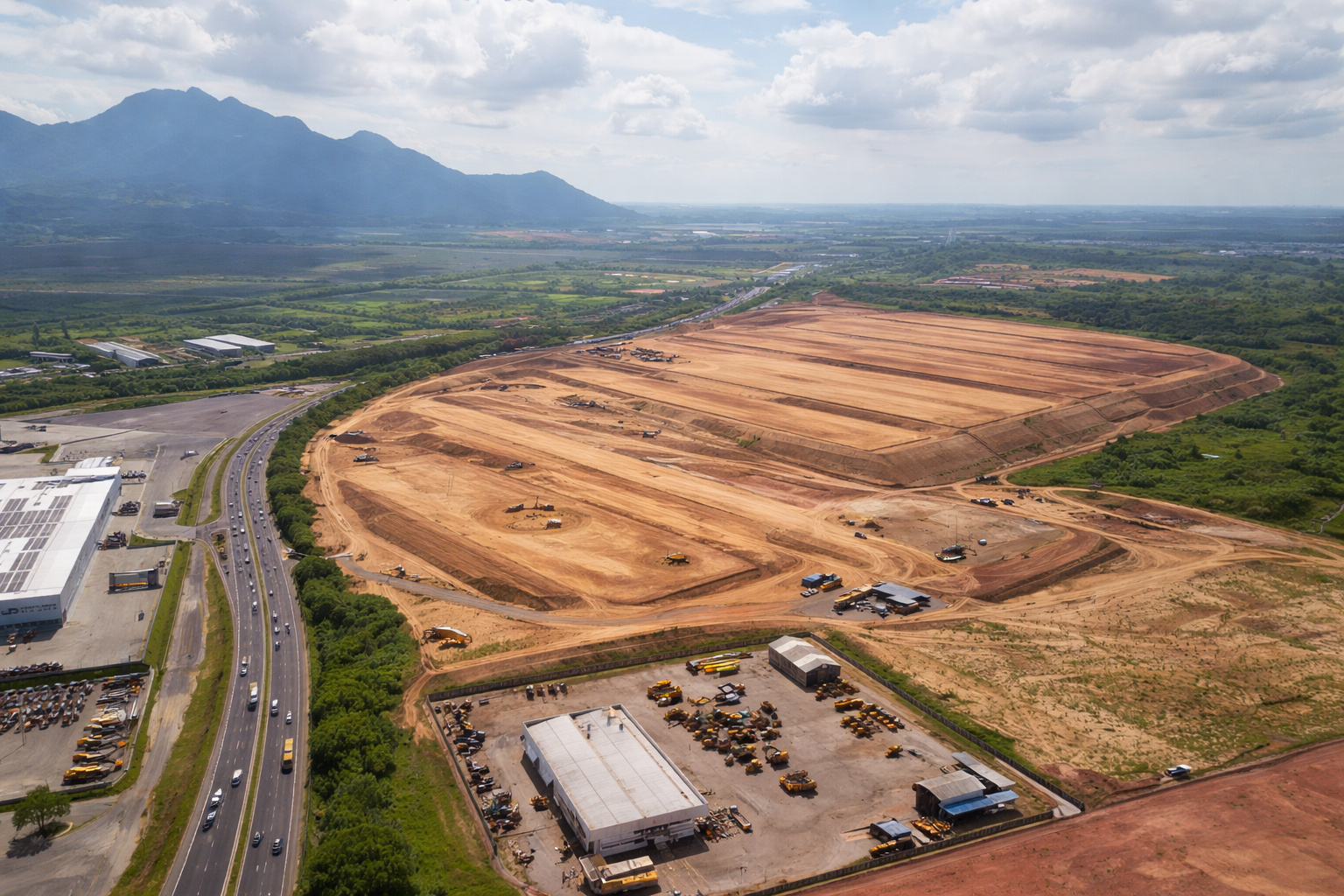

Along this axis, the government has planned the construction of integrated industrial zones, logistics cities, technology parks, dedicated freight railways, expressways, and dedicated energy infrastructure.
This is not just a railway or road. The project was designed as a complete system for production and distribution, in which factories, distribution centers, and ports operate in synchrony to accelerate exports.
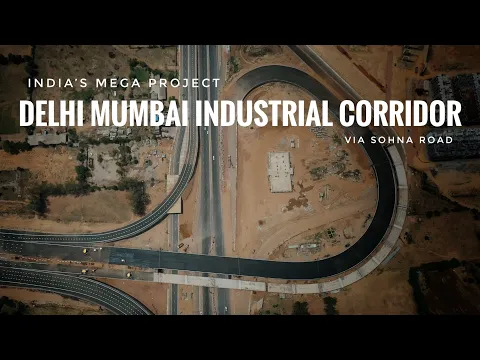

Financial and Territorial Scale of the Project
The total investment in the corridor is estimated at tens of billions of dollars, with participation from the Indian government, regional states, and international partners, especially Japan, which acts as one of the main financiers and technical advisors.
Throughout the 1,500 km of the axis, more than 20 planned industrial cities are expected, each focusing on specific sectors such as automobiles, electronics, chemicals, pharmaceuticals, textiles, and capital goods.
These cities are designed from the ground up to meet international standards in logistics, energy, and connectivity.
Dedicated Railways to Cut Days Off Transport
One of the central pillars of the DMIC is the Dedicated Freight Corridor (DFC), a railway exclusively for heavy freight, separated from passenger transport. In practice, this allows for longer, heavier, and faster trains operating in continuous flow.
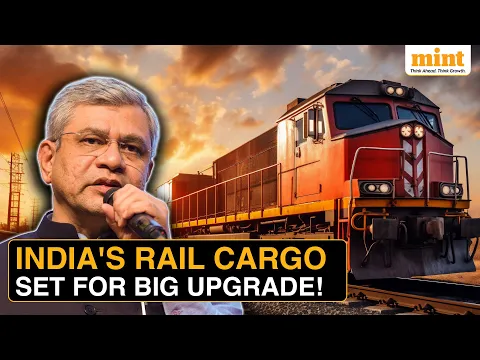
Before the corridor, goods produced in northern India could take several days to reach western ports, facing rail and road congestion. With the DFC, transport time can be reduced by up to 50%, cutting entire days off the logistics chain.
This reduction not only speeds up exports but also lowers costs, losses, and emissions associated with transportation.
Direct Connection to Indian Ocean Megaports
The corridor ends in Mumbai and connects directly to some of the largest ports in India, responsible for a significant share of the country’s foreign trade. This creates a continuous flow from the industrialized interior to the Indian Ocean, a strategic route to Europe, Africa, the Middle East, and Southeast Asia.
With this, India aims to position itself as a industrial hub and exporter, leveraging its geographic location to shorten shipping routes compared to East Asian competitors in certain markets.
Logistics Cities and Planned Industrialization
Unlike old models of disorderly growth, the DMIC bets on planned cities from scratch, with integrated industrial, residential, and logistical zoning. These areas feature dedicated energy, treated water, telecommunications, direct rail and road access, and specific policies to attract foreign investments.
The strategy is clear: reduce risks for companies, accelerate factory setups, and create productive environments comparable to the major industrial hubs in China that have dominated global trade in recent decades.
Direct Impact on India’s Global Competitiveness
The industrial corridor is a key piece in India’s ambition to become an alternative to China in global supply chains. In a scenario of geopolitical tensions, pandemic, and reorganization of global production, large multinationals are seeking to diversify their factories.
Without efficient logistics, this migration would be unfeasible. The DMIC emerges precisely to remove this historical obstacle, offering scale, speed, and predictability in the transport of goods.
Challenges and Delays Along the Way
Despite its magnitude, the project faces challenges. Land acquisition, environmental issues, coordination among states, and the technical complexity of integrating so many systems have delayed parts of the original schedule.
Still, important sections are already in operation or in advanced phases, and the Indian government maintains the corridor as a national strategic priority.
Like major logistical works of the past, the Delhi–Mumbai Industrial Corridor is not just infrastructure. It is an instrument of economic power. By reducing costs, accelerating exports, and attracting global factories, India expands its influence in international trade and reinforces its position as one of the leading economies of the 21st century.
It’s not just about connecting two cities. It’s about connecting India to the center of global value chains — and competing for space in a game that moves trillions of dollars every year.










Seja o primeiro a reagir!