





 Portuguese
  English
  Spanish
  3 min of reading
  1 comment


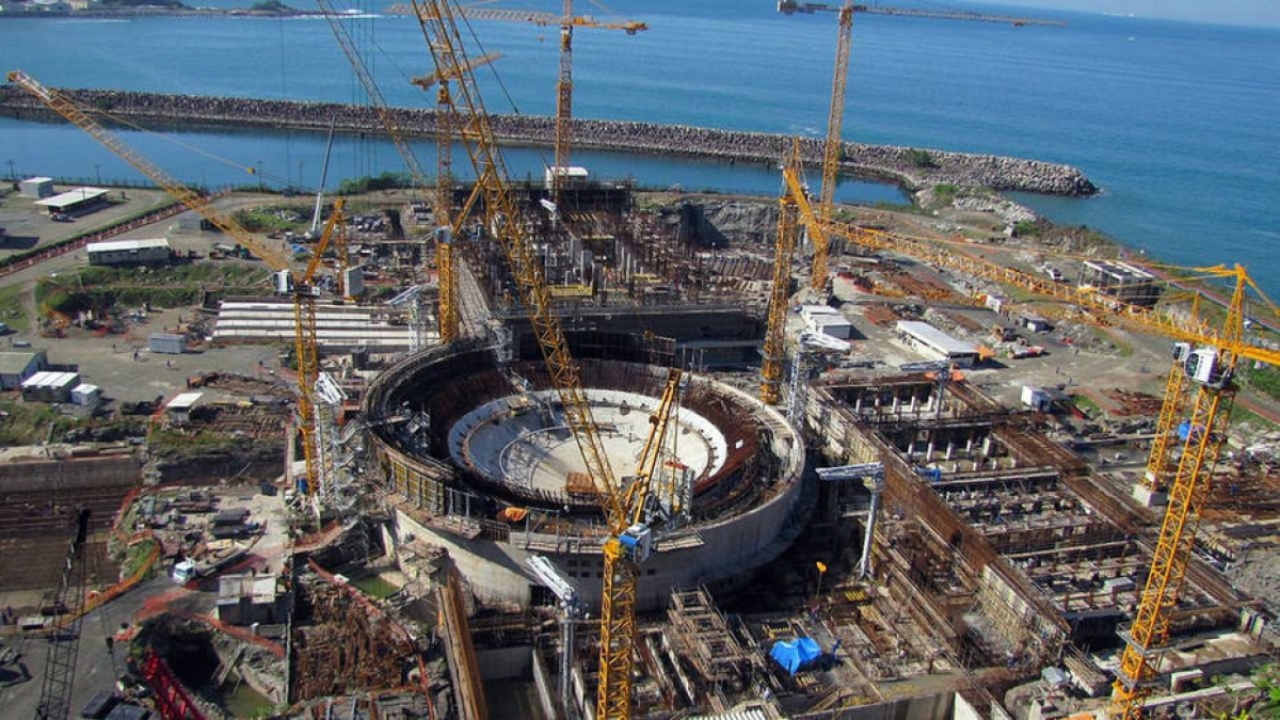


The Opening Of Nuclear Energy To The Private Sector In India Reignites The Debate On Investments And Pending Decisions In Angra 3
India has authorized the entry of private capital to expand its nuclear energy framework, in a move that has gained attention for involving a sector that, for decades, has remained state-controlled.
The move draws attention for contrasting with the situation in Brazil, where the decision regarding the continuation of Angra 3 remains undefined, as the sector discusses costs, management, and investment capacity.
What Happened And Why It Caught Attention
India has begun to open its nuclear energy industry to the private sector, signaling a change in direction on an issue historically linked to state control.
-
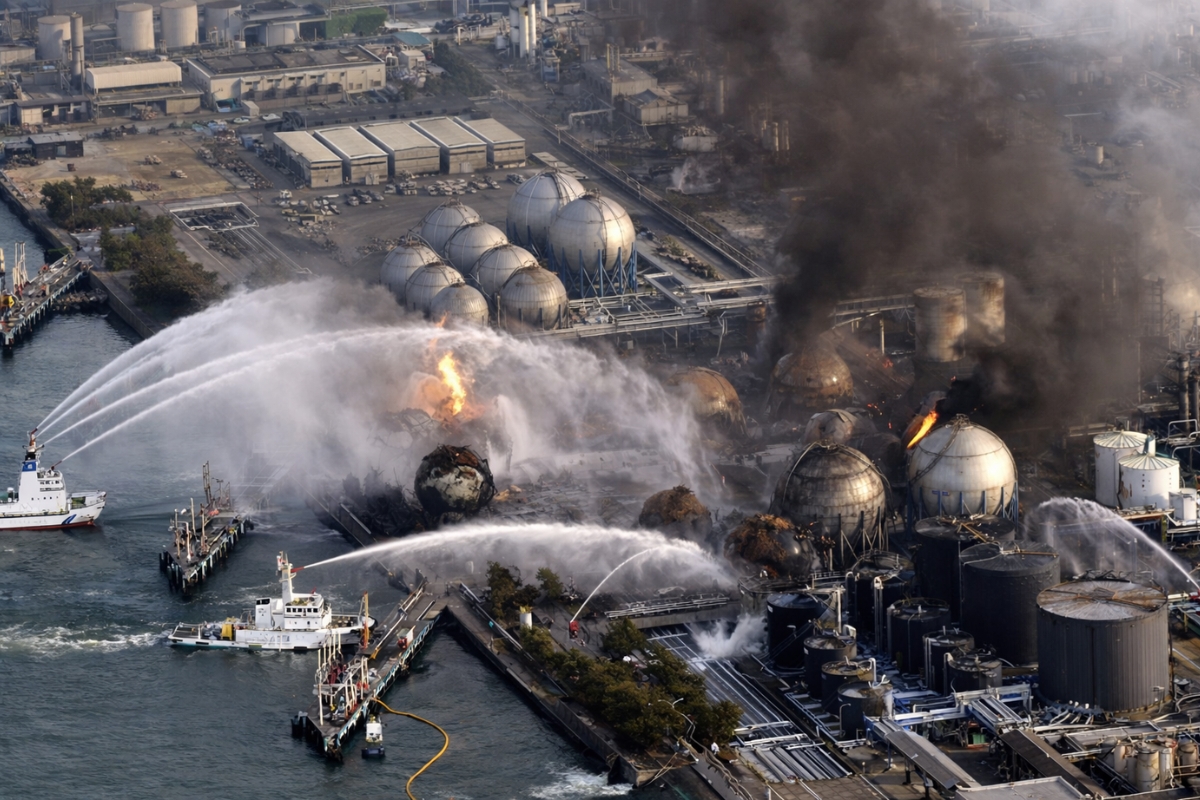
Fukushima Marks A Turning Point In Japan’s Energy Policy: After The Disaster, The Country Shut Down Its 54 Nuclear Reactors And, 15 Years Later, Only A Small Portion Have Returned To Operation
-
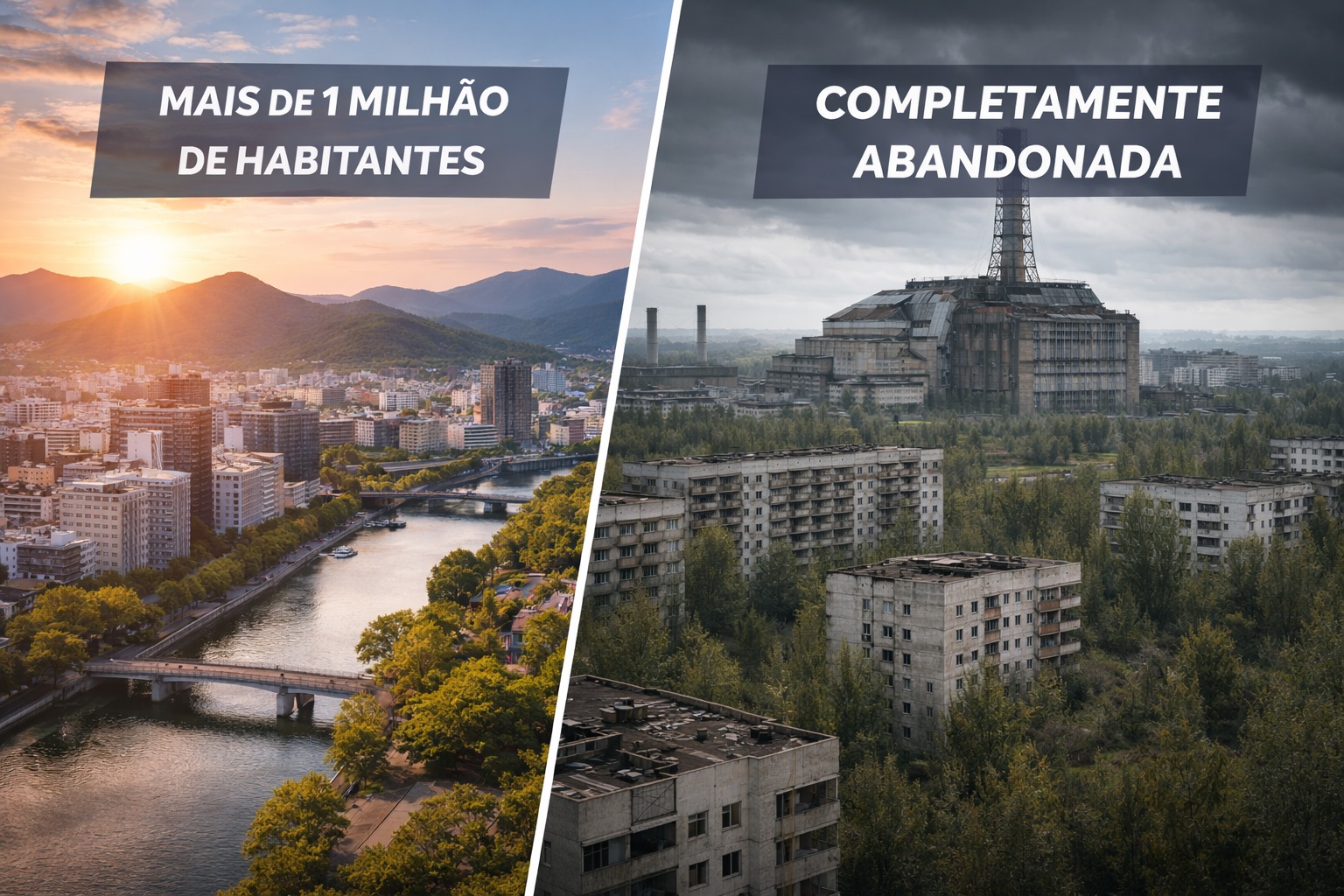
How Japan Overcame The Nuclear Bomb And Now Houses Millions In Hiroshima, While Ukraine Lost Chernobyl?
-
Bill Gates Receives Historic Approval to Build Giant 345 MW Nuclear Plant in the U.S. and Promises to Generate Up to 500 MW of Energy with Innovative Technology

-
India Opens Nuclear Energy to Private Capital to Accelerate Projects and Attract Billions, While Brazil Remains Stalled at Angra 3 and Discusses Who Will Foot the Bill for Completion
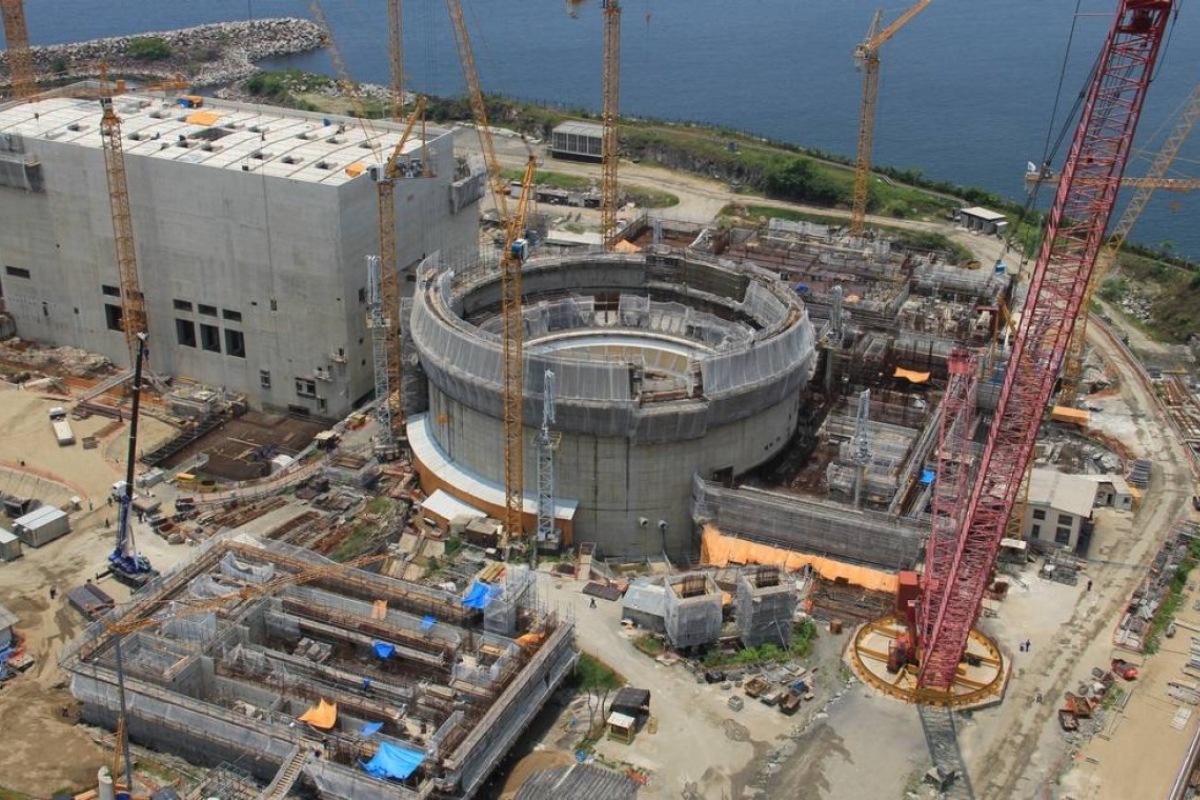

The initiative has been seen as a way to unlock a new source for the country’s energy matrix, at a time of growing demand for firm energy.
The decision has also been associated with the expansion of atomic energy in other markets, with greater room for long-term projects and capacity planning.

Why Nuclear Energy Has Returned To The Center Of The Debate
Nuclear energy appears as an alternative for reliable and clean generation, playing a strategic role when demand rises and supply needs to be constant.
The technological advancement is seen as a factor that increases the relevance of this source in energy planning, with a direct impact on structuring projects.
The need for energy for artificial intelligence data centers also comes into play as a pressure vector for stable generation.
Numbers That Help Understand The Global Scenario
There is mention of the commitment of 31 countries to triple nuclear energy capacity by 2050, reinforcing the sign that the subject has gained international scale.
In Brazil, nuclear energy is described as responsible for only 3% of electricity, in a country of continental dimensions.
This contrast broadens the discussion about diversification of the matrix and the weight of decisions that can block or accelerate investments.
The Impasse Of Angra 3 And The Weight Of Eletronuclear
The prolonged delay of Angra 3 is linked to impasses of Eletronuclear, which continues to pay expenses related to the project and anticipates cash imbalance in 2026.
The state-owned company appears to be indebted and without investment capacity, in a context that limits the execution of a project of this scale.
It is also noted that the company relied on Eletrobras, which was privatized and detached from the commitment to invest to complete Angra 3.
CNPE, 17 Ministers And The Decision That Is Stuck On Paper
The continuation or not of Angra 3 is attributed to the CNPE, the National Energy Policy Council, a body composed of 17 ministers.
The issue appears to be associated with the political management of the sector, with criticisms of the pace of decision-making and the space for interests that block progress.
There is a record that the meeting scheduled for Thursday (18), which would discuss the restructuring of the nuclear energy sector, has been postponed to January.









Quero ver a pessoa que escreveu esse artigo vir comentar quando ocorrer um vazamento ou acidente na usina nuclear privada porque a empresa contratou terceirizadas para dar manutenção e não mantem uma equipe especializada por mais de 2 anos. Lembrem do que acontece em SP com a Enel que deixou a cidade em um caos justamente por ter demitido quase toda sua equipe própria e só usa terceirizadas que pagam salarios baixíssimos e tem rotatividade de mão de obra altissima, assim nunca tem pessoas que realmente sabem o que estão fazendo.
Essa é a lógica da empresa privada.
Vocês estariam confortáveis em ter uma usina nuclear funcionando assim, pensando somente em maximizar o lucro?